

Uncover the hidden costs in your restaurant reservation management system. Learn how marketplace fees and integration charges impact your bottom line.
 執筆者:Hikaru SonedaCEO
Managing hospitality operations while balancing soaring third-party platform commissions and peak-hour front-of-house stress can quickly drain your team’s energy and compromise profitability.
This guide reveals the hidden expenses within any restaurant reservation management system, helping you protect operating margins and take full control of guest relationships.
What Are the True Costs of a Restaurant Reservation Management System?
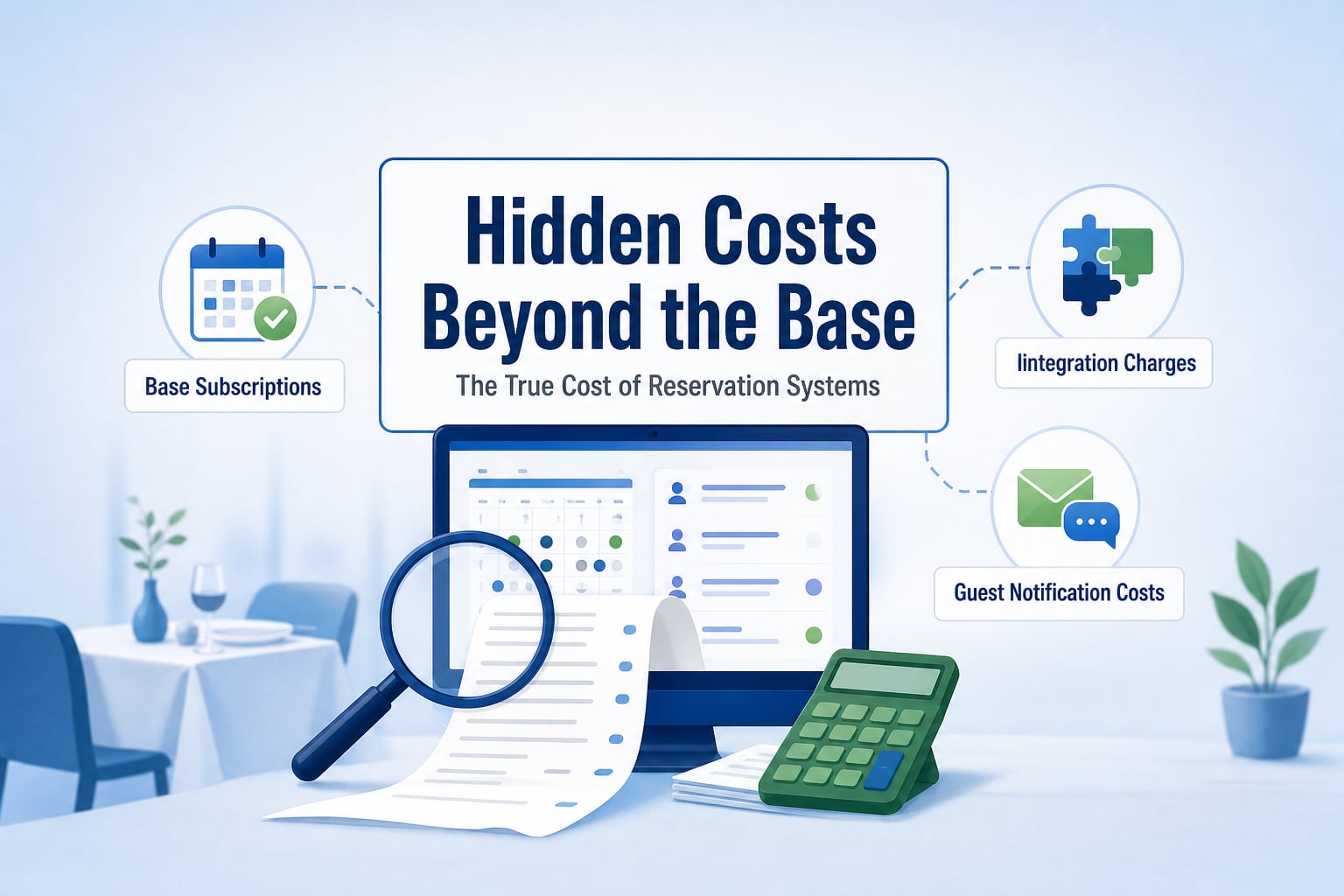
Selecting the right software requires looking far beyond the advertised monthly fee on a vendor landing page. Many operators budget solely for base software subscriptions, only to discover that integration charges, transaction processing surcharges, and guest notification costs inflate their recurring technology bills. Evaluating the true total cost of ownership early prevents unexpected cash flow strains across your fiscal year.
Software architecture models generally fall into two categories: flat-rate direct booking engines and guest-acquisition discovery marketplaces. Flat subscription platforms charge a predictable fee regardless of cover volume, allowing high-turnover venues to scale revenue without compounding software costs. Conversely, marketplace networks frequently charge per-seated-guest fees that scale directly with table occupancy, which can rapidly erode margins during peak seasonal travel periods.
Direct booking engines empower independent culinary operators to own their customer records and market directly to returning guests. When hospitality teams in regional hubs such as Shizuoka invest in owned digital channels, they protect their brand autonomy while cutting reliance on external listing portals. Uncovering contract line items upfront ensures your technology spend delivers predictable operational efficiency rather than compounding monthly overhead.
参考: restaurant reservation management system
Which Hidden Fees and Marketplace Commissions Erode Your Restaurant Margins?
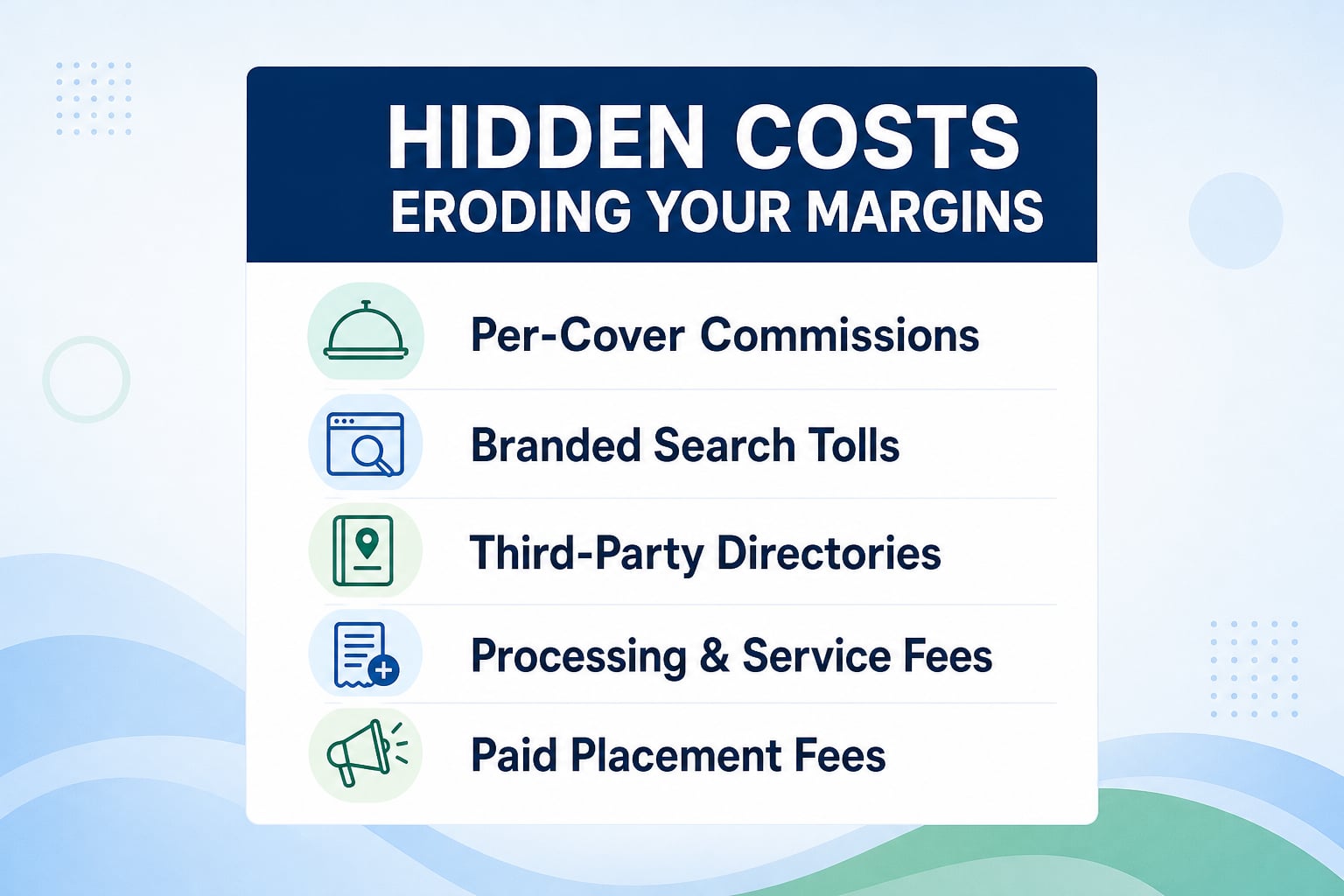
Third-party dining directories often advertise low barrier entry while taking significant cuts on every seated diner booked through their ecosystem. When an operator pays commissions on diners who were already searching specifically for their brand, the platform acts as an expensive tollgate rather than a genuine marketing driver. Distinguishing between genuine new customer discovery and branded search cannibalization is critical for defending food and beverage margins.
Ancillary utility charges frequently surface once front-of-house teams begin daily service configurations. Automated SMS confirmations, two-way guest messaging, and international phone verification often incur variable unit rates that fluctuate with booking volume. Additionally, payment gateway surcharges applied to pre-payments or cancellation deposits can silently shave percentage points off each completed transaction.
- Per-Cover Marketplace Fees: Recurring fees assessed on every seated guest who originates from directory apps, compounding rapidly during high-volume dining shifts.
- Branded Direct-Booking Cannibalization: Charges triggered when existing brand regulars find your listing through affiliate search links rather than your direct website widget.
- SMS and International Messaging Add-Ons: Unbundled mobile carrier fees for booking confirmations, automated table reminders, and two-way cancellation links.
- Hardware Terminal and Licensing Surcharges: Mandatory fees for specialized floor plan management tablets, companion host stands, or additional simultaneous user logins.
- Setup, Data Migration, and Staff Onboarding Fees: One-time initial implementation expenses to configure custom table seating combinations, shift rules, and historical customer profile imports.
参考: cut fees
How Does POS Integration Streamline Table Management and Service Speed?
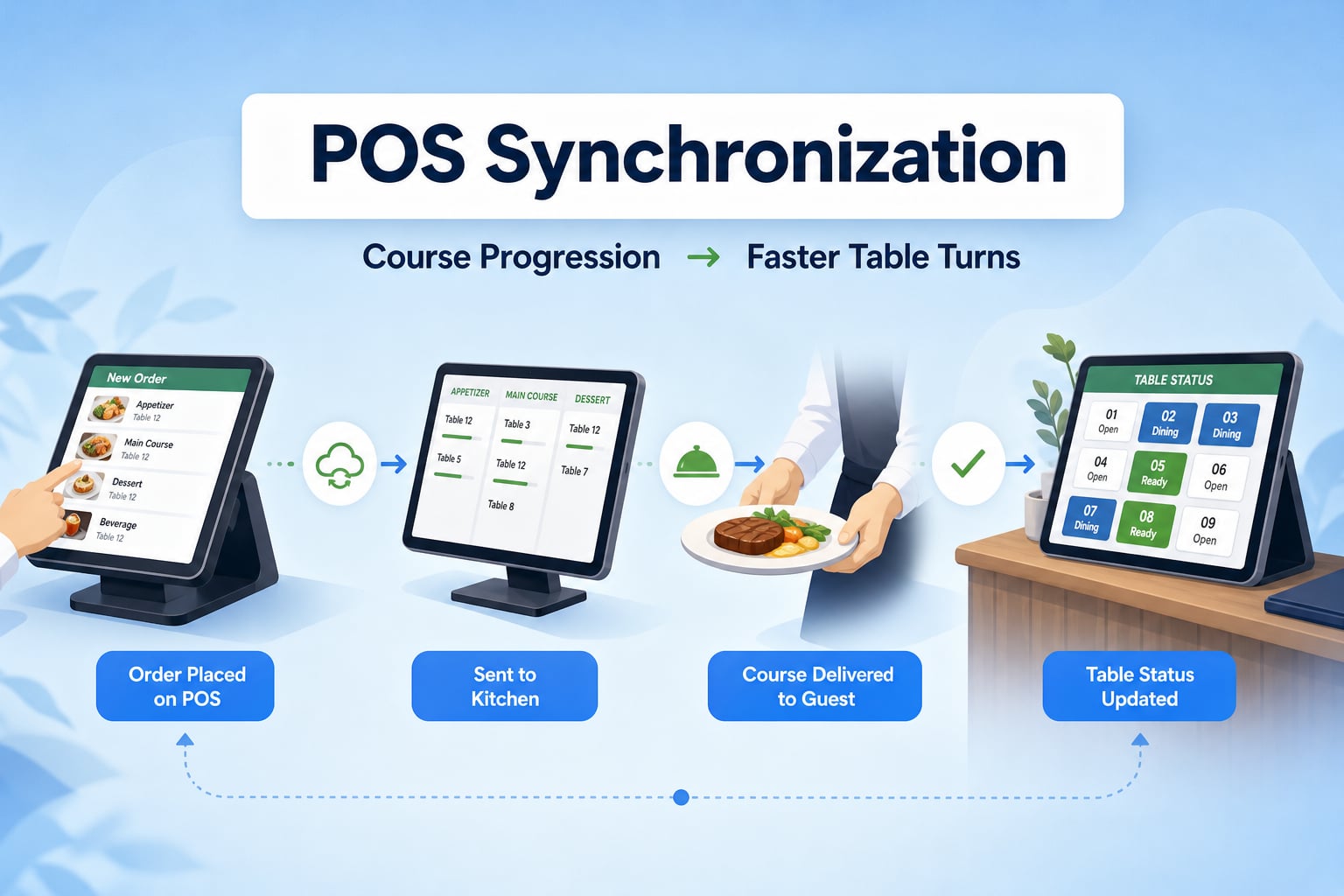
Tight point-of-sale integration eliminates the operational disconnect between front-of-house hosts and service staff on the floor. When host stands manually cross-reference paper dockets or separate screens, real-time table statuses lag behind reality, causing unnecessary dining room delays. Synchronizing your booking platform with order data provides instant visibility into course progression, check drops, and table turnover readiness.
Automated status updates reduce host walkaround checks, enabling staff to reseat walk-in guests or incoming reservations minutes faster per turn. Over a busy evening dinner rush, shortening turn buffers by even brief increments unlocks additional dining capacity without expanding square footage. Furthermore, real-time spend tracking pairs itemized dining preferences with guest profiles, empowering sommeliers and servers to deliver personalized hospitality.
Unifying Floor Statuses to Eliminate Service Bottlenecks
参考: eliminate operational disconnect
How Can Reservation Software Reduce Costly No-Shows and Protect Guest Data?
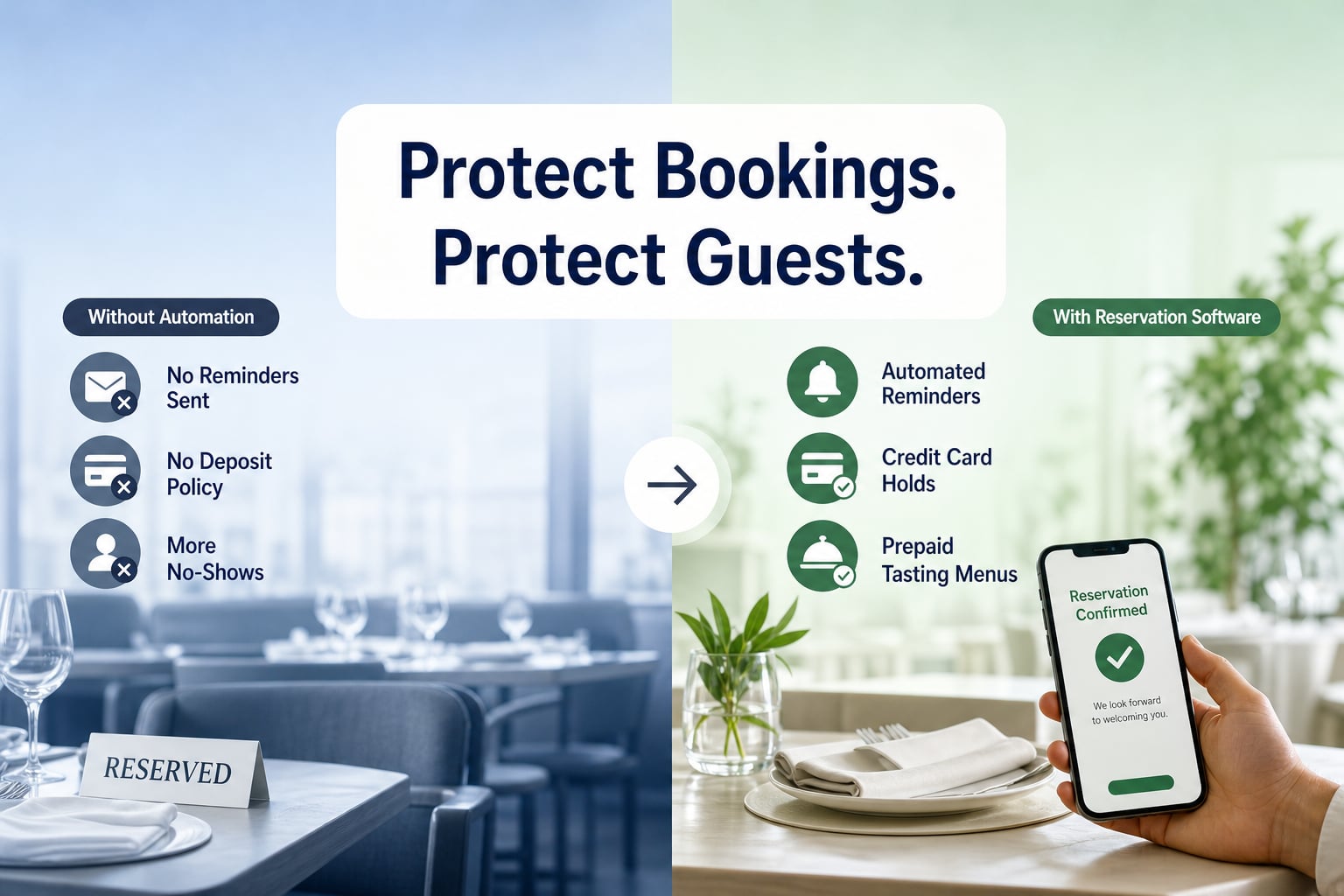
Unfilled seats caused by absent parties directly penalize kitchen preparation costs, staffing allocations, and operating profit margins. Implementing modern booking tools allows venues to enforce customizable cancellation policies, credit card holds, and prepaid tasting menus for high-demand seatings. Automated multi-channel confirmation reminders sent via email and localized digital channels ensure guests either confirm attendance or release tables early enough for rebooking.
Equally critical is securing full custody over your guest contact lists, dining preferences, and dietary requirements. Many third-party reservation portals treat diner information as proprietary network property, masking real email addresses and marketing rival restaurants to your patrons. Independent venues must insist on software agreements that grant full ownership and portable export rights for all guest profiles.
参考: preventing tourist no-shows
What Crucial Details Should You Check on a Reservation Software Quote?
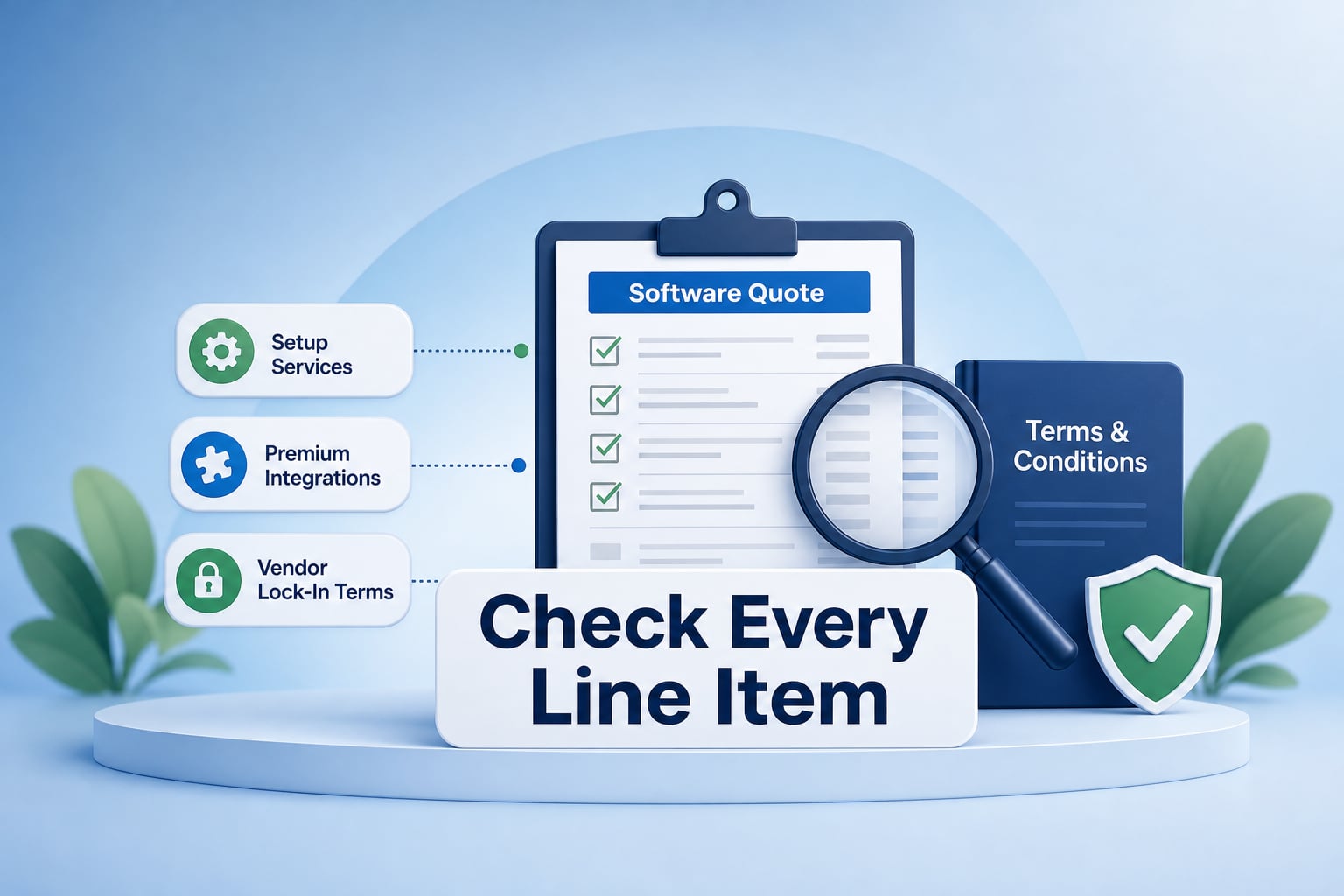
Scrutinizing software proposals before signing prevents long-term vendor lock-in and unexpected operating budget inflation. Sales quotes often present simplified pricing figures that exclude essential setup services, premium integration tiers, or ongoing technical assistance. Hospitality managers must thoroughly inspect line items to verify what is included under standard maintenance and what triggers supplemental billing.
A comprehensive quotation review should systematically evaluate upfront onboarding fees, recurring base licensing, transaction commissions, and technical support access windows. Clarifying refund terms upon system failure and confirming contract cancellation flexibility protects the business from being trapped in an ill-fitting technical partnership. Comparing contractual obligations side by side ensures you select a vendor aligned with your operational stability.
| Quote Line Item | Verification Checkpoints | Operational Impact |
|---|---|---|
| Initial Setup & Onboarding | Check whether floor layout building, staff training, and his | Avoids unexpected upfront implementation invoices before the |
| Recurring Base Licensing | Confirm whether fees are billed monthly or annually and if t | Ensures baseline technology overhead remains consistent thro |
| Booking & Cover Commissions | Verify whether direct website bookings incur per-seated fees | Prevents successful high-turnover peak periods from triggeri |
| Payment Processing & Deposits | Review gateway merchant transaction surcharges, currency exc | Protects operating margins when collecting deposits or pre-c |
| Post-Launch Technical Support | Confirm live telephone and chat coverage hours, emergency re | Guarantees immediate frontline troubleshooting when host-sta |
| Data Export & Contract Termination | Examine customer database retrieval rights, export file form | Ensures complete retention of guest profiles and transaction |
参考: multilingual booking system
How Can Regional Restaurants in Shizuoka Capture Inbound Diners Directly?
Regional destinations throughout Shizuoka Prefecture offer extraordinary culinary culture, from pristine Suruga Bay seafood to renowned wasabi and green tea dining. However, many exceptional local restaurants struggle to convert international traveler interest into confirmed reservations due to language barriers and complex booking steps. Implementing multilingual digital entry points allows overseas travelers to discover, understand, and reserve regional dining experiences with confidence.
Our team at Glocal by Shinker, situated just ten minutes from the North Exit of JR Shizuoka Station in Gofuku-cho, works closely with regional restaurants and lodging facilities to overcome inbound marketing hurdles. Led by CEO Hikaru Soneda, who studied in the United States and worked overseas for a major travel company, our specialists bridge international communication gaps. We help dining operators integrate smooth English online reservation pathways, optimized Google Business Profiles, and compelling social storytelling.
As demonstrated in our company’s results, a local restaurant implemented Glocal’s multilingual marketing strategy, including English Instagram management and Google Business Profile optimization. As a result, the restaurant became easier for international tourists to discover online, increasing engagement from overseas visitors and strengthening its position as a popular dining destination for inbound travelers. Direct digital touchpoints allow regional venues to welcome global diners without forfeiting margins to intermediate third-party brokers.
Bridging Language Gaps to Expand International Seatings
How Can Operators Build a Sustainable Direct Booking Ecosystem?
Building a resilient reservation ecosystem requires treating your direct digital channels as primary revenue assets rather than secondary alternatives. Transitioning diners away from costly aggregator portals begins by embedding clean, mobile-responsive booking widgets directly into your official website and social media profiles. When guests enjoy effortless reservations on your owned platforms, their booking loyalty stays attached directly to your restaurant.
Long-term independence also relies on continuous guest relationship nurturing through structured post-dining engagement. Capturing verified email addresses, dietary notes, and anniversary milestones during direct booking creates rich profile histories that fuel targeted seasonal invitations. Hospitality operators who cultivate owned guest databases insulate their businesses against algorithm changes, escalating directory fees, and sudden platform policy updates.
Partnering with experienced multilingual digital specialists provides the operational leverage necessary to manage modern booking infrastructure alongside daily floor service. By combining localized destination charm with data-driven inbound marketing, independent dining establishments can expand global visibility while maintaining healthy operating margins. Taking deliberate ownership of your reservation workflow today safeguards your culinary heritage and financial independence for years to come.
Frequently Asked Questions
Q1. What is a restaurant reservation management system?
A restaurant reservation management system is digital software that lets diners book tables online while helping staff organize seating, track guest details, and manage daily floor operations smoothly.
Q2. Why are third-party marketplace commissions considered hidden costs?
Many platforms advertise low monthly subscription fees but charge extra commissions for every guest who books through their discovery network, which quietly chips away at your dining margins.
Q3. How does connecting reservation software to a POS system save money?
Linking your booking software to your point-of-sale system automatically updates table statuses when bills are paid. This speeds up table turnover and prevents staff from manually double-checking seating.
Q4. Can reservation systems really reduce customer no-shows?
Yes, these platforms reduce empty tables by sending automated confirmation reminders via text or email and allowing restaurants to safely collect reservation deposits or hold credit cards.
Q5. What key details should restaurants look for in a software quote?
Carefully check for extra fees beyond the base price, including setup charges, per-cover fees, SMS messaging costs, POS integration add-ons, and long-term contract lock-in periods.