

Learn how tourism DX inbound strategies eliminate friction for international travelers. Discover digital tools to enhance experiences and boost spending in Shizuoka.
 執筆者:Hikaru SonedaCEO
Many business owners in Shizuoka want to welcome international travelers but feel overwhelmed by language barriers, digital marketing complexities, and the technical shift required for tourism DX inbound.
This guide provides a practical roadmap to eliminate friction in the traveler’s journey, helping you boost spending and achieve sustainable growth through expert digital transformation strategies.
What should you prepare before starting your tourism DX inbound journey?
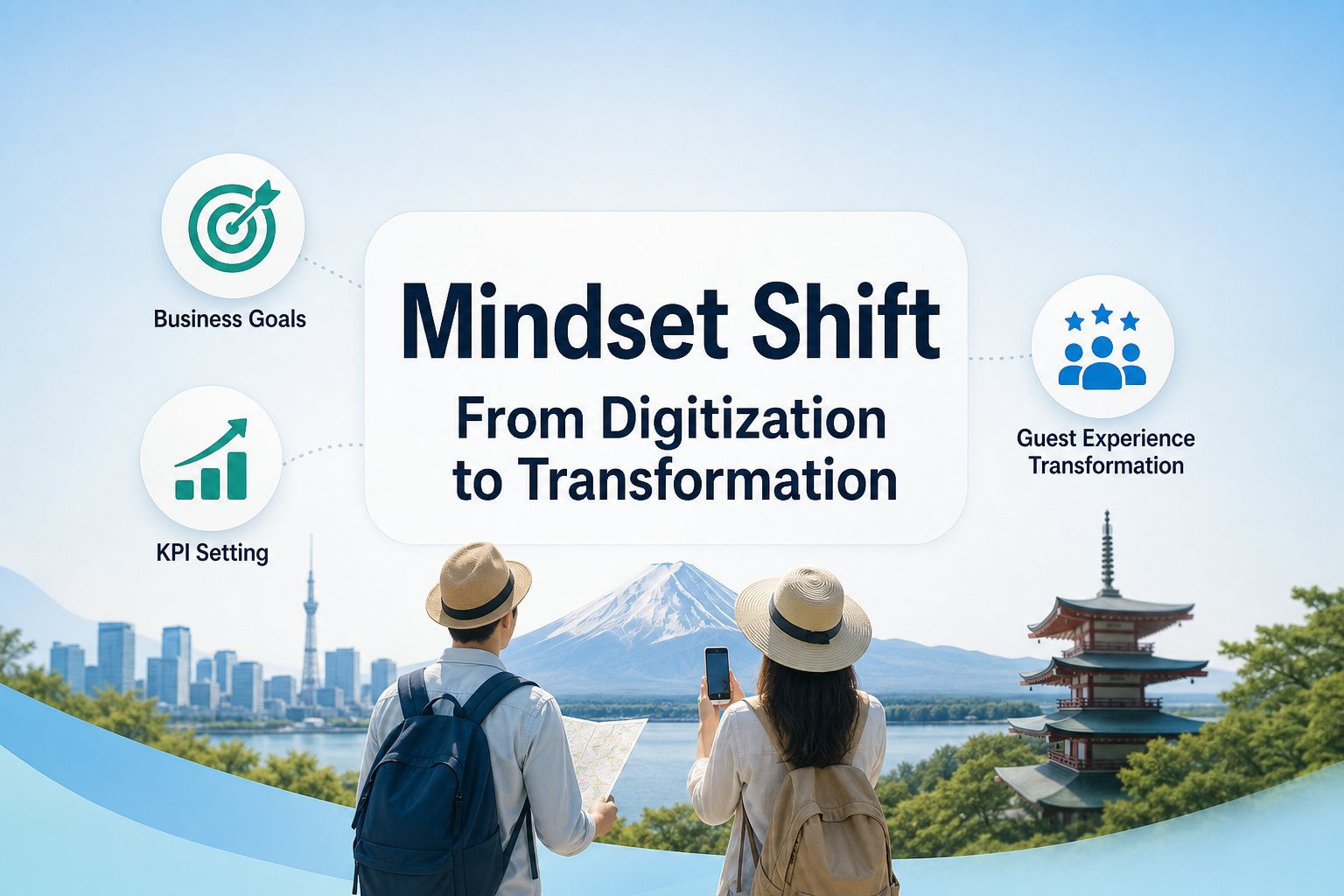
Before investing in expensive software, you must clarify your business goals and identify the specific challenges your international guests face. Successful tourism DX inbound starts with a mindset shift from simply ‘digitizing’ existing tasks to ‘transforming’ the entire guest experience to be more accessible and profitable. By setting clear Key Performance Indicators (KPIs) such as international booking rates or average per-guest spending, you can measure the actual impact of your digital investments.
Preparation involves auditing your current digital presence, including your website, social media, and Online Travel Agency (OTA) listings. In Shizuoka, many businesses rely on domestic traffic, but attracting global visitors requires a different approach to content and communication. You need to ensure your basic information is accurate across all platforms and that your team is ready to handle digital inquiries in a timely manner.
- Define your target audience: Identify which countries your visitors are coming from and what specific local experiences, such as Shizuoka green tea tours or Mt. Fuji views, they are seeking.
- Audit your digital touchpoints: Review your Google Business Profile, Instagram, and OTA listings to ensure they are high-quality, multilingual, and easy to navigate for foreign users.
- Set measurable business goals: Establish clear objectives like ‘increasing international bookings’ or ‘reducing manual inquiry response time’ within a set timeframe.
- Assemble a cross-functional team: Designate staff members who will manage digital tools and ensure they have the training or external support needed for multilingual communication.
参考: インバウンド需要の把握
How can digital tools eliminate friction across the international traveler’s journey?
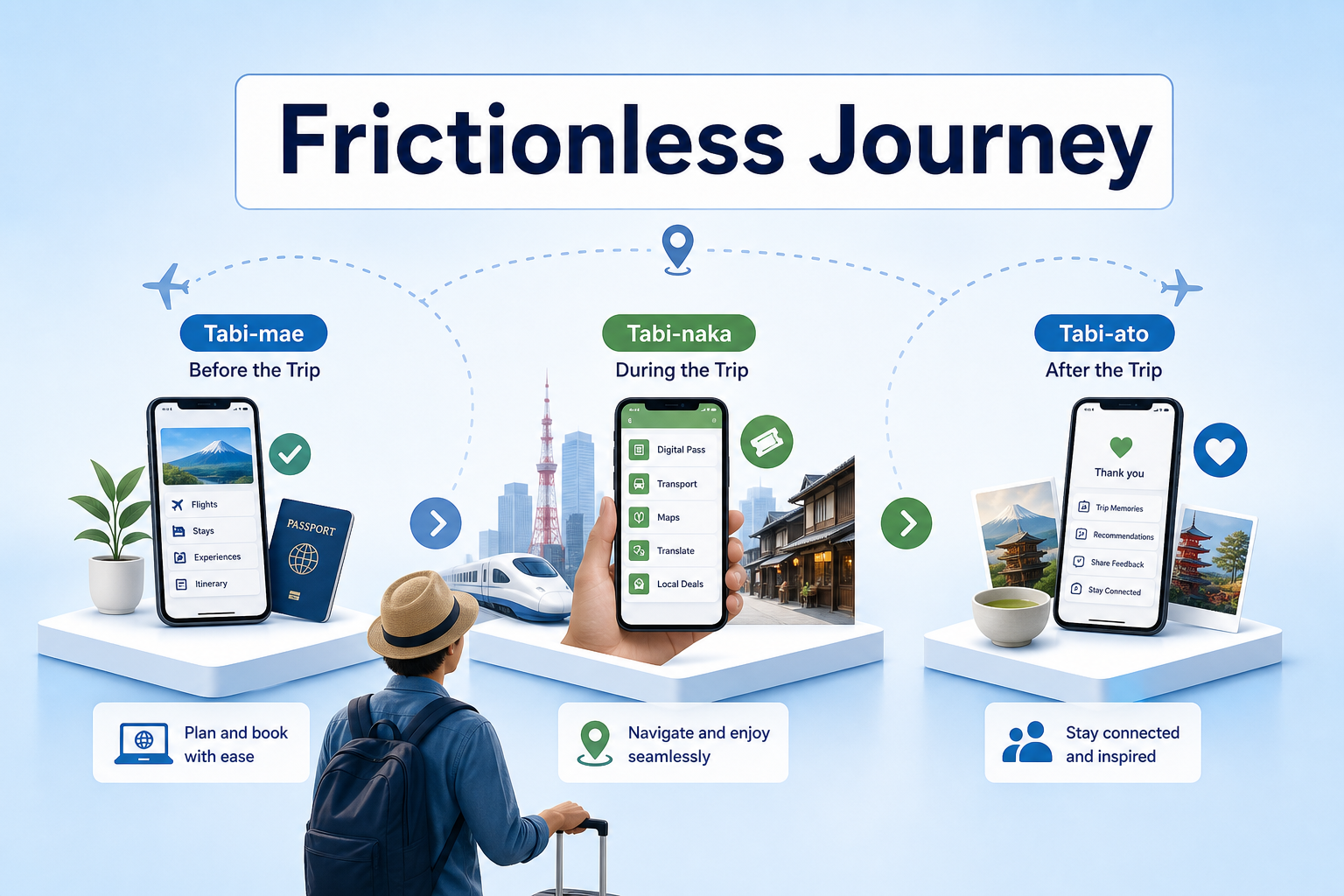
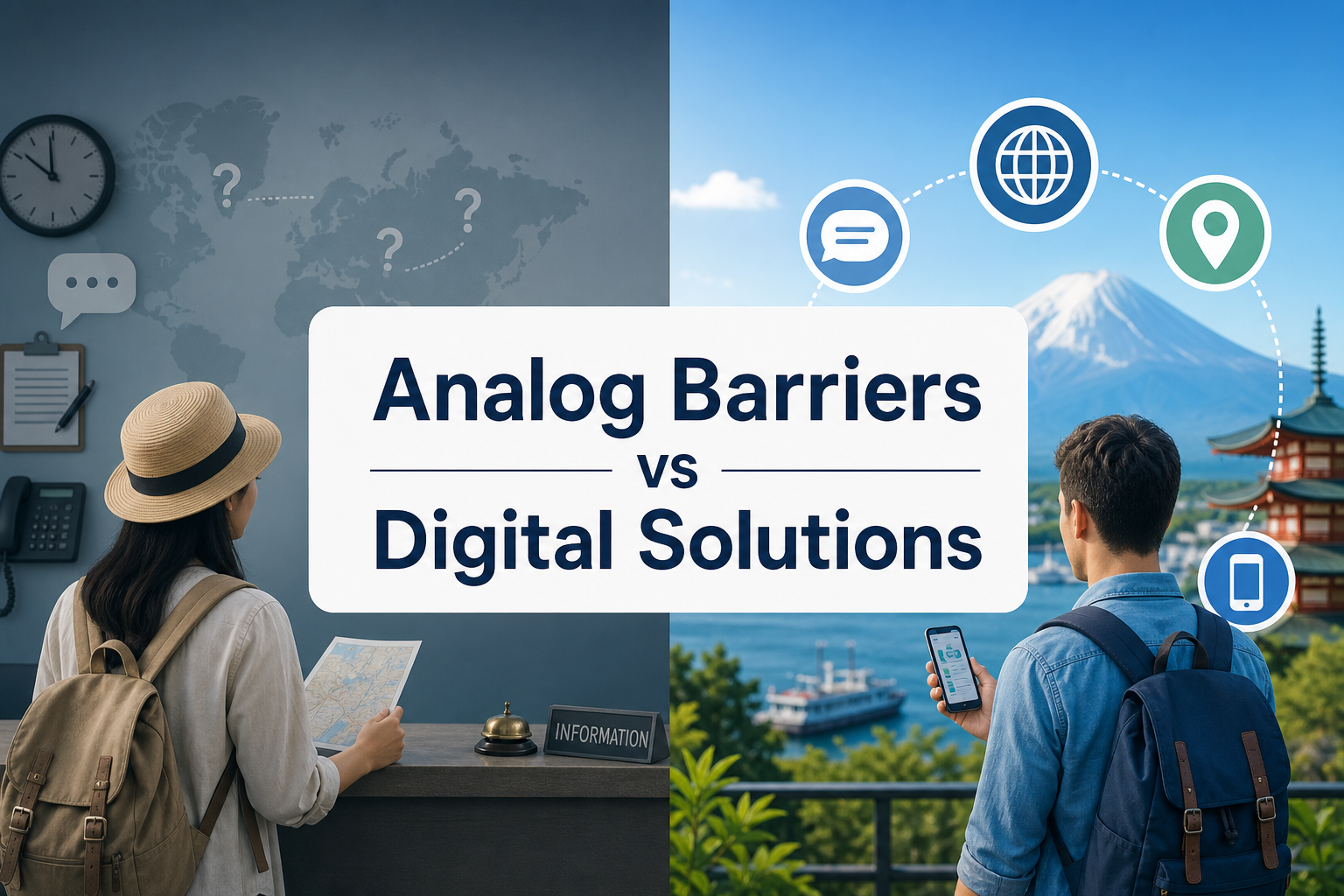
Invisible friction occurs whenever a traveler encounters a barrier, such as a website that doesn’t load in their language or a payment system that doesn’t accept their preferred method. Tourism DX inbound aims to remove these obstacles at every stage: ‘Tabi-mae’ (before travel), ‘Tabi-naka’ (during travel), and ‘Tabi-ato’ (after travel). By streamlining these interactions, you make it easier for visitors to choose your business and spend more during their stay.
Digital tools like AI chatbots and integrated booking engines provide immediate value by offering 24/7 support and instant confirmation. For instance, a multilingual AI concierge can answer common questions about check-in times or local Shizuoka attractions even when your staff is busy or off-duty. This instant accessibility builds trust and reduces the likelihood of potential guests moving to a competitor‘s site.
参考: 多言語予約システム
How can Shizuoka businesses use tourism DX inbound to boost visitor spending?
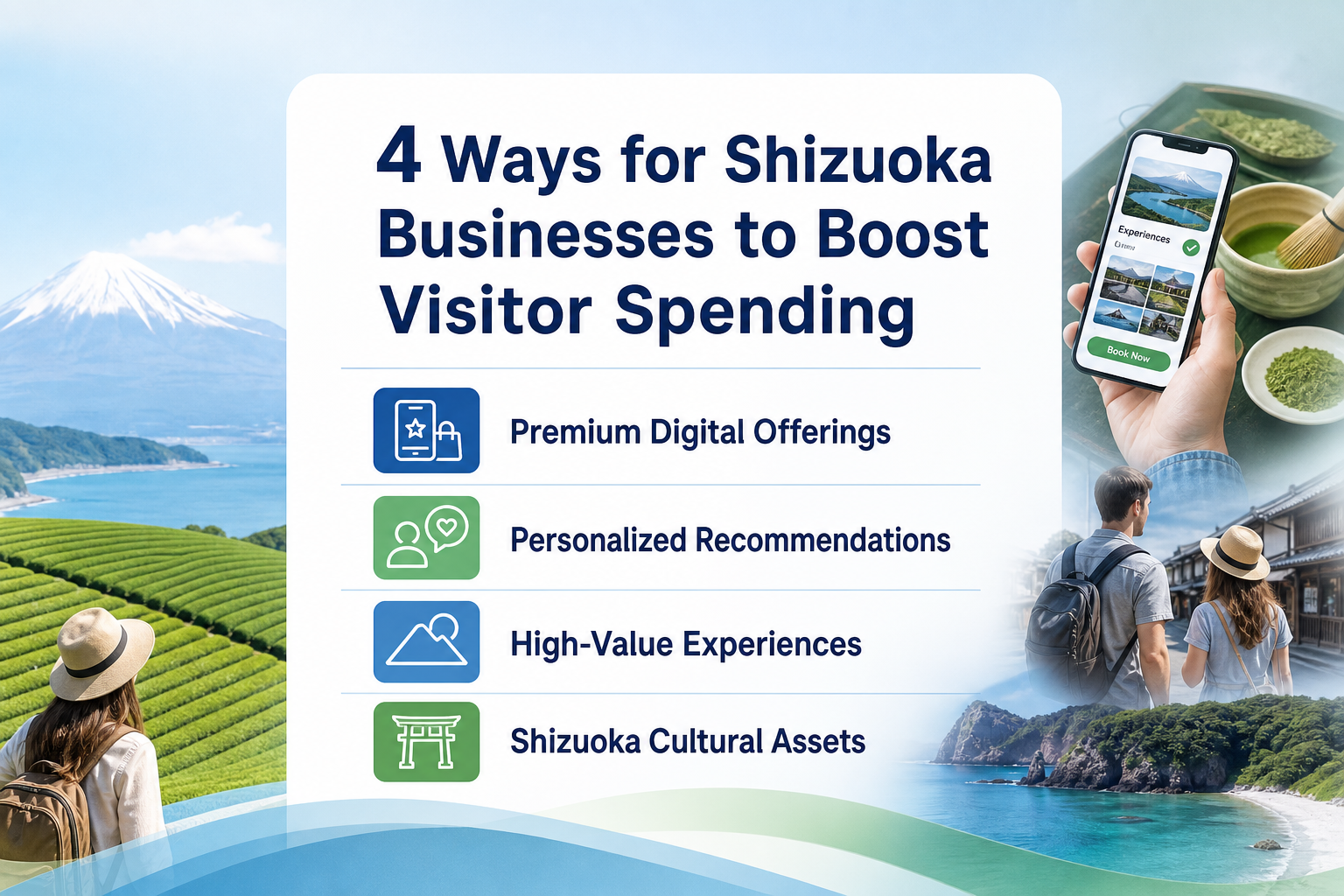
Boosting spending requires more than just attracting visitors; it involves creating opportunities for high-value experiences that are easy to purchase. Shizuoka offers unique cultural assets, from Suruga Bay seafood to artisanal crafts, which can be packaged into premium digital offerings. By using data to understand traveler behavior, businesses can offer personalized recommendations that encourage guests to stay longer and explore more of the region.
Implementing dynamic pricing and upselling through digital platforms can significantly increase revenue for hotels and restaurants. For example, offering a special Shizuoka sake pairing through a digital menu or a last-minute room upgrade via a mobile app can capture additional spending that might otherwise be lost. These small, digital-enabled transactions add up to a substantial increase in the total economic impact for local businesses.
- Digitalize experience bookings: Allow travelers to book unique Shizuoka activities, like tea picking or guided tours, directly through your website or OTA platforms to capture pre-trip spending.
- Optimize for high-yield keywords: Use multilingual SEO to target travelers searching for premium experiences, ensuring your business appears when they look for ‘luxury ryokan Shizuoka’ or ‘best seafood in Aoi-ku’.
- Leverage social proof: Encourage international guests to share their experiences on Instagram and TripAdvisor, as authentic user-generated content is a powerful driver for attracting high-spending travelers.
| Plan Type | Accommodation (Monthly) | Restaurant (Monthly) | Core Services |
|---|---|---|---|
| Economy | Details on request | Details on request | English Instagram management |
| Standard | Details on request | Details on request | OTA optimization & Marketing support |
| Premium | Details on request | Details on request | Comprehensive strategy & Full SNS management |
参考: 静岡インバウンド集客
Why is multilingual social media essential for Shizuoka’s inbound growth?
Social media is often the first point of contact between a global traveler and a local business, making it a critical component of tourism DX inbound. Platforms like TikTok and Instagram are visual-first, allowing you to showcase the beauty of Shizuoka City and its surrounding areas without needing complex translations. By maintaining an English-language presence, you signal to international visitors that your business is ‘inbound-ready’ and welcoming to foreigners.
Consistent engagement on social media helps build a community of travelers who are interested in authentic Japanese experiences. For a restaurant in Shizuoka, posting high-quality videos of local ingredients or the chef’s preparation techniques can go viral and attract tourists who are specifically looking for unique dining spots. This digital word-of-mouth is far more effective than traditional advertising for reaching younger, tech-savvy international audiences.
- Post visual content daily: Share photos and short videos of your facility, local Shizuoka scenery, and seasonal dishes to keep your audience engaged and inspired.
- Use English captions and hashtags: Ensure your posts are discoverable by using relevant English hashtags like #VisitShizuoka, #JapanTravel, and #ShizuokaGourmet.
- Interact with followers: Respond to comments and direct messages in English to build trust and encourage potential guests to finalize their booking.
参考: SNS運用とSEO
What are the benefits of OTA optimization for local accommodations?
Online Travel Agencies (OTAs) like Booking.com, Airbnb, and TripAdvisor are the primary search engines for international travelers. Optimizing your presence on these platforms is a fundamental part of tourism DX inbound, as it ensures your property is visible to a global audience. Effective optimization involves more than just listing your rooms; it requires high-resolution photography, detailed English descriptions, and proactive review management.
By managing multiple OTAs through a centralized digital system, you can prevent overbooking and implement revenue management strategies like dynamic pricing. This allows you to maximize your occupancy rates and profitability, especially during peak seasons in Shizuoka. Properties that maintain high ratings and responsive communication on OTAs often see a significant increase in direct bookings over time as their reputation grows.
How to implement a roadmap for tourism DX inbound success?
A successful digital transformation doesn’t happen overnight; it requires a structured approach that starts with small, manageable steps. Our recommended roadmap focuses on achieving quick wins that build momentum and provide immediate data for future decisions. By focusing on ‘small quality’ rather than massive, expensive systems, businesses can adapt more quickly to the changing needs of international travelers.
In the first month, you should focus on diagnosing your current situation and setting your primary KPIs. The second month is dedicated to implementing core digital tools, such as an English Instagram account or an optimized Google Business Profile. By the third month, you should be analyzing the data collected to refine your strategy and decide which initiatives to scale up or discontinue.
- Days 1-30: Audit and Goal Setting: Evaluate your current digital footprint and define 3-5 key metrics, such as international website traffic or inquiry volume.
- Days 31-60: Implementation of Core Tools: Launch your multilingual social media presence and optimize your primary OTA listings with professional English content.
- Days 61-90: Data Analysis and Refinement: Review performance data, gather guest feedback, and adjust your marketing tactics to focus on the most effective channels.
What are the common pitfalls and cautions when implementing tourism DX?
The most common mistake in tourism DX inbound is investing in large, complex systems without a clear plan for who will manage them. Technology is a tool, not a solution on its own; it requires human oversight and a commitment to hospitality. Businesses often fail when they prioritize ‘cool’ features over basic functionality, such as ensuring a website is mobile-friendly or that contact forms actually work in English.
Another pitfall is the ‘set it and forget it’ mentality, where businesses launch a digital tool but fail to update it or respond to users. For example, an AI chatbot that provides outdated information or an Instagram account that hasn’t posted in months can actually damage your brand’s reputation. Sustainability in tourism DX comes from consistent, small-scale improvements and a focus on the actual needs of your international guests.
- Avoid over-complication: Do not build a custom app if a well-optimized website and Google Maps presence can solve the same problem more effectively.
- Don’t ignore the human touch: Digital tools should enhance hospitality, not replace it. Ensure your staff is still engaged with guests even as you automate tasks.
- Beware of data silos: Ensure your different digital tools—like your booking engine and CRM—can share information so you have a complete view of your guests.
- Watch for hidden costs: Be mindful of ongoing subscription fees and the time required for staff to manage new digital platforms effectively.
Conclusion: Partnering with Glocal for Your Shizuoka Inbound Strategy
Navigating the world of tourism DX inbound can be challenging, but you don’t have to do it alone. At Glocal by Shinker, we specialize in helping Shizuoka-based hotels, restaurants, and tourism businesses connect with the global market. Our team, led by CEO Hikaru Soneda, combines international experience with deep local knowledge to deliver measurable results through multilingual digital marketing.
Whether you need help with OTA optimization, English social media management, or a comprehensive inbound strategy, we offer flexible plans designed to grow your business sustainably. We are located just 10 minutes from JR Shizuoka Station and are ready to help you showcase the unique charm of our region to the world. Contact us today to schedule your initial consultation and start your journey toward inbound success.
Frequently Asked Questions
Q1. What is Tourism DX Inbound?
Tourism DX Inbound refers to using digital transformation (DX) to improve the experiences of international travelers. It involves using technology to remove barriers like language gaps and payment difficulties, making it easier for foreign visitors to navigate, book services, and spend money at local businesses.
Q2. How do digital tools help reduce friction for travelers?
Digital tools simplify the journey by providing multilingual information, easy online booking systems, and contactless payment options. These technologies solve common problems like communication hurdles and the confusion of using foreign currency, allowing travelers to focus on enjoying their trip without unnecessary stress.
Q3. What should a business prepare before adopting these digital tools?
Before starting, businesses should identify the specific pain points their international guests face. This includes assessing current language support, checking if existing payment methods are traveler-friendly, and ensuring that staff are ready to integrate new digital workflows into their daily operations.
Q4. In what ways can Shizuoka businesses specifically increase visitor spending?
By implementing digital menus, mobile ordering, and online reservation platforms, Shizuoka businesses can encourage spontaneous purchases. Providing clear, digital information about local attractions and high-quality services in multiple languages helps visitors feel more confident spending on premium experiences and products.
Q5. What are the common pitfalls to avoid when implementing Tourism DX?
A major pitfall is focusing too much on the technology itself rather than the traveler’s needs. Businesses should avoid over-complicating systems, failing to provide staff training, or neglecting the human touch, as digital tools are meant to support, not replace, genuine hospitality.