

Learn how a restaurant reservation management system automates bookings, reduces no-shows, and integrates OTAs to boost revenue for your Shizuoka business.
 執筆者:Hikaru SonedaCEO
Managing a restaurant in Shizuoka while juggling phone calls and paper ledgers can feel overwhelming, especially as international tourism continues to grow rapidly.
This guide explains how a restaurant reservation management system automates bookings to eliminate manual errors and maximize revenue from inbound travelers.
What is a restaurant reservation management system?
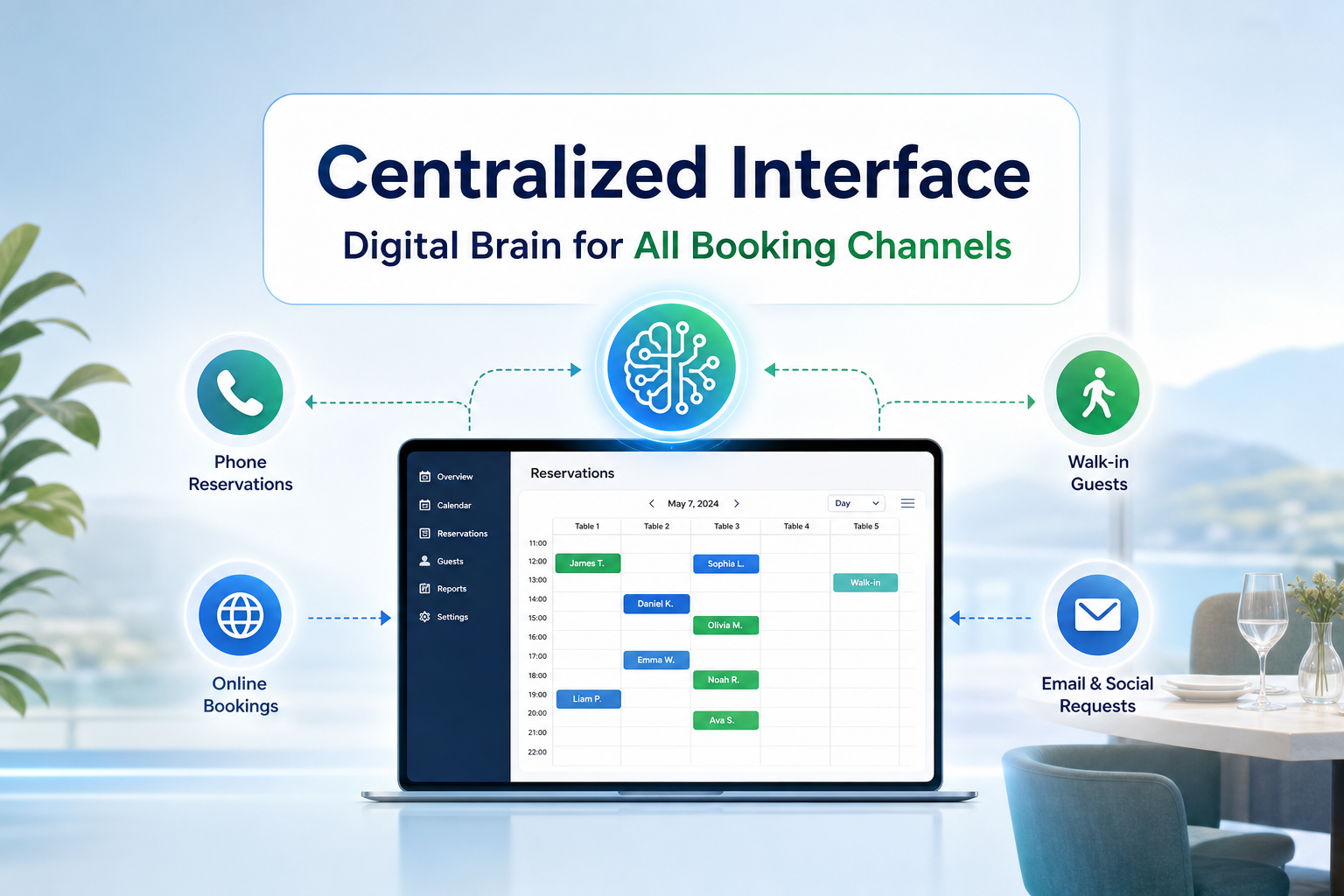
A restaurant reservation management system is a digital platform that centralizes all booking channels into a single interface. Unlike traditional paper-based methods, this software handles online bookings, phone-in reservations, and walk-ins simultaneously to ensure that no table is ever double-booked. It serves as the digital brain of your front-of-house operations, allowing staff to focus on hospitality rather than administrative tasks.
Beyond simple scheduling, these systems collect valuable customer data such as dietary preferences, visit frequency, and contact information. For businesses in Shizuoka looking to attract a global audience, the ability to store and analyze this data is essential for personalized service. By digitizing the process, you create a searchable database that helps you understand your guests’ needs before they even walk through the door.
参考: restaurant reservation management system
How can automation prevent costly no-shows and manual booking errors?
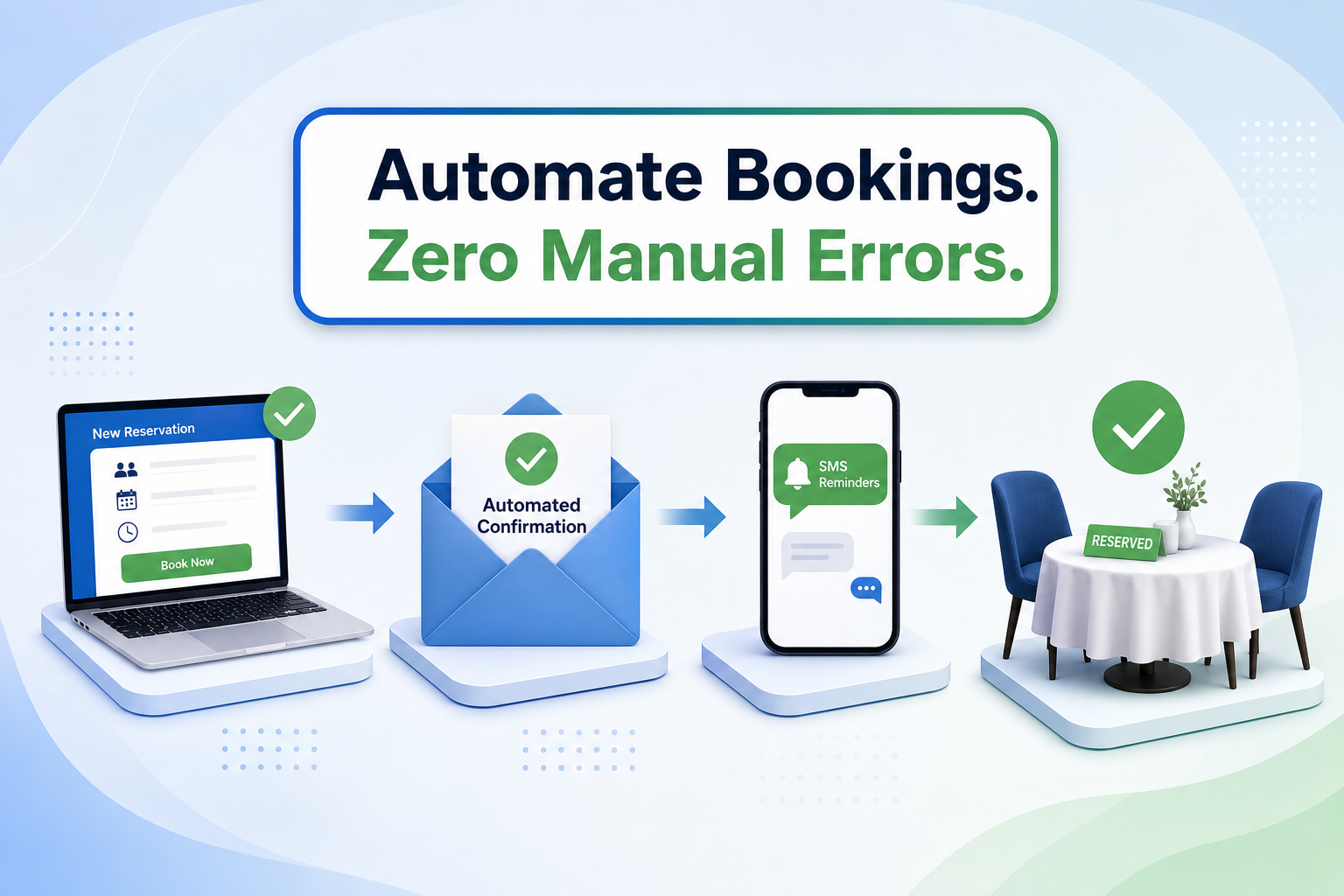
Automation directly addresses the two biggest revenue drains in the industry: human error and no-shows. When a restaurant reservation management system is in place, manual data entry is minimized, which prevents mistakes like recording the wrong date or time. Automated confirmation emails and SMS reminders ensure that guests are notified of their upcoming visit, significantly reducing the likelihood of forgotten bookings.
Advanced systems also offer credit card pre-authorization or deposit features, which serve as a powerful deterrent against no-shows. For high-demand restaurants in areas like Aoi-ku, Shizuoka, securing a commitment at the time of booking protects your bottom line. Automation handles these transactions securely, providing peace of mind for both the operator and the customer while maintaining a professional standard of business.
Why is OTA integration vital for Shizuoka businesses attracting international travelers?
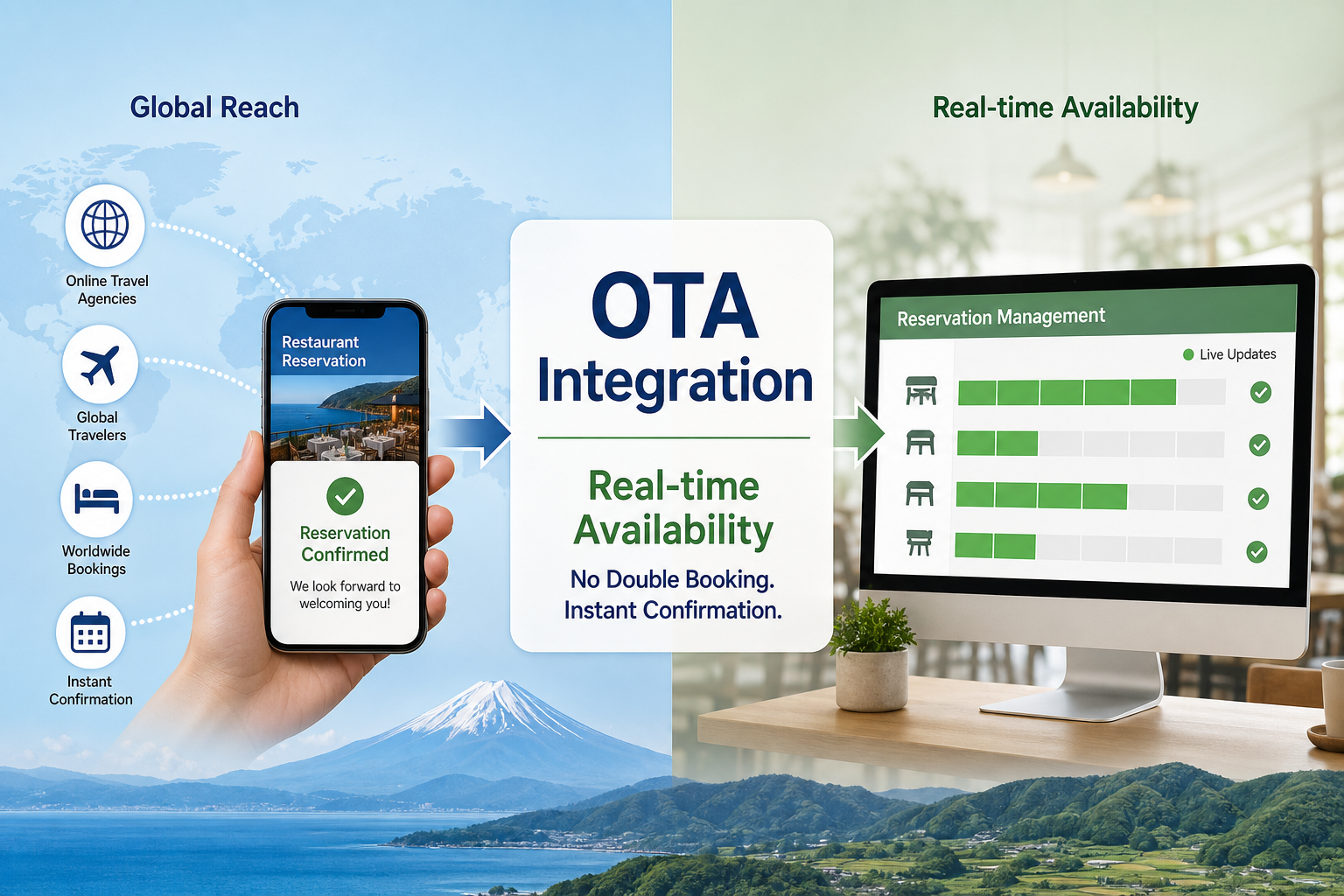
Inbound travelers often rely on Online Travel Agencies (OTAs) like TripAdvisor or Booking.com to find dining options in regional Japan. A restaurant reservation management system that integrates with these platforms allows your availability to be updated in real-time across the entire web. This means an international tourist can book a table at your Shizuoka establishment while still in their home country, without any language barriers or time zone issues.
Without OTA integration, you risk missing out on a significant portion of the inbound market that prefers digital convenience over phone calls. By syncing your inventory, you ensure that your restaurant is visible and bookable on the platforms travelers trust most. This global visibility is a key factor in growing your international customer base and establishing Shizuoka as a premier destination for authentic culinary experiences.
参考: OTA integration
What features should you prioritize in a digital reservation management system?
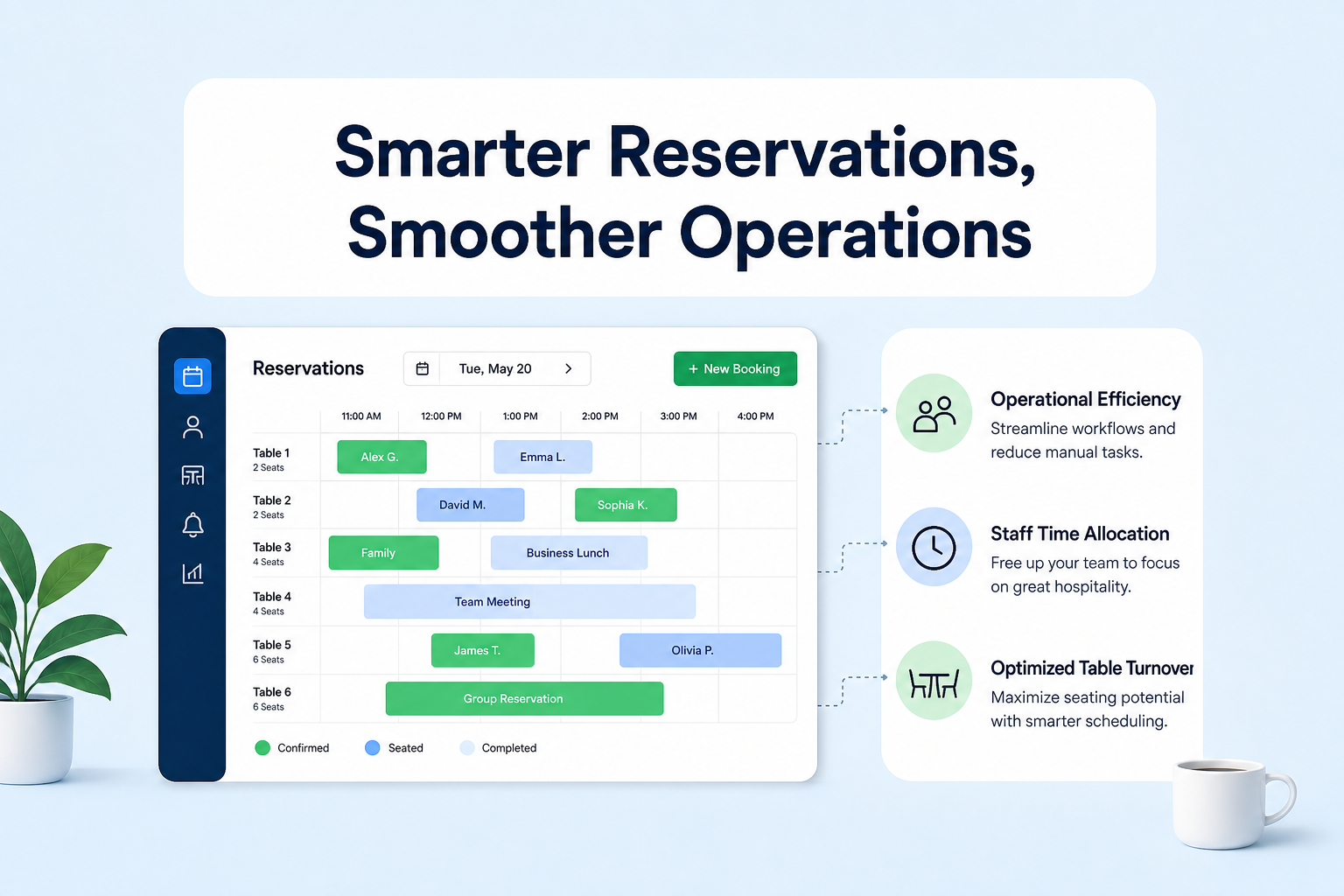
When selecting a system, the priority should be on features that reduce friction for both the staff and the guest. Multilingual support is non-negotiable for capturing the inbound market, as it allows non-Japanese speakers to navigate the booking process with confidence. Additionally, real-time inventory management ensures that your staff always knows exactly how many tables are available, even during peak hours at a busy izakaya or café.
- 24/7 Online Booking Widget: A widget that can be embedded on your website or social media, allowing guests to book anytime without waiting for business hours.
- Automated Reminders: System-generated emails or text messages sent to guests shortly before their reservation to confirm attendance.
- Table Optimization Tools: Algorithms that suggest the best seating arrangements to maximize capacity and turnover during busy shifts.
- Customer Relationship Management (CRM): A built-in database to track guest history, allergies, and special occasions for a more personalized dining experience.
- Integrated Payment Processing: The ability to take deposits or charge cancellation fees automatically to protect against revenue loss from no-shows.
How to leverage customer data for repeat business and local branding
The data captured by a restaurant reservation management system is a goldmine for long-term marketing. By analyzing guest demographics and preferences, you can create targeted email campaigns or social media content that resonates with your specific audience. For instance, if you notice a high number of visitors from a particular country, you can tailor your English Instagram content to highlight the dishes they enjoy most.
Consistent communication helps turn one-time tourists into brand advocates who recommend your restaurant to others. Sharing the story of Shizuoka’s local ingredients and your unique hospitality through digital channels builds trust. When guests feel a personal connection to your brand, they are much more likely to return or leave positive reviews on global platforms like Google Maps.
Navigating the transition from paper ledgers to digital systems
Transitioning to a digital system can seem daunting for a small team, but the long-term benefits far outweigh the initial learning curve. Start by choosing a user-friendly interface that requires minimal training for your floor staff. It is often helpful to run the digital system alongside your paper ledger for a short transition period to ensure everyone feels comfortable with the new workflow.
Our team at Glocal by Shinker often sees that once a restaurant makes the switch, they never look back. The reduction in phone interruptions alone allows staff to provide better service to the guests currently in the room. By automating the mundane aspects of booking, you empower your team to focus on what they do best: providing authentic Japanese hospitality.
Case studies: Success stories in Shizuoka’s inbound tourism market
Our company’s results show that digital transformation is a game-changer for local businesses. In one instance, a tourism business worked with Glocal to promote local attractions and cultural experiences to international audiences. Through multilingual content creation and digital promotion, they expanded their global reach and significantly improved awareness among potential visitors, supporting sustainable regional growth.
Another of our company’s results involves a local restaurant that implemented a multilingual marketing strategy. By optimizing their Google Business Profile and managing an English Instagram account, the restaurant became much easier for international tourists to discover. This led to increased engagement from overseas visitors and strengthened their position as a popular dining destination for inbound travelers in Shizuoka.
Choosing the right plan: Glocal’s tailored solutions for Shizuoka restaurants
At Glocal by Shinker, we provide flexible marketing and management plans designed to help Shizuoka businesses thrive in the international market. Whether you are a small café or a high-end restaurant, our packages offer the support needed to increase your online visibility and streamline your operations. We focus on measurable outcomes to ensure your investment leads to sustainable growth.
How to get started with Glocal
| Plan | Price (Monthly) | Key Services |
|---|---|---|
| Economy | ¥120,000 | English Instagram management |
| Standard | ¥250,000 | Instagram, YouTube Shorts, and TikTok management |
| Premium | ¥350,000 | Standard Plan + X (Twitter) management |
Frequently Asked Questions
Q1. What is a restaurant reservation management system?
It is a digital tool that replaces manual paper ledgers by automatically recording bookings. It helps restaurant owners manage table availability, track customer details, and handle reservations from multiple sources in one centralized online platform.
Q2. How does automation help reduce the risk of no-shows?
The system sends automated confirmation emails and SMS reminders to guests before their scheduled time. This keeps the booking top-of-mind for the customer and provides an easy way for them to cancel or reschedule if their plans change.
Q3. Why is OTA integration important for businesses in Shizuoka?
Shizuoka attracts many international travelers who use Online Travel Agencies (OTAs) to book meals. Integration ensures that bookings from these global platforms sync instantly with your local system, preventing double-bookings and capturing more foreign tourism revenue.
Q4. Can this system help if I still want to take phone reservations?
Yes. While the system automates online bookings, staff can manually enter phone reservations into the digital dashboard. This ensures all tables are tracked in one place, reducing the chance of human error or overbooking during busy shifts.
Q5. What key features should I look for when choosing a system?
Prioritize a system with a user-friendly interface, real-time synchronization across devices, automated messaging, and the ability to integrate with external travel sites. These features ensure your staff can manage the floor efficiently while maximizing seat occupancy.