
Stop no-shows on restaurant foreign customer reservations. Discover 5 proven tactics, from credit card holds to multilingual booking, to protect revenue.

 執筆者:Hikaru SonedaCEO
Managing restaurant foreign customer reservations often brings painful no-shows, difficult communication, and empty tables that threaten your dining revenue.
Discover practical strategies to eliminate no-shows, secure pre-payments, and seamlessly manage restaurant foreign customer reservations without language barriers.
Why do restaurant foreign customer reservations lead to high no-show rates?
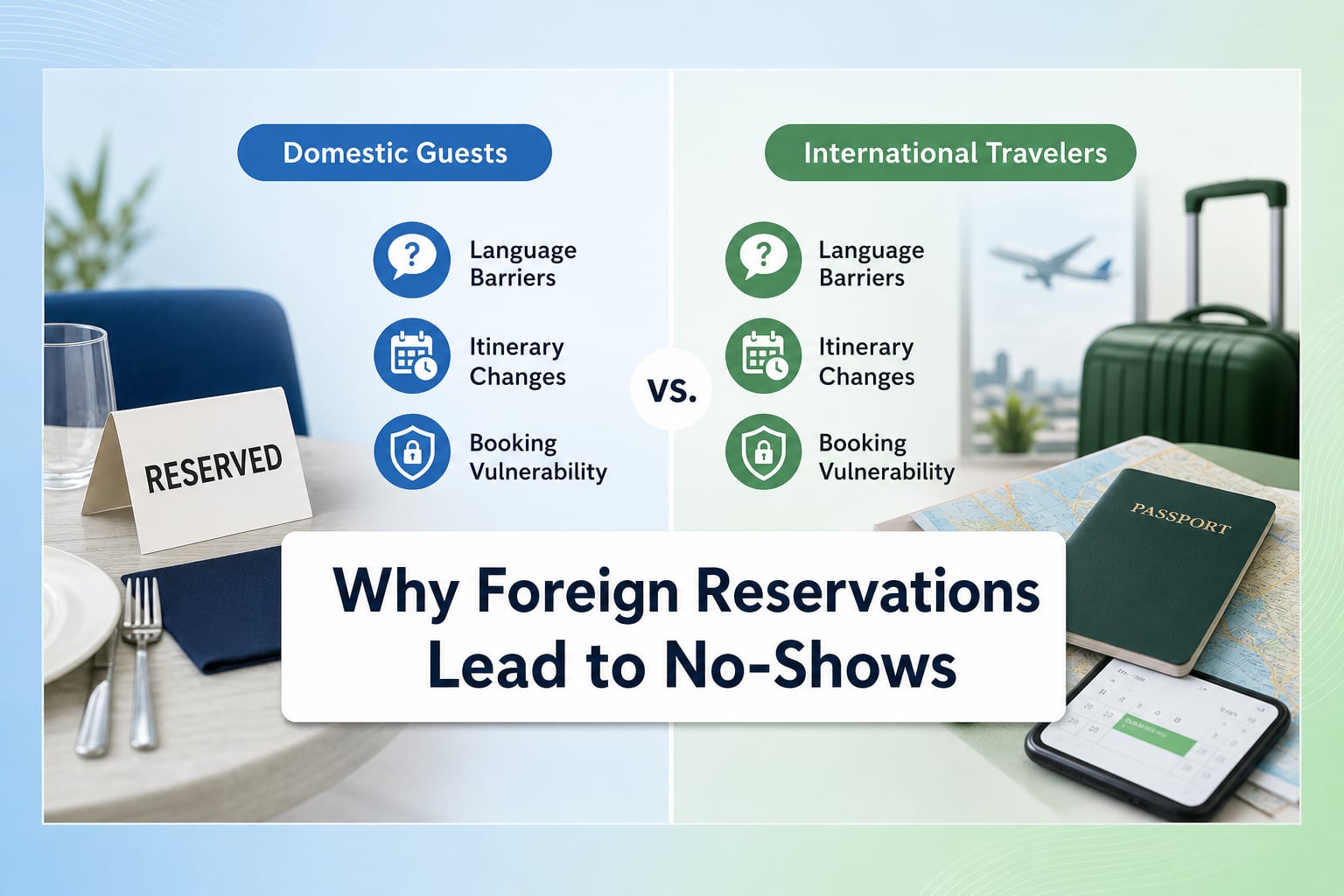
Unprotected booking channels leave dining establishments vulnerable because overseas guests face shifting travel itineraries and complex language barriers. In Japan, domestic diners have an estimated average cancellation rate of 15%, whereas foreign customer cancellations are reported to reach 25%. When international travelers experience flight disruptions or misunderstand localized dining rules, reservations without financial commitment are easily abandoned.
The extended planning timeline of overseas visitors significantly increases the likelihood of forgotten bookings. According to industry research by USEN, the average window between initial booking and dining arrival is 33.7 days for international visitors. Without active reminders in the diner’s native tongue, a table reserved more than a month in advance often turns into a costly empty seat.
A single unoccupied seat creates severe financial strain for small independent eateries operating on thin margins. For example, in a ten-seat establishment where one seat sits empty daily, a spending average of 5,000 yen per customer leads to an estimated monthly opportunity loss of 150,000 yen. Because inbound travelers spend roughly 1.5 times more than domestic diners, failing to secure these bookings results in substantial revenue losses.
Understanding the Operational Impact of Unsecured International Bookings
Chefs purchase specialized fresh ingredients days ahead based on booking headcounts. When international guests fail to arrive without prior notice, kitchen teams face wasted food costs alongside unrecoverable labor expenses. Transitioning from informal phone requests to structured online systems protects kitchen preparation schedules and stabilizes operational margins across regional dining markets like Shizuoka Prefecture.
参考: 無断キャンセル対策
How can restaurants prevent foreign customer reservation no-shows using automated credit card holds?
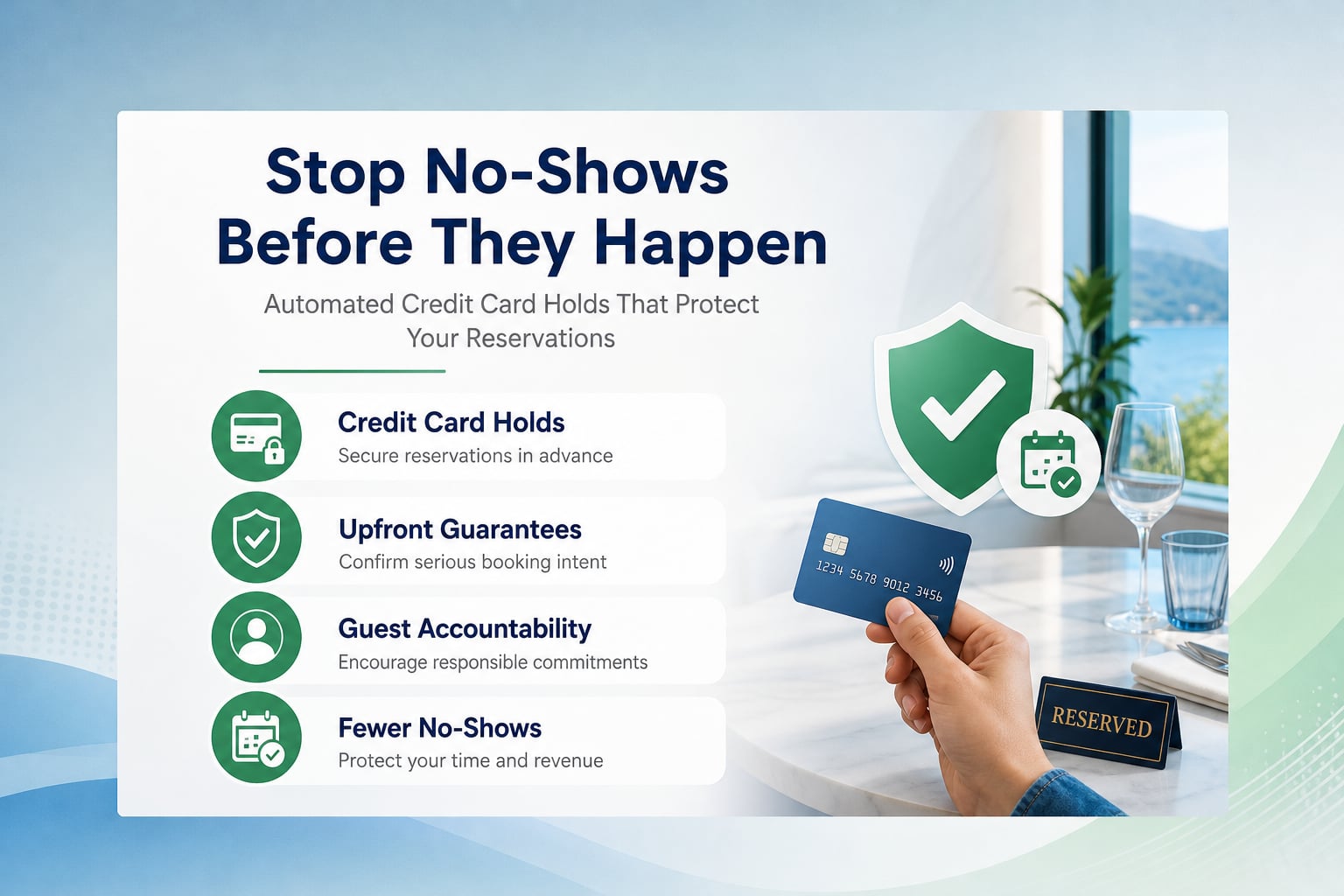
Implementing automated pre-authorizations or credit card holds at the moment of booking completely shifts guest accountability. Overseas travelers are accustomed to global dining platforms that require upfront payment guarantees before a table is confirmed. When financial accountability is introduced, cancellation rates drop dramatically because visitors have a clear incentive to notify the venue well before the deadline.
Clear cancellation policies presented in the customer’s native language eliminate disputes over late cancellation penalties. International diners must acknowledge explicit terms stating that same-day cancellations or no-shows incur a 100% course charge directly to their card. Transparent policies ensure fair expectations while protecting the kitchen from bearing the full cost of perishable, high-grade ingredients.
- Mandatory Card Pre-Authorization: Require customers to input valid credit card details through secure international payment gateways before confirming any dining reservation slot.
- Fixed Course Menu Pre-Payment: Require advance selection and payment for dedicated seasonal tasting courses, ensuring ingredient costs are fully covered before arrival.
- Automated Multilingual SMS and Email Reminders: Trigger automated reminder messages 72 hours and 24 hours prior to the reservation with single-click confirmation or cancellation links.
- Transparent Staged Cancellation Deadlines: Display structured fees clearly in English, such as 50% for cancellations within 48 hours and 100% for same-day cancellations or no-shows.
- Clear Reconfirmation Protocols: Require diners traveling internationally to verify their reservation via email once they land in Japan to revalidate table availability.
参考: 予約システム 自動化
Which multilingual reservation systems and platforms suit inbound dining?
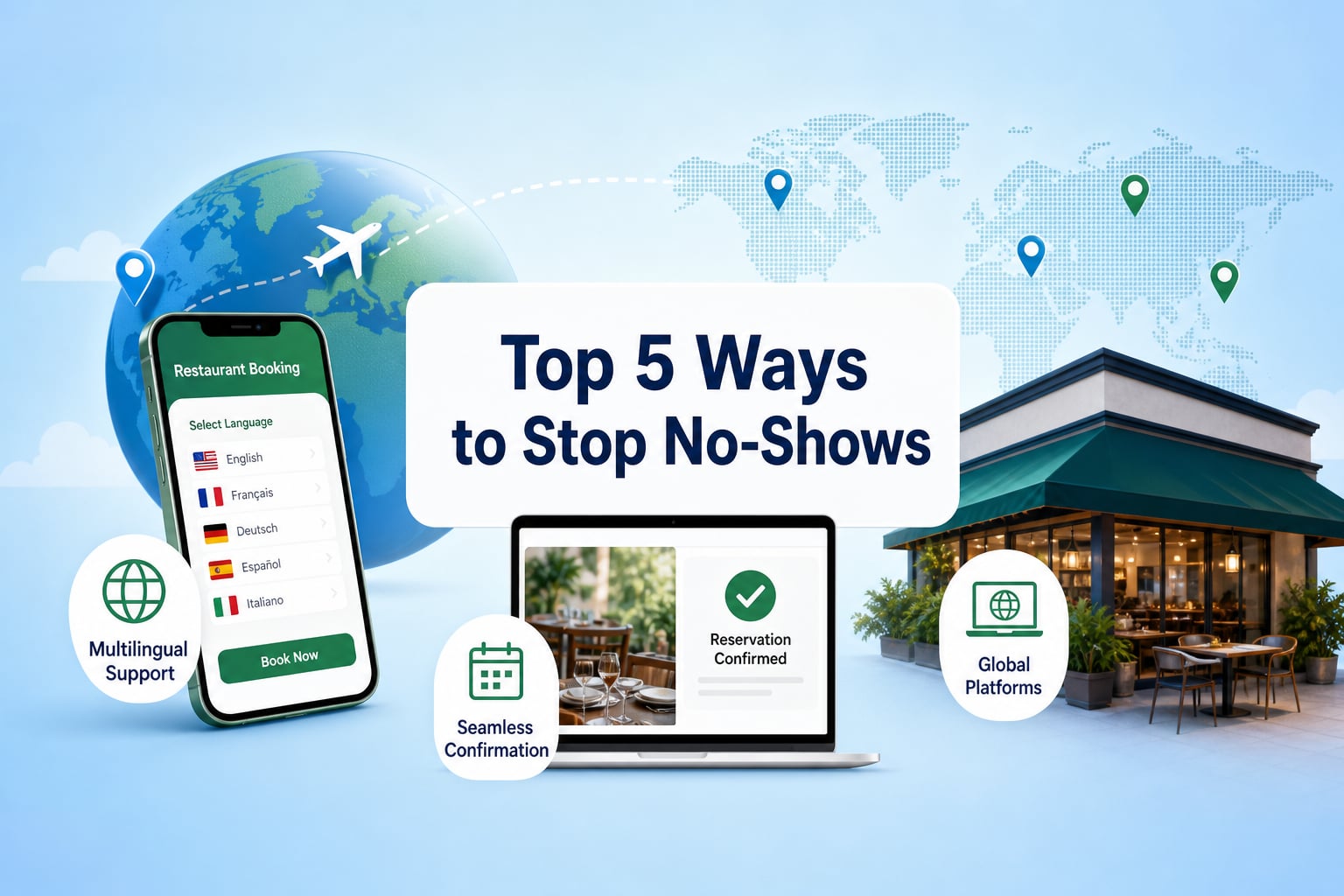
Selecting the right booking infrastructure depends on language breadth, payment processing flexibility, and ease of onboarding. Platforms like TableCheck support up to 18 languages and operate across 30 countries, making them ideal for high-end dining destinations requiring pre-payment mechanisms. Cloud solutions like RESERVA serve over 350,000 businesses across 350 industries with setup times as fast as 3 minutes, offering multilingual settings across 5 languages.
Diverse regional platforms cater to distinct traveler demographics across Western and Asian markets. Systems like coYOYAKU feature 12 languages and support transactions across 14 major global currencies, including automated multilingual booking confirmation emails. For Chinese visitors who rely on domestic applications due to restricted access to standard Western search engines, listing on Dazhong Dianping is essential since over 55% of Chinese travelers in Japan use the app.
Evaluating Booking Tools for Small and Medium Restaurants
Independent restaurants with limited technical staff should prioritize platforms that automate guest communication from booking receipt to post-dining review requests. Choosing an engine with built-in translation safeguards your staff from answering English or Chinese telephone inquiries during busy dinner services, allowing your kitchen and floor teams to concentrate on authentic hospitality.
参考: 多言語予約システム
How should restaurants handle dietary restrictions and multilingual guest communication?
Capturing dietary preferences and severe food allergies during the initial reservation step prevents operational delays on dining night. International visitors frequently follow specific dietary practices, such as vegetarian, vegan, halal, or gluten-free regimens, which regional Japanese kitchens may struggle to accommodate spontaneously. Asking guests to declare food restrictions on the digital reservation form gives the kitchen adequate time to prepare suitable alternatives.
Automated multilingual confirmation notices bridge cultural expectations around seating rules and dining etiquette. Explaining key house policies—such as punctuality requirements, table time limits, and dress codes—prior to arrival prevents misunderstandings at the front door. Welcoming guests with translated digital menus or smartphone-based ordering systems creates a friction-free experience that reassures travelers and relieves service staff.
参考: 食物アレルギー対応
How did a local restaurant increase foreign customer reservations through multilingual optimization?
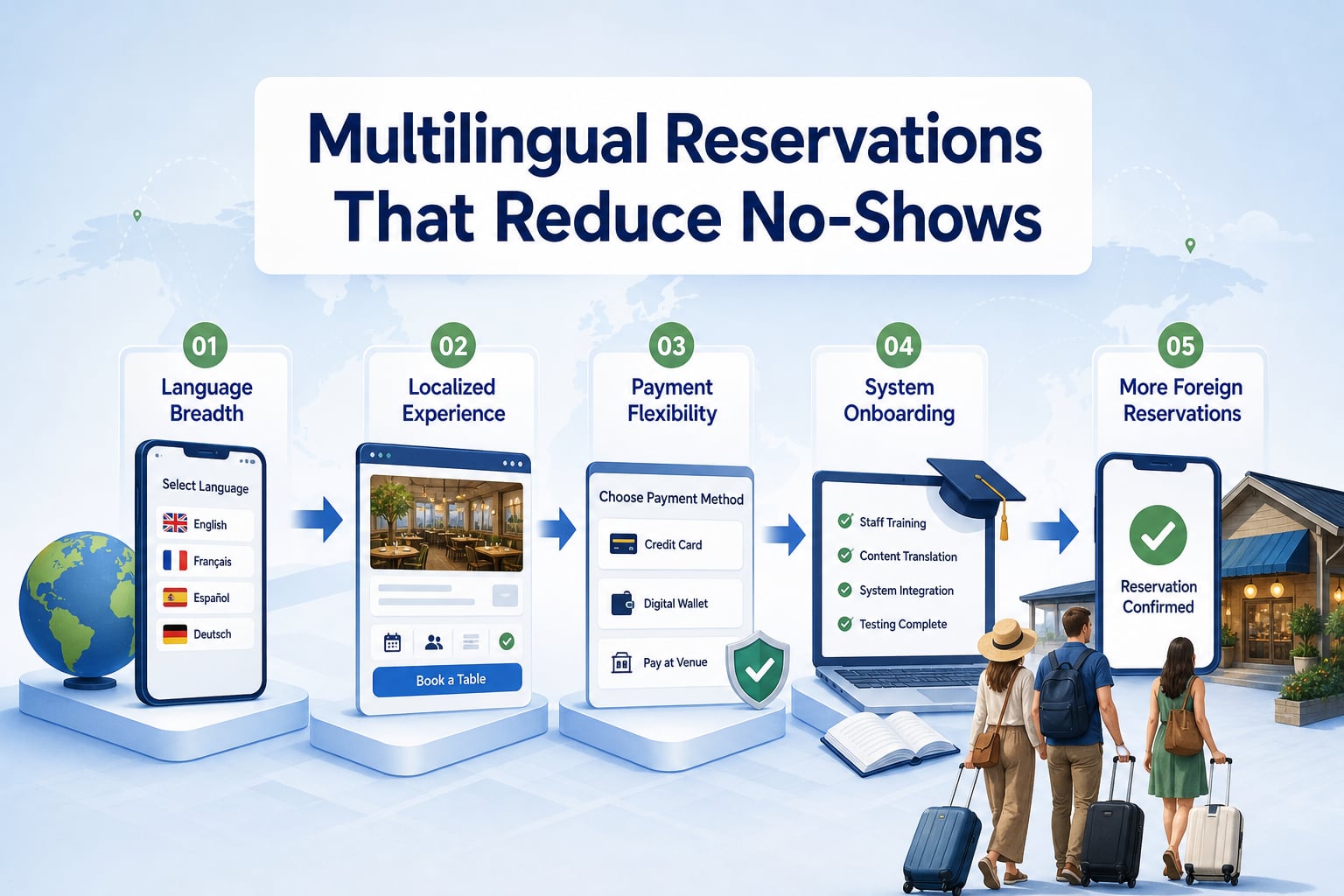
Our company’s results demonstrate how strategic inbound marketing transforms international table bookings for regional dining businesses. A local restaurant implemented Glocal’s multilingual marketing strategy, including English Instagram management and Google Business Profile optimization. By aligning local culinary appeal with foreign traveler search habits, the restaurant became significantly easier for international tourists to discover online during their travel planning stages.
The intervention yielded measurable business outcomes by capturing inbound diners searching for authentic regional cuisine. As a result, the restaurant experienced increased engagement from overseas visitors and strengthened its position as a popular dining destination for inbound travelers. Establishing verified digital touchpoints ensured overseas guests booked tables with full confidence and arrived on time without operational friction.
What should regional dining owners check when partnering with inbound marketing agencies?
Hiring an inbound agency requires thorough vetting to ensure marketing efforts translate into confirmed, profitable dining reservations rather than vanity metrics. Restaurant owners in Shizuoka Prefecture often lack the internal bandwidth to manage multilingual search engine optimization, international social media channels, and OTA reservation portals. Before signing any service agreement, evaluating operational support parameters ensures your investment produces tangible dining room revenue.
Contract clarity regarding reservation setup and fee structures prevents unexpected operational costs down the road. Independent restaurateurs must confirm whether setup fees cover multilingual menu uploads, credit card processor integration, and cancellation enforcement rules. Verifying ongoing technical support guarantees your service staff will not be left stranded when booking software updates or foreign customer inquiries occur.
How can your business apply these foreign customer reservation strategies to protect dining revenue?
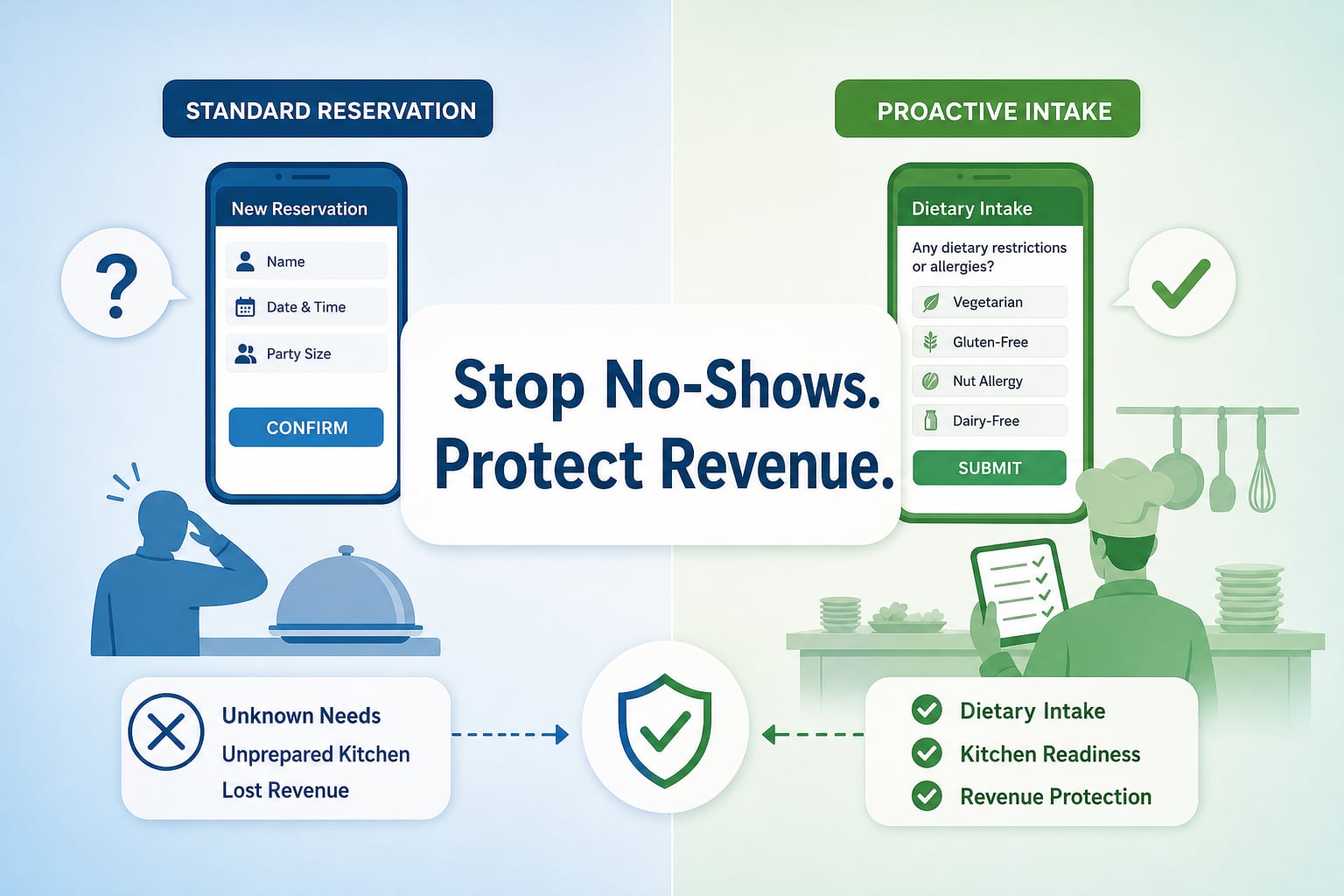
Transforming your restaurant into an inbound-ready dining destination starts with uniting automated booking software, verified online profiles, and authentic local storytelling. Headquartered in Shizuoka City, Glocal by Shinker connects regional hospitality with the world by developing data-driven multilingual marketing strategies. Led by CEO Hikaru Soneda, our experienced team provides hands-on expertise in multilingual websites, OTA optimization, and global customer engagement.
Every region possesses authentic culinary heritage that international travelers are eager to experience firsthand. By implementing clear pre-authorization policies and optimizing international visibility across Google Maps, Instagram, and global portals, your restaurant can eliminate no-shows while welcoming diners from around the globe. Sustainable business growth begins when operational security meets heartfelt hospitality.
Getting Started with Glocal by Shinker
Located on the 7th floor of Oak Shizuoka Building in Aoi-ku, Shizuoka City—just a 10-minute walk from the North Exit of JR Shizuoka Station—our team is dedicated to supporting regional operators. We welcome inquiries via our website contact form or phone during business hours from Monday to Friday, 9:00 AM to 6:00 PM JST. Contact us today to secure a tailored consultation and protect your dining revenue against reservation no-shows.
Frequently Asked Questions
Q1. What is an automated credit card hold for reservations?
An automated credit card hold temporarily secures a set fee on a diner’s card when booking. The restaurant charges this fee only if the guest misses the booking without canceling in advance, protecting empty table revenue.
Q2. Why do international visitors fail to show up for restaurant bookings?
Foreign visitors often face unexpected travel delays, confusion from language barriers, or booking multiple places at once. Without local phone numbers or easy ways to cancel online, many simply abandon their tables without notifying the restaurant.
Q3. Will requiring a card hold discourage foreign tourists from booking?
Most international travelers are used to card holds and expect them at popular venues. Clearly stating your cancellation policy in multiple languages reassures guests that they will not be charged if they arrive or cancel on time.
Q4. How can a restaurant start offering multilingual reservation support?
You can add multilingual booking widgets to your website, translate confirmation emails, and use automated messaging tools. Offering clear details in common tourist languages helps travelers understand policies, confirm their plans, and arrive without confusion.
Q5. What should a restaurant do if a foreign guest needs to cancel?
Provide a simple, one-click cancellation link in their multilingual confirmation email. Making cancellation effortless encourages travelers to release their tables early, giving your staff enough time to seat walk-in guests instead.