
Master hotel instagram marketing for foreigners with our 5-step guide. Learn to adapt visuals, write English captions, and drive direct inbound bookings.
 執筆者:Hikaru SonedaCEO
Many hotel owners in Shizuoka struggle to reach international travelers because their hotel instagram marketing for foreigners often feels like a direct translation of domestic content.
This guide provides a strategic roadmap to transform your Instagram presence into a powerful inbound booking engine by mastering localization, visual storytelling, and technical account management.
Should you manage a single Instagram account or separate accounts for international guests?
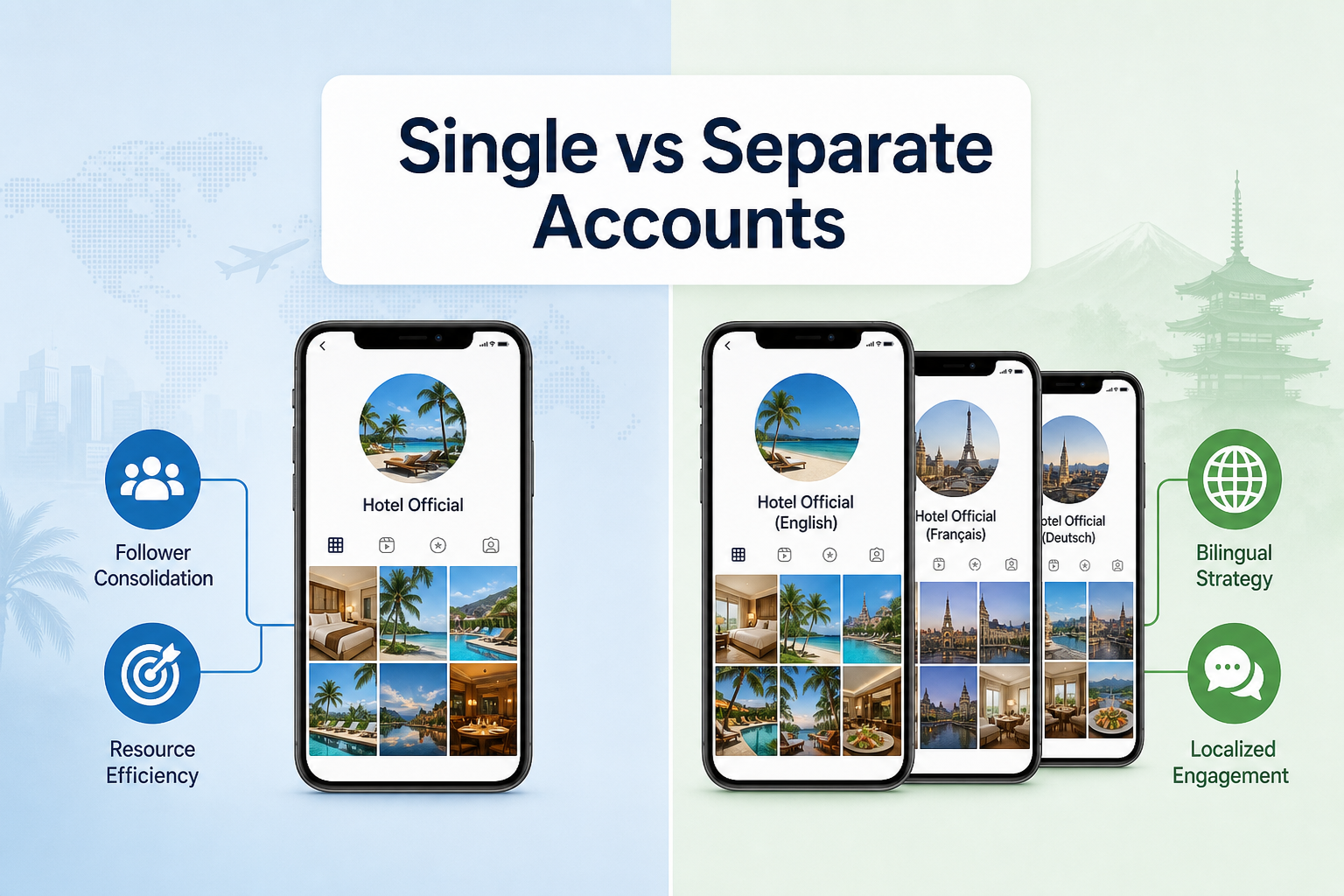
One of the most common dilemmas for hotel operators is whether to maintain a single global account or create separate handles for different languages. Managing a single account with bilingual captions is often the most resource-efficient approach for small to medium-sized hotels in Shizuoka. It allows you to consolidate your follower base and engagement metrics into one profile, which signals authority to the Instagram algorithm.
However, if your target audience is split between distinct markets like luxury Western travelers and trend-focused Asian tourists, separate accounts might be necessary to maintain a specific aesthetic. For instance, a high-end ryokan might want a dedicated English account to emphasize ‘omotenashi’ and tradition without the clutter of domestic promotional campaigns. Regardless of the structure, consistency is key, as it typically takes 3 to 6 months for an account to be recognized by the algorithm and show stable reach.
| Strategy | Pros | Cons | Ideal For |
|---|---|---|---|
| Single Bilingual Account | Higher engagement density; easier to manage | Captions can become long and cluttered | Boutique hotels and local guest houses |
| Separate English/Global Account | Highly targeted messaging and aesthetic | Split resources; harder to grow two profiles | Luxury hotels with high inbound budgets |
How do you adapt your hotel’s visual style for Western and Asian travelers?
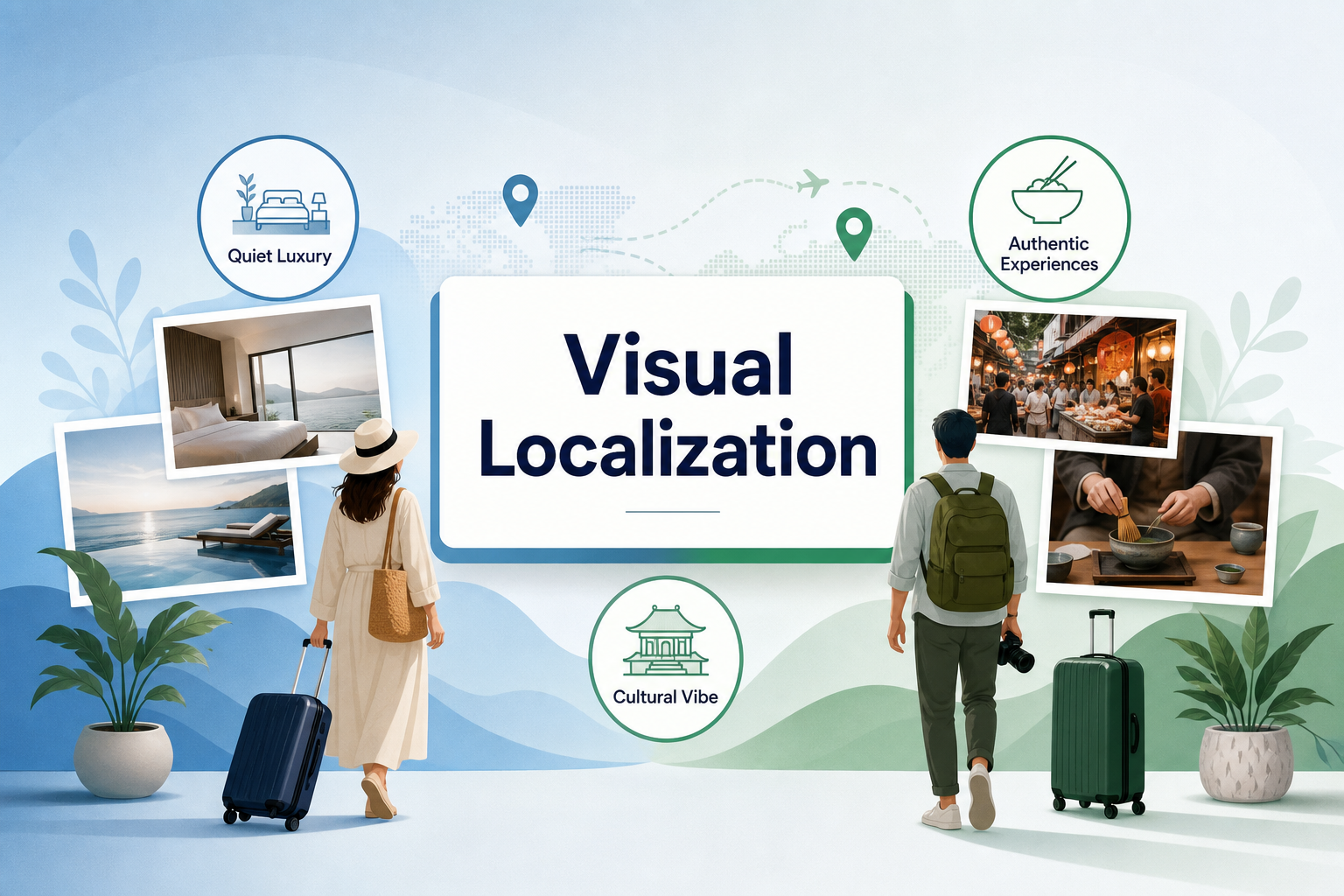
Visual localization is more than just taking pretty pictures; it is about understanding the cultural ‘vibe’ that triggers a booking. Western travelers often seek authenticity, architectural details, and a sense of ‘ma’ or negative space that conveys tranquility. They are drawn to the ‘quiet luxury’ of Shizuoka’s tea-growing regions and the raw beauty of the coastline.
In contrast, many travelers from neighboring Asian countries prioritize ‘Instagrammable’ spots—vibrant colors, unique food presentations, and clear focal points for self-portraits. For a hotel in Shizuoka, this might mean highlighting a colorful seasonal kaiseki meal or a specific view of Mount Fuji that serves as a perfect backdrop. Understanding these nuances prevents your content from feeling generic and helps it stand out in a crowded feed.
- The Western Aesthetic: Focus on high-contrast natural lighting, wide-angle shots of empty rooms to show space, and candid shots of local craftsmanship.
- The Asian Aesthetic: Focus on vibrant food photography, ‘kawaii’ (cute) details, and clearly defined photo spots within the hotel premises.
- Universal Appeal: High-quality video content, especially Reels, which are currently favored by the Instagram algorithm for reaching non-followers.
What type of English content and captions attract inbound tourists to your hotel?
Captions for an international audience should be concise, evocative, and culturally accessible. Avoid using overly poetic Japanese expressions that lose their meaning when translated. Instead, focus on storytelling that highlights the unique experience of staying at your property. Mentioning your proximity to JR Shizuoka Station or providing clear walking directions can significantly reduce the ‘friction’ a foreigner feels when considering a booking.
Hashtag strategy is also vital for discoverability. While domestic tags like #旅館 (ryokan) are useful, you must incorporate high-volume English tags such as popular Japan travel hashtags, which have many millions of posts, or regional tourism tags. Using a mix of broad travel tags and specific location-based tags ensures your hotel appears in the search results of travelers planning their itinerary.
- The Hook: Start with a compelling first line that addresses a traveler’s desire, such as ‘Wake up to a private view of Mt. Fuji.’
- The Value Proposition: Briefly explain what makes your hotel unique, such as ‘Our 100-year-old ryokan offers authentic Shizuoka tea ceremonies.’
- The Call to Action (CTA): End with a clear instruction like ‘Book your stay via the link in our bio’ or ‘Save this post for your next Japan trip.’
- Localized Hashtags: Include tags like hashtags for Shizuoka hotels, Japan exploration, and upcoming Japan trips to capture active searchers.
参考: English content
Why is local destination branding essential for hotel Instagram marketing in Shizuoka?
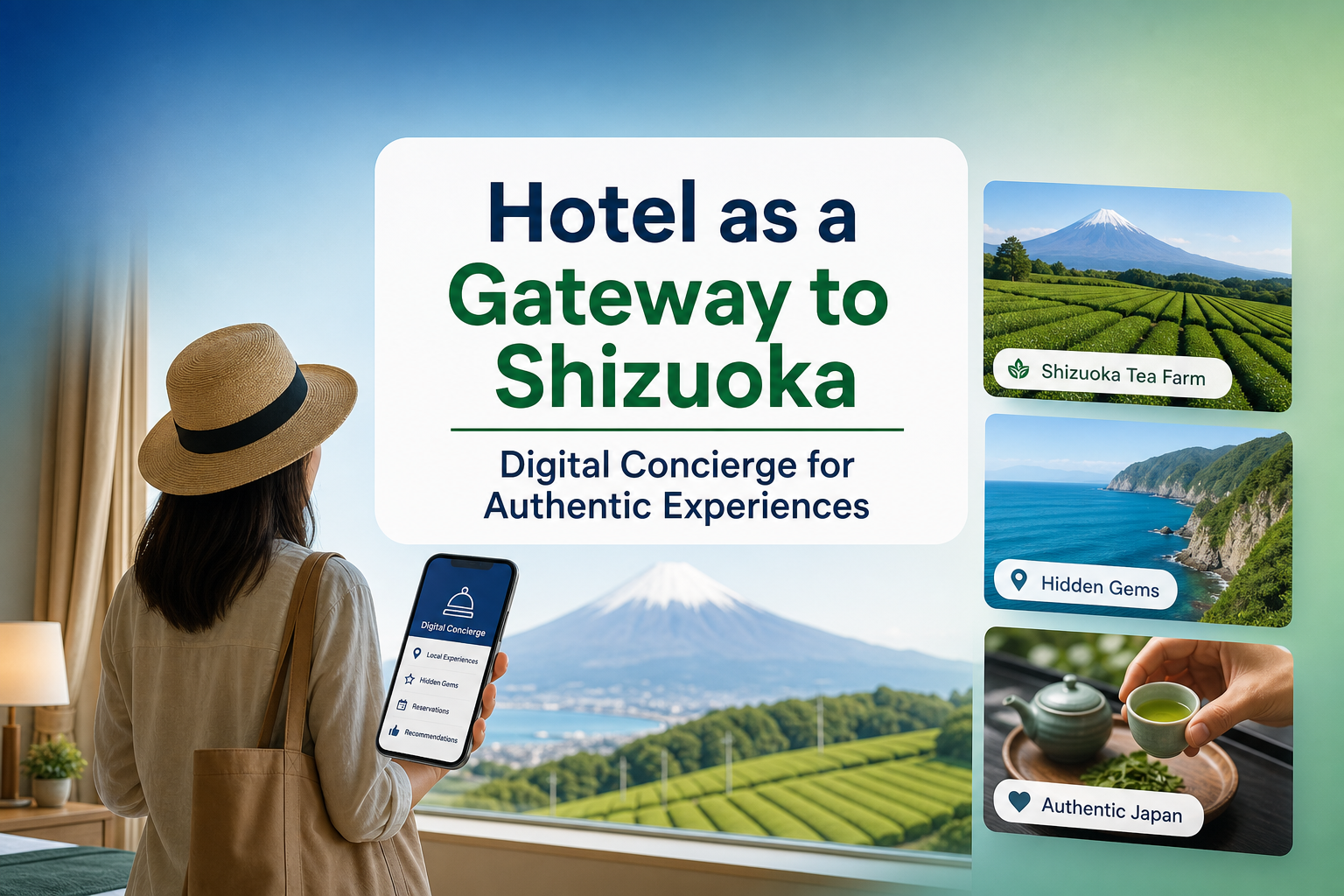
International travelers do not just book a room; they book a destination. For a hotel in Shizuoka to succeed on Instagram, it must act as a digital concierge for the entire region. By showcasing local hidden gems, such as a small tea farm in Aoi-ku or a quiet beach in Shimizu, you position your hotel as the gateway to an authentic Japanese experience. This builds trust and authority, making travelers more likely to choose your accommodation over a generic chain hotel.
Sharing ‘behind-the-scenes’ content of your staff interacting with the community or preparing local ingredients also humanizes your brand. This aligns with the ‘Glocal’ philosophy of connecting local charm with global audiences. When travelers see the faces and stories behind the service, their anxiety about language barriers or cultural differences decreases, leading to higher inquiry rates from overseas.
参考: Shizuoka inbound tourism marketing
How can you convert Instagram engagement into direct bookings and OTA reservations?
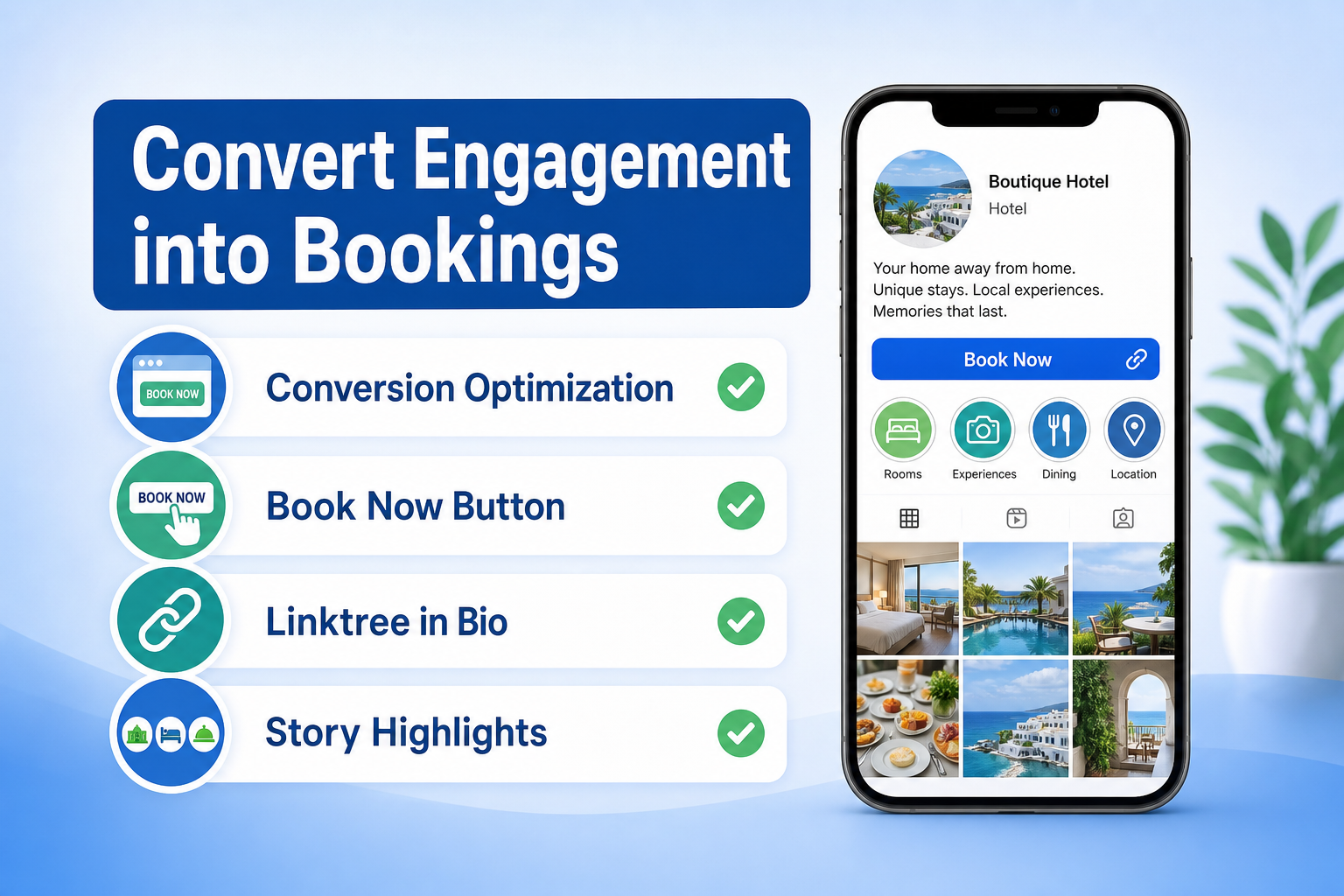
Engagement is a vanity metric unless it leads to revenue. To convert followers into guests, your profile must be optimized for action. This includes having a clear ‘Book Now’ button and a ‘Linktree’ or similar landing page in your bio that directs users to your official English website or popular OTAs like Booking.com and Airbnb. Since many travelers use Instagram as a search engine, your ‘Highlights’ should act as a menu, showcasing rooms, dining, access, and guest reviews.
Tracking the effectiveness of your efforts is crucial. While direct correlation between a ‘Like’ and a booking can be difficult to measure, monitoring metrics like ‘Saves’ and ‘Website Taps’ provides a clearer picture of purchase intent. In our experience at Glocal, hotels that actively engage with comments and direct messages in English see a significantly higher conversion rate compared to those who only post one-way content.

参考: direct bookings and OTA reservations、【飲食店向け】インスタ(Instagram)の予約機能のメリットと活用 …
Leveraging Influencer Collaborations for Inbound Growth
Collaborating with foreign travel influencers who are already in Japan can provide an immediate boost in visibility. These creators know how to translate the charm of a traditional Japanese inn into a format that resonates with their global audience. For example, some accommodation providers that partnered with foreign influencers have seen a significant increase in inquiries by showcasing the property through the eyes of a traveler, rather than a business owner.
When selecting an influencer, look beyond follower counts. Engagement rates and the ‘quality’ of their audience are more important. A micro-influencer who specializes in ‘off-the-beaten-path Japan’ may drive more high-quality bookings to a Shizuoka hotel than a massive lifestyle influencer with a generic global following. Authentic storytelling is the most effective way to build the trust necessary for international travelers to click ‘Book.’
The Power of Reels: Capturing Attention in the First 3 Seconds
As of 2026, the Instagram algorithm heavily prioritizes Reels, making video content essential for any hotel’s marketing strategy. To be effective, a Reel must capture the viewer’s attention within the first 3 seconds. For a hotel, this could be the steam rising from an onsen, the opening of a sliding fusuma door to reveal a mountain view, or the vibrant sizzle of local Shizuoka beef on a grill.
You do not always need professional camera gear to succeed with Reels; high-quality smartphone footage can often feel more authentic and relatable. The key is to use trending audio (subtly) and ensure the video provides value, whether it is ‘3 reasons to visit Shizuoka’ or ‘A tour of our most popular suite.’ Consistent posting—at least twice a week—is the baseline for maintaining momentum in the current digital landscape.
Partner with Glocal by Shinker for Professional Inbound Marketing
Navigating the complexities of multilingual social media management can be overwhelming for busy hotel owners. At Glocal by Shinker, we specialize in bridging the gap between local Shizuoka hospitality and the global travel market. From English Instagram management to OTA optimization on platforms like Booking.com and Airbnb, our team provides data-driven strategies that deliver measurable results for regional businesses.
We offer flexible pricing plans tailored to the needs of accommodation providers. Detailed pricing and service options are available upon request. Let us help you showcase the unique charm of Shizuoka to the world and achieve sustainable growth in the international tourism market.
- Expert Team: Led by CEO Hikaru Soneda, our specialists bring international experience and deep knowledge of Shizuoka’s tourism resources.
- Proven Results: Our clients have seen significant increases in international inquiries and brand recognition through our targeted digital strategies.
- Full-Service Support: From content creation and professional photography to OTA optimization and English communication support.
Frequently Asked Questions
Q1. What is inbound hotel Instagram marketing?
It is a strategy focused on using Instagram to attract international travelers to your hotel. Unlike domestic marketing, it involves tailoring visuals, language, and destination information to appeal specifically to the preferences and needs of foreign guests.
Q2. Is it better to have one global account or separate accounts for different languages?
While separate accounts allow for deep localization, many hotels find success with a single account using multilingual captions. This approach consolidates your total follower count and engagement, making the profile look more popular and trustworthy to all international visitors.
Q3. How should visual styles differ when targeting Western versus Asian travelers?
Western travelers often prefer authentic, wide-angle shots of scenery and unique cultural experiences. In contrast, many Asian travelers appreciate high-quality ‘Instagrammable’ spots, detailed food photography, and clear visuals of room amenities that help them plan their stay.
Q4. What kind of English captions work best for attracting tourists?
Avoid using robotic, direct translations of Japanese text. Instead, use natural English that highlights the ‘experience’ of the stay. Focus on helpful information like nearby landmarks, transportation tips, and clear calls-to-action that encourage users to visit your website.
Q5. How can a hotel turn Instagram followers into actual room bookings?
You can convert engagement by placing a direct booking link in your bio and using ‘Highlight’ bubbles to show room types and prices. Tagging your location and using clear ‘Book Now’ buttons in stories helps bridge the gap between browsing and reserving.