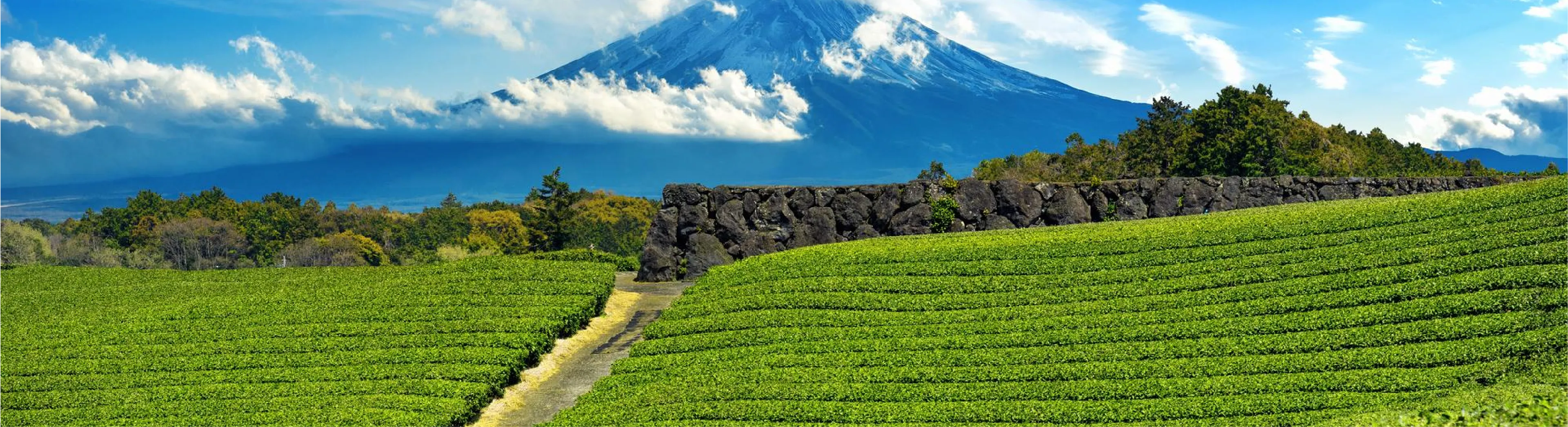
Maximize your Shizuoka photoshoot with strategies for Mt. Fuji visibility, private tea field permits, and professional tips to boost inbound tourism bookings.

Capturing the perfect Shizuoka photoshoot is often a challenge for business owners who struggle with unpredictable weather patterns and the complexities of accessing private agricultural lands.
This guide provides tactical strategies for maximizing Mt. Fuji visibility, securing exclusive tea field permits, and leveraging professional imagery to drive measurable inbound tourism growth.
How can you maximize Mt. Fuji visibility for a Shizuoka photoshoot?
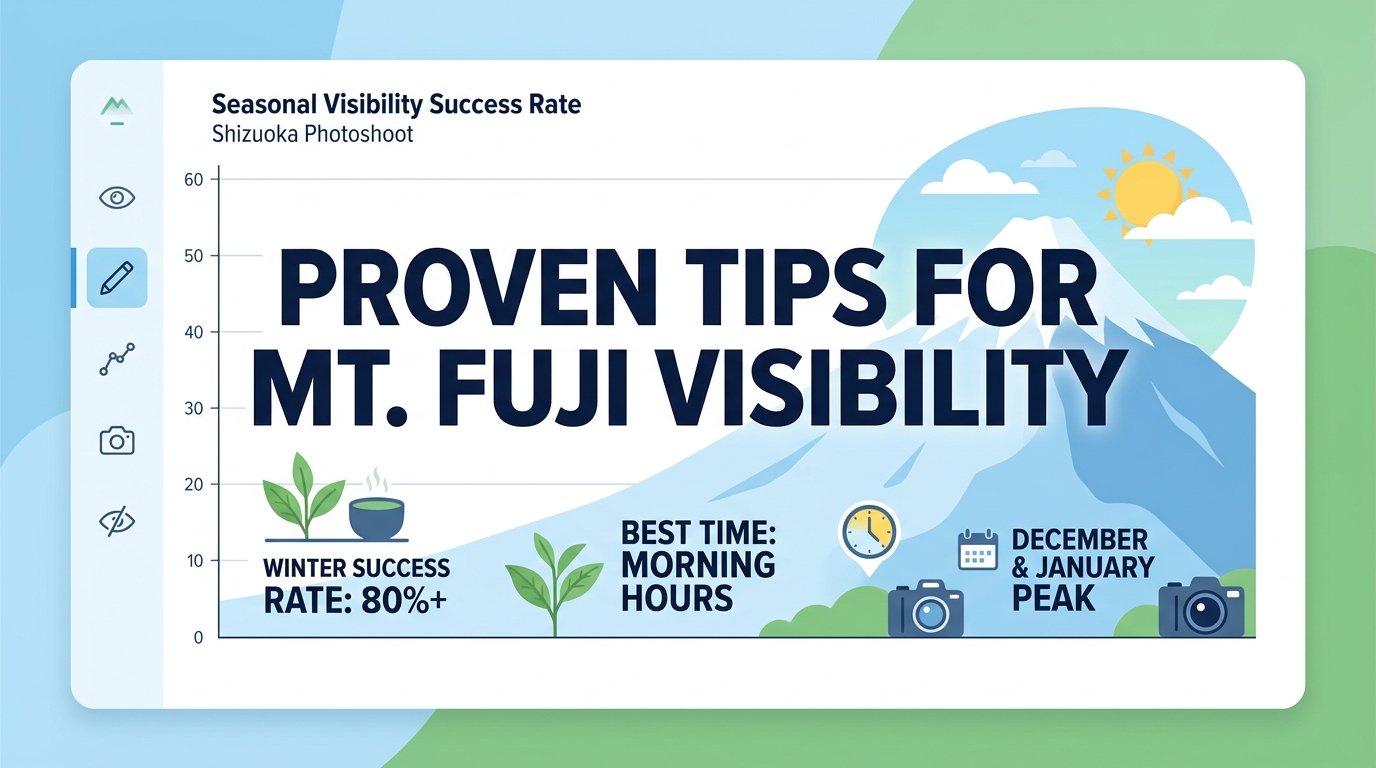
Achieving a successful Shizuoka photoshoot featuring Mt. Fuji requires a data-driven approach to timing and atmospheric conditions. The probability of seeing the mountain clearly fluctuates significantly by season, with the winter months of December and January offering the highest visibility rates, often exceeding 80% during the morning hours. Conversely, the summer months are notorious for haze and cloud cover, which can obscure the peak for days at a time, making professional planning essential for any marketing campaign.
Morning shoots are the primary tactic for ensuring the mountain is visible before thermal clouds develop in the afternoon. Professional photographers in Shizuoka typically recommend starting sessions within two hours of sunrise to capture the ‘Blue Hour’ or ‘Golden Hour’ light, which provides the softest shadows and most vibrant colors for landscape portraits. By monitoring real-time visibility apps and live camera feeds from the Shizuoka Prefectural Government, businesses can make last-minute adjustments to their shooting schedule to ensure the best results.
Tactical Visibility Planning for Professional Results
undefined
undefined
- Seasonal Selection: Prioritize the months between November and February for the crispest air and the most consistent snow-capped peak visibility.
- Early Morning Scheduling: Begin photoshoots at dawn to avoid the afternoon cloud buildup that frequently obscures the mountain peak.
- Live Monitoring: Use local live-cam data and weather apps specifically calibrated for the Fuji region to confirm clarity before departing.
- Location Redundancy: Always have a ‘Plan B’ location that features traditional architecture or tea culture that does not rely on mountain visibility.
- Professional Equipment: Utilize polarizing filters and high-dynamic-range (HDR) techniques to manage the extreme light contrast between the sky and the landscape.
Why are permits required for professional photography in Shizuoka’s private tea fields?

Securing official permits is the most critical step for any Shizuoka photoshoot occurring within the prefecture’s iconic tea plantations. Most of these stunning green landscapes are privately owned working farms where unauthorized entry can disrupt delicate agricultural operations or damage expensive tea bushes. Respecting local ownership through formal agreements not only ensures a smooth production but also builds the trust necessary to access the most photogenic, ‘hidden-gem’ locations that are off-limits to the general public.
The permit process often involves direct negotiation with local agricultural cooperatives or individual land owners who are rightfully protective of their heritage. At Glocal, we manage these relationships by emphasizing the benefit of high-quality visual marketing for the region’s inbound tourism. By obtaining legal permission, businesses avoid the risk of being asked to leave mid-shoot, which can be costly and damaging to a brand’s reputation among the local community in Shizuoka.
Navigating Agricultural Etiquette and Regulations
undefined
undefined
参考: 静岡県の文化的景観総合調査報告書
What is the most efficient route for a one-day Shizuoka photography tour?
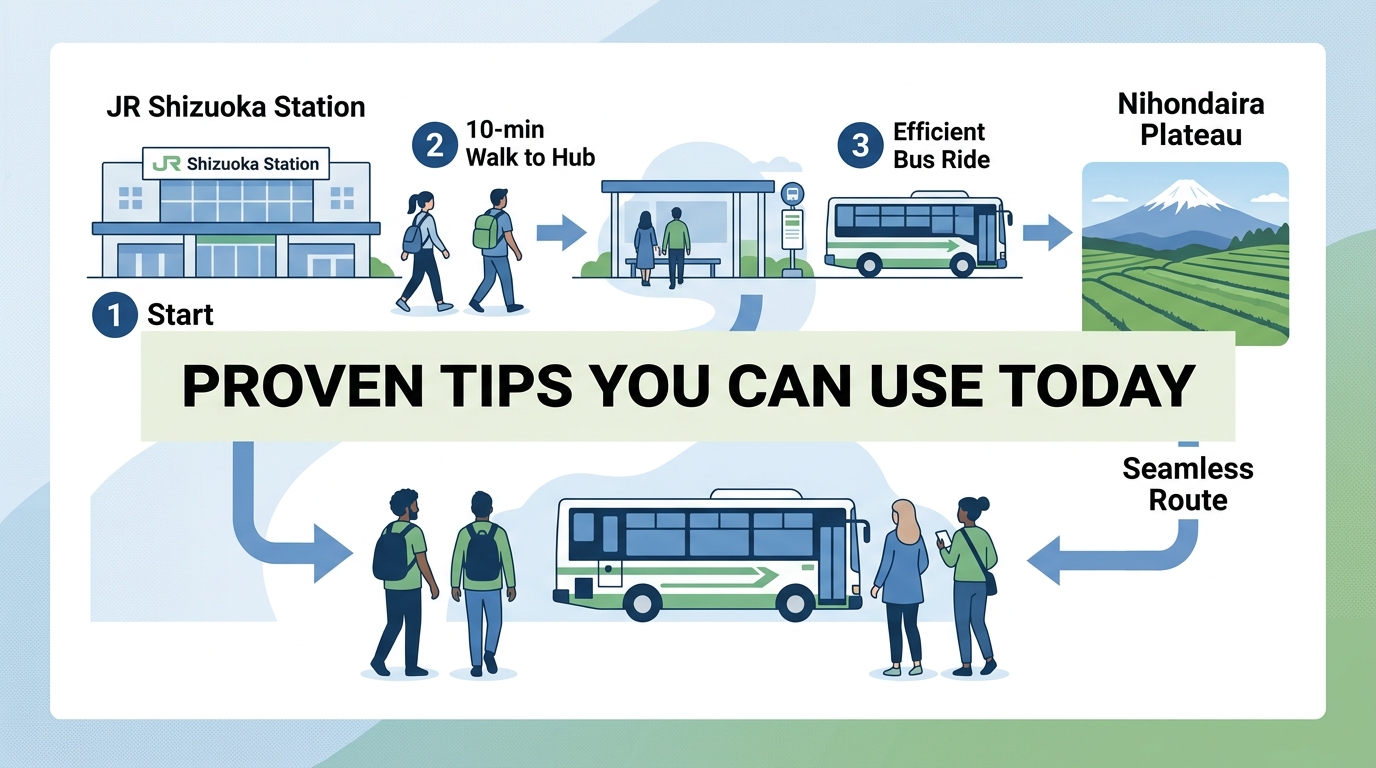
An efficient Shizuoka photoshoot route must be anchored by the logistical hub of JR Shizuoka Station to minimize travel time between diverse locations. Starting from the North Exit, which is just a 10-minute walk from our Glocal office, allows for a seamless transition to the Nihondaira plateau. This elevated vantage point provides a panoramic view of Suruga Bay and Mt. Fuji, making it an ideal first stop for morning light before moving toward the coastal beauty of Miho no Matsubara.
Following the coastal shots, the route should head north toward the Fuji City area, where the most famous tea field vistas are located. This transition takes approximately 45 to 60 minutes by car, allowing for a midday break at a local restaurant or cafe to capture lifestyle and food photography. By clustering locations geographically, a professional crew can capture three distinct environments—urban, coastal, and agricultural—within a single eight-hour window, maximizing the volume of content produced.
| Time | Location | Target Imagery |
|---|---|---|
| 07:00 AM | Nihondaira Plateau | Sunrise, Mt. Fuji Panorama |
| 09:30 AM | Miho no Matsubara | Coastal Pine Forest, Ocean Views |
| 12:00 PM | Shizuoka City Center | Local Cuisine, Lifestyle Photography |
| 02:30 PM | Fuji City Tea Fields | Green Tea Rows with Fuji Backdrop |
| 05:00 PM | Shizuoka Station Area | Evening Urban Glow, Transit Content |
How do professional photoshoots drive inbound bookings for Shizuoka hotels and restaurants?

Professional photography is the cornerstone of high-converting inbound marketing because it establishes immediate visual trust with international travelers. For a hotel in Shizuoka, high-quality images of the facility, combined with iconic local landmarks like Mt. Fuji, create a compelling narrative that encourages users to book directly. Our results show that businesses using professional visual content see a significant increase in engagement on OTA platforms like Booking.com and Airbnb compared to those using smartphone photography.
Case studies from our own clients demonstrate the power of a well-executed Shizuoka photoshoot. For example, a local ryokan manager reported that after optimizing their OTA listings with professional English-language content and new photography, they received more inquiries from international guests than ever before. Similarly, a restaurant owner who implemented our multilingual marketing strategy saw their establishment become a popular destination for inbound travelers who discovered their visually appealing menu on Google Maps and Instagram.
Visual Storytelling as a Conversion Tool
undefined
undefined
出典・参考: 静岡県産業振興財団の経営革新計画認定事例
What are the best seasonal windows for a Shizuoka photoshoot?
Selecting the right seasonal window is paramount for achieving the specific aesthetic desired for a Shizuoka photoshoot. The spring season, particularly early April, offers the rare opportunity to capture the ‘triple crown’ of Japanese imagery: cherry blossoms, green tea fields, and a snow-capped Mt. Fuji. This period is highly sought after by international brands and requires booking services at least three to four months in advance to secure the best dates and locations.
The early summer window in May is the peak for vibrant green tea photography, as the first flush (shincha) creates a brilliant, neon-green carpet across the hills of Shizuoka. While the mountain may be less visible than in winter, the sheer intensity of the agricultural landscape provides a stunning backdrop for food and beverage brands or wellness-focused tourism businesses. In contrast, the autumn months of November bring clear skies and fiery maple leaves, offering a more contemplative and traditional atmosphere for travel portraits.
How do multilingual captions and SEO enhance the value of Shizuoka photoshoot content?
A Shizuoka photoshoot only reaches its full potential when the resulting images are paired with a robust multilingual SEO strategy. Simply posting a beautiful photo on Instagram is not enough to attract international visitors; the content must be discoverable through keywords that travelers actually use, such as ‘best Mt. Fuji views’ or ‘Shizuoka tea experience.’ By optimizing image alt-text, captions, and hashtags in English, we ensure that your visual assets work as hard as possible to drive traffic to your website.
Our restaurant marketing plans, ranging from ¥120,000 to ¥350,000 per month, specifically include English Instagram management and YouTube Shorts creation to leverage these photos. By using data-driven insights to determine which images resonate most with international audiences, we help local businesses grow their online visibility sustainably. This approach ensures that the investment in a professional photoshoot translates into tangible business growth, such as increased foot traffic and higher reservation volumes.
How Glocal supports Shizuoka businesses through professional visual marketing.
Glocal by Shinker is dedicated to connecting Shizuoka with the world through high-impact inbound marketing and professional photography services. Based in the heart of Shizuoka City at the Oak Shizuoka Building, our team combines local expertise with global marketing standards to help hotels and restaurants thrive. We understand the unique challenges of regional businesses and provide practical, data-driven solutions that simplify the process of attracting international travelers.
Our comprehensive service packages are designed to fit the needs of various business scales, from small cafes to large accommodation facilities. With our Economy plans starting at ¥50,000 per month for accommodations and ¥120,000 for restaurants, we make professional inbound marketing accessible. We handle everything from the initial Shizuoka photoshoot and permit acquisition to multilingual social media management and OTA optimization, providing a one-stop shop for tourism growth.
Ready to attract more international visitors? Contact Glocal today for a free consultation and discover a customized inbound marketing strategy for your business. Whether you need a professional Shizuoka photoshoot to refresh your brand or a complete overhaul of your English-language digital presence, our experts are here to help you achieve sustainable growth in the international travel market. Visit our office in Gofuku-cho or reach out through our website contact form to begin your project.
Frequently Asked Questions
Q1. What is a Shizuoka photoshoot?
A Shizuoka photoshoot is a professional photography session set in Shizuoka, Japan. These sessions usually focus on capturing the area’s most famous landmarks, primarily the iconic Mt. Fuji and the lush green tea fields, to create high-quality visual content for travelers or businesses.
Q2. How can visibility for Mt. Fuji be improved during a shoot?
To get the best view, monitor visibility apps and schedule your shoot for the early morning when the mountain is most likely to be clear. Choosing locations with unobstructed views and having a flexible plan helps manage the unpredictable weather patterns that often hide the peak.
Q3. Why are permits necessary for shooting in tea fields?
Tea fields are private farms, not public parks. Permits are required to protect the crops from damage and to respect the owners’ property. Getting official permission ensures that photographers can work safely without interrupting agricultural activities or trespassing on restricted land.
Q4. How do professional photos benefit Shizuoka businesses?
High-quality images of local scenery attract international tourists looking for unique experiences. By featuring these photos on websites and social media, hotels and restaurants can build trust and excitement, leading to more bookings from travelers who want to visit the beautiful spots shown in the pictures.
Q5. What is the best way to plan a one-day photography trip?
Focus on a route that minimizes travel time between key locations. Start early at a Mt. Fuji viewpoint for the best lighting, then head to a nearby private tea field. Planning your stops in a logical geographical order ensures you spend more time taking photos.