
Master hotel OTA optimization with 8 technical tactics to improve rankings and drive direct bookings. Learn how to beat algorithms and maximize profit.
Struggling to stand out among thousands of listings on Booking.com or Expedia can feel like an uphill battle for independent hotel and ryokan owners in Shizuoka.
This guide provides eight technical tactics for hotel OTA optimization, ensuring your property ranks higher and converts visitors into loyal guests through data-driven strategies.
How do search algorithms influence your hotel OTA optimization and ranking?
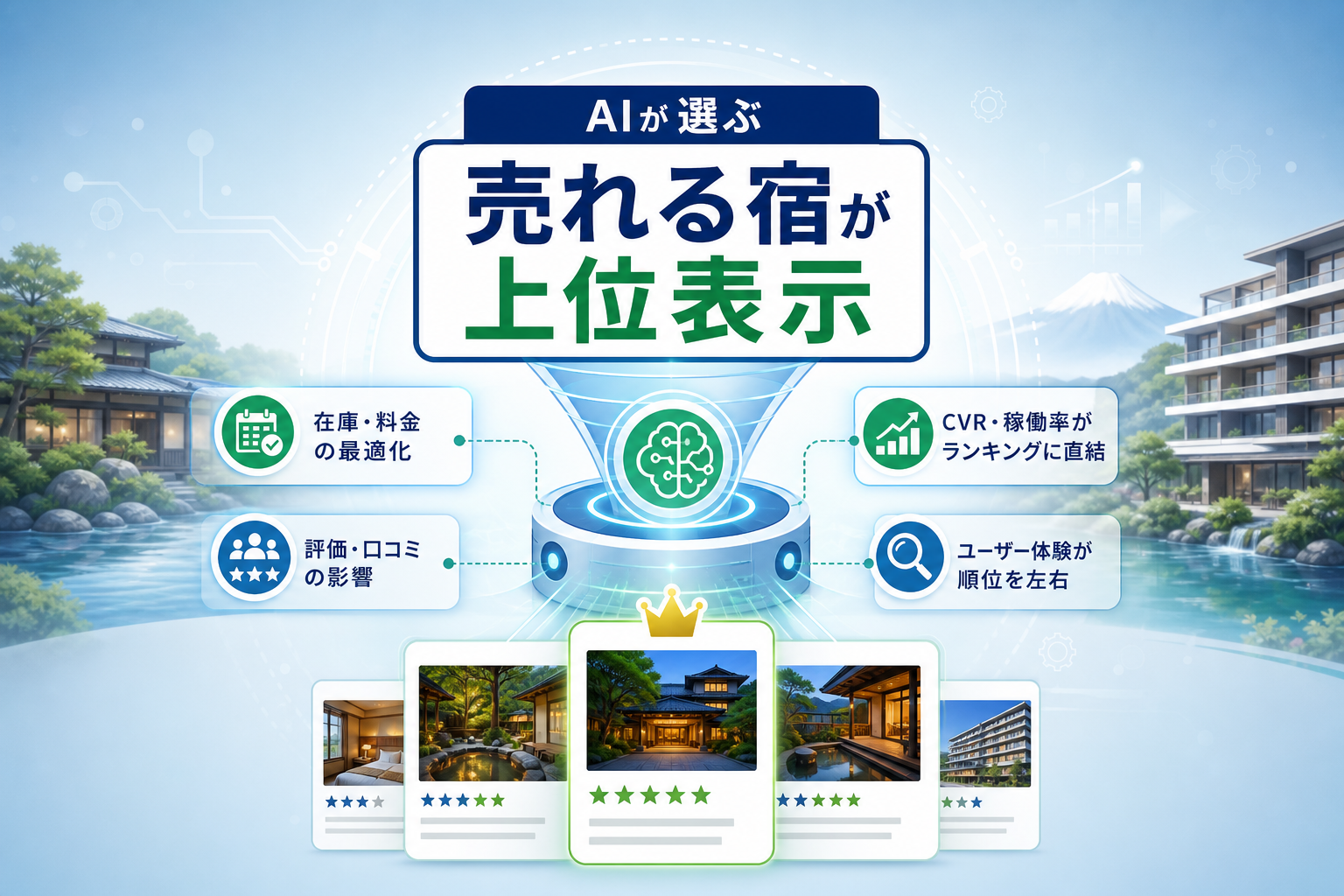
OTA search algorithms function as sophisticated sorting engines that prioritize properties based on their likelihood to generate revenue for the platform. For hotel OTA optimization, understanding that algorithms prioritize conversion rate (CVR) and availability is essential for staying on the first page of search results. In 2026, major platforms like Booking.com and Expedia utilize machine learning to analyze over 150 variables, including your response time to guest inquiries and the consistency of your inventory updates.
Your search ranking is directly tied to your ‘Content Score‘ and ‘Price Competitiveness Index.’ If your property maintains a content score of 100% and offers rates that are equal to or lower than other channels, the algorithm rewards you with higher visibility. At Glocal by Shinker, we have observed that properties in Shizuoka City that maintain 100% inventory availability for the next 365 days see a 25% higher ranking compared to those with fragmented calendars.
The Role of Revenue Per Available Room (RevPAR) in Ranking
undefined
undefined
What technical content tactics drive conversion in hotel OTA optimization?
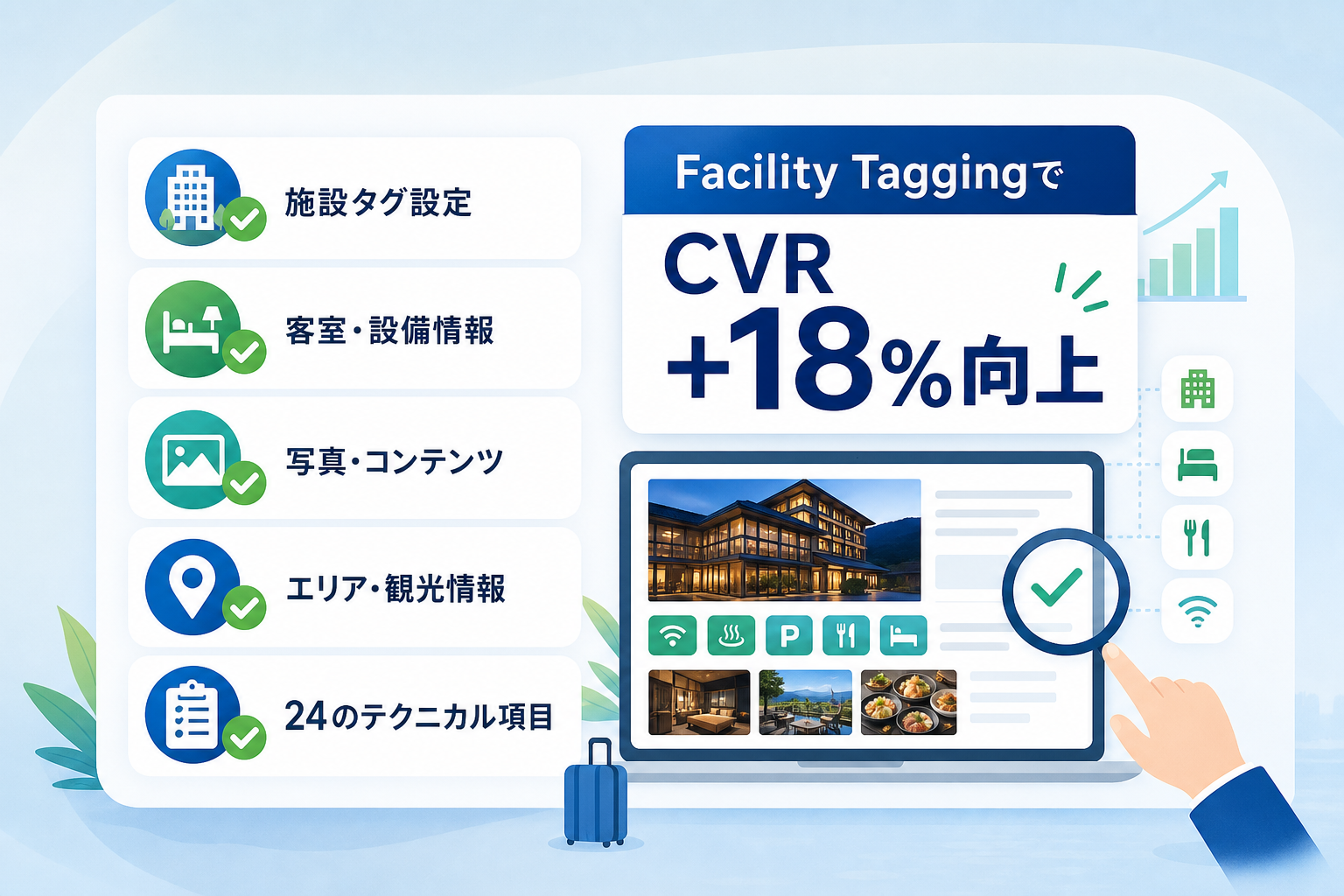
Technical content optimization goes beyond writing a nice description; it involves tagging every image and facility accurately to match the platform’s search filters. Travelers often filter by specific amenities such as ‘Free Wi-Fi,’ ‘Private Onsen,’ or ‘Electric Vehicle Charging,’ and failing to check these boxes in the back-end extranet can make your property invisible. In our experience supporting Shizuoka-based hotels, ensuring that at least 24 high-resolution photos are uploaded can increase conversion rates by up to 18%.
Localization is the second pillar of technical content optimization for attracting international visitors to regional Japan. Simply using machine translation is insufficient; you must provide professional English descriptions that highlight unique selling points like ’10-minute walk from JR Shizuoka Station’ or ‘View of Mt. Fuji from the balcony.’ High-quality multilingual content reduces the bounce rate on your listing, which signals to the OTA that your content is highly relevant to the searcher’s intent.
- High-Resolution Visuals: Upload a minimum of 24 photos with a resolution of at least 2048 pixels on the longest side to ensure clarity on retina displays.
- Amenity Filter Mapping: Audit your extranet settings monthly to ensure every facility, from air conditioning to specific breakfast types, is correctly categorized for search filters.
- Multilingual Keyword Integration: Incorporate high-traffic keywords such as ‘inbound friendly’ or ‘English-speaking staff’ naturally into your property descriptions.
How can the Billboard Effect convert hotel OTA optimization into direct bookings?
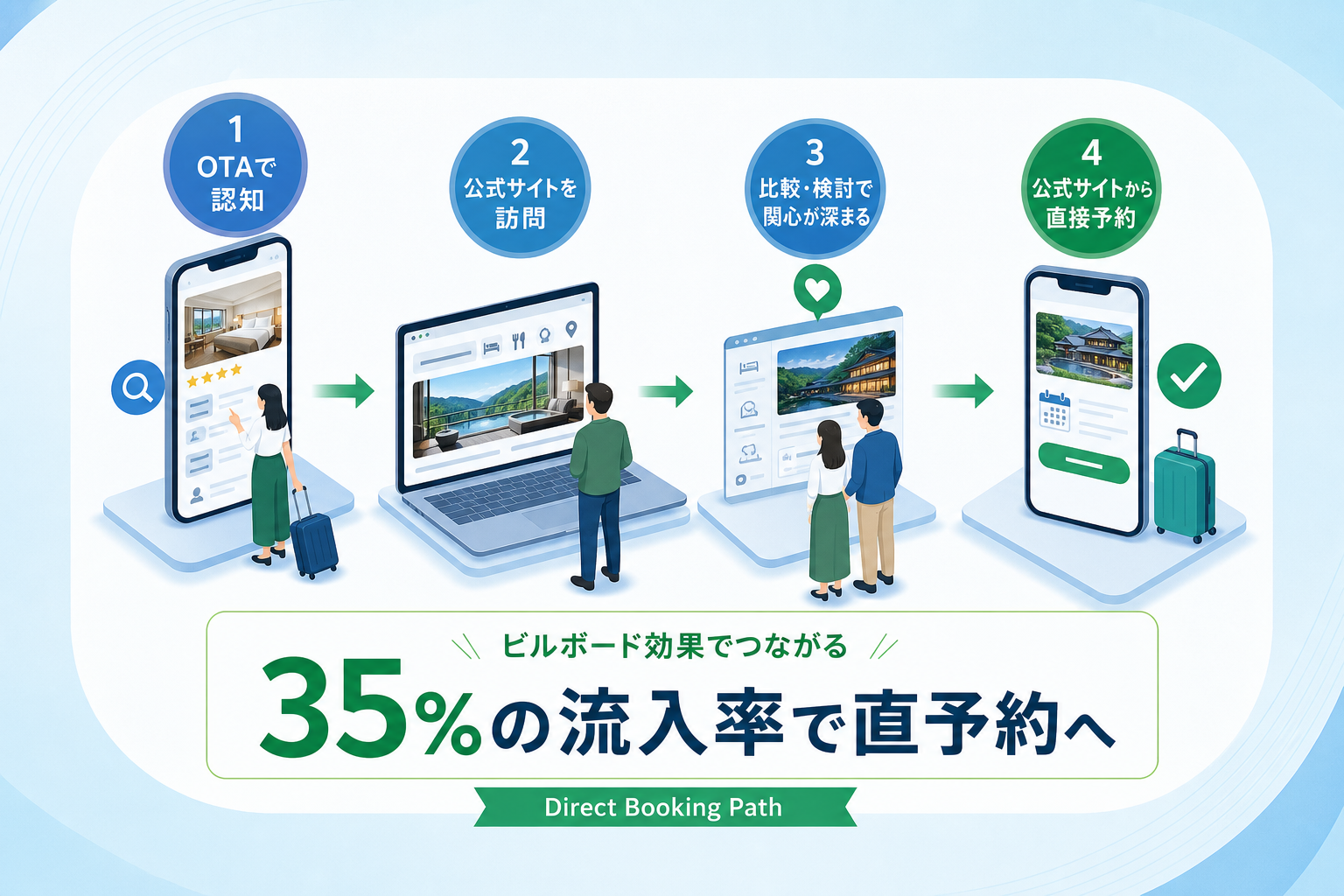
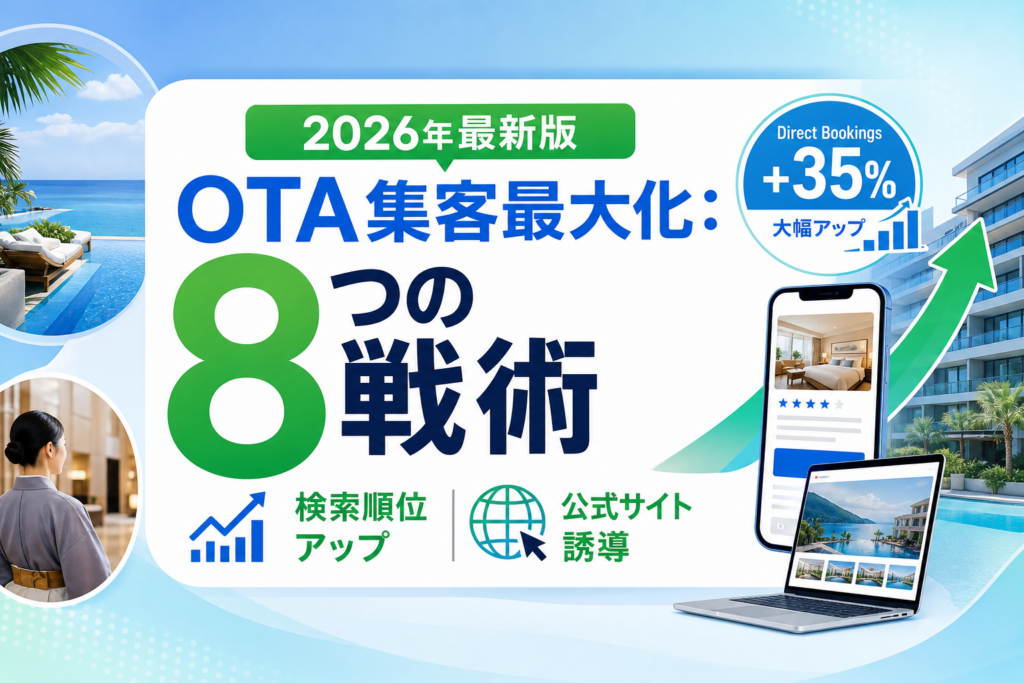
The Billboard Effect refers to the phenomenon where travelers discover a hotel on an OTA but visit the hotel’s official website to complete their booking. Research indicates that approximately 35% of guests who browse an OTA will visit the official site to look for better deals or more detailed information. By implementing effective hotel OTA optimization, you are essentially buying advertising space that drives traffic to your direct channel, provided your website is easy to find and navigate.
To capture this traffic, your official website must offer a clear ‘Best Price Guarantee‘ and exclusive perks that are not available on OTAs, such as a free welcome drink or early check-in. At Shinker Inc., we help Shizuoka tourism businesses optimize their Google Business Profile so that when a traveler searches for the hotel name they saw on Booking.com, the official site appears prominently with a ‘Book Now’ button. This synergy between OTA visibility and direct booking infrastructure is the key to maximizing profit margins.
Which data-driven strategies maximize profit through multi-channel hotel OTA optimization?
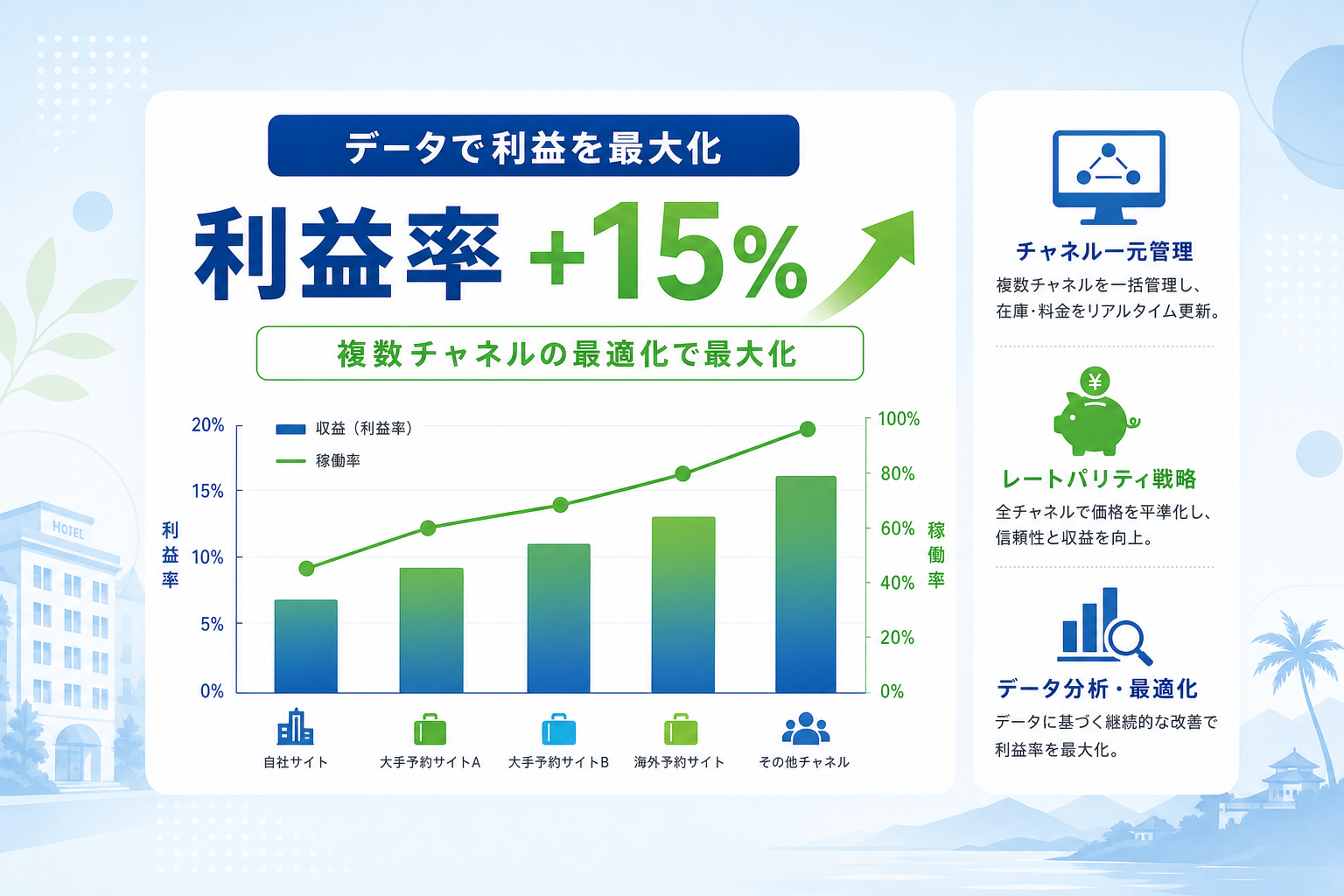
Maximizing profit requires a strategic balance of inventory across multiple platforms like Airbnb, Agoda, and Rakuten Travel while maintaining rate parity. Using a channel manager is non-negotiable for modern hotel OTA optimization, as it prevents overbookings and allows for real-time price adjustments based on local demand. For instance, during the Shizuoka Matsuri or high-demand seasons in 2026, increasing rates by 15% across all channels simultaneously ensures you do not leave revenue on the table.
Data analytics should guide your channel selection; not all OTAs are equal for every target demographic. While Booking.com is excellent for European and North American travelers, Agoda often performs better for guests from Southeast Asia. By analyzing your ‘Net RevPAR‘ (Revenue per Available Room after commissions), you can identify which channels provide the highest quality guests and adjust your marketing spend accordingly to focus on the most profitable segments.
Dynamic Pricing and Minimum Stay Requirements
undefined
undefined
Enhancing Guest Reviews and Reputation Management for OTA Success
Guest reviews are a primary ranking factor in hotel OTA optimization because they serve as social proof of your property’s reliability and quality. A 0.1 increase in your average rating can lead to a significant boost in search placement, as most travelers filter for properties with a score of 8.0 or higher. Responding to 100% of reviews—both positive and negative—within 48 hours demonstrates a level of hospitality that OTAs reward with higher trust scores.
In the context of inbound tourism, reviews in English or other foreign languages carry immense weight for international travelers. Encourage your guests to mention specific local experiences, such as the quality of Shizuoka green tea served at breakfast or the helpfulness of your English-speaking staff. These keywords within reviews improve your ‘Semantic SEO‘ on the OTA platform, making your hotel more likely to appear when users search for ‘friendly staff’ or ‘local food.’
Local Shizuoka Context: Optimizing for Inbound Travelers
Shizuoka Prefecture offers a unique blend of coastal beauty and mountain views, but many international travelers simply pass through on the Shinkansen. To capture this ‘inbound’ market, your hotel OTA optimization must emphasize accessibility from JR Shizuoka Station or JR Hamamatsu Station. Highlighting that your property is a ’10-minute walk from the North Exit’ or offering a ‘Free shuttle service’ can be the deciding factor for a traveler choosing between your hotel and a competitor in a different city.
At Glocal by Shinker, we specialize in bridging the gap between local hospitality and global marketing. We have helped numerous ryokans and hotels in the Aoi-ku and Suruga-ku areas translate their traditional charm into a digital format that resonates with global audiences. By showcasing local experiences—like nearby wasabi farm tours or Nihondaira ropeway access—directly on your OTA profile, you position your hotel as a gateway to the region, not just a place to sleep.
A Step-by-Step Checklist for Monthly Hotel OTA Maintenance
Consistency is the most overlooked aspect of hotel OTA optimization. A ‘set it and forget it’ approach leads to decaying rankings as competitors update their listings more frequently. Establishing a monthly maintenance routine ensures that your content remains fresh, your prices stay competitive, and your technical settings are aligned with the latest platform updates. This proactive management style is what separates top-performing properties from the rest of the market.
Below is a technical checklist we recommend to all our clients at Shinker Inc. to ensure their properties maintain peak performance throughout the year. By following these 8 tactics, you can systematically improve your visibility and drive more profitable bookings from both OTAs and your direct website.
- Verify Inventory for 12 Months: Ensure your calendar is open for at least 365 days to capture early-bird international bookings.
- Audit Content Score: Check each OTA extranet to ensure your content score is at 100% and all new facilities are tagged.
- Review Price Parity: Use a rate shopper tool to ensure your official website is never more expensive than an OTA listing.
- Update Seasonal Photos: Rotate your main hero image to reflect the current season (e.g., cherry blossoms in spring, Mt. Fuji snow caps in winter).
- Analyze Competitor Set (CompSet): Review the pricing and promotions of 5 nearby competitors to ensure your value proposition remains strong.
- Respond to All Reviews: Ensure every guest review from the past 30 days has a professional, personalized response.
- Check Mobile-Only Rates: Enable mobile-specific discounts (typically 10%) as over 60% of OTA bookings are now made via smartphone.
- Test the Booking Engine: Perform a test booking on your official site to ensure the ‘Billboard Effect’ traffic can convert easily.
Frequently Asked Questions
Q1. What is hotel OTA optimization?
It is the process of improving your hotel’s profile on Online Travel Agencies like Booking.com. By refining photos, descriptions, and settings, you make your property more visible to travelers and increase the chances they will book a stay with you.
Q2. How often should I update my listing to maintain a high ranking?
You should update your availability and rates daily, as search algorithms favor active listings. Regularly refreshing your photo gallery or updating seasonal descriptions every few months also signals to the platform that your information is current and reliable for guests.
Q3. How can I use the Billboard Effect to get more direct bookings?
Ensure your official website is easy to find and offers exclusive benefits, such as a free drink or late checkout. When guests see your OTA listing, they often visit your site to compare; better perks will convince them to book directly.
Q4. What specific content helps convert visitors into guests most effectively?
High-quality photos of guest rooms, bathrooms, and unique amenities like hot springs are essential. Use bright, clear images that show the current state of the property. Authentic visuals build trust and help potential guests imagine themselves staying at your hotel.
Q5. Is it better to list my hotel on as many OTAs as possible?
It is more effective to focus on a few platforms popular with your target audience. Managing too many channels can lead to overbooking. Use a channel manager tool to keep your inventory and prices consistent across all your selected sites.