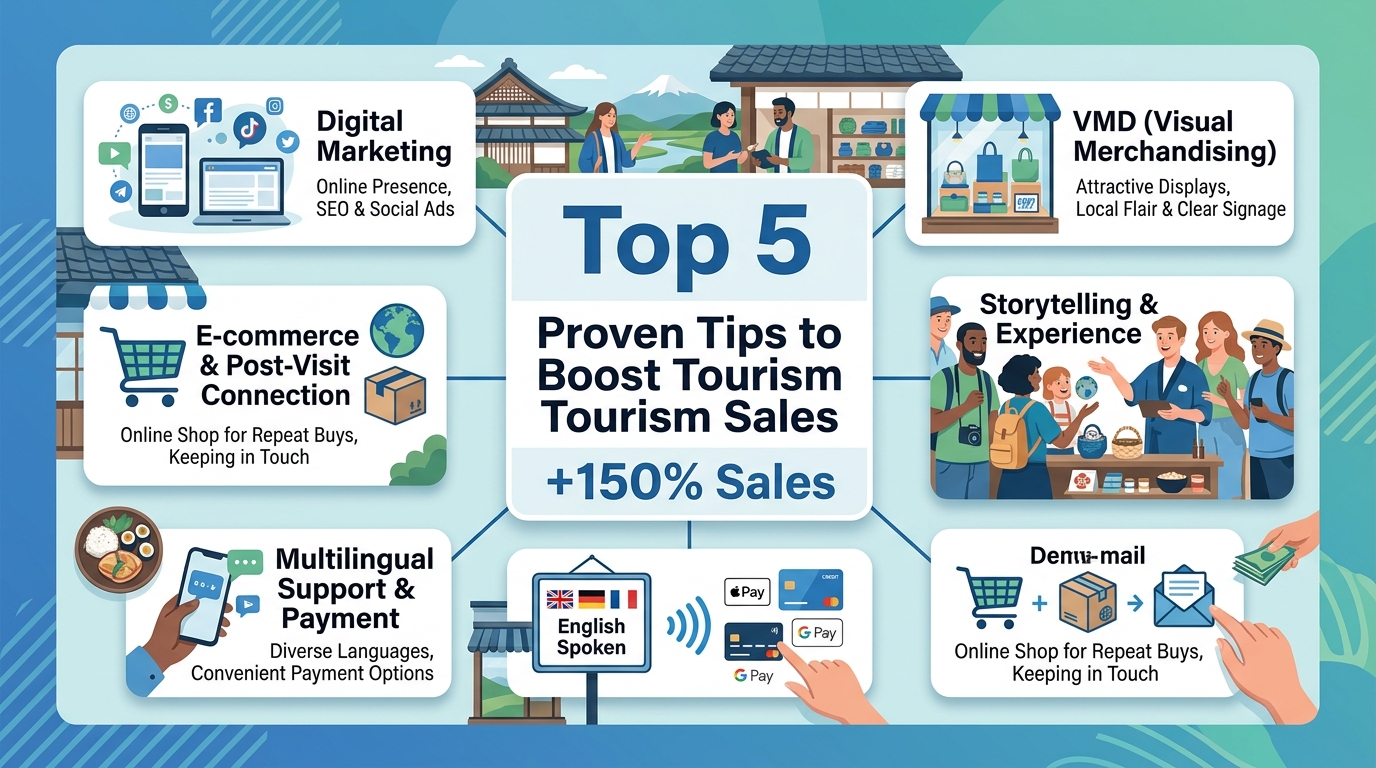
Learn how to attract foreign tourists to souvenir shops with 5 proven strategies. Optimize digital presence, store layout, and payments to increase sales today.
Many souvenir shop owners in regions like Shizuoka feel frustrated seeing crowds of international tourists pass their doors without stepping inside to make a purchase.
This guide provides five actionable strategies to optimize your digital presence and store layout, ensuring your shop becomes a must-visit destination for attracting foreign tourists to souvenir shops.
How can you optimize digital discovery to attract foreign tourists to souvenir shops?
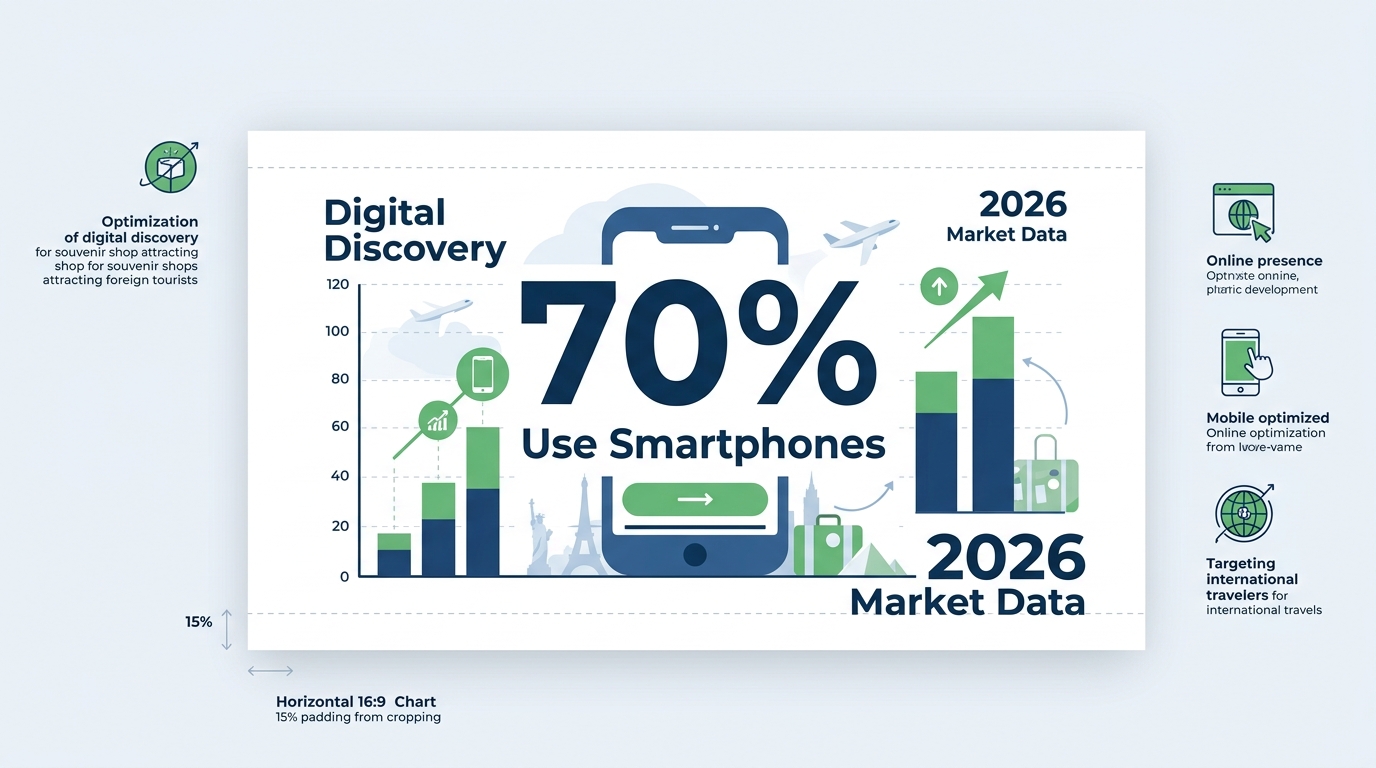
In the current travel landscape of 2026, digital discovery is the primary gateway to physical retail. Data indicates that approximately 70% of international travelers rely heavily on smartphones to find local businesses while on the move. For a souvenir shop to be successful, it must appear prominently on Google Maps and social media platforms long before the tourist reaches the storefront. Optimizing your Google Business Profile with multilingual descriptions and high-quality images is no longer optional; it is a fundamental requirement for visibility.
Visual platforms like Instagram and TikTok have become essential tools for ‘destination branding.’ By showcasing the unique atmosphere of your shop or the craftsmanship behind your products through short-form videos, you can create an emotional connection with potential visitors. For instance, a local business that consistently posts behind-the-scenes content can see a significant increase in direct inquiries from overseas travelers who want to experience that specific culture firsthand.
Mastering Google Maps for International Reach
undefined
参考: 訪日外国人の消費動向
What store layout and VMD techniques convert international visitors into buyers?
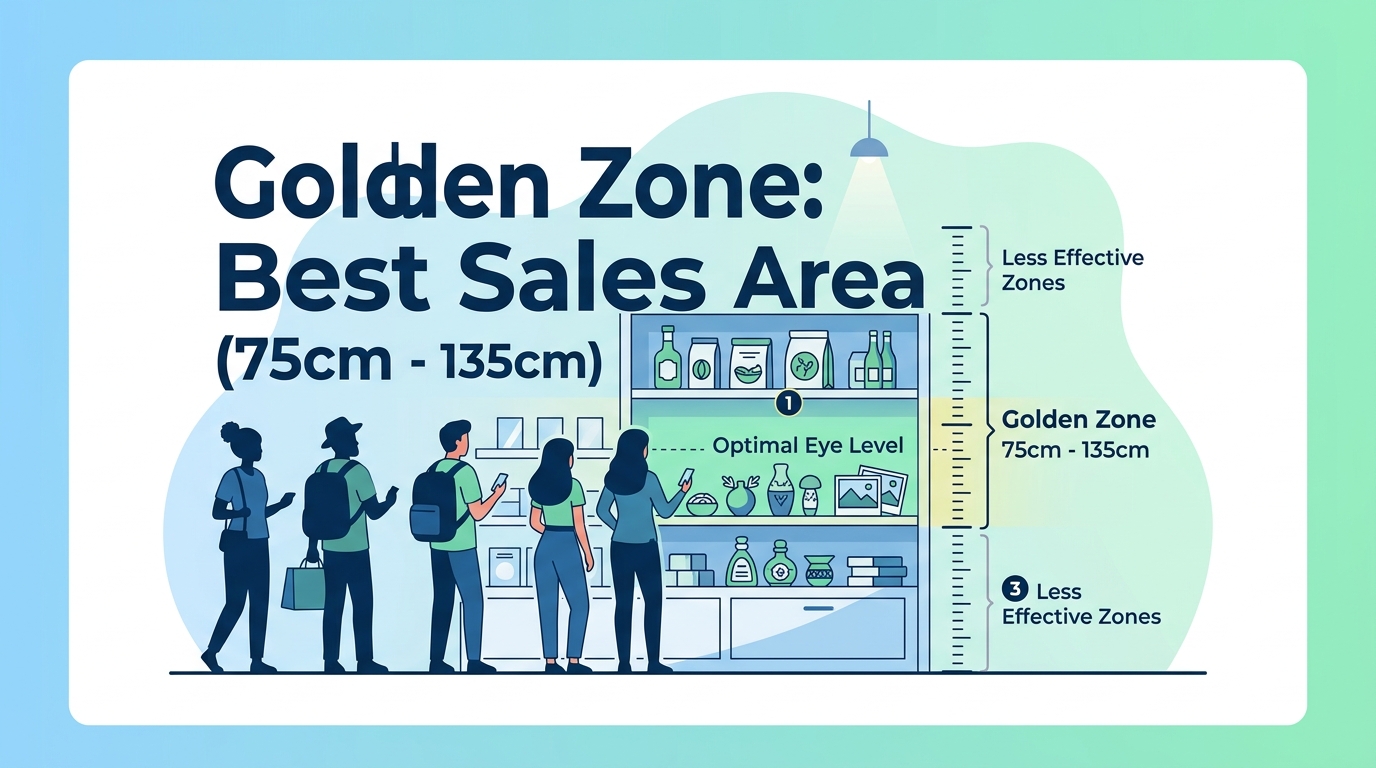
Once a tourist enters your shop, the layout must guide them toward a purchase through effective Visual Merchandising (VMD). A critical concept is the ‘Golden Zone,’ which refers to the shelf space located between 75cm and 135cm from the floor. This is the area most naturally aligned with the customer’s line of sight and reach. By placing high-margin or popular items like regional confectionery and traditional crafts within this zone, shops can significantly improve their conversion rates without increasing staff labor.
Creating a logical flow is equally important. International visitors often feel overwhelmed by dense Japanese retail displays. Organizing products by category—such as ‘Gifts for Family’ or ‘Traditional Shizuoka Tea’—helps them navigate the space efficiently. Clear signage that explains the ‘why’ behind a product can transform a simple item into a meaningful memento, encouraging customers to spend more time and money in your establishment.
- Utilize the Golden Zone: Ensure your most attractive and high-demand souvenirs are placed at eye level, specifically between 75cm and 135cm high, to maximize visibility and ease of access.
- Create Product Groupings: Group items based on traveler needs, such as ‘Easy-to-carry snacks’ or ‘Handmade local crafts,’ to simplify the decision-making process for shoppers.
- Highlight Bestsellers: Clearly mark your ‘Top 5’ items with English signage. Tourists often look for social proof and expert recommendations when they are unsure of what to buy.
Why does localized storytelling and sensory branding increase spending among international travelers?
International tourists are increasingly seeking ‘authentic’ experiences rather than generic products. This shift toward experiential consumption means that the story behind a souvenir is often as valuable as the item itself. By highlighting the ‘symbolism of the place‘—such as the specific history of a Shizuoka tea farm or the heritage of a local artisan—you provide the buyer with a narrative they can share with others. This emotional value often justifies a higher price point and increases overall per-customer spending.
Sensory branding plays a vital role in creating a memorable atmosphere. The aroma of freshly roasted green tea or the tactile experience of holding a piece of traditional pottery can trigger psychological impulses to buy. When a customer can taste, smell, or touch the products, their hesitation decreases. Providing small tasting samples or demonstration areas allows visitors to engage with the culture of the region, turning a simple transaction into a lasting memory of their trip.
How do multilingual POP and cashless payments remove barriers for international shoppers?
The most common reason for a lost sale in a souvenir shop is a ‘barrier to purchase,’ such as language confusion or payment limitations. Multilingual Point-of-Purchase (POP) advertising is essential. These signs should go beyond simple translation; they should explain the product’s benefits, ingredients (especially for those with dietary restrictions), and tax-free eligibility. Using AI tools can help create accurate English, Chinese, and Korean descriptions at a low cost, ensuring that no customer feels ignored due to a language gap.
In 2026, the expectation for seamless payment is universal. Many travelers from regions like Europe, North America, and China rarely carry significant amounts of cash. Offering a wide range of cashless options—including credit cards, mobile wallets, and QR code payments—is critical. Additionally, clearly displaying the ‘Tax-Free’ logo and providing a streamlined process for tax refunds can encourage larger bulk purchases, as travelers feel they are getting a better deal on premium items.
How can cross-border EC and reviews turn one-time visitors into repeat customers?
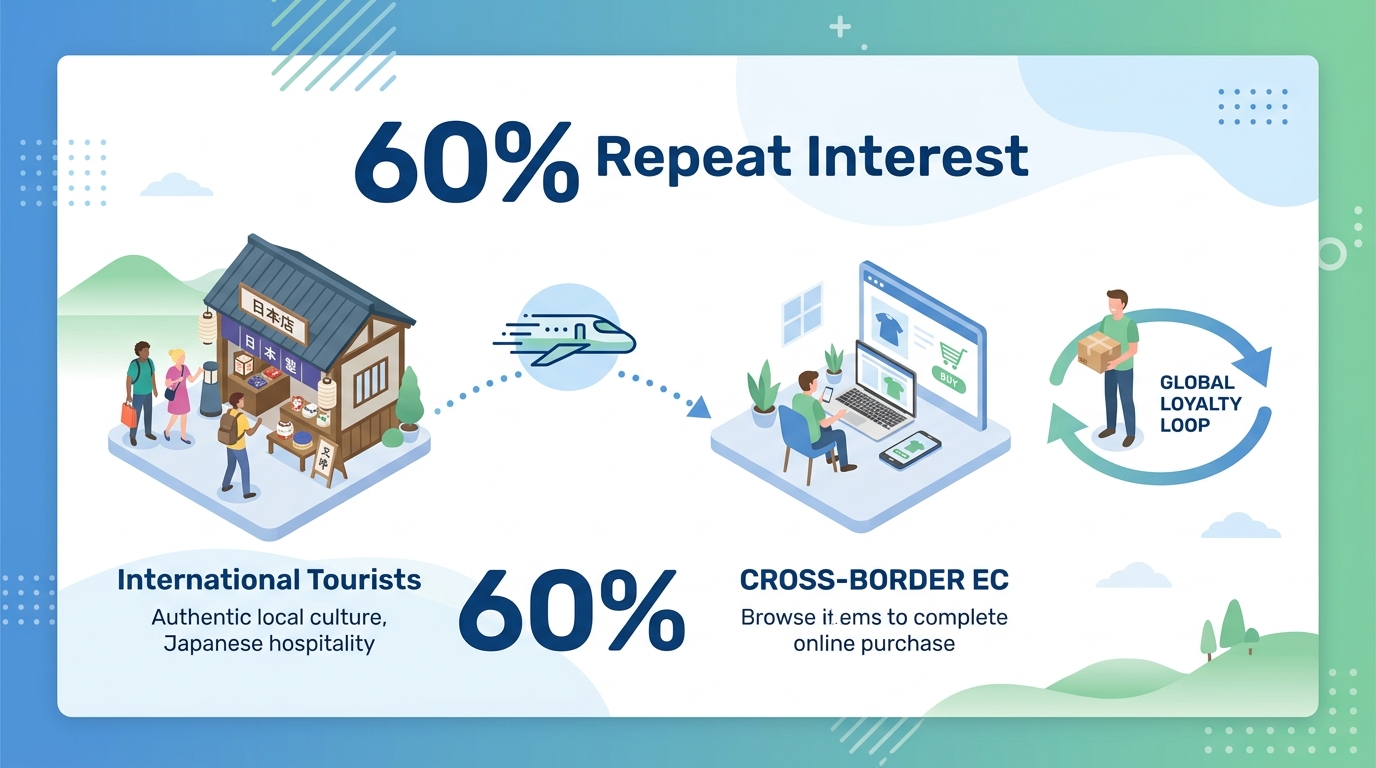
The relationship with an international tourist should not end when they leave your shop. Research into consumer behavior shows that over 60% of travelers who enjoyed a product during their trip are interested in purchasing it again once they return home. Establishing a cross-border E-commerce (EC) presence allows you to tap into this ‘repeat consumption‘ market. By including a small card with a QR code leading to your online store in every shopping bag, you turn a one-time visitor into a long-term brand advocate.
Furthermore, the ‘receiver’ of the souvenir—the friend or family member back home—represents a secondary market. If the packaging includes information about the shop’s origin and online availability, these individuals may also become customers. Encouraging visitors to leave reviews on global platforms like TripAdvisor or Google Maps ensures that their positive experience helps attract the next wave of tourists, creating a sustainable cycle of growth for your business.
What are the most popular souvenir categories for international tourists in 2026?
Understanding current trends is vital for inventory management. As of 2026, the top-selling category remains confectionery, particularly regional specialties that offer a sense of ‘exclusivity.’ Travelers are drawn to items they cannot find at home or even in other parts of Japan. Following snacks, high-quality Japanese cosmetics and pharmaceuticals continue to see strong demand due to the global reputation of Japanese brands for safety and efficacy. Shops that stock these essentials alongside local crafts often see higher overall traffic.
Character goods and anime-related items have also solidified their position as a top-three category. For shops in regions like Shizuoka, which serves as a backdrop for various cultural exports, leveraging this ‘pop culture’ connection can be a powerful draw. Finally, practical daily goods and traditional crafts that combine aesthetic beauty with utility—such as high-quality kitchenware or textiles—are particularly favored by Western tourists seeking sustainable and long-lasting mementos.
- Confectionery & Sweets: Local snacks with premium packaging. These are ideal for ‘omiyage’ culture and sharing with colleagues back home.
- Cosmetics & Health Care: High-quality, Made-in-Japan skincare and supplements that are trusted globally for their results.
- Character & Anime Goods: Items tied to Japan’s famous pop culture, especially those exclusive to a specific geographic region or ‘holy site’.
- Traditional Crafts & Lifestyle: Practical items like tea sets or textiles that represent Japanese artistry and can be used in daily life.
- Food, Alcohol & Beverages: Premium sake, Japanese whisky, and green tea that allow travelers to relive their culinary experiences.
出典・参考: 農林水産省による訪日客の土産物購買行動調査
Driving Sustainable Growth in Shizuoka: Our Success Stories
At Glocal by Shinker, we have seen firsthand how these strategies transform local businesses. For example, a tourism business we partnered with focused on promoting cultural experiences to international audiences. Through multilingual content creation and digital promotion, they expanded their global reach and significantly improved awareness. This project not only increased their immediate visitor numbers but also helped showcase the region’s unique value, supporting long-term sustainable tourism growth.
Our results extend to the hospitality and dining sectors as well. A regional hotel partnered with us to optimize their OTA listings and strengthen their social media marketing. By creating English-language content that resonated with overseas travelers, the hotel established a much stronger online presence and saw a marked increase in inquiries and brand recognition. Similarly, a local restaurant that implemented our Google Business Profile optimization saw its visibility skyrocket, making it a top dining destination for inbound travelers.
A Proven Roadmap for Local Retailers
undefined
Frequently Asked Questions
Q1. What is VMD in the context of a souvenir shop?
VMD stands for Visual Merchandising. It is the practice of organizing products and using attractive displays to improve a store’s appearance. By using specific layouts and lighting, you can guide foreign tourists through the shop and encourage them to pick up and buy items.
Q2. How can I improve digital discovery for my shop?
You can improve digital discovery by ensuring your shop appears on map apps and social media. Using keywords that international travelers search for and encouraging visitors to post photos helps tourists find your location online before they even arrive in your specific area.
Q3. Why are multilingual signs and cashless payments necessary?
These tools remove barriers that prevent people from buying. Multilingual signs explain product details clearly, while cashless payments allow tourists to pay using their preferred methods. This makes the shopping process faster and reduces the stress of handling unfamiliar foreign currency.
Q4. How does sensory branding encourage shoppers to spend more?
Sensory branding uses elements like local music, pleasant scents, or food tastings to engage a shopper’s senses. By creating a memorable atmosphere, you build an emotional connection with the tourist, making them more likely to value the product and spend more money.
Q5. How does cross-border EC turn tourists into repeat customers?
Cross-border EC, or international online shopping, allows tourists to buy your products after they return home. By providing a way to ship items internationally, you maintain a relationship with your customers, allowing them to enjoy your regional specialties even from another country.