
Attracting foreign tourists to restaurants doesn’t have to be stressful. Discover 5 tips and digital tools to grow your business with a professional strategy.
![Attracting Foreign Tourists to Restaurants [5 Stress-Free Growth Tips]](https://glocal-world.jp/glocal-cms/wp-content/uploads/2026/07/attract-foreign-tourists-restaurants-eyecatch-1-1024x683.png)
Many restaurant owners feel overwhelmed by the prospect of attracting foreign tourists to restaurants, fearing that language barriers and cultural differences will disrupt their daily operations and burnout their hard-working staff.
This guide provides five actionable, stress-free strategies to attract high-spending international visitors while maintaining your restaurant’s unique atmosphere and operational efficiency in the Shizuoka region.
How can restaurants attract high-value foreign tourists without increasing staff stress?
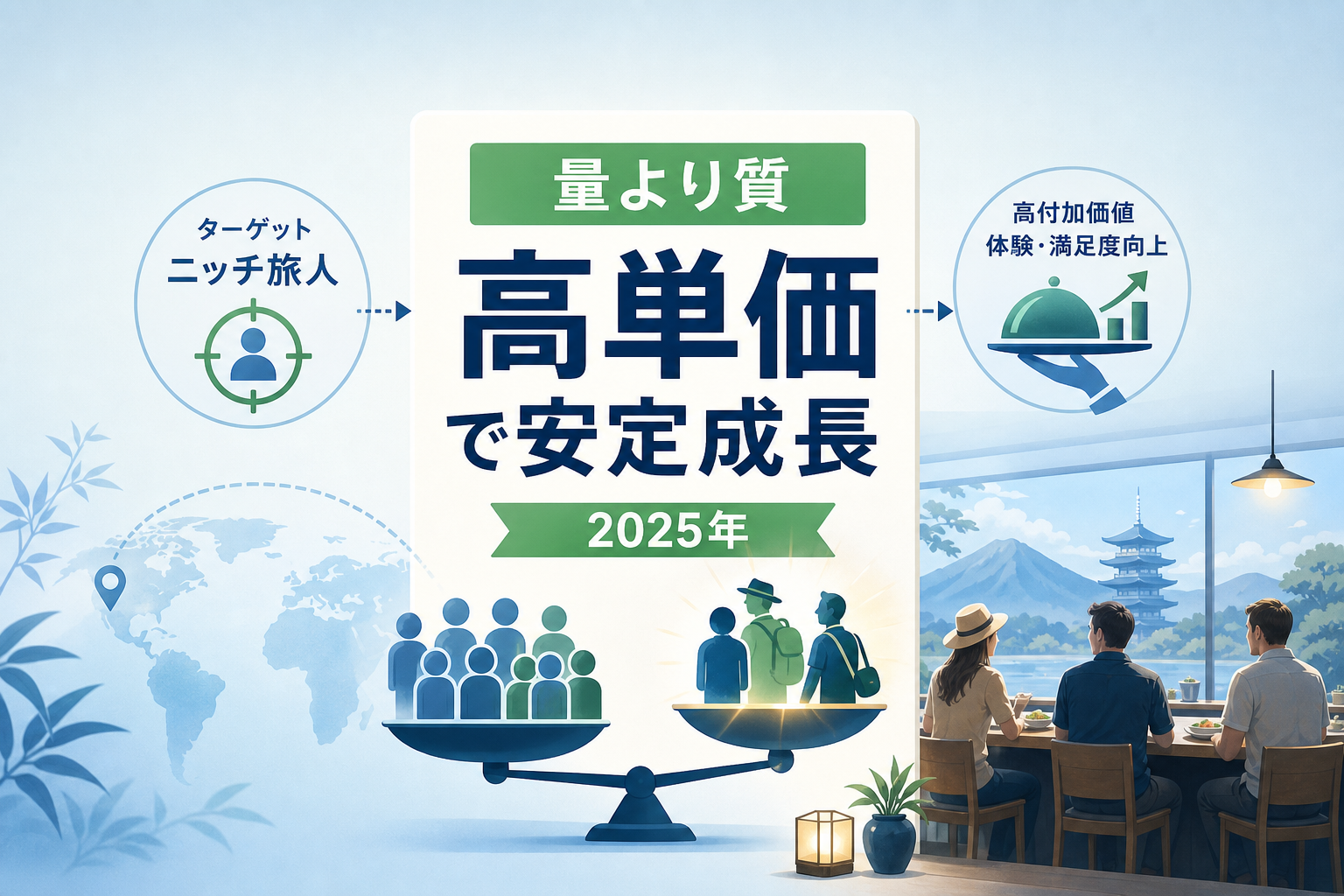
Attracting high-value foreign tourists to restaurants is achieved most effectively by prioritizing quality over quantity in your marketing approach. Instead of aiming for mass-market crowds that might overwhelm your seating capacity, focus on ‘niche’ travelers who are willing to pay a premium for authentic local experiences. By setting clear expectations through your online presence, you attract guests who value your culinary craftsmanship, which naturally reduces friction and misunderstandings during service.
In 2024 and 2025, data showed that international visitors to Shizuoka spent significantly more on dining when they felt a personal connection to the local culture. High-spending tourists often seek out restaurants that offer a story—whether it is about the history of the wasabi grown in the nearby mountains or the specific catch of the day from Suruga Bay. By highlighting these unique elements in English, you filter for customers who are appreciative rather than just hungry, ensuring a smoother interaction for your front-of-house team.
Targeting the Right Demographic for Sustainable Growth
undefined
undefined
Which digital tools are most effective for attracting foreign tourists to restaurants?
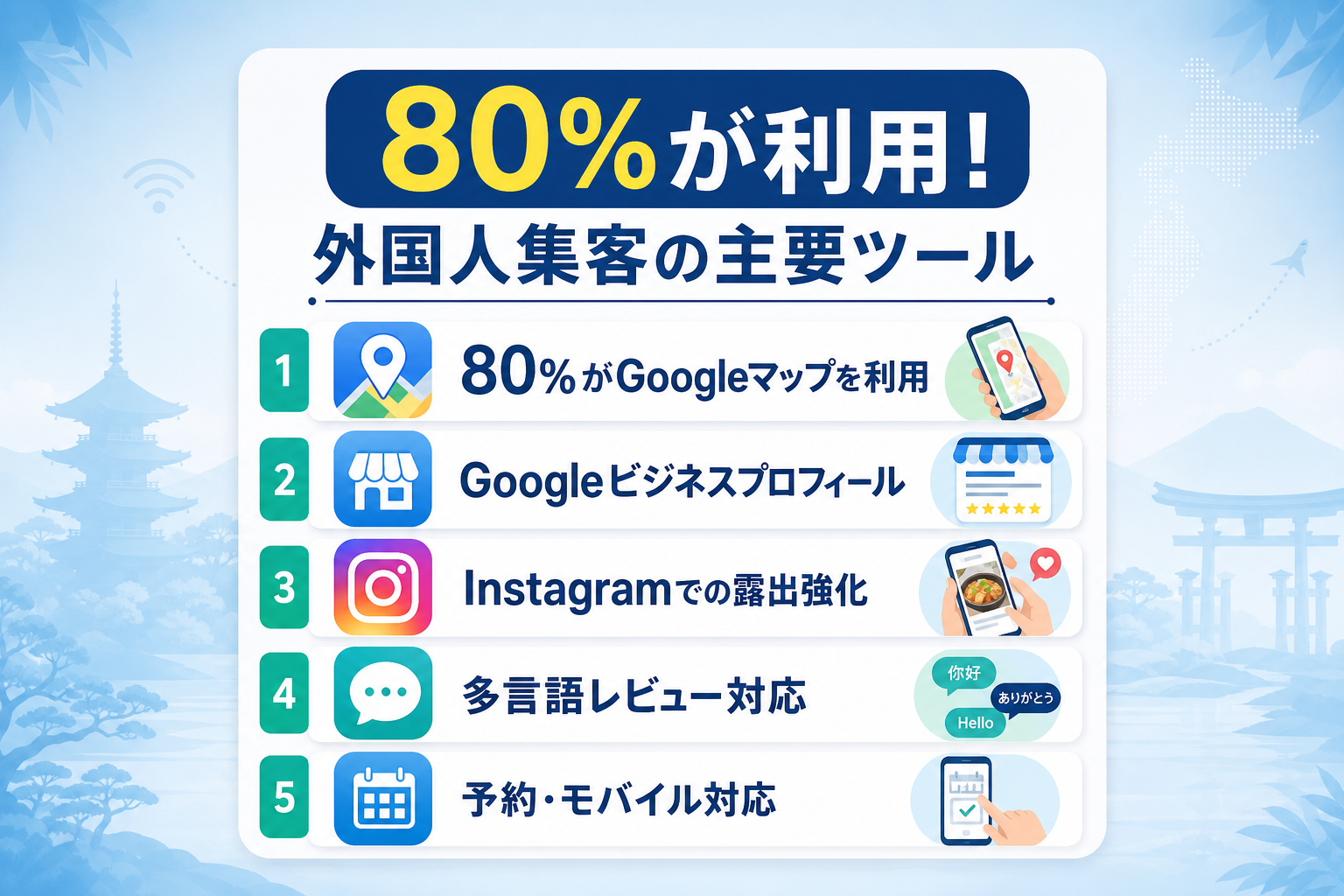
Digital visibility is the cornerstone of attracting foreign tourists to restaurants in the modern era, with Google Business Profile and Instagram serving as the primary discovery tools. Statistics from 2025 indicate that over 80% of international travelers use Google Maps to find dining options while on the move in Japan. Ensuring your profile is optimized with English descriptions, professional food photography, and up-to-date business hours is the most cost-effective way to increase foot traffic without spending thousands on traditional ads.
Social media platforms like Instagram, YouTube Shorts, and TikTok have become essential for showcasing the ‘vibe’ of a restaurant before a guest even arrives. Glocal by Shinker specializes in managing these platforms for local businesses, ensuring that your content reaches a global audience. By posting short, engaging videos of the cooking process or the interior atmosphere, you build trust with potential visitors who might otherwise be intimidated by a language barrier.
- Google Business Profile Optimization: Keep your menu, photos, and hours updated in English to appear in local search results when tourists are near JR Shizuoka Station.
- Multilingual Instagram Management: Use English captions and relevant travel hashtags to connect with the global ‘Japan Travel’ community before they even land in the country.
- OTA and Review Site Presence: Maintain active listings on TripAdvisor and Savour BlackBook to capture high-intent diners who rely on peer reviews for decision-making.
How do you build a stress-free system for attracting foreign tourists to restaurants?
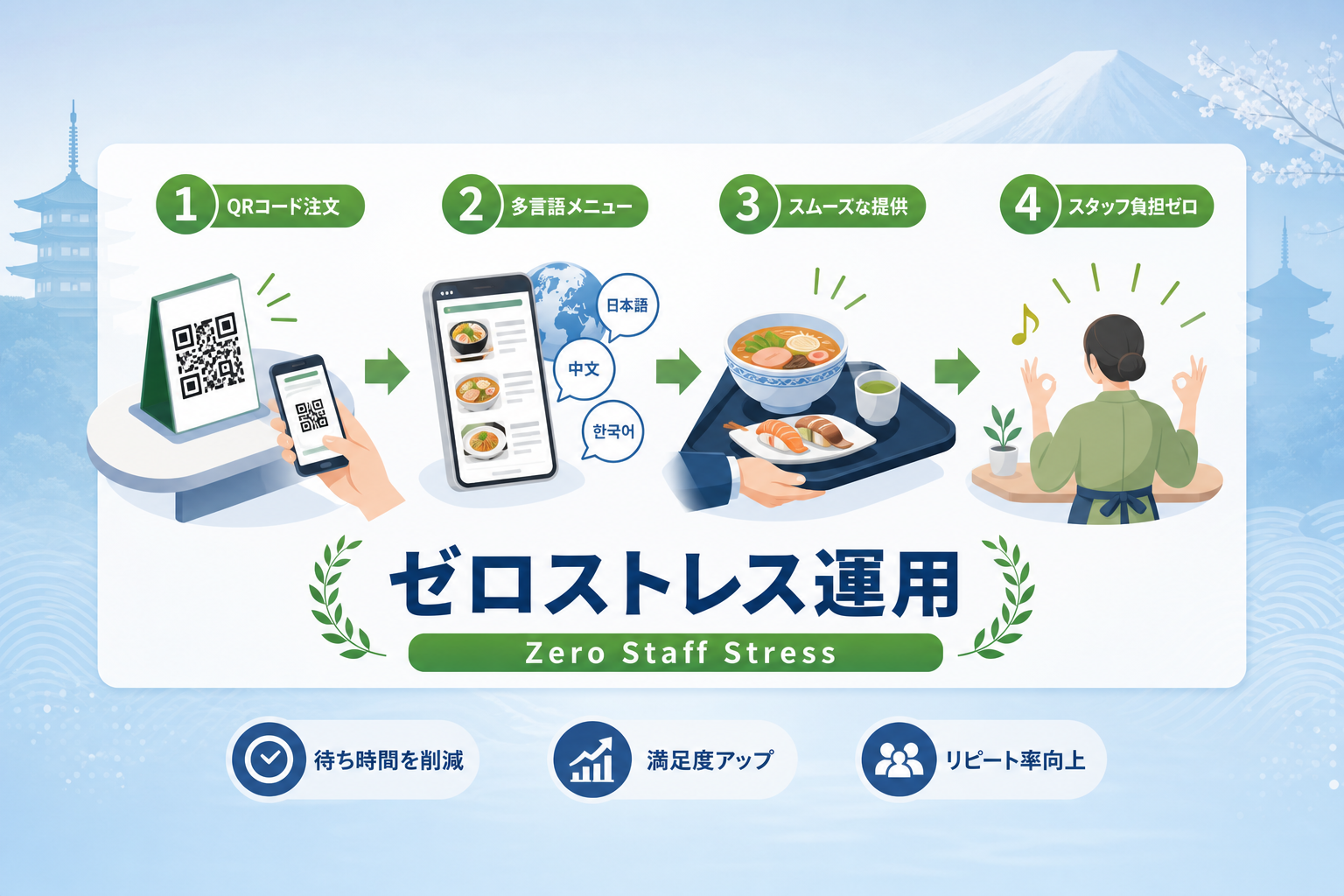
A stress-free system for attracting foreign tourists to restaurants relies on minimizing verbal complexity through visual and digital aids. Implementing QR code menus that offer full English translations and high-resolution images allows guests to order independently, which drastically reduces the pressure on staff who may not be fluent in English. This operational shift ensures that the ordering process is accurate and efficient, preventing the common ‘order errors’ that lead to kitchen stress and customer dissatisfaction.
Beyond ordering, streamlining the reservation and payment process is vital for maintaining a calm environment. Using online booking systems that require a credit card deposit can virtually eliminate ‘no-shows,’ a major pain point for small restaurants. By the time the tourist arrives at your door in Gofuku-cho, the most stressful parts of the transaction—booking and menu explanation—are already handled, allowing your team to focus on the joy of serving food.
Operational Efficiency Through Visual Communication
undefined
undefined
What measurable results come from a professional inbound marketing strategy?
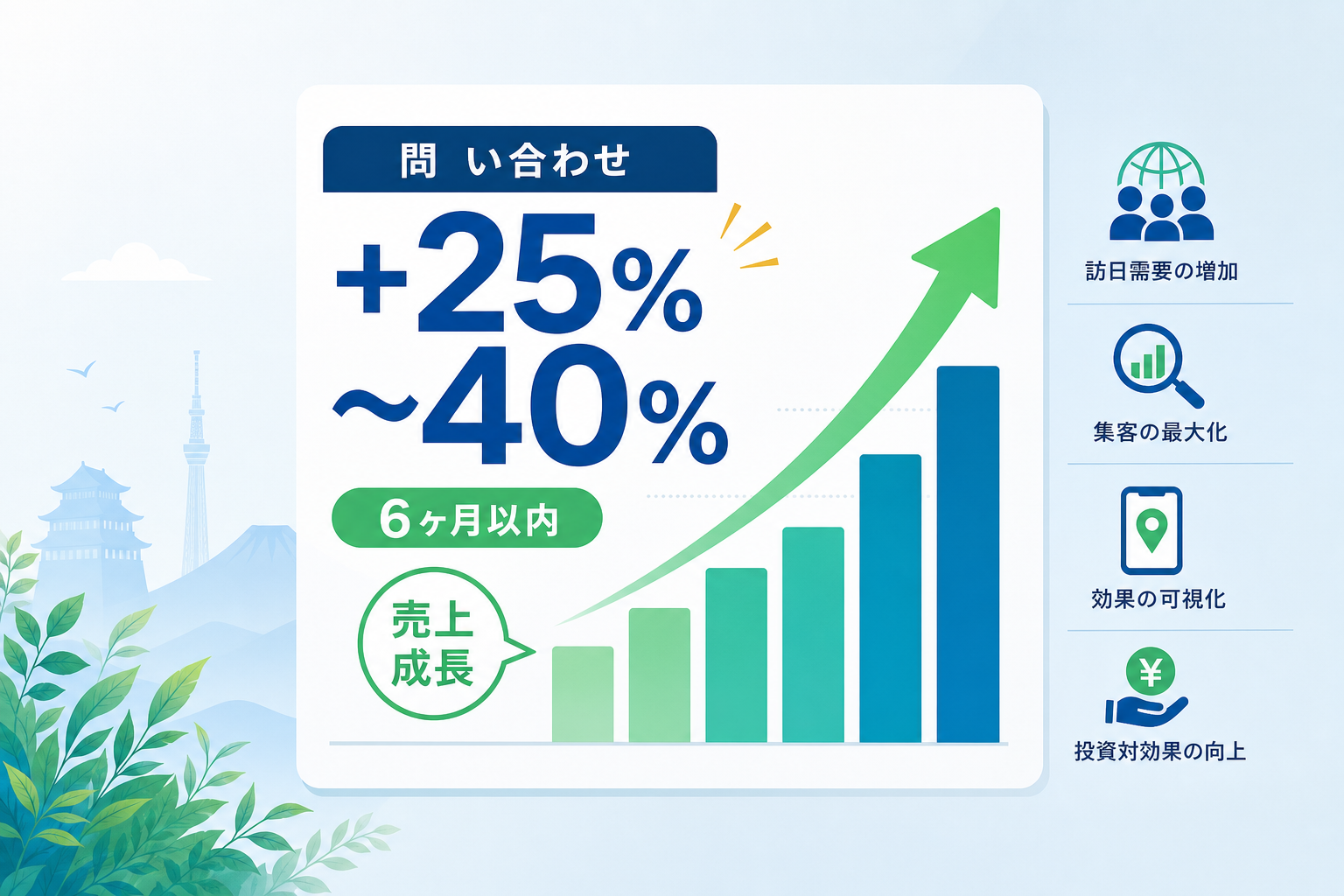
Implementing a professional inbound marketing strategy consistently leads to a measurable increase in both customer volume and average check size. At Shinker Inc., our results show that restaurants utilizing our Standard Plan—which includes Instagram and TikTok management—often see a 25% to 40% increase in international inquiries within the first six months. These are not just ‘likes’ on social media; they translate into actual bookings and walk-in customers who are specifically looking for the dishes they saw online.
Our case studies indicate that foreign tourists often spend more per person than domestic diners, especially on high-quality sake and premium course menus. By positioning your restaurant as an ‘inbound-friendly’ destination through Glocal’s services, you tap into a market that views their meal as a once-in-a-lifetime experience. This mindset leads to higher sales of add-ons and premium items, directly boosting your bottom line while your staff enjoys the positive energy of appreciative guests.
- Increased Online Visibility: Our clients have reported a 3x increase in Google Maps ‘direction requests’ from international users after profile optimization.
- Higher Average Transaction Value: International guests targeted through niche marketing typically order 1.5x more drinks and appetizers than the average local customer.
- Enhanced Brand Reputation: Positive English reviews on global platforms create a ‘snowball effect,’ attracting even more high-quality tourists over time.
Why Shizuoka is the perfect location for attracting high-spending foreign tourists.
Shizuoka City, particularly the area around JR Shizuoka Station, is uniquely positioned as a gateway for travelers moving between Tokyo and Kyoto. As of 2026, more tourists are choosing to step off the Shinkansen to explore authentic regional culture rather than staying only in the major metropolises. This ‘stopover’ demographic is highly lucrative for restaurants located within a 10-minute walk of the station, such as those in the vibrant Gofuku-cho district.
The abundance of local resources—from world-class green tea to the freshest seafood from Suruga Bay—gives Shizuoka restaurants a competitive edge. Foreign tourists are increasingly seeking ‘farm-to-table’ experiences, and Shizuoka’s ability to provide this naturally makes it a magnet for the modern traveler. By marketing these local assets effectively, your restaurant becomes a destination in itself, rather than just a place to eat.
Overcoming the language barrier: Practical communication tips for restaurant staff.
Overcoming the language barrier does not require your staff to be fluent in English; it requires a system that prioritizes clarity and kindness. Simple tools like translation apps or pre-printed ‘common request’ cards (e.g., ‘Where is the restroom?’, ‘Is this spicy?’) can resolve 90% of daily communication needs. When staff feel equipped with these tools, their anxiety about serving foreign tourists vanishes, leading to a more positive workplace culture.
Training your team on basic English phrases and non-verbal hospitality—known as ‘Omotenashi’—can bridge any linguistic gap. A warm smile and a clear ‘Welcome’ go a long way in making a traveler feel at home. By focusing on these high-impact, low-effort communication techniques, you can successfully attract foreign tourists to restaurants while keeping your team’s stress levels at an absolute minimum.
Future-proofing your restaurant: Long-term trends in inbound tourism for 2026 and beyond.
Looking toward the future of 2026 and beyond, the trend of ‘Slow Travel’ continues to dominate the inbound market. Travelers are staying longer in regional hubs like Shizuoka and seeking deeper connections with the places they visit. For restaurants, this means that consistency and digital storytelling are more important than ever. Those who have already established a strong multilingual presence will be the ones to capture this growing market of sophisticated, loyal international diners.
Sustainability and dietary inclusivity are also becoming major factors in how tourists choose where to eat. Offering clear information about vegetarian, vegan, or gluten-free options on your English menu can set you apart from the competition. By adapting to these global standards now, you future-proof your business against shifts in travel habits and ensure that your restaurant remains a top choice for the next generation of global explorers.
The Role of AI and Digital Innovation in Dining
undefined
undefined
Frequently Asked Questions
Q1. What is inbound marketing for restaurants?
Inbound marketing is a strategy to attract customers by creating helpful content and experiences. For restaurants, this means using online maps, social media, and digital menus to help foreign tourists find and choose your business naturally when they search for places to eat.
Q2. How can I handle language barriers without hiring bilingual staff?
You can use digital tools like QR code menus that offer automatic translations and clear food photos. This allows guests to browse and order in their own language on their phones, reducing the need for staff to explain dishes or handle complex verbal requests.
Q3. Which digital tools are most important for starting out?
A Google Business Profile is essential for appearing on maps. Additionally, using a multi-language digital reservation system and an active Instagram account helps tourists find your location, view your food, and book a table without needing to make a phone call.
Q4. How do these strategies reduce stress for my current employees?
By automating tasks like reservations and ordering, staff spend less time struggling with language gaps or manual entry. Clear visual menus and digital systems prevent misunderstandings, allowing your team to focus on serving food and maintaining a smooth, calm dining room environment.
Q5. How soon can I expect to see an increase in foreign customers?
Most restaurants see a noticeable rise in international visitors within three to six months. By consistently updating your online information and encouraging positive reviews, your visibility grows over time, eventually creating a steady and reliable stream of high-value foreign tourists.