

Master inbound tourism training for the hospitality industry with our 5-step roadmap. Learn to bridge cultural gaps and boost ROI for Shizuoka businesses.
 執筆者:Hikaru SonedaCEO
Many hospitality owners in Shizuoka find themselves overwhelmed by the sudden surge in international travelers, struggling to bridge communication gaps despite their deep passion for local culture.
This guide provides a practical roadmap for inbound tourism training for the hospitality industry, helping you transform staff skills into measurable business growth and higher guest satisfaction scores.
Why is inbound tourism training essential for Shizuoka’s hospitality industry?
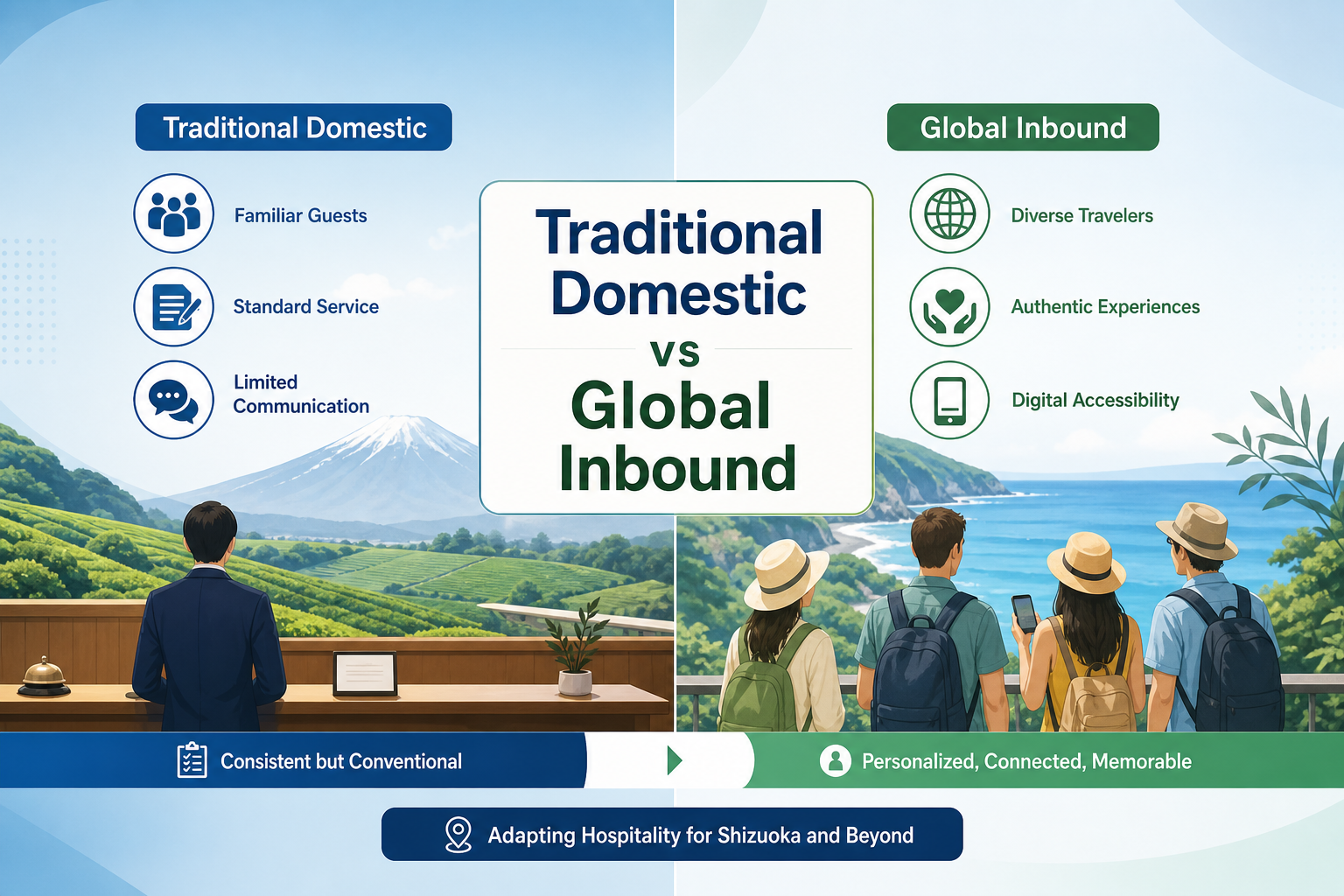
Shizuoka Prefecture is witnessing a significant shift as international visitors increasingly seek authentic experiences beyond the typical ‘Golden Route.’ With Japan’s inbound arrivals surpassing 30 million in 2024, local hotels, ryokans, and restaurants must adapt to a global audience that values transparency and digital accessibility. Relying solely on traditional domestic hospitality methods often leads to missed opportunities in the international market, making specialized training a critical investment for long-term sustainability.
The primary challenge for regional businesses in areas like Aoi-ku or Suruga-ku is not a lack of hospitality, but a lack of specialized communication tools. Effective inbound tourism training for the hospitality industry focuses on more than just language; it addresses cultural nuances, dietary requirements, and digital expectations. By empowering your team with these skills, you ensure that the unique charm of Shizuoka—from its premium green tea to its views of Mt. Fuji—is communicated effectively to guests from diverse backgrounds.
| Expectation Category | Domestic Guest Focus | Inbound Guest Focus |
|---|---|---|
| Booking Process | Phone or Japanese-only websites | Global OTAs (Booking.com, Airbnb) |
| Communication | Implicit understanding (Aun no Kokyu) | Explicit instructions and clear signage |
| Dietary Needs | Standard seasonal sets | Allergy, Vegan, and Halal options |
| Payment | Cash or local credit cards | Contactless, Apple Pay, and Global cards |
参考: Shizuoka’s inbound tourism needs
What is the 5-step roadmap for designing a customized training strategy?
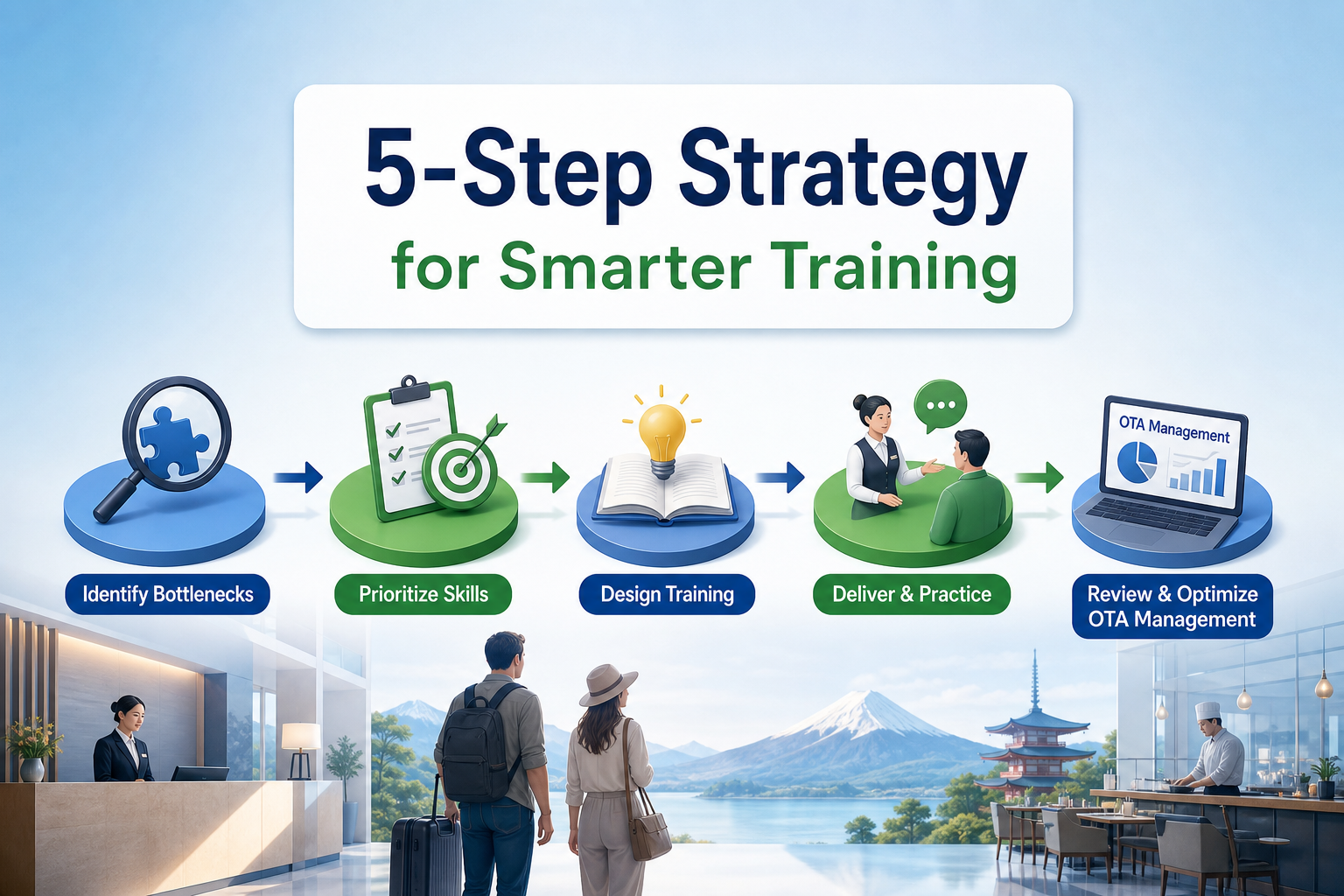
Designing a training strategy requires a structured approach to ensure that time and resources are used efficiently. Many businesses make the mistake of jumping into English lessons without first identifying their specific operational bottlenecks. A customized roadmap allows you to prioritize the most impactful skills, such as OTA management or social media engagement, which directly influence your booking rates in the Shizuoka region.
- Needs Assessment: Evaluate current staff capabilities and identify specific pain points in guest interactions, such as check-in delays or menu explanations.
- Goal Setting: Define clear objectives, such as increasing the share of international bookings or achieving higher ratings on travel review platforms.
- Curriculum Customization: Develop training modules that focus on your specific niche, whether it is ryokan etiquette or café-style English service.
- Implementation & Practice: Conduct hands-on workshops and role-playing sessions to build staff confidence in real-world scenarios.
- Performance Review: Analyze guest feedback and booking data to refine the training process and address remaining skill gaps.
| Phase | Estimated Duration | Primary Focus |
|---|---|---|
| Assessment | 1-2 Weeks | Staff interviews and data analysis |
| Planning | 2-4 Weeks | Curriculum design and resource prep |
| Execution | 1-3 Months | Workshops, SNS setup, and OTA updates |
| Evaluation | Ongoing | Monthly review of KPI and reviews |
How do you choose between internal training and external inbound consultants?
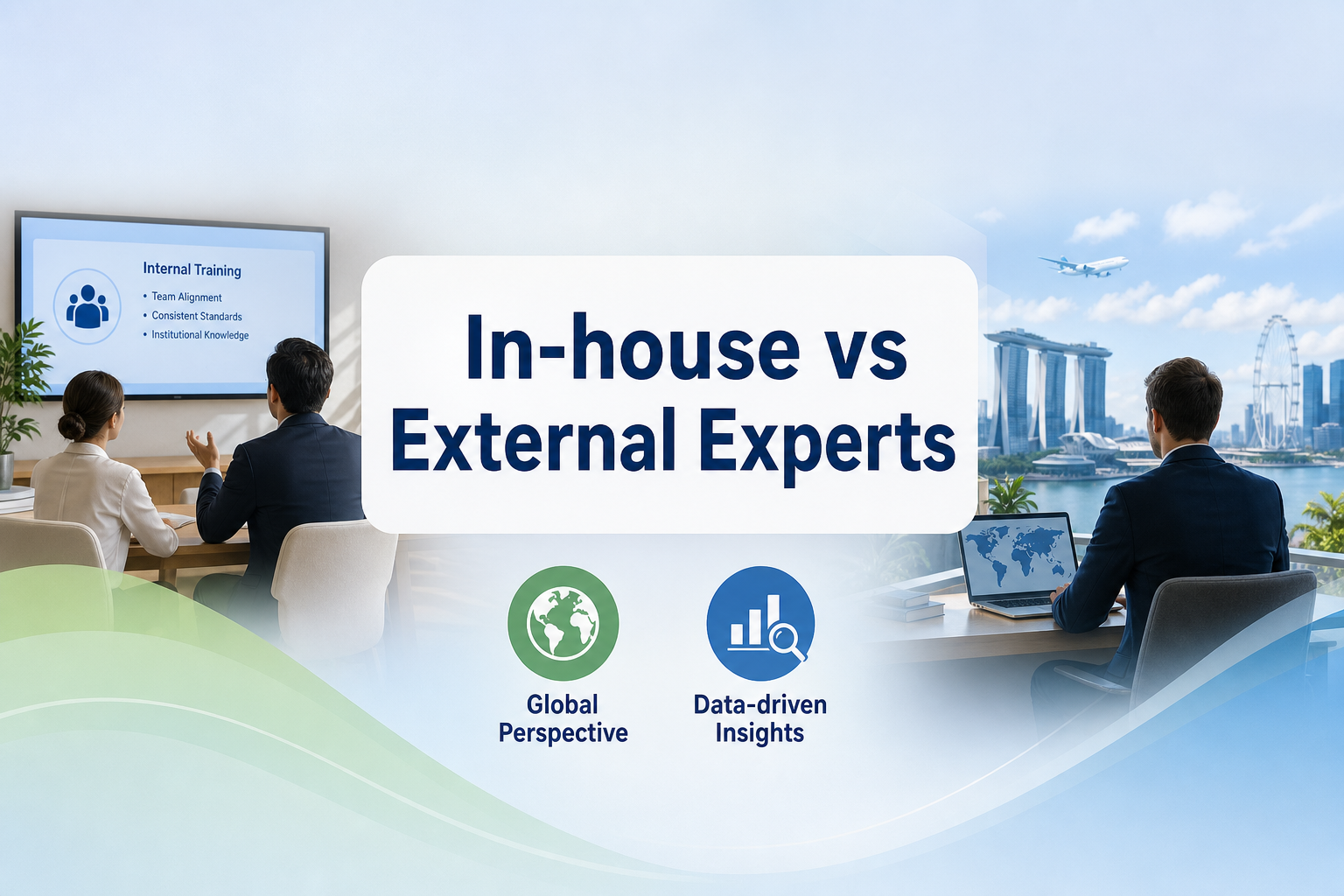
Hospitality managers often face the dilemma of whether to handle training in-house or hire external experts. While internal training is cost-effective for basic tasks, it often lacks the global perspective necessary to compete in the international market. Professional consultants, such as the team at Glocal by Shinker, provide data-driven insights and multilingual expertise that can accelerate your growth significantly faster than trial-and-error methods.
For a business in Shizuoka City, the cost of external training is often offset by the rapid increase in high-value international bookings. Based on current industry trends, professional training sessions for staff members are available at competitive rates, making it a scalable solution for growing teams. Choosing a partner who understands the local context of Shizuoka while possessing global marketing skills is the key to a successful transition.
| Feature | Internal Training | External Consultant (Glocal) |
|---|---|---|
| Initial Cost | Low (Staff time only) | Details available upon inquiry |
| Expertise | Limited to current knowledge | Global marketing & OTA experts |
| Speed of Results | Slow (Incremental) | Fast (Immediate optimization) |
| Multilingual Support | Usually none | English, Social Media, & SEO |
How can you measure the ROI and impact of your training programs?
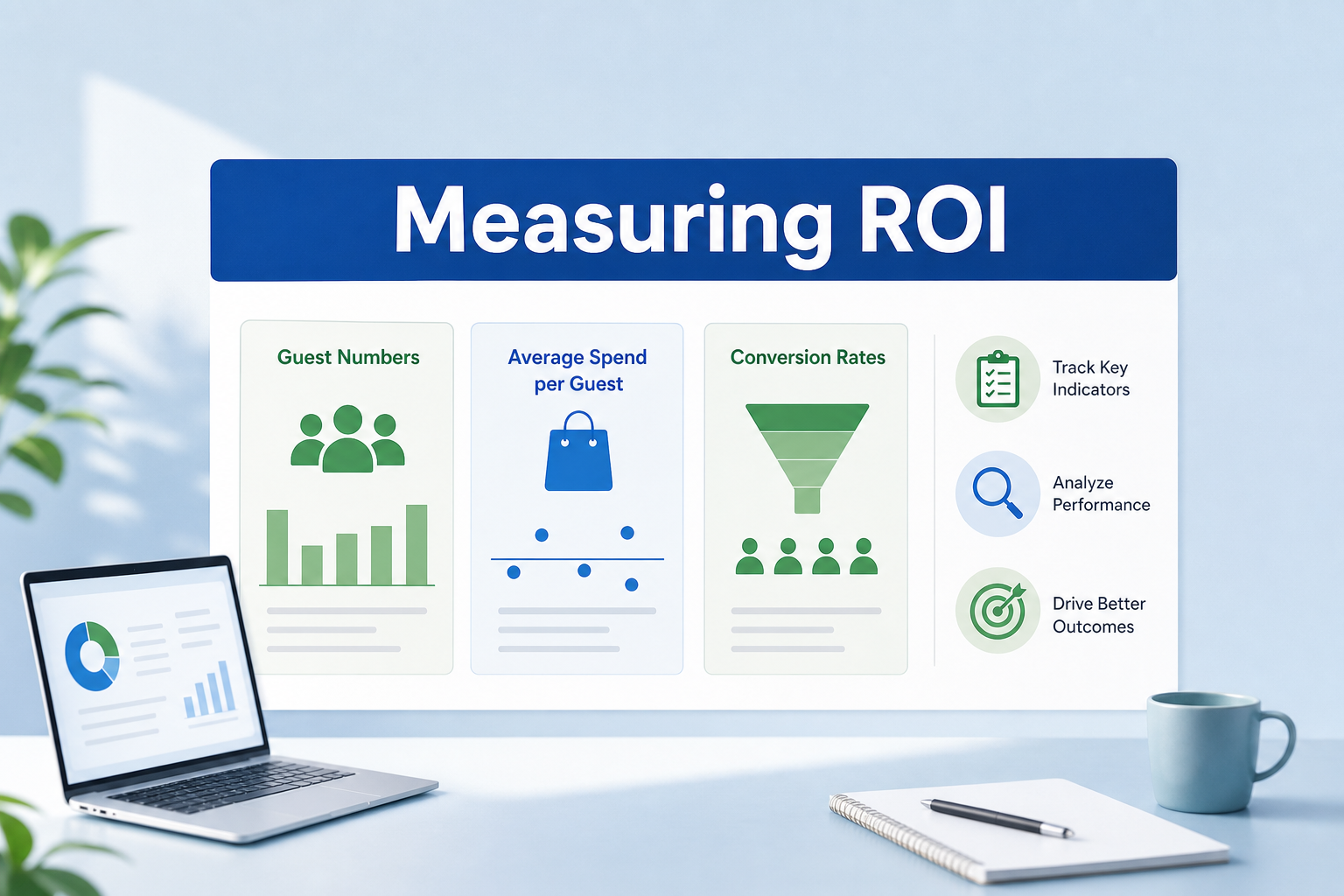
Measuring the Return on Investment (ROI) for inbound tourism training for the hospitality industry is essential to justify the expenditure. Beyond just counting the number of foreign guests, you should track specific metrics such as the average spend per guest and the conversion rate on platforms like Booking.com or Airbnb. Our clients often see a marked increase in inquiries after optimizing their digital presence and training staff to handle English-language requests promptly.
In the hospitality sector, a ‘soft’ ROI—such as improved staff morale and better online reviews—is just as important as direct revenue. When staff feel equipped to handle diverse situations, turnover rates tend to decrease, and guest satisfaction scores rise. This creates a virtuous cycle where positive reviews lead to higher visibility on Google Maps and OTAs, further driving international traffic to your Shizuoka-based business.
| Metric | Pre-Training Status | Post-Training Target |
|---|---|---|
| OTA Review Score | Moderate ratings | High ratings |
| Inbound Booking Ratio | Low percentage | Increased percentage |
| Response Time | Slow response | Fast response |
| Direct Inquiries | Rare/None | Weekly/Daily |
参考: measuring ROI through booking performance
How do you bridge the gap between language skills and cultural adaptation?
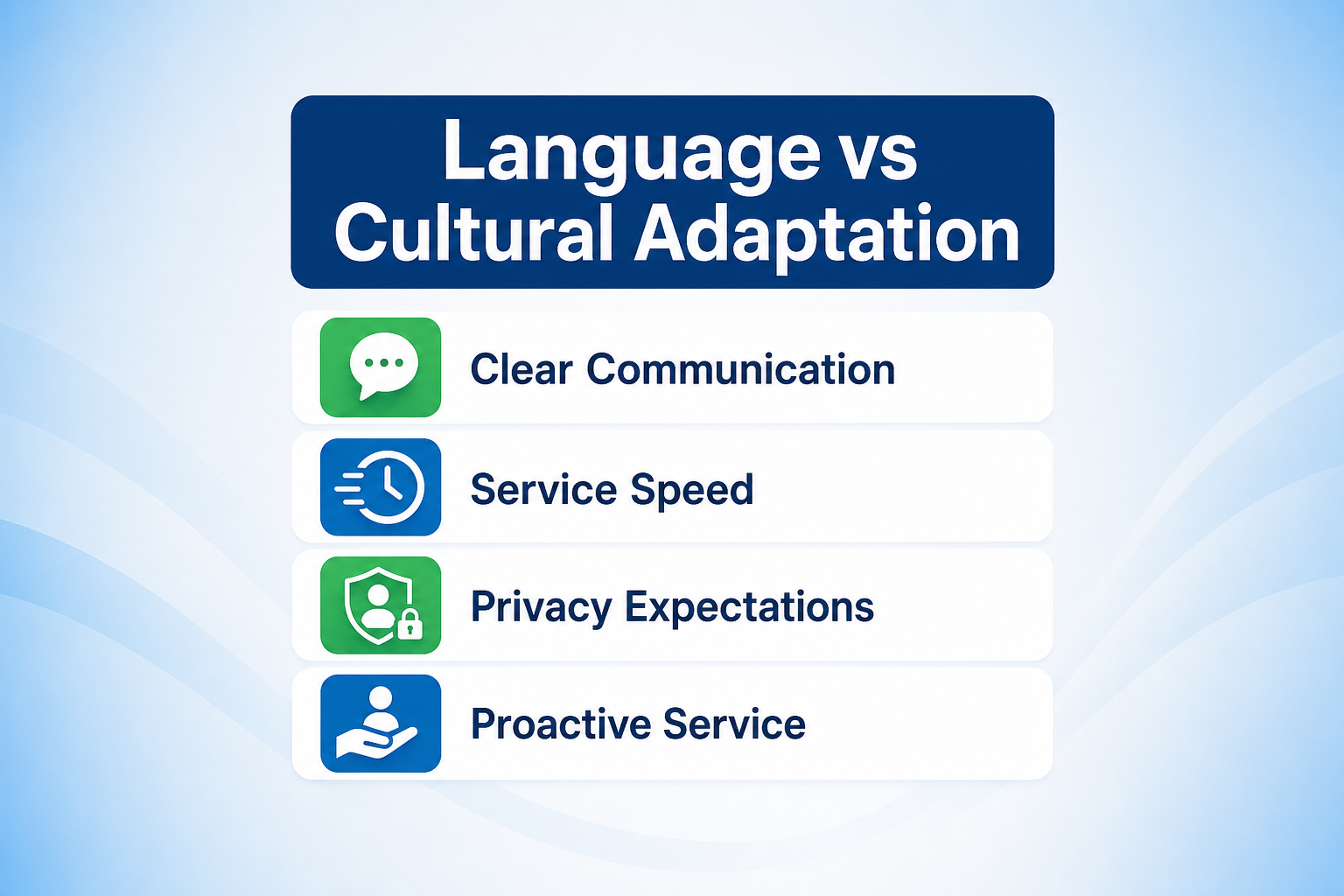
A common misconception is that knowing English is enough to serve international guests. True ‘Omotenashi’ in a global context requires cultural adaptation—understanding that different nationalities have different expectations for privacy, service speed, and communication styles. Training programs must teach staff how to interpret these needs and provide proactive service that feels welcoming rather than just functional.
For example, while Japanese guests might appreciate silence and subtle service, travelers from North America or Europe often value friendly interaction and detailed explanations of local customs. Bridging this gap involves training staff to adjust their ‘distance’ and communication style based on the guest’s origin. This level of sophistication in service is what sets premium Shizuoka establishments apart from their competitors.
| Service Area | Simple Translation | Cultural Localization |
|---|---|---|
| Menu Design | English names for dishes | Photos + Ingredient/Allergy labels |
| Check-in | Translating the house rules | Explaining the ‘why’ behind customs |
| Staff Greeting | Saying ‘Hello’ or ‘Welcome’ | Engaging in brief, friendly small talk |
| Signage | Direct word-for-word signs | Intuitive icons and clear directions |
What specific training modules are most effective for Shizuoka businesses?
To achieve measurable results, training must be focused on the digital and physical touchpoints where guests interact with your brand. For businesses near JR Shizuoka Station or the Gofuku-cho shopping district, online visibility is the first hurdle. Training your team to manage Google Business Profiles and respond to English reviews can immediately improve your local SEO and attract ‘walk-in’ international traffic.
Social media management is another high-impact module. In today’s travel market, Instagram and TikTok serve as modern-day travel brochures. Training staff to capture high-quality photos of your services and post with relevant English hashtags allows you to reach a global audience without a massive advertising budget. This practical approach ensures that your inbound tourism training for the hospitality industry translates directly into brand awareness.
| Module Name | Target Skill | Expected Outcome |
|---|---|---|
| OTA Optimization | Airbnb/Booking.com Management | Higher search ranking & bookings |
| Global SNS Strategy | English Instagram/TikTok | Increased brand awareness |
| Dietary Hospitality | Vegan/Allergy Management | Positive niche reviews |
| Conflict Resolution | Handling English complaints | Preventing negative 1-star reviews |
How can Glocal by Shinker support your inbound growth in Shizuoka?
Glocal by Shinker, operated by Shinker Inc., is a specialized inbound marketing partner located right in the heart of Shizuoka City. We understand the local landscape and combine it with global marketing expertise to help regional businesses thrive. Whether you run a traditional ryokan, a modern café, or a boutique hotel, our team provides the tools and training necessary to connect with travelers from around the world.
Our approach is not one-size-fits-all. We offer tiered plans that cater to different business sizes and goals, from basic OTA registration to comprehensive social media management. By partnering with us, you gain access to specialists who handle the complexities of multilingual marketing, allowing you to focus on what you do best: providing exceptional hospitality to your guests.
Start Your Inbound Journey Today
| Plan Name | Monthly Fee | Key Services Included |
|---|---|---|
| Accommodation Economy | ¥50,000 | OTA Optimization (Airbnb/Booking) |
| Accommodation Standard | ¥150,000 | OTA registration and optimization |
| Accommodation Premium | ¥200,000 | Full Inbound Marketing Strategy |
| Restaurant Economy | ¥120,000 | English Instagram Management |
| Restaurant Standard | ¥250,000 | Instagram, YouTube Shorts, & TikTok |
Frequently Asked Questions
Q1. What is inbound tourism training for the hospitality industry?
It is a specialized educational program designed to help hotel and restaurant staff better serve international travelers. The training focuses on improving communication, understanding different cultural expectations, and providing high-quality service to visitors from outside the country.
Q2. How can a business decide between using internal staff or an external consultant for training?
The choice depends on your budget and expertise. Internal training is cost-effective and uses existing knowledge, while hiring external consultants provides professional insights and fresh perspectives that your team might lack when dealing with complex international needs.
Q3. Is language proficiency the most important part of the training?
While language skills are helpful, bridging the gap between communication and cultural adaptation is equally vital. Training should teach staff how to interpret cultural nuances and non-verbal cues to ensure guests feel understood even when there is a language barrier.
Q4. What are the first steps in the 5-step roadmap for a training strategy?
The roadmap begins with assessing your current situation and defining specific goals. From there, you design a customized curriculum, choose the right training method—either internal or external—and finally implement the program while measuring its impact on guest satisfaction.
Q5. How do you determine if the training program was worth the investment?
You can measure the impact by tracking key metrics such as guest reviews, repeat bookings from international travelers, and overall staff confidence. Comparing these results against your initial goals helps determine the return on investment for your business.