

Discover how multilingual communication tools for ryokan can enhance traditional omotenashi in Shizuoka by balancing digital automation with authentic hospitality.
 執筆者:Hikaru SonedaCEO
Ryokan owners in Shizuoka often worry that adopting digital technology might dilute the traditional essence of Japanese hospitality and overwhelm their dedicated staff.
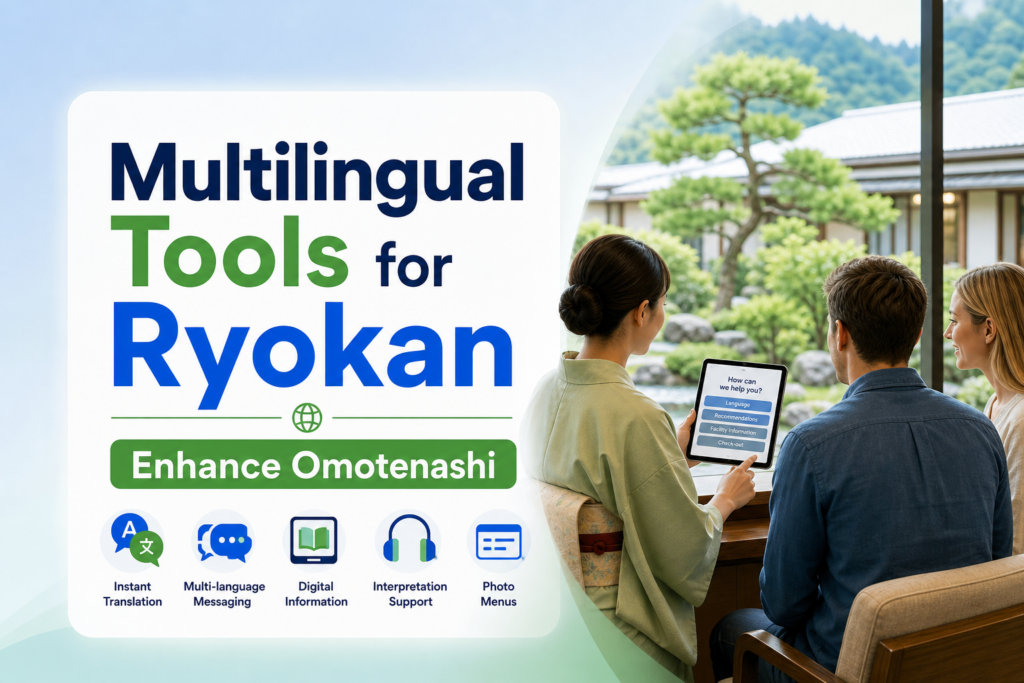
This article explores how specific multilingual communication tools for ryokan can actually protect your traditions by automating routine tasks and enhancing guest satisfaction.
Why is multilingual communication essential for modern ryokans in Shizuoka?

Shizuoka Prefecture has become a central hub for international travelers seeking authentic Japanese experiences, from the slopes of Mt. Fuji to the tea plantations of Makinohara. According to industry data, visitor numbers reached record highs in 2023 and surged even further in 2024. For a ryokan to thrive in this environment, providing information in a guest’s native language is no longer a luxury but a fundamental requirement for safety and comfort.
The challenge for Shizuoka ryokans is the high-touch nature of their service, such as explaining the complex ingredients in a kaiseki meal or the specific etiquette of a shared onsen. Without effective multilingual communication tools, staff often spend hours repeating the same basic instructions, which leads to operational bottlenecks. By implementing the right digital solutions, you can bridge the language gap while maintaining the warm, personal connection that defines Shizuoka hospitality.
参考: Shizuoka’s inbound tourism needs、(2)インバウンド需要の取込みに向けて 上記のような地方創 …
Which multilingual communication tools best enhance traditional omotenashi?
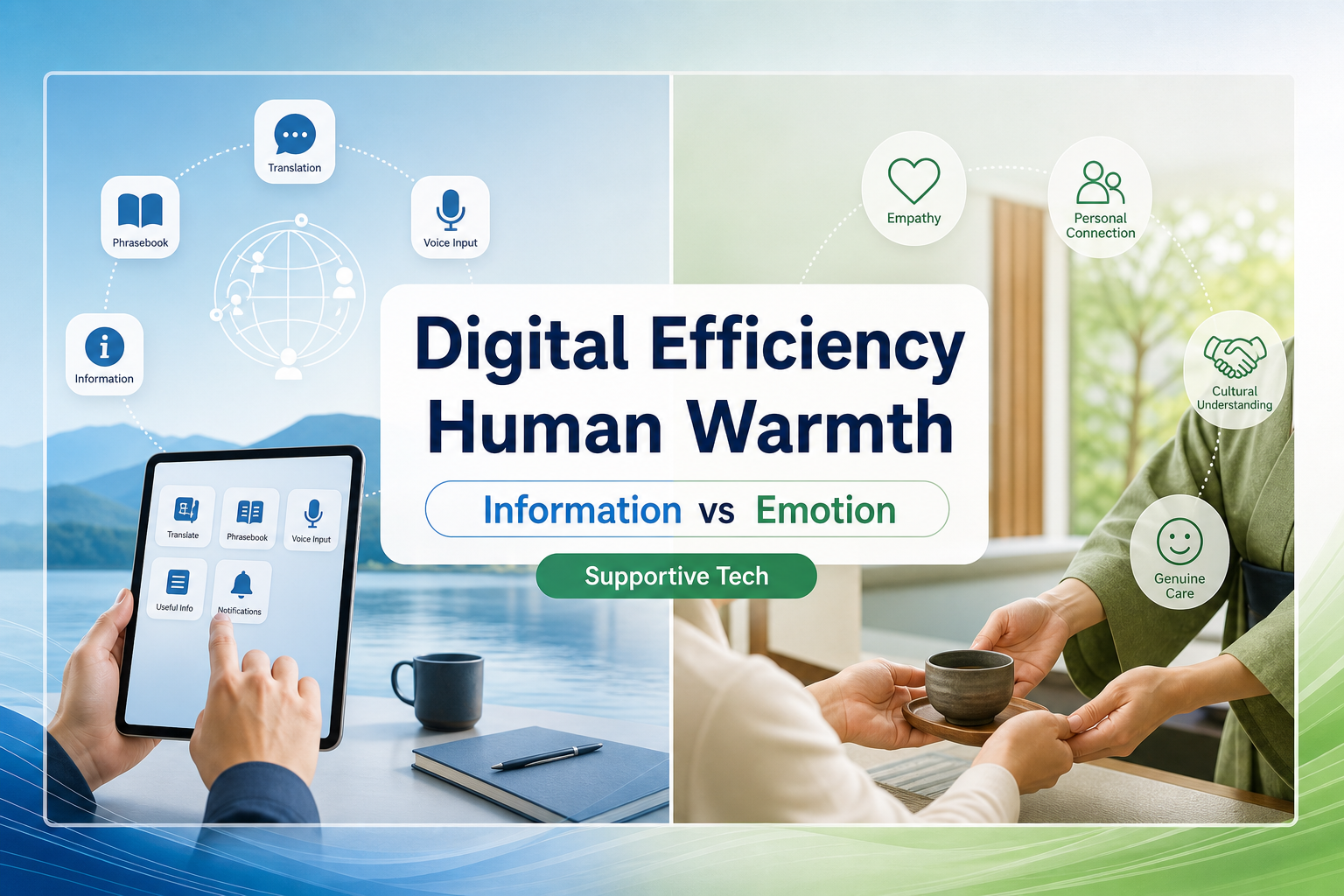
The goal of introducing technology into a ryokan is to support, not replace, the human element of omotenashi. We recommend focusing on tools that address the most common friction points: the booking process, check-in, and in-room information. By selecting tools that support English, Chinese (Simplified and Traditional), and Korean, you can cover the vast majority of international visitors to the Shizuoka region.
Based on current industry trends and guest feedback, there are five specific categories of tools that offer the highest return on investment for traditional Japanese inns. These tools allow guests to access information at their own pace, reducing the pressure on front-desk staff who may not be fluent in multiple languages.
- AI Chatbots for 24/7 Inquiry Handling: AI chatbots can handle common questions about check-in times, dietary restrictions, and local Shizuoka transport 24 hours a day. This ensures guests receive immediate answers regardless of time zones.
- QR Code-Based Digital Information Books: Replacing paper binders with QR codes allows guests to view room manuals, onsen rules, and meal descriptions in their own language on their smartphones, reducing physical contact and printing costs.
- A popular global messaging app for Direct Communication: With many users globally, this platform is the preferred communication channel for many international travelers. It allows for personalized, real-time support that builds trust before the guest even arrives.
- Multilingual Booking Engines: A booking system that supports multiple currencies and languages helps convert website visitors into confirmed guests by removing the confusion of exchange rates and complex Japanese forms.
- OTA Optimization and Translation Tools: Ensuring your listings on platforms like Booking.com and TripAdvisor are professionally translated and optimized helps your Shizuoka property stand out in a crowded global market.
参考: multilingual booking system、地域観光資源の多言語解説整備促進事業
How have Shizuoka tourism businesses succeeded with multilingual marketing support?
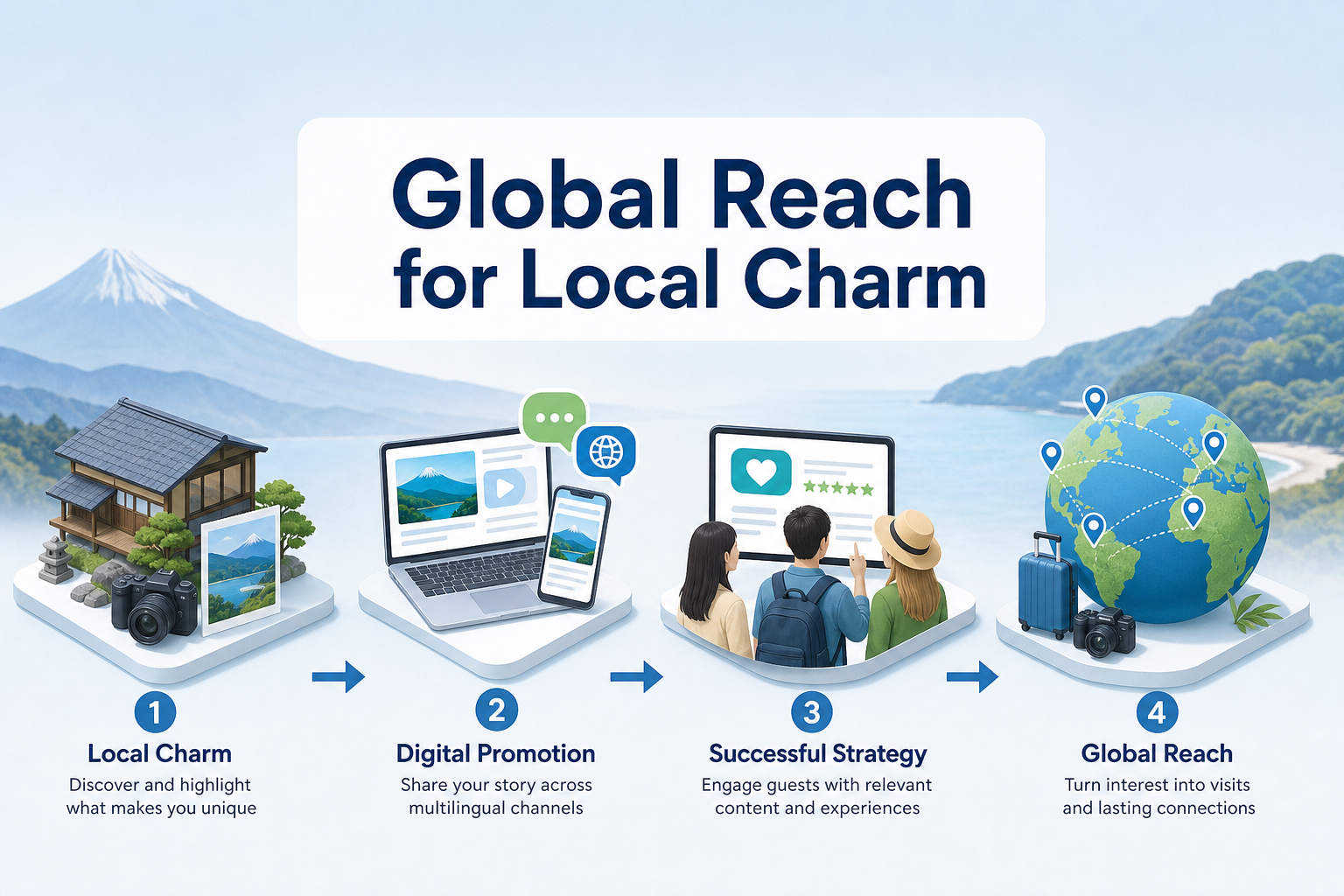
Success in the inbound market requires more than just translating a menu; it requires a comprehensive strategy that connects local charm with global reach. Our company has seen firsthand how regional businesses can transform their visibility through targeted digital promotion. In one of our company’s results, a tourism promotion project focused on local attractions and cultural experiences successfully expanded its global reach.
By utilizing multilingual content creation and destination marketing, this business improved awareness among potential international visitors. This approach did not just bring in more people; it helped showcase the unique value of the region’s culture, supporting sustainable tourism growth. This demonstrates that when the right communication tools are paired with a strong marketing strategy, even traditional businesses can find a massive audience overseas.
参考: regional tourism marketing case studies
How can your ryokan balance digital tools with authentic Japanese hospitality?
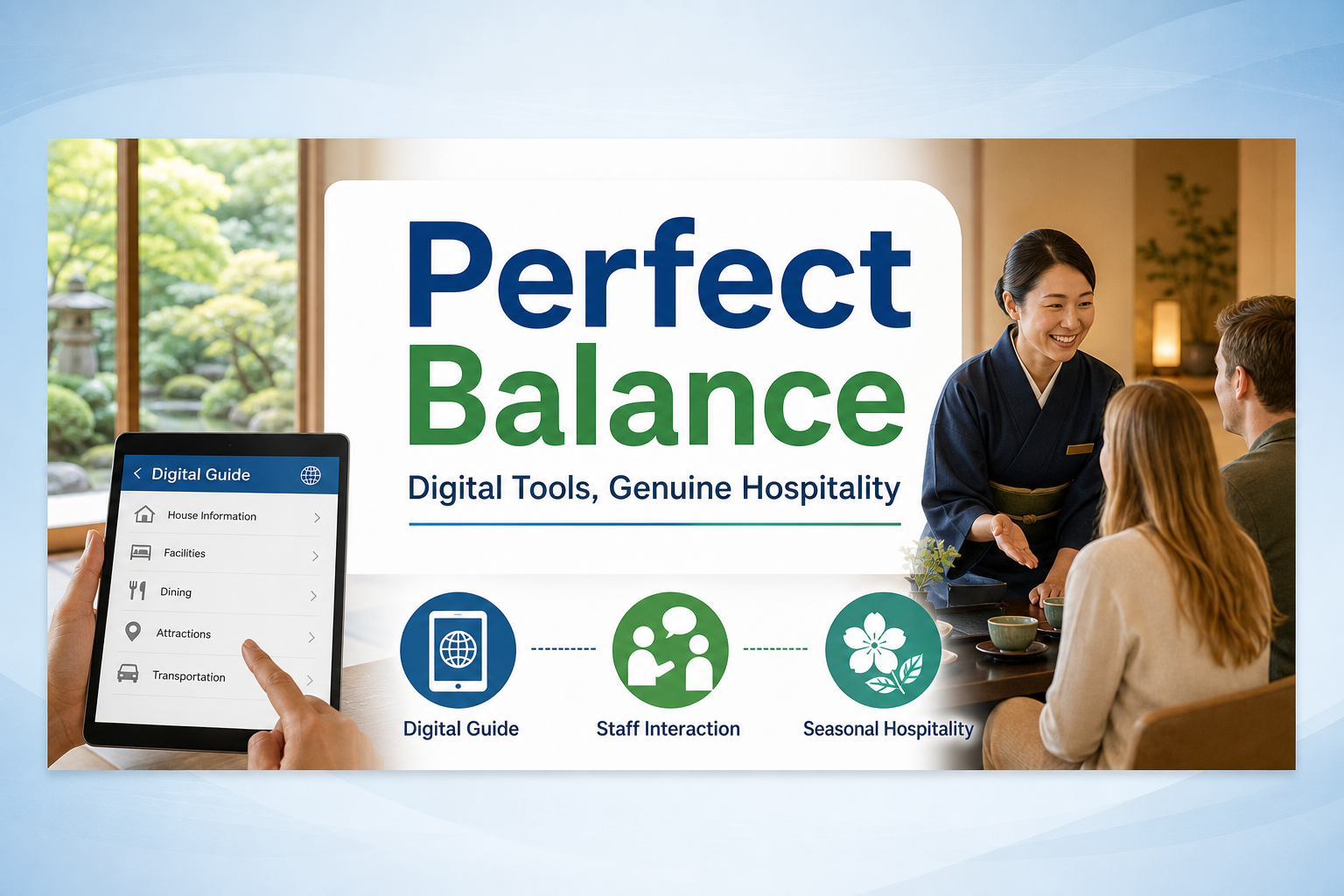
The secret to balancing digital efficiency with personal service is using digital tools to handle the ‘information’ so that your staff can focus on the ’emotion.’ For example, if a guest already knows how to use the yukata because they read a multilingual digital guide, your staff can spend that time during check-in talking about the history of the ryokan or the specific seasonal flowers in the garden.
In a traditional Shizuoka environment, it is important to introduce these tools gradually. Start with non-intrusive options like QR codes in guest rooms or a multilingual website. This ensures that the atmosphere remains serene and traditional while providing the modern convenience that international guests expect. This balance is what creates a truly memorable stay that earns high reviews on global platforms.
参考: hybrid strategy、「宿泊施設を核とした観光地のDX推進に向けた実証事業」 …
Addressing the communication gap: Solving the primary communication hurdle for guests
Research from tourism authorities highlights a critical opportunity for improvement in the hospitality sector. According to surveys, a portion of international visitors reported that they were unable to communicate effectively with staff during their stay. This was cited as one of the top concerns, second only to the lack of trash cans in public spaces. For ryokans, where service is central to the experience, closing this gap is vital.
Interestingly, a large majority of those surveyed responded that they used automated translation systems or applications to solve their communication issues. This indicates that guests are already comfortable using technology to bridge the gap. By providing official multilingual communication tools, your ryokan can ensure that the information they receive is accurate, professional, and consistent with your brand’s voice.
Case Study: Boosting Visibility for Regional Hotels
Many regional accommodation providers struggle with visibility on global platforms, often relying too heavily on domestic bookings. In another of our company’s results, a regional hotel partnered with us to improve its visibility among international travelers. The project focused on optimizing OTA listings and creating high-quality English-language content to reach a broader audience.
The results were significant: the hotel established a much stronger online presence and received a marked increase in inquiries from international guests. By strengthening their social media marketing and multilingual content, they enhanced their brand recognition globally. This case illustrates that even with a small team, the right digital support can lead to measurable business growth and a more diverse guest profile.
Practical steps to implement multilingual tools without overwhelming your staff
Implementation should follow a logical progression to ensure that your staff remains confident and guest service remains high. We suggest a four-step approach that prioritizes the most impactful areas first. Start with your digital presence, move to the booking experience, and finally address in-stay communication.
- Audit Your Current Multilingual Presence: Check your website, Google Business Profile, and OTA listings. Ensure that basic information like access from Shizuoka Station and room types are clearly translated into English.
- Select Core Languages Based on Data: Focus on English as the primary global language, then add Chinese (Simplified/Traditional) or Korean based on your actual guest data.
- Introduce Low-Barrier Tools: Implement QR codes for room guides and automated email templates for booking confirmations. These require minimal daily management from your staff.
- Train Staff on Tool Usage: Ensure every team member knows how to use translation apps or how to point guests toward the digital information book to resolve common queries quickly.
| Plan | Monthly Fee | Initial Fee | Key Services |
|---|---|---|---|
| Economy | Please contact us for details | Please contact us for details | OTA registration, basic optimization, booking commission |
| Standard | Please contact us for details | Please contact us for details | OTA management, English social media, booking commission |
| Premium | Please contact us for details | Please contact us for details | Full inbound support, multilingual marketing, booking commission |
Sustainable growth: Connecting Shizuoka’s unique culture with the global market
At Glocal by Shinker, we believe that Shizuoka has unique stories and experiences that the world is waiting to discover. Our mission is to help local ryokans and businesses connect with international travelers through data-driven digital innovation. By combining global communication expertise with deep local knowledge, we help you achieve sustainable growth while preserving your heritage.
If you are unsure where to start with multilingual communication tools for your ryokan, our team is here to help. Located near a major transport hub, we offer customized proposals that fit your specific business goals. Let us handle the digital complexity so you can focus on providing the world-class hospitality that Shizuoka is famous for.
Frequently Asked Questions
Q1. What are multilingual communication tools for ryokan?
These are digital applications and devices, such as translation tablets or automated messaging systems, that bridge language gaps between staff and international guests. They help convey complex information about traditional customs while ensuring non-Japanese speakers feel welcome and understood.
Q2. Will using these digital tools make our service feel impersonal?
No, these tools are designed to handle repetitive tasks and basic translations. By automating routine information, your staff can focus more on providing warm, face-to-face interactions and the personalized care that defines authentic Japanese omotenashi.
Q3. How do these tools help protect traditional Japanese culture?
They accurately explain complex traditions, such as yukata etiquette or hot spring rules, in the guest’s native language. This prevents cultural misunderstandings and ensures that your ryokan’s unique heritage is respected and properly experienced by every visitor.
Q4. Can older staff members easily use this new technology?
Modern tools are built with simple, intuitive interfaces specifically for the hospitality industry. Most require minimal training, allowing even staff members who are less familiar with technology to communicate effectively with international guests without feeling overwhelmed.
Q5. How can a ryokan balance digital support with authentic hospitality?
The key is to use digital tools as a supportive background layer. Use them for booking and basic FAQs, but maintain human presence for greetings and special requests. This creates a seamless experience where technology assists rather than replaces the staff.