
Discover 5 major Japanese restaurant chains with an allergy friendly restaurants English menu. Learn to read safety labels and attract global diners to Shizuoka.
 執筆者:Hikaru SonedaCEO
Navigating dietary restrictions while traveling in Japan can be incredibly stressful, especially when language barriers make it difficult to verify if a meal is safe to eat.
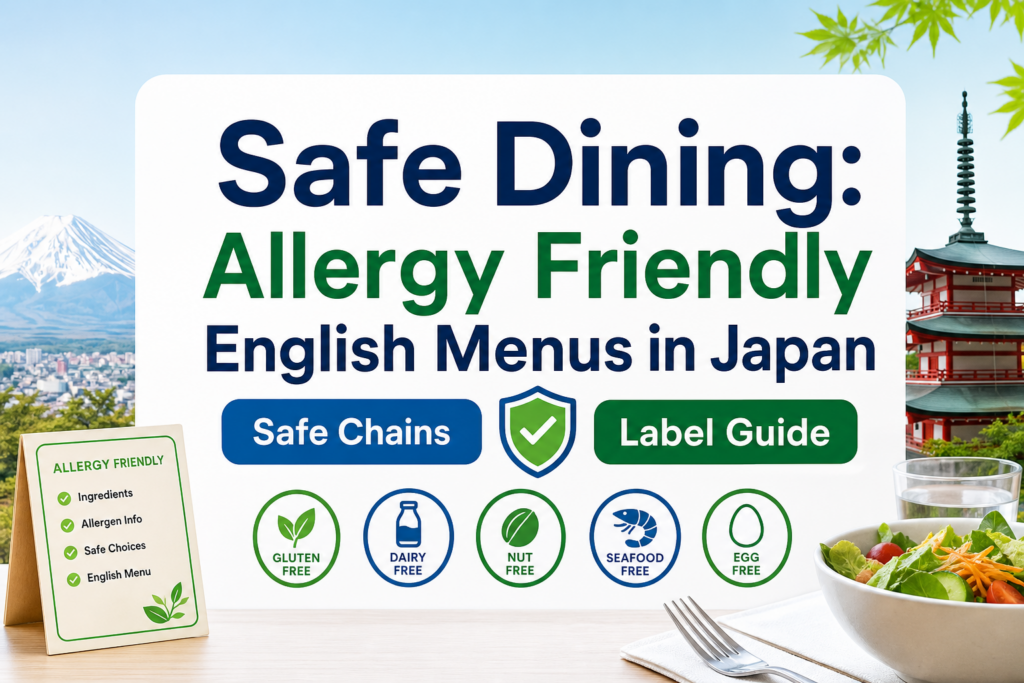
This guide highlights five major Japanese restaurant chains offering a reliable allergy friendly restaurants English menu and provides practical tips for interpreting local allergen labeling systems safely.
Which Japanese chains provide a reliable allergy friendly restaurants English menu?
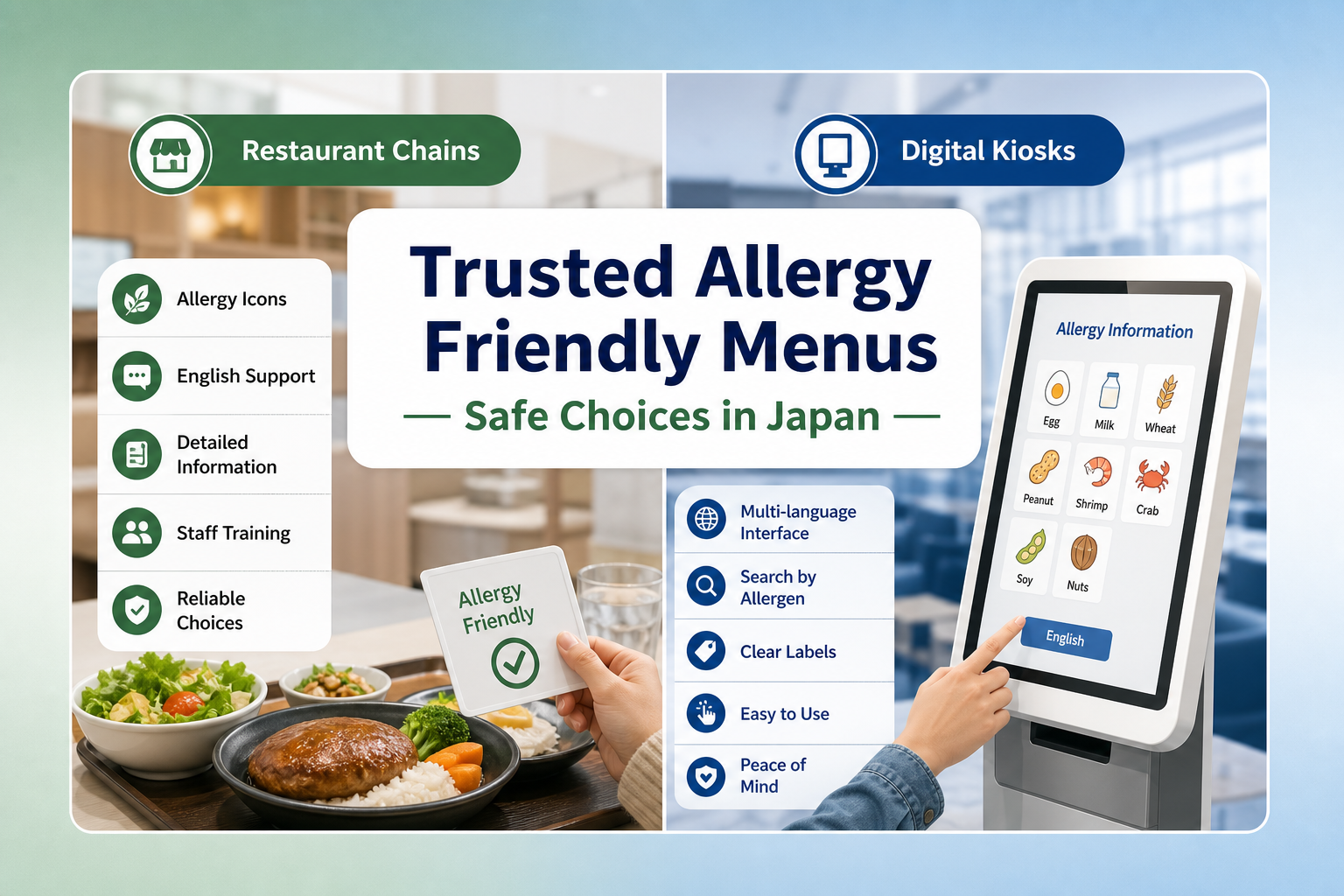
For international travelers with severe food sensitivities, finding a restaurant that offers a clear allergy friendly restaurants English menu is the primary factor in choosing where to dine. Major Japanese chains have led the way by implementing digital kiosks and printed guides that categorize allergens using standardized icons, reducing the risk of miscommunication between guests and staff. These establishments often provide detailed ingredient lists for their core menu items, ensuring that diners can make informed decisions without needing advanced Japanese language skills.
In Shizuoka, many of these national chains are conveniently located near JR Shizuoka Station or along major tourist routes, making them reliable safety nets for families. By utilizing touch-screen ordering systems that feature English language toggles, these restaurants allow users to filter out specific allergens like wheat, eggs, or dairy before even placing an order. This technological approach provides a level of certainty that is often hard to find in smaller, independent local eateries.
- A typical family restaurant: This type of restaurant is often highly regarded for its comprehensive allergy information and high-quality Western-style dishes. They provide detailed allergen documentation and often feature staff accustomed to international visitors in urban areas.
- A major curry specialty restaurant: Some well-known establishments offer specific menu options designed to be low in common allergens. Their English tablet menus make it simple to customize spice levels and ingredients safely.
- An Italian-style casual restaurant: Many Italian-style chains provide a detailed allergen table in their menus. While the ordering is often done via codes on paper, their digital allergy guides are accessible and easy to cross-reference with English descriptions.
- A Japanese hamburger restaurant: Some popular Japanese burger chains offer a series of burgers specifically designed for those with food sensitivities. These items are prepared with careful handling procedures and come with clear English labeling on their digital platforms.
- A global fast-food restaurant: With robust digital apps, some chains allow users to check for allergens in English for every menu item, including seasonal specials unique to Japan.
How do you interpret allergen icons and food safety labels in Japanese restaurants?
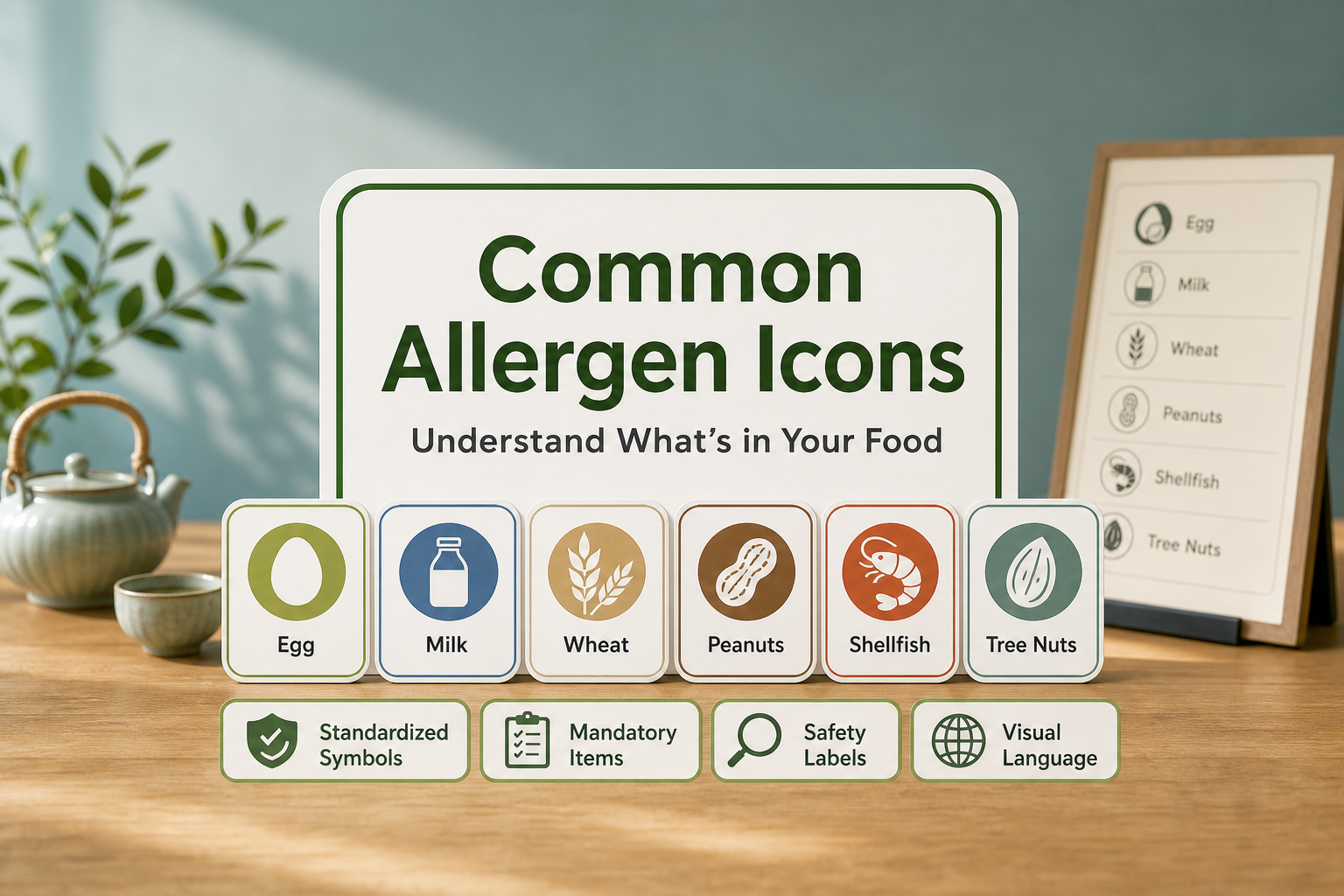
Understanding the visual language of Japanese food labels is essential when an allergy friendly restaurants English menu is not available. National food labeling regulations require certain high-risk allergens to be clearly marked on processed foods, and most major restaurant chains follow these guidelines in their allergy charts. These mandatory items are often represented by easy-to-recognize pictograms even on Japanese-only menus.
In addition to the mandatory items, there are numerous recommended items that Japanese businesses are encouraged to label, such as soy, pork, chicken, and gelatin. When dining in Shizuoka, you may notice these icons on the bottom of menu pages or on a laminated sheet provided upon request. Learning to identify the Kanji for your specific allergy can serve as a vital backup to an English menu, providing an extra layer of safety during your culinary journey.
参考: translation tools for restaurants
Essential English phrases for communicating food allergies in a restaurant setting
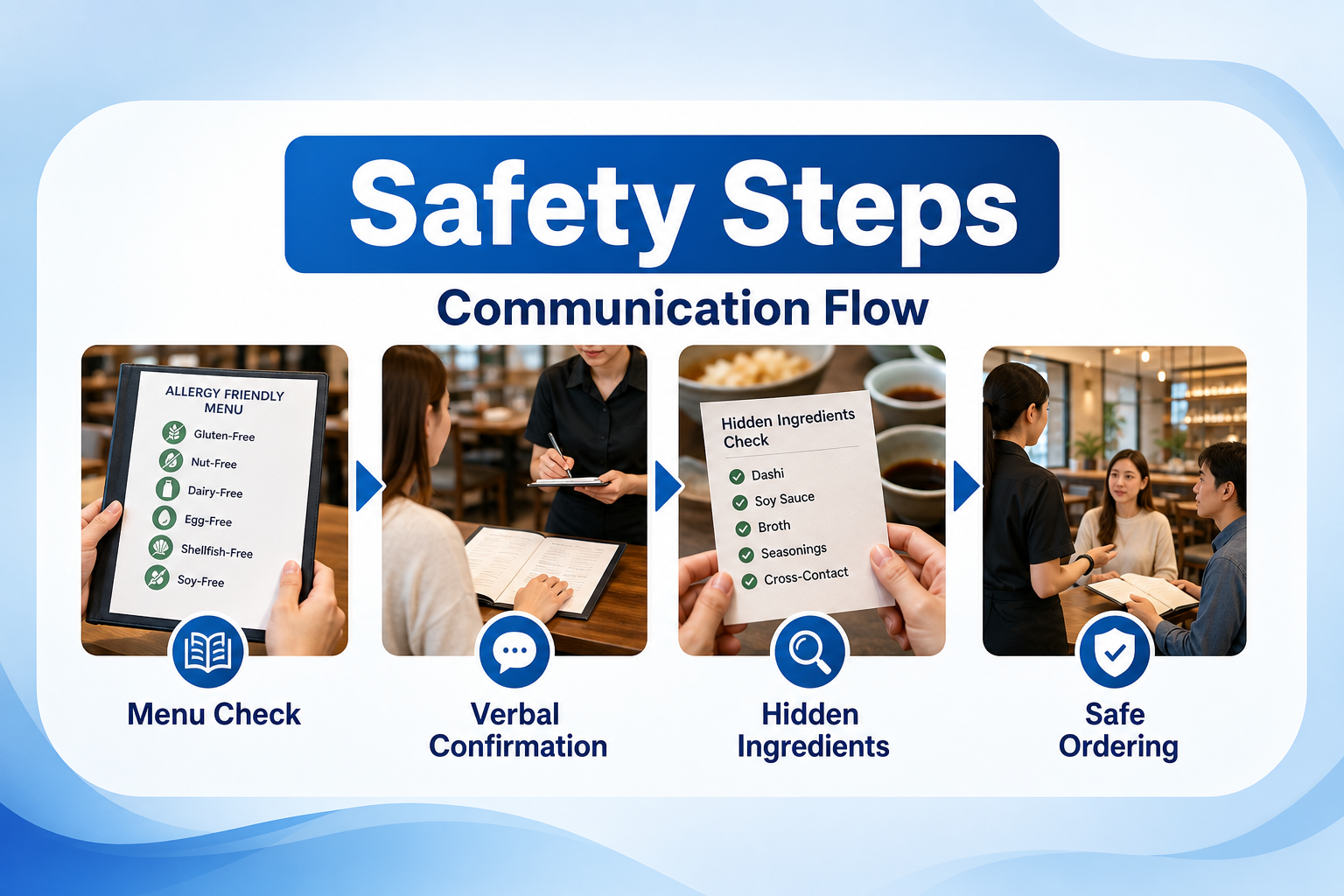
Even with an allergy friendly restaurants English menu, verbal confirmation with the staff is a critical safety step. Using simple, direct phrases helps ensure that the server understands the severity of your request and can check for hidden ingredients like dashi (fish stock) or soy sauce that might contain allergens. For instance, clearly stating ‘I have a severe allergy to…’ is much more effective than saying ‘I don’t like…’, as it alerts the kitchen to take cross-contamination precautions.
Based on industry best practices, it is recommended to repeat your allergy at three points: when being seated, when ordering, and when the food is delivered. This redundancy minimizes the chance of a mistake during busy shifts. In tourist-heavy areas like Shizuoka’s Gofuku-cho, many restaurant staff are becoming more accustomed to these requests, but having a set of standard phrases ready will give you the confidence to enjoy your meal without unnecessary worry.
- Initial Disclosure: Say: ‘I have a food allergy. Do you have an English menu with allergy information?’ This immediately establishes your needs before you look at the food options.
- Specific Inquiries: Say: ‘Does this dish contain [allergen]?’ or ‘Can you make this without [allergen]?’ Be specific about ingredients like ‘wheat’ rather than just ‘gluten’.
- Severe Reaction Warning: Say: ‘It is a very serious allergy. Even a small amount is dangerous.’ This encourages the staff to consult with the head chef directly.
- Final Confirmation: When the plate arrives, ask: ‘Just to confirm, this does not have [allergen], correct?’ This final check is your last line of defense.
参考: Shizuoka inbound tourism growth
Why is an allergy friendly restaurants English menu crucial for Shizuoka’s inbound growth?
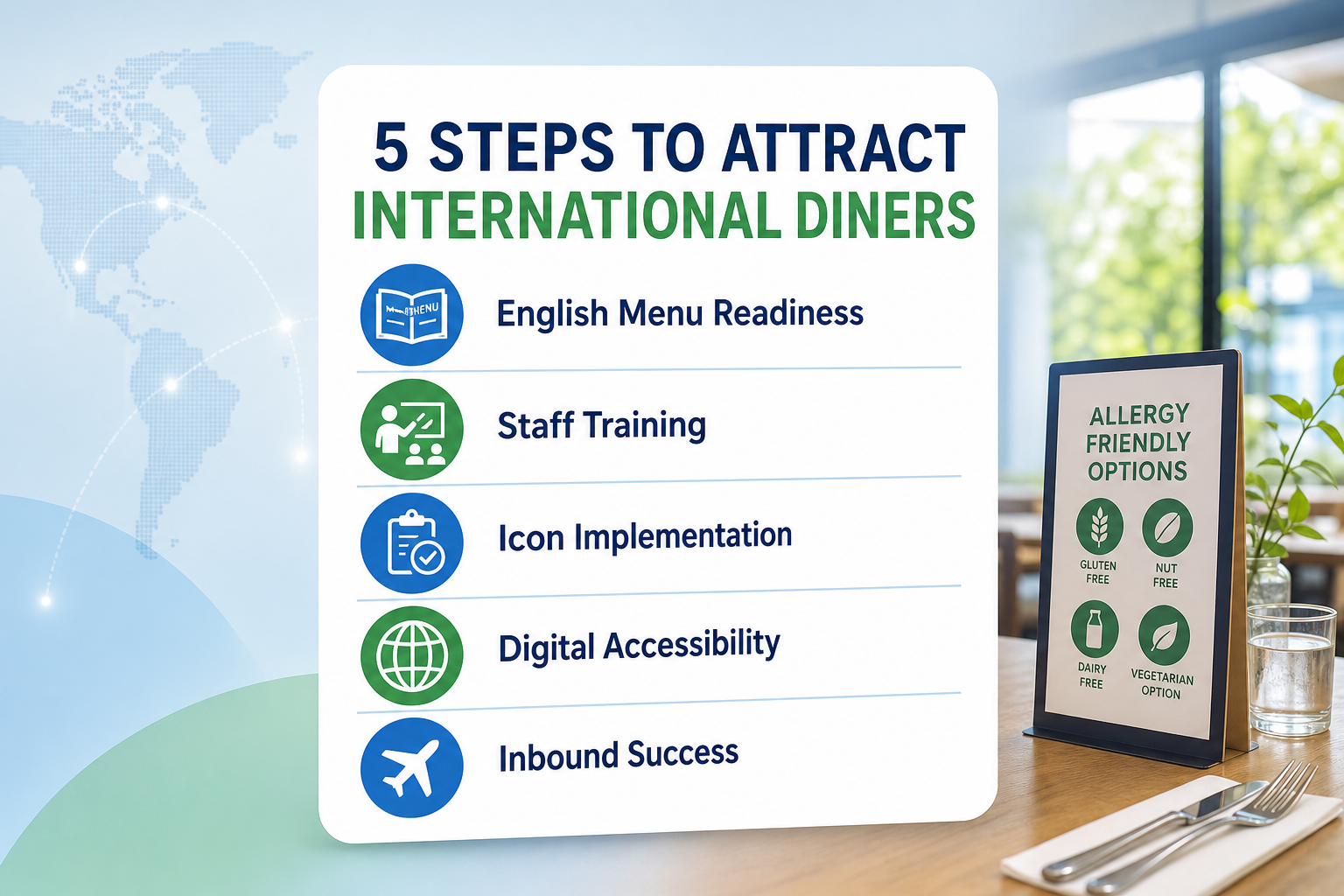
As Shizuoka Prefecture aims to attract more international visitors, the availability of an allergy friendly restaurants English menu has become a key competitive advantage for local businesses. International travelers prioritize safety and inclusivity, and they are more likely to frequent and recommend establishments that cater to diverse dietary needs. For a region famous for its seafood and green tea, providing clear information about common allergens like shellfish or milk is essential for building a welcoming global brand.
The economic impact of becoming ‘allergy-friendly’ is significant, as it opens the door to large tour groups and families who might otherwise avoid the area due to safety concerns. By investing in multilingual menus and staff training, Shizuoka’s restaurants can tap into the growing inbound market, leading to increased revenue and sustainable regional growth. At Glocal by Shinker, we have observed that businesses with clear English communication strategies see a measurable rise in overseas customer engagement.
参考: Shizuoka restaurant marketing
The legal landscape of food allergen labeling in Japan for business owners
For restaurant owners in Shizuoka, understanding the legal requirements of national food labeling laws is the first step toward creating a safe dining environment. While the strictest labeling laws currently apply to pre-packaged processed foods, there is an increasing expectation for restaurants to provide accurate allergen information to consumers upon request. Providing an allergy friendly restaurants English menu is not just a hospitality gesture; it is a proactive measure to prevent health incidents and potential legal liabilities.
The Japanese government has identified several mandatory allergens that must be labeled on processed goods because of the frequency and severity of the allergic reactions they cause. While restaurants are currently ‘encouraged’ rather than ‘mandated’ to label these on menus, the tourism industry’s shift toward global standards means that those who fail to provide this information risk losing out on the lucrative inbound market.
How to create a multilingual allergy menu that builds trust with international guests
Creating an effective allergy friendly restaurants English menu involves more than just translating ingredient names; it requires a clear, visual layout that transcends language. Using standardized icons for common allergens allows diners to scan the menu quickly and safely. For business owners in Shizuoka, this means auditing your current recipes and documenting every ingredient, including those found in pre-made sauces or seasonings, to ensure absolute accuracy for your international guests.
Incorporating digital solutions, such as QR code menus that link to a multilingual database, can make it easier to update ingredient information in real-time. This is particularly useful for seasonal dishes that are common in Shizuoka’s culinary scene. By providing this level of detail, you demonstrate a commitment to guest safety, which is a powerful way to build long-term trust and receive positive reviews on platforms like TripAdvisor and Google Maps.
- Audit Your Ingredients: Work with your kitchen staff to list every allergen in your dishes. Don’t forget to check the labels of base ingredients like dashi, soy sauce, and oils.
- Use Standardized Icons: Adopt the widely recognized icons for mandatory and recommended allergens. This makes your menu accessible even to non-English speakers.
- Include a Disclaimer: Add a clear statement in English regarding cross-contamination risks. This manages guest expectations and protects your business legally.
- Train Your Staff: Ensure your front-of-house team knows how to present the allergy menu and how to communicate basic safety information in English.
How can professional inbound marketing help your business attract international diners with dietary needs?
Simply having an allergy friendly restaurants English menu is not enough; potential guests need to know it exists before they arrive. Professional inbound marketing services, like those offered by Glocal by Shinker, help your restaurant become visible to international travelers searching for safe dining options online. By optimizing your Google Business Profile and managing English-language social media, we ensure that your commitment to allergy safety is promoted to the right audience at the right time.
Our team at Shinker Inc. specializes in connecting Shizuoka’s local businesses with the global market. We provide comprehensive support, from multilingual website development to OTA optimization and digital advertising. By highlighting your restaurant’s unique features—such as your allergy-friendly protocols—we help you build a reputation as a must-visit destination for inbound tourists, leading to sustainable growth and increased bookings.
| Plan Name | Monthly Fee | Main Services |
|---|---|---|
| Economy | Details are available upon request | English Instagram management |
| Standard | Details are available upon request | Instagram, YouTube Shorts, and TikTok |
| Premium | Details are available upon request | Standard + X (Twitter) management |
Frequently Asked Questions
Q1. What is an allergy friendly restaurants English menu?
It is a specialized menu provided by dining establishments that lists common allergens in English. These menus use clear text and icons to help international travelers identify safe meal options without needing to speak Japanese.
Q2. How do I read allergen labels if I do not understand Japanese characters?
Most major chains use standardized icons representing ingredients like milk, eggs, and wheat. By comparing these symbols to an English guide or legend, you can verify which dishes are safe to consume regardless of the language barrier.
Q3. Are these English menus available at all small local restaurants?
While major chains are increasingly offering English allergen menus, smaller independent shops may not have them yet. It is always best to check for these menus at the entrance or use a professional translation guide when visiting local spots.
Q4. Why is it important for regional businesses to offer these specialized menus?
Providing English allergen information helps attract international tourists who might otherwise avoid local dining. It builds trust and ensures that visitors with dietary restrictions can safely enjoy regional cuisine, supporting the growth of the local travel industry.
Q5. What should I do if a restaurant does not have an English menu?
If an English menu is unavailable, you can use allergen identification cards or look for standardized allergen icons. Professional inbound marketing guides often provide tools to help travelers communicate their specific dietary needs to restaurant staff safely.