Master Shizuoka inbound tourism needs with our 5-step Opportunity Map. Learn to attract international visitors and boost revenue with data-driven strategies.
Many Shizuoka business owners feel the pressure of rising international visitor numbers but struggle to translate this traffic into consistent revenue due to language barriers and a lack of digital presence.
This article provides a data-driven ‘Opportunity Map’ to help you identify specific Shizuoka inbound tourism needs and implement a practical 5-step growth strategy for your local business.
What are the core Shizuoka inbound tourism needs among top international segments?
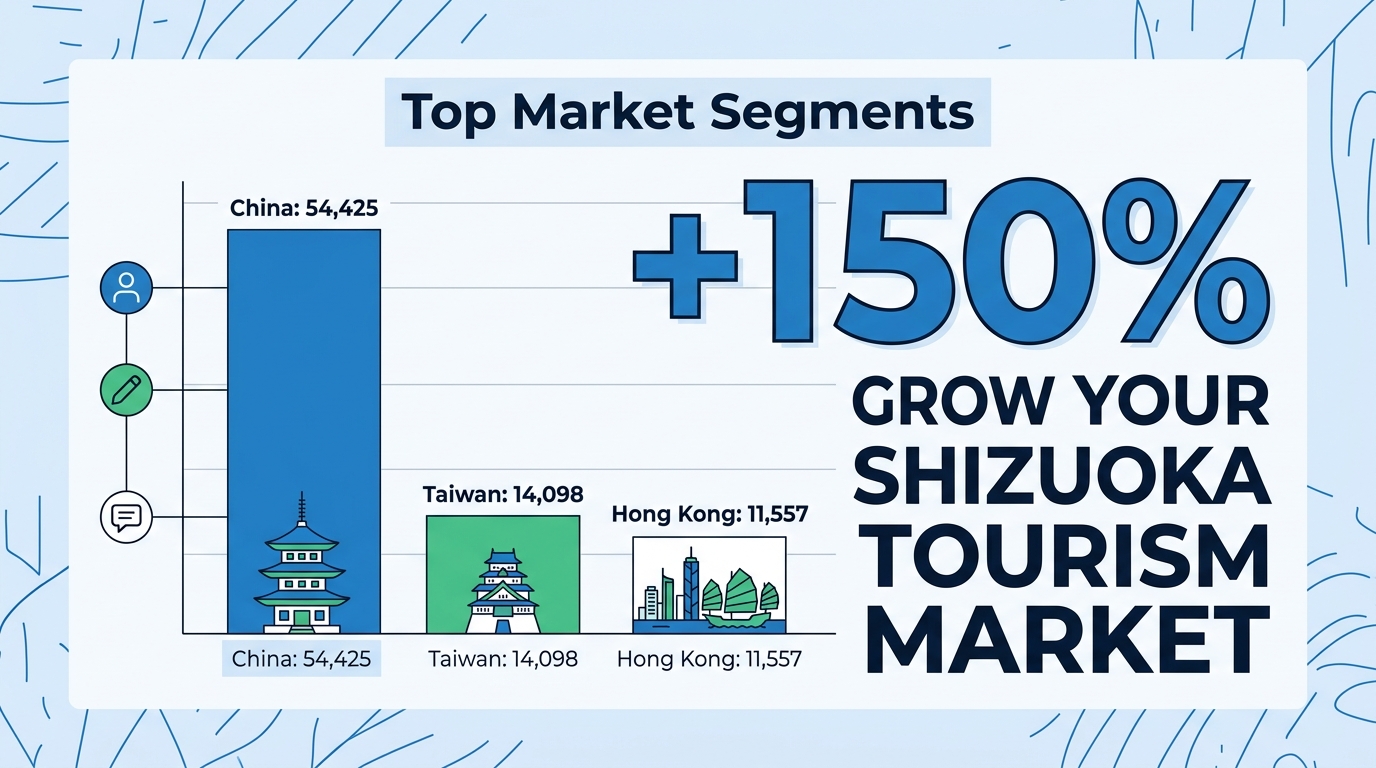
To effectively capture the market, businesses must look at the specific nationalities driving growth. According to data from Honichi.com, China leads the visitor count with 54,425 people, followed by Taiwan at 14,098 and Hong Kong at 11,557. Each of these segments has distinct preferences; for instance, while Chinese travelers often prioritize shopping, Taiwanese and Hong Kong visitors frequently seek out unique regional experiences and nature-based activities that differ from the typical ‘Golden Route’ attractions.
The demand for regional exploration is shifting away from generic sightseeing toward deep cultural immersion. Travelers from these top Asian markets are increasingly looking for ‘hidden gems’ in Shizuoka, such as local tea plantations or traditional workshops, which fulfill their Shizuoka inbound tourism needs for authenticity. Businesses that can communicate their unique story in the traveler’s native language or English are seeing a much higher conversion rate in bookings and foot traffic.
Segment-Specific Consumption Habits
undefined
参考: インバウンド誘客促進事例集
出典・参考: JNTOによる静岡市のインバウンド統計
Which unique regional experiences satisfy high-growth Shizuoka inbound tourism needs?

Shizuoka possesses a ‘Manufacturing Paradise‘ reputation that resonates deeply with international hobbyists. Visitors show immense interest in local industries such as plastic models, RC cars, mini 4WD, and electronic instruments. These are not just products but cultural exports that create a specific niche of Shizuoka inbound tourism needs. Enthusiasts often travel specifically to visit the headquarters or specialized shops of world-renowned brands located right here in our prefecture.
Beyond industrial hobbies, the natural landscape and agricultural heritage of Shizuoka offer unparalleled opportunities for ‘Green Tourism.’ The global demand for Japanese green tea has turned Shizuoka’s tea plantations into prime destinations for experiential travel. International visitors are looking for more than just a cup of tea; they want to participate in the harvest, learn about traditional processing methods, and enjoy the scenic beauty of Mt. Fuji from the fields.
- Industrial Heritage Tours: Showcasing the precision of Shizuoka’s manufacturing through factory tours or specialized retail experiences for model and motorcycle enthusiasts.
- Tea Culture Immersion: Moving beyond retail to offer tea-picking experiences, tea-pairing workshops, and farm-stay opportunities that satisfy the need for slow travel.
- Outdoor Adventure near Mt. Fuji: Utilizing the prefecture’s geography to offer hiking, cycling, and glamping experiences that emphasize the iconic views of Mt. Fuji.
How can business owners map their services to Shizuoka inbound tourism needs?
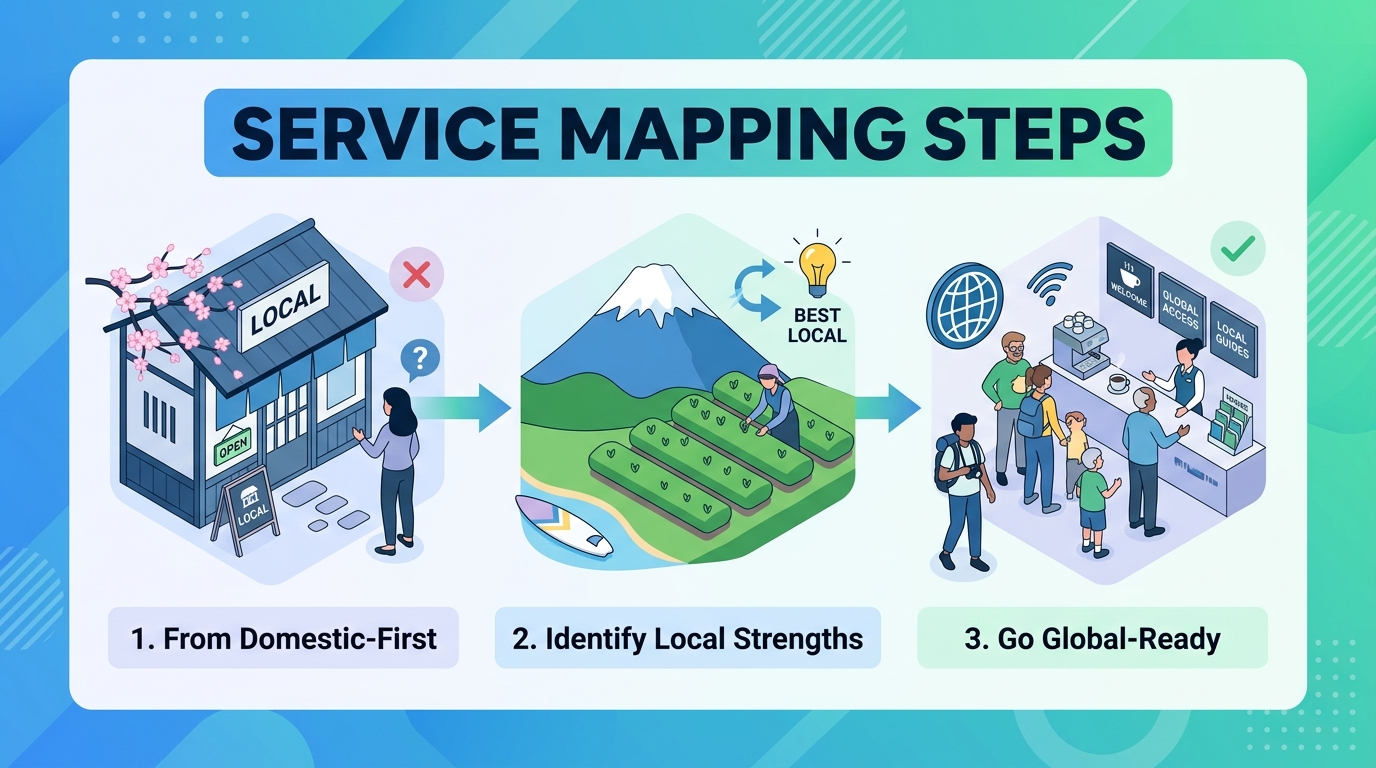
Mapping your services requires a transition from a ‘domestic-first’ mindset to a ‘global-ready’ approach. This starts with identifying which part of your current offering appeals most to international sensibilities. For a ryokan, it might be the traditional architecture; for a restaurant, it might be the use of local Shizuoka produce like wasabi or sakura shrimp. Aligning these strengths with Shizuoka inbound tourism needs involves removing the friction points that prevent foreigners from engaging with your business.
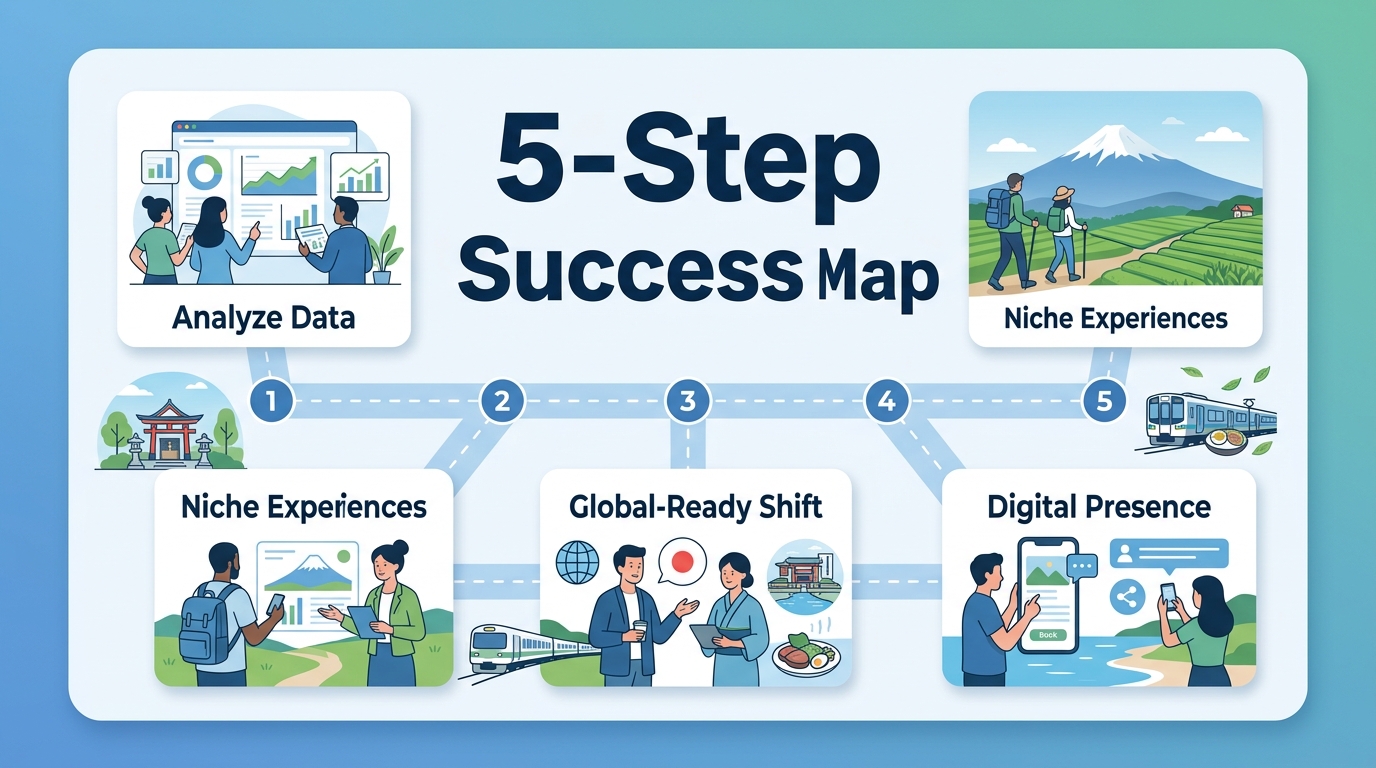
Practical implementation involves a 5-step strategy: Audit, Translate, Optimize, Engage, and Analyze. By auditing your current customer journey, you can identify where international guests might get confused—whether it’s the booking process or the menu. Small changes, such as adding English descriptions of ingredients or clear signage for dietary restrictions, can significantly improve the guest experience, and many businesses utilize Shizuoka tourism subsidies to offset the costs of these upgrades.
- Step 1: Experience Audit: Identify your unique selling points (USPs) that appeal specifically to foreign travelers, focusing on authenticity and local flavor.
- Step 2: Multilingual Content Creation: Translate your menus, websites, and signs into English and other key languages like Chinese or Taiwanese, ensuring natural and professional phrasing.
- Step 3: OTA and Google Maps Optimization: Ensure your business is discoverable on platforms like Booking.com, Airbnb, and Google Maps with high-quality photos and English descriptions.
- Step 4: Active Social Media Engagement: Use platforms like Instagram to share visual stories of your business, utilizing relevant hashtags to reach travelers planning their Shizuoka trip.
- Step 5: Feedback Loop Integration: Encourage international guests to leave reviews and use that feedback to continuously refine your service to better meet Shizuoka inbound tourism needs.
参考: 「インバウンド受入環境整備高度化事業」の三次公募を開始します
What digital marketing tools best capture current Shizuoka inbound tourism needs?
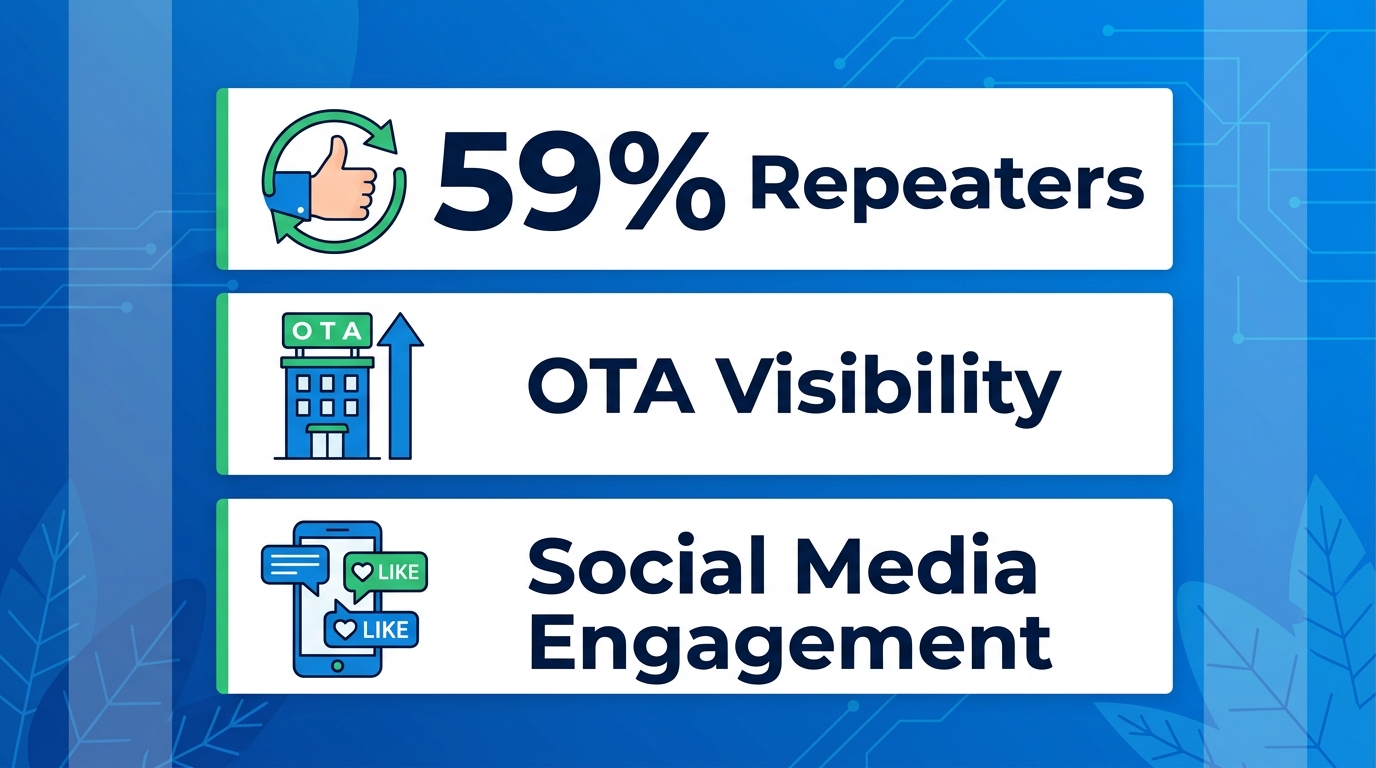
Digital visibility is the currency of the modern tourism industry. For Shizuoka businesses, the most critical tools are Online Travel Agencies (OTAs) and social media. According to regional data, over 59% of visitors are repeaters, meaning they often search for specific, niche experiences online before their second or third visit. Developing a comprehensive Shizuoka inbound tourism marketing plan is no longer optional; it is the primary way to capture the attention of these high-intent travelers.
Instagram and YouTube Shorts have become essential for visual storytelling. Shizuoka’s scenic beauty—from the Izu Peninsula to the tea fields of Makinohara—is highly ‘Instagrammable.’ By creating short, engaging video content in English, local businesses can tap into the Shizuoka inbound tourism needs for visual inspiration. This digital-first approach helps build trust with potential visitors before they even leave their home country.
| Platform | Target Audience | Primary Purpose |
|---|---|---|
| Instagram (English) | Western & Younger Asian Travelers | Visual inspiration and brand awareness |
| OTAs (Booking/Airbnb) | Global Travelers | Direct bookings and availability management |
| Google Business Profile | Active Travelers in the Area | Local search and foot traffic (Maps) |
| Little Red Book (Xiaohongshu) | Chinese Travelers | Shopping and lifestyle recommendations |
参考: インバウンド消費動向調査(旧 訪日外国人消費動向調査)
Decoding the Economic Impact: Spending Behaviors in Shizuoka
The economic ripple effect of inbound tourism in Shizuoka is substantial, with the general economic impact estimated at 83.6 billion yen. This wealth is distributed across retail, accommodation, and food services. However, to get a piece of this pie, businesses must understand that spending is not uniform. For example, while some segments spend heavily on luxury stays, others prefer budget-friendly accommodations but spend lavishly on high-quality local dining and unique cultural workshops.
By analyzing the 2018 travel and tourism consumption trends, we see that repeat visitors (who make up nearly 60% of the market) tend to spend more on ‘experiences’ rather than just ‘goods.’ This shift means that Shizuoka businesses should focus on value-added services—such as guided tours or exclusive tasting menus—to satisfy the evolving Shizuoka inbound tourism needs. Higher per-capita spending is often achieved by offering something that cannot be found in Tokyo or Osaka.
出典・参考: 静岡経済研究所の経済波及効果レポート
Overcoming Operational Challenges for Small-to-Medium Tourism Businesses
Small business owners in Shizuoka often face the triple challenge of limited time, a small staff, and a lack of English proficiency. These hurdles can make the task of addressing Shizuoka inbound tourism needs feel overwhelming. However, the key is not to do everything at once but to implement scalable systems. Implementing professional English support for the tourism industry through a hybrid strategy can bridge the gap without requiring the owner to become fluent in English or spend hours on social media.
Efficiency in digital management is also crucial. For instance, using a channel manager for OTAs can prevent double-bookings and save hours of manual entry. Similarly, outsourcing social media management allows the staff to focus on what they do best: providing authentic Japanese hospitality. By automating the ‘discovery’ and ‘booking’ phases, businesses can dedicate their energy to the ‘experience’ phase, ensuring that every international guest leaves with a memory worth sharing.
出典・参考: 静岡経済研究所による受入体制の調査報告
Real-World Success: Proven Results in Shizuoka Inbound Marketing
Our company’s results demonstrate the power of a focused inbound strategy. For example, a regional hotel in Shizuoka partnered with Glocal to improve its visibility among international travelers. By optimizing OTA listings and creating English-language content, the hotel significantly increased its exposure to overseas audiences. This established a stronger online presence and led to a surge in inquiries and bookings from international guests, proving that even traditional businesses can thrive in the global market.
In the dining sector, attracting foreign tourists to restaurants often involves optimizing digital touchpoints like Google Business Profiles. A local restaurant implemented our multilingual marketing strategy, including English Instagram management and Google Business Profile optimization. As a result, the restaurant became much easier for international tourists to discover online. This increased engagement from overseas visitors and strengthened its position as a popular dining destination for those exploring Shizuoka, showcasing how digital tools meet immediate Shizuoka inbound tourism needs.
Conclusion: Your Path to Capturing Shizuoka Inbound Tourism Needs
The potential for growth in Shizuoka’s inbound market is undeniable. With over 1.76 million overnight stays recorded in the mid-2010s and a steady rise in high-spending repeaters, the opportunity for local businesses is vast. By understanding the specific Shizuoka inbound tourism needs of different segments and adopting a digital-first approach, you can ensure your business remains competitive and sustainable in an increasingly globalized industry.
At Glocal by Shinker, we are dedicated to connecting Shizuoka with the world. Our team, led by experts with international experience, provides the tools and strategies you need to attract and satisfy international visitors. From multilingual web design in Shizuoka to OTA optimization, we handle the complexities of inbound marketing so you can focus on delivering exceptional hospitality to your guests.
Ready to Grow Your Business?
undefined
Frequently Asked Questions
Q1. What are Shizuoka inbound tourism needs?
These needs refer to the specific preferences and requirements of international visitors traveling to Shizuoka. They include demands for unique local experiences, accessible digital information, and services that bridge language gaps to help travelers navigate the region and enjoy its cultural offerings comfortably.
Q2. How can a small business begin using the Opportunity Map?
Business owners should start by identifying which international visitor segments they currently serve. From there, they can follow the map’s steps to align their specific services, such as local food or tours, with the known preferences and high-growth needs of those specific traveler groups.
Q3. What is the best way to overcome the language barriers mentioned?
To address language gaps, businesses can implement simple digital tools like translation apps or multilingual signage. Providing visual menus and clear, easy-to-read instructions helps international guests feel more welcome and reduces the stress of communication for both the staff and the visitors.
Q4. Why is a digital presence so important for capturing these needs?
Most international tourists plan their trips and find activities through online searches. A strong digital presence ensures that your business is visible to travelers looking for Shizuoka-specific experiences, allowing them to find, book, and share your services more easily during their journey.
Q5. What types of regional experiences are most effective for growth?
Experiences that highlight Shizuoka’s unique identity, such as local nature or traditional activities, are highly effective. These satisfy the demand for authentic regional encounters that international travelers seek out when looking for something different from the typical experiences found in larger metropolitan cities.