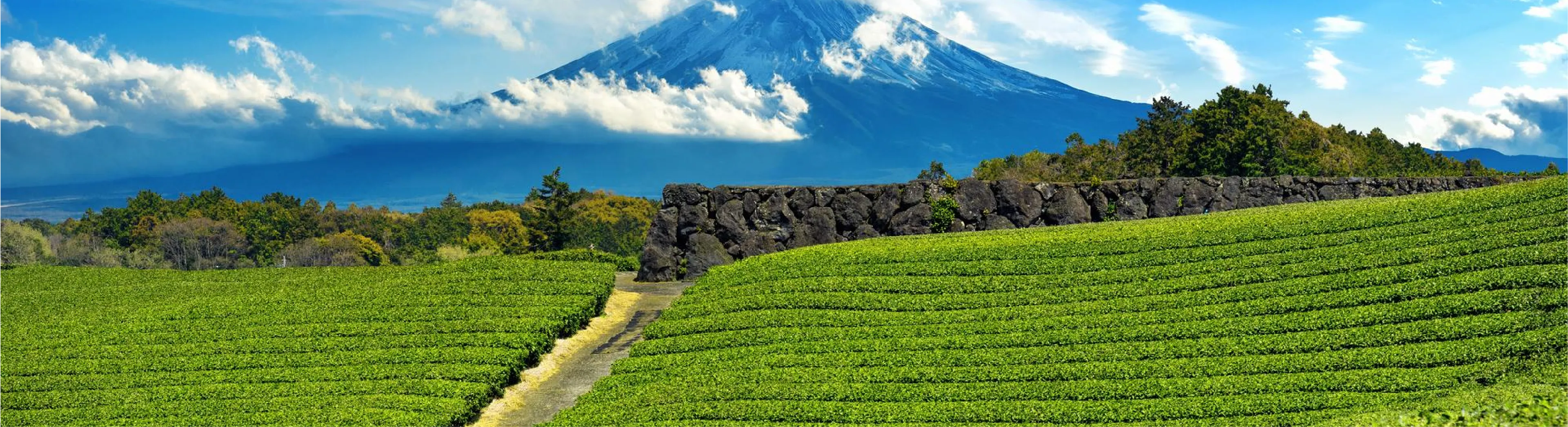
Experience Shizuoka cycling tours with 5 scenic routes offering iconic Mt. Fuji views. Find info on rentals, guided tours, and the best time to visit Japan.

Many international travelers dream of exploring Shizuoka’s scenic landscapes by bike but often struggle to find comprehensive English guides on routes, rentals, and support services.
This expert guide provides actionable insights into the best Shizuoka cycling tours, featuring five iconic routes, logistical advice, and professional support to ensure a seamless Mt. Fuji experience.
What makes Shizuoka cycling tours the best way to experience Mt. Fuji?
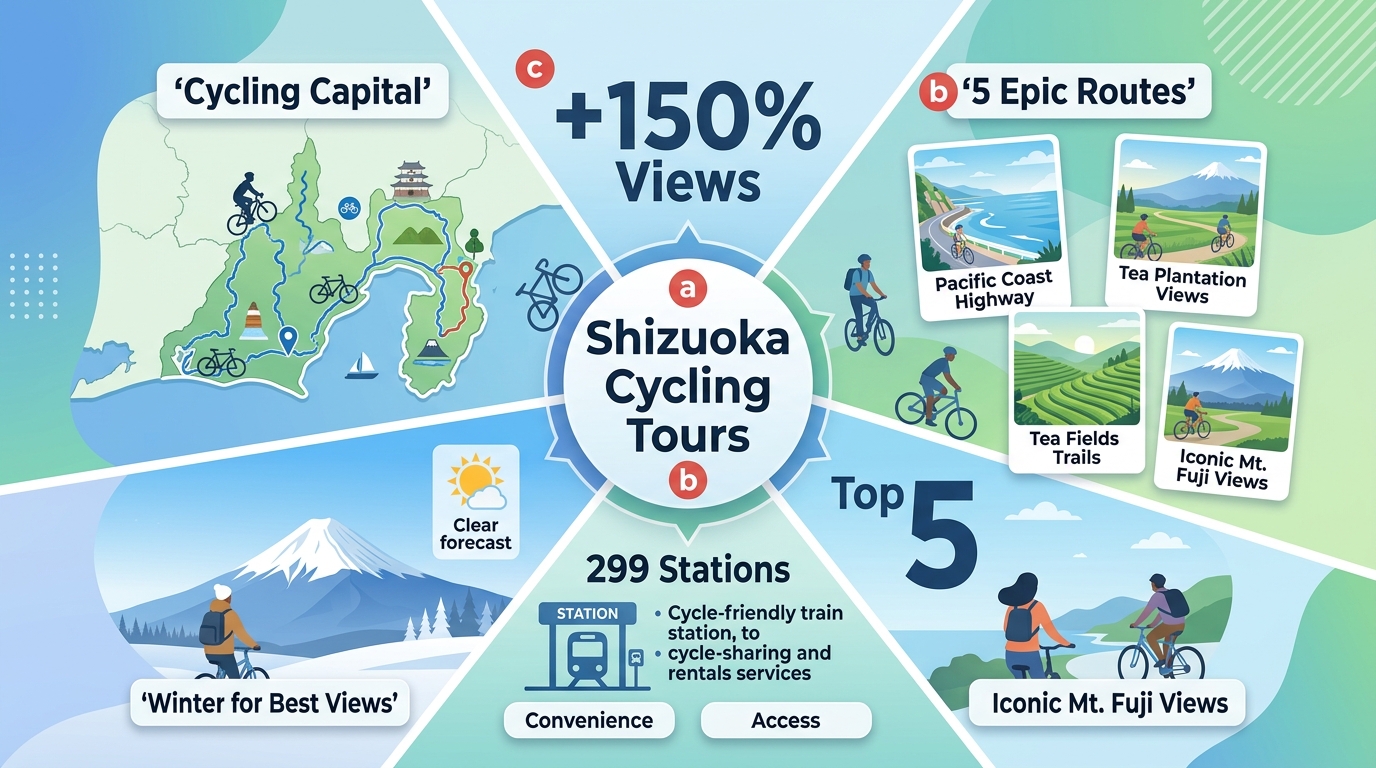
Shizuoka is widely recognized as the cycling capital of Japan, offering a unique vantage point of Mt. Fuji that motorized travel simply cannot match. By choosing Shizuoka cycling tours, visitors can engage with the landscape at their own pace, moving through coastal roads, lush tea plantations, and challenging mountain passes that reveal the mountain’s changing face. The prefecture has actively invested in ‘Cycle Wellbeing‘ initiatives, ensuring that the infrastructure supports both casual riders and serious athletes seeking world-class views.
The growth of cycle tourism in Shizuoka is backed by significant data, showing a 15.6% increase in international visitors during the first half of 2018, a trend that has continued as more travelers seek sustainable, outdoor experiences. Unlike the crowded urban centers, Shizuoka provides a sense of ‘slow travel‘ where the journey itself—punctuated by stops at local shrines or roadside cafes—becomes as valuable as the destination. This regional focus on high-quality cycling paths makes it a premier choice for inbound tourists looking for authenticity.
Which Shizuoka cycling routes offer the most iconic views of Mt. Fuji?
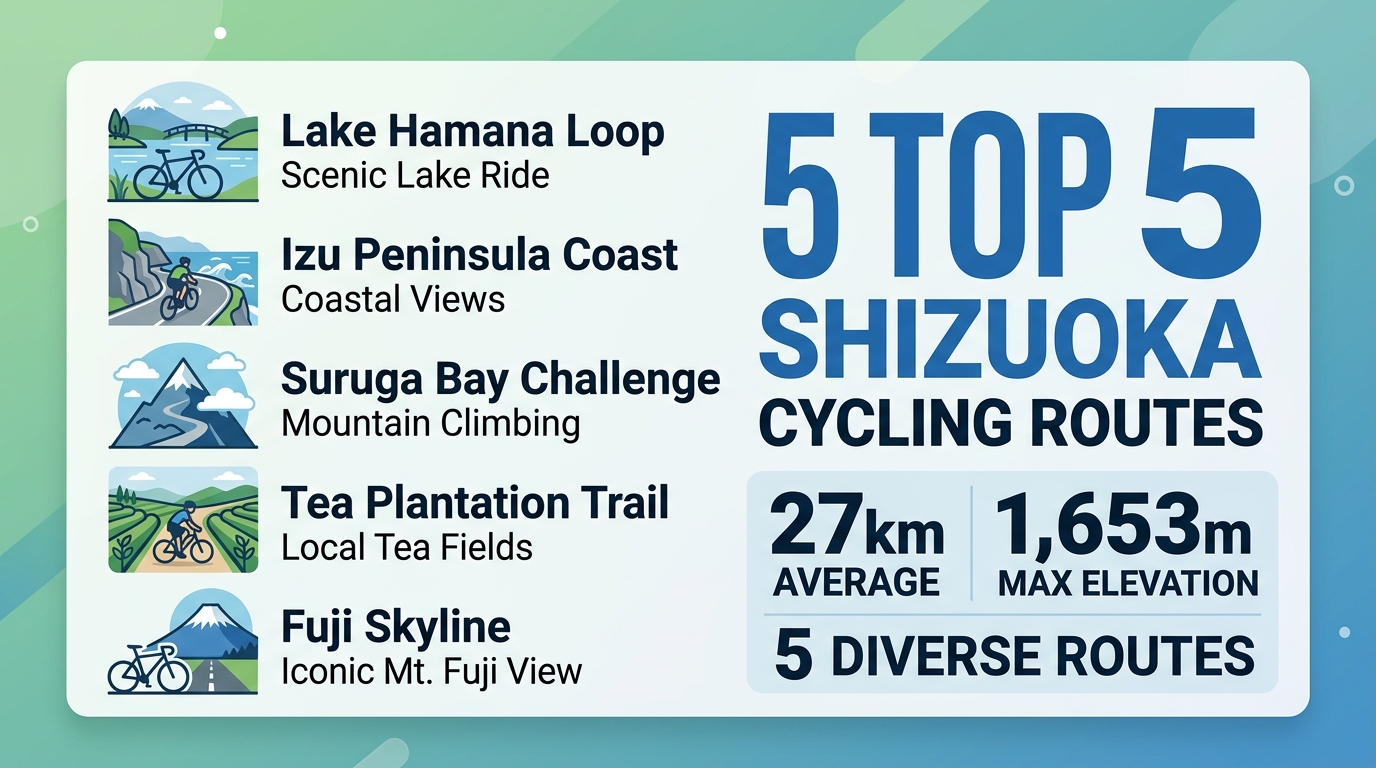
Selecting the right route is crucial for balancing physical challenge with visual rewards, especially when chasing the perfect view of Mt. Fuji. Shizuoka offers a diverse range of terrains, from the flat, accessible paths around Lake Hamana to the extreme gradients of the Fuji Skyline. For international visitors, these routes are not just exercise; they are curated cultural journeys that pass through historic districts and natural wonders.
For those seeking a professional-grade challenge, the Fuji Skyline route is the gold standard. Starting from Gotemba City and ending at the Fuji Subashiri 5th Station, this route covers approximately 27km with a staggering elevation gain of 1,653m. With an average gradient of 6.1%, it demands high stamina but rewards cyclists with an unparalleled, close-up encounter with Japan’s most sacred peak. This route is a highlight for many high-end Shizuoka cycling tours designed for experienced riders.
- The Fuji Skyline (Gotemba to 5th Station): A 27km elite climb with a 1,653m elevation gain, offering the most direct and intense experience of Mt. Fuji’s slopes.
- The Izu Peninsula Coastal Loop: A scenic route combining rugged Pacific coastlines with views of Mt. Fuji across Suruga Bay, ideal for multi-day tours.
- Lake Hamana (Hamanako) Circuit: A flat, 67km beginner-friendly loop that features calm water views, local eel delicacies, and distant mountain silhouettes.
- The Suruga Bay Ferry Route: A unique ‘cycle and sail’ experience where riders cross the bay by ferry, enjoying 360-degree views of Fuji from the water.
- Nihondaira Tea Plantation Trails: A moderate climb through Shizuoka’s iconic green tea fields, providing a classic ‘Green Tea and Fuji’ photographic opportunity.
How can travelers easily access bike rentals and support for Shizuoka cycling tours?
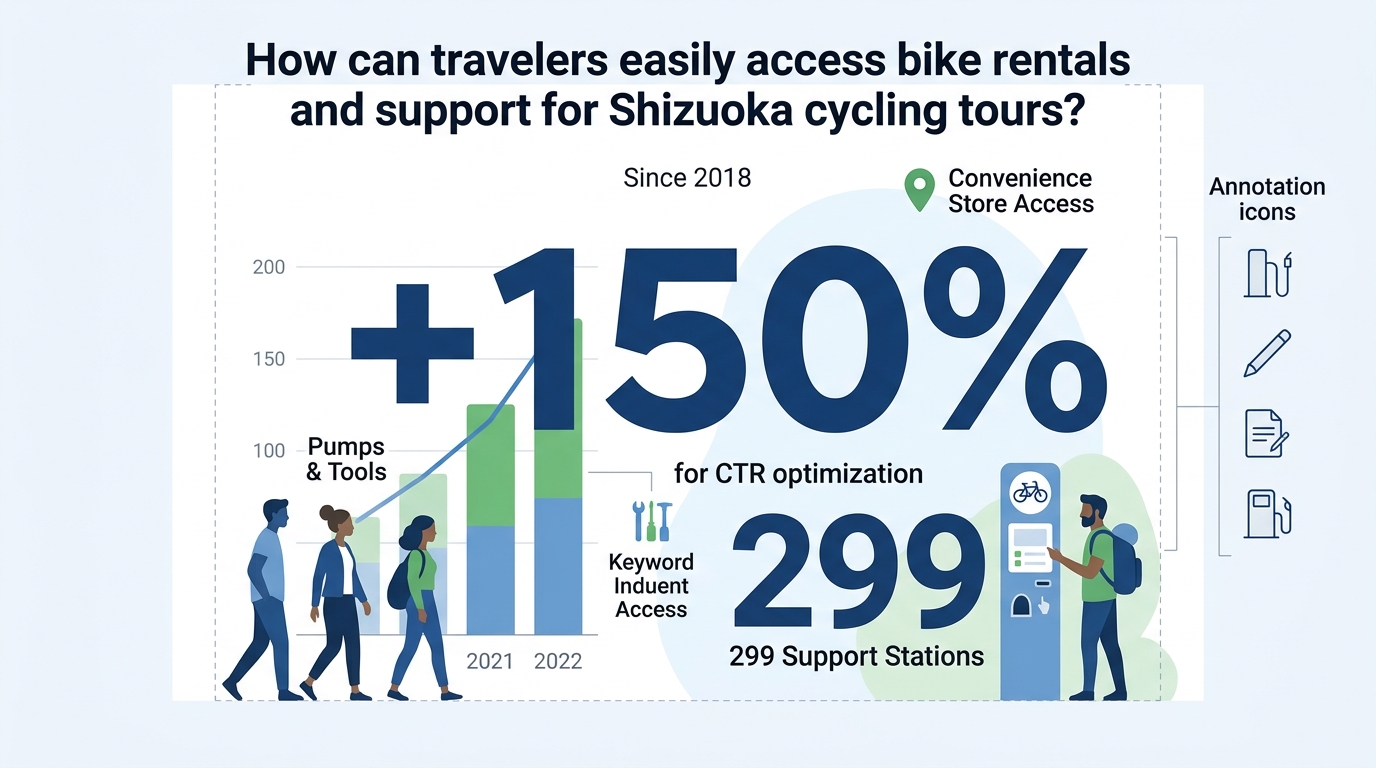
Logistical ease is a hallmark of the Shizuoka cycling experience, thanks to a robust network of support facilities. As of late 2018, the region boasted 299 registered ‘Cycle Support Stations,’ which provide essential services such as tire pumps, basic repair tools, and restroom access for passing cyclists. These stations are often located at convenience stores, roadside stations (Michi-no-Eki), and local businesses, creating a safety net for those on self-guided Shizuoka cycling tours.
For high-performance needs, international brands like GIANT have established rental hubs near major transit points, including Shizuoka Station and the Izu area. These hubs offer high-quality road bikes and E-bikes, which are becoming increasingly popular for tackling the prefecture’s hilly terrain. Travelers can easily book these through multilingual platforms, ensuring that equipment is ready upon arrival. This accessibility is a key factor in Shizuoka’s appeal to the global cycling community.
What unique local experiences and guided Shizuoka cycling tours are available for international visitors?
Guided tours offer a layer of cultural depth that solo riding often misses, connecting travelers with local stories and hidden culinary gems. Professional Shizuoka cycling tours typically maintain a strict guide-to-guest ratio of 1 guide per 5 to 10 participants to ensure safety and personalized attention. These tours often include curated stops at traditional wasabi farms, ancient shrines, or local ‘Sato-yama’ villages where riders can observe traditional rural life firsthand.
Customization is another strength of the local market, with operators offering bespoke itineraries that combine cycling with other activities like green tea picking or hot spring (onsen) relaxation. For instance, some tours integrate the Suruga Bay Ferry, allowing cyclists to rest their legs while crossing the water. These integrated experiences are specifically designed to meet the high expectations of inbound tourists who value both physical activity and cultural immersion.
When is the best time to book Shizuoka cycling tours for clear Mt. Fuji views?

Timing is everything when the primary goal is to see Mt. Fuji, as the mountain is notoriously shy and often hidden by clouds. Statistically, the winter months from November to February offer the highest probability of clear, crisp views, often with the iconic snow cap perfectly visible. While the air is colder, the dry weather and high visibility make this the ‘golden season‘ for photographers and serious cyclists alike.
Spring and autumn provide a more temperate climate, making them ideal for long-distance Shizuoka cycling tours. April offers the chance to ride through tunnels of cherry blossoms, while late October to November showcases vibrant fall foliage. However, riders should be aware that summer (June to August) brings high humidity and a higher chance of cloud cover obscuring the mountain, though it remains a popular time for high-altitude climbs like the Fuji Skyline where the air is cooler.
Practical safety tips and regulations for cycling in Shizuoka
Safety is paramount when navigating Japanese roads, which require cyclists to adhere to specific traffic laws. In Shizuoka, as in the rest of Japan, bicycles are legally classified as vehicles and must be ridden on the left side of the road. When riding in groups, it is recommended to maintain a distance of approximately two bike lengths (roughly 6 meters) between riders to allow for safe braking and maneuvering. This spacing is a standard practice in professionally guided Shizuoka cycling tours to prevent accidents.
Furthermore, cyclists should be aware of local regulations regarding sidewalk use and helmet requirements. While helmets are strongly encouraged for all and mandatory for children, the primary focus for adult safety is visible signaling and predictable riding. Many local businesses and ‘Cycle Support Stations’ also offer insurance information, which is increasingly recommended for international visitors participating in long-distance or high-gradient tours. Proper preparation ensures that the focus remains on the stunning scenery.
How Glocal by Shinker helps local businesses capture the cycling tourism market
As Shizuoka continues to grow as a global cycling destination, local businesses like hotels and restaurants face the challenge of effectively reaching international enthusiasts. Glocal by Shinker, led by CEO Hikaru Soneda, specializes in bridging this gap through targeted inbound marketing strategies. By optimizing OTA listings on platforms like Booking.com and TripAdvisor, we help regional accommodation providers become the first choice for cyclists looking for bike-friendly lodging near major routes.
Our team provides comprehensive support, including English social media management and multilingual website development, ensuring that the unique charm of Shizuoka’s cycling culture is communicated clearly to a global audience. Whether it is a ryokan near the Izu coast or a cafe along the Lake Hamana circuit, we implement data-driven solutions to increase visibility and bookings. For businesses ready to grow, our Standard Plan at ¥150,000/month offers a robust entry point into the international tourism market.
Case Study: Enhancing Visibility for Tourism Experience Providers
undefined
| Plan | Monthly Fee | Key Services | Target Business |
|---|---|---|---|
| Economy | ¥50,000 | OTA Optimization, Basic Support | Small Guesthouses |
| Standard | ¥150,000 | English SNS, OTA Management | Hotels & Restaurants |
| Premium | ¥200,000 | Full Multilingual Marketing | Resorts & Tour Operators |
出典・参考: 静岡大学による伊豆の自転車ツーリズム研修事例
Frequently Asked Questions
Q1. What are Shizuoka cycling tours?
Shizuoka cycling tours are organized or self-guided bike trips through Shizuoka Prefecture. These tours focus on scenic paths featuring views of Mt. Fuji, coastal roads, and tea plantations, often providing international visitors with necessary equipment, English maps, and support services.
Q2. Do I need to be an experienced cyclist to enjoy these routes?
No, these tours cater to all skill levels. While some routes involve hills, many paths are flat coastal trails suitable for beginners. Additionally, most rental shops offer electric-assist bicycles (e-bikes), making it easier for casual riders to navigate the terrain comfortably.
Q3. How do I find English-speaking support for my trip?
Many tour operators in Shizuoka now provide services specifically for international travelers. This includes English-speaking guides, translated route maps, and support vehicles. You can easily book these guided experiences online to ensure a smooth trip without language barriers.
Q4. Can I rent professional cycling gear locally?
Yes, bike rental hubs are conveniently located near major train stations and popular routes. They offer a range of bicycles, from high-performance road bikes to comfortable city bikes and e-bikes, along with essential safety gear like helmets and repair kits.
Q5. What happens if Mt. Fuji is not visible due to weather?
While clear views are best in winter, Shizuoka offers much more than just mountain scenery. Even on cloudy days, you can enjoy unique local experiences like visiting traditional tea houses, exploring coastal shrines, and tasting fresh regional seafood along the routes.