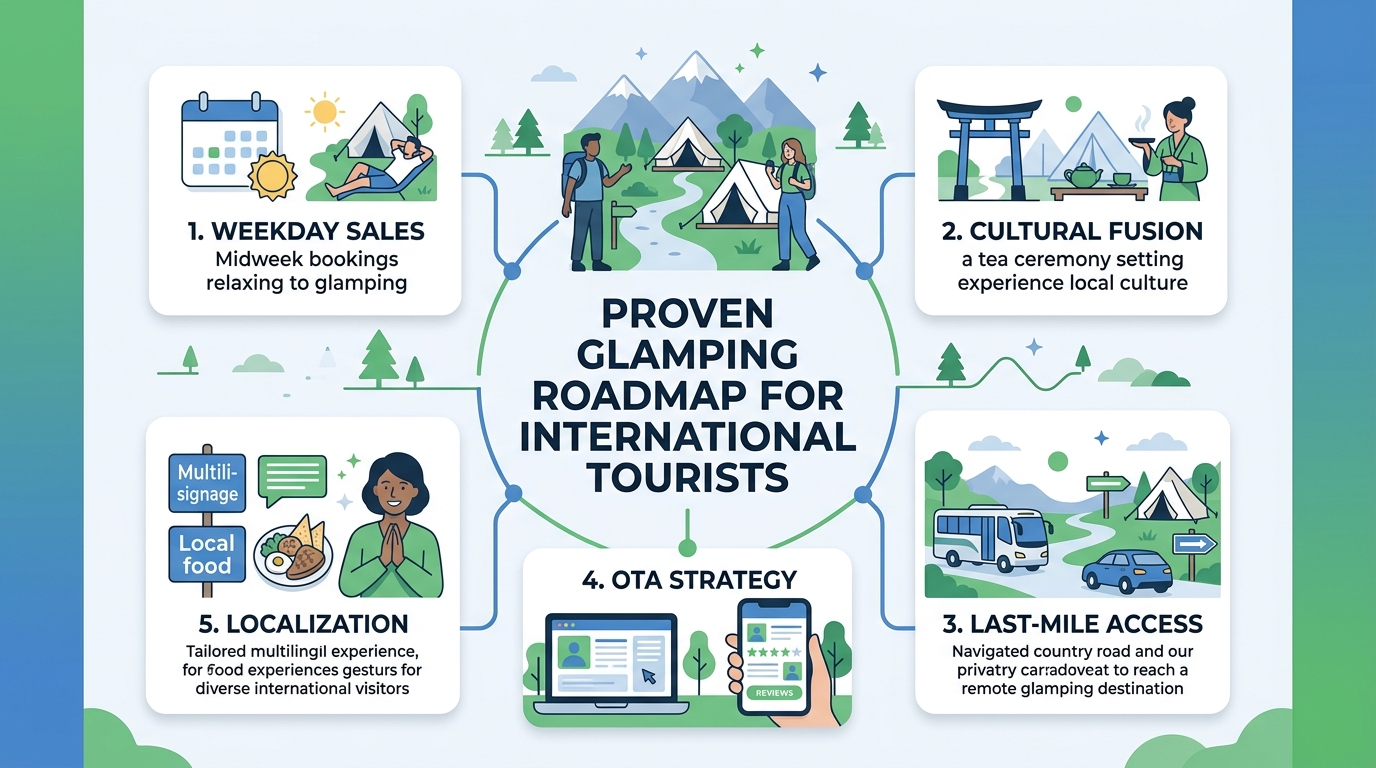
Master glamping marketing for international tourists with our 5-step roadmap. Increase weekday occupancy, solve transport issues, and attract high-spending guests.
Are you struggling to fill your glamping tents during the weekdays while your weekend bookings are consistently sold out to domestic travelers?
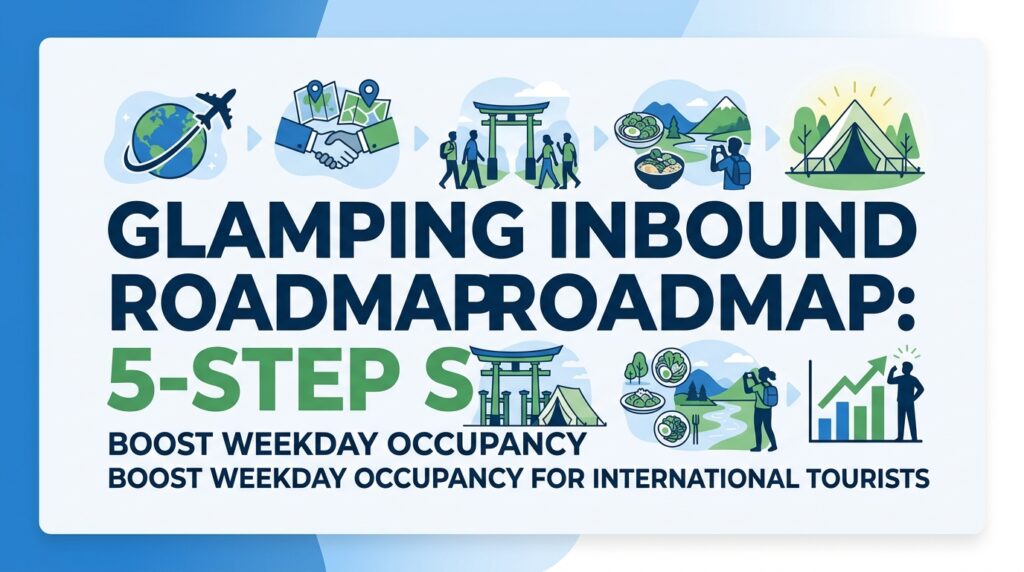
This article provides a comprehensive inbound roadmap for glamping marketing for international tourists, helping you tap into high-spending markets and maximize occupancy year-round.
Why is inbound marketing the key to glamping weekday occupancy?
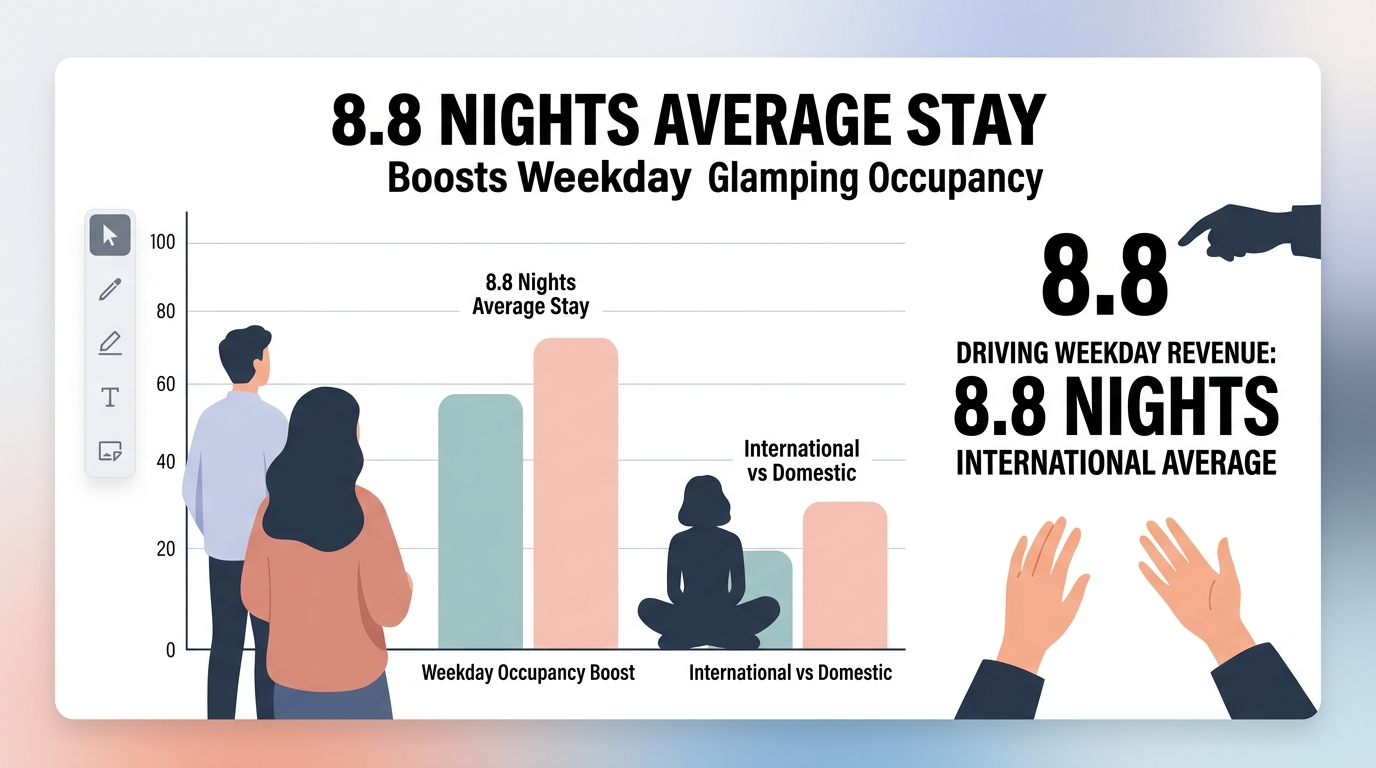
The primary challenge for many glamping operators is the sharp drop in occupancy from Monday to Friday. According to data from the Japan Tourism Agency, the average stay for international visitors is 8.8 nights, which naturally forces them to travel during weekdays. Unlike domestic guests who typically visit for a single Saturday night, international travelers are looking for immersive experiences that span several days, providing a consistent stream of revenue throughout the week.
Furthermore, international tourists are often less sensitive to seasonal fluctuations that affect the domestic market. While Japanese guests might only visit during public holidays like Golden Week or Obon, global travelers from different hemispheres have varying vacation schedules. This diversification helps mitigate the ‘off-season’ slump. For example, visitors from the southern hemisphere might seek Japan’s cool summers, while others look for the unique ‘winter glamping’ experiences that are becoming a global trend.
参考: インバウンド消費動向調査(旧 訪日外国人消費動向調査)
How can glamping sites create “Only-in-Japan” experiences for international guests?
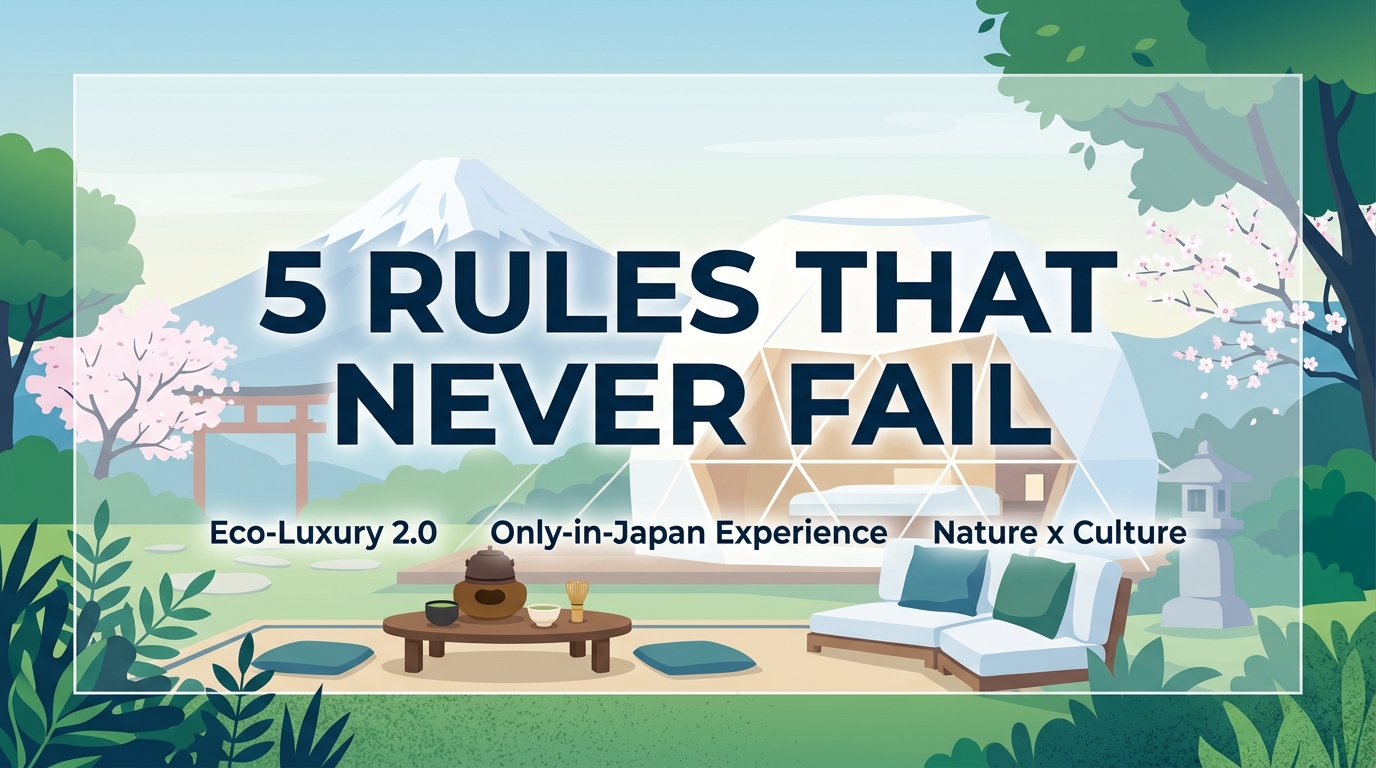
To attract high-spending international tourists, glamping facilities must move beyond offering just a ‘luxury tent.’ Global travelers are looking for ‘Eco-Luxury 2.0,’ where sustainability meets high-end comfort. In Japan, this means integrating local culture and nature into the stay. Whether it is a private tea ceremony overlooking Mt. Fuji in Shizuoka or a guided hike through ancient local forests, these ‘Only-in-Japan’ elements justify a higher price point.
Product-Market Fit is essential here. International guests often have different expectations for outdoor dining than domestic guests. While a standard Japanese BBQ is popular, offering locally sourced ingredients like Shizuoka Wagyu or seafood from Suruga Bay, paired with a selection of regional sake, creates a narrative-driven dining experience. Highlighting the ‘story’ of the food and the land is what turns a meal into a lasting memory for a foreign visitor.
Integrating Local Craftsmanship into Facility Design
undefined
参考: サステナブルな観光に資する好循環の仕組みづくり事例集
How do you solve the “last-mile” transportation challenge for car-less travelers?
One of the biggest barriers to glamping marketing for international tourists is the ‘last-mile’ problem. Many international travelers rely on the Japan Rail Pass and public transportation, and they may be hesitant to rent cars due to driving on the left side or lack of an international permit. If your facility is located in a remote area, you must provide clear, English-language instructions on how to reach you from major hubs like JR Shizuoka Station.
To truly differentiate your facility, consider offering a dedicated shuttle service or partnering with local taxi companies for a fixed-rate transfer. Another innovative solution is providing EV (Electric Vehicle) rentals or e-bikes at the nearest station. This not only solves the transportation issue but also aligns with the ‘Eco-Luxury’ trend that many global travelers prioritize. Making the journey seamless is just as important as the stay itself.
Which digital marketing channels drive the most international glamping bookings?
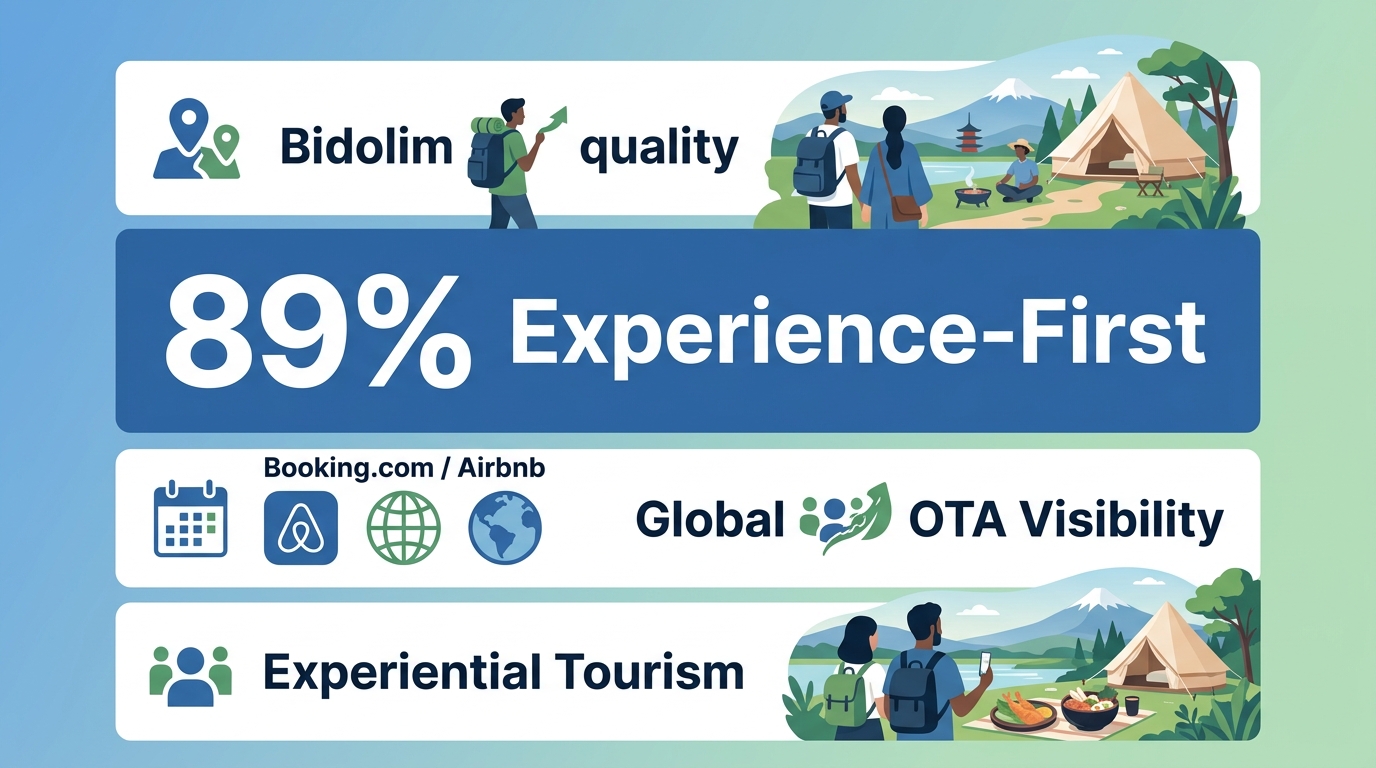
Effective glamping marketing for international tourists requires presence on global Online Travel Agencies (OTAs). While domestic sites like Jalan or Rakuten Travel are vital for the local market, international guests primarily use Booking.com, Airbnb, and TripAdvisor. It is reported that high-ranking visibility on these platforms is essential, as 89% of travelers are now prioritizing ‘experience-heavy’ trips and use these sites to compare reviews and amenities.
- OTA Optimization: Register on Booking.com and Airbnb with professional, high-quality photos and detailed English descriptions that highlight unique local activities.
- Instagram & TikTok: Use visual storytelling to showcase the ‘vibe’ of your facility. Short-form videos of a campfire or the sunrise over the mountains are highly shareable.
- Google Business Profile: Ensure your location is accurately marked on Google Maps with English reviews. This is the first place tourists look when planning their route.
- TripAdvisor Engagement: Actively respond to international reviews. High ratings here can drive significant traffic from Western travelers who value peer feedback.
- Multilingual Website SEO: Develop a website that targets keywords like ‘Glamping near Mt. Fuji’ or ‘Luxury camping Japan’ to capture direct search traffic.
参考: インバウンド消費動向調査(旧 訪日外国人消費動向調査)
What service localizations are necessary to attract high-spending global tourists?
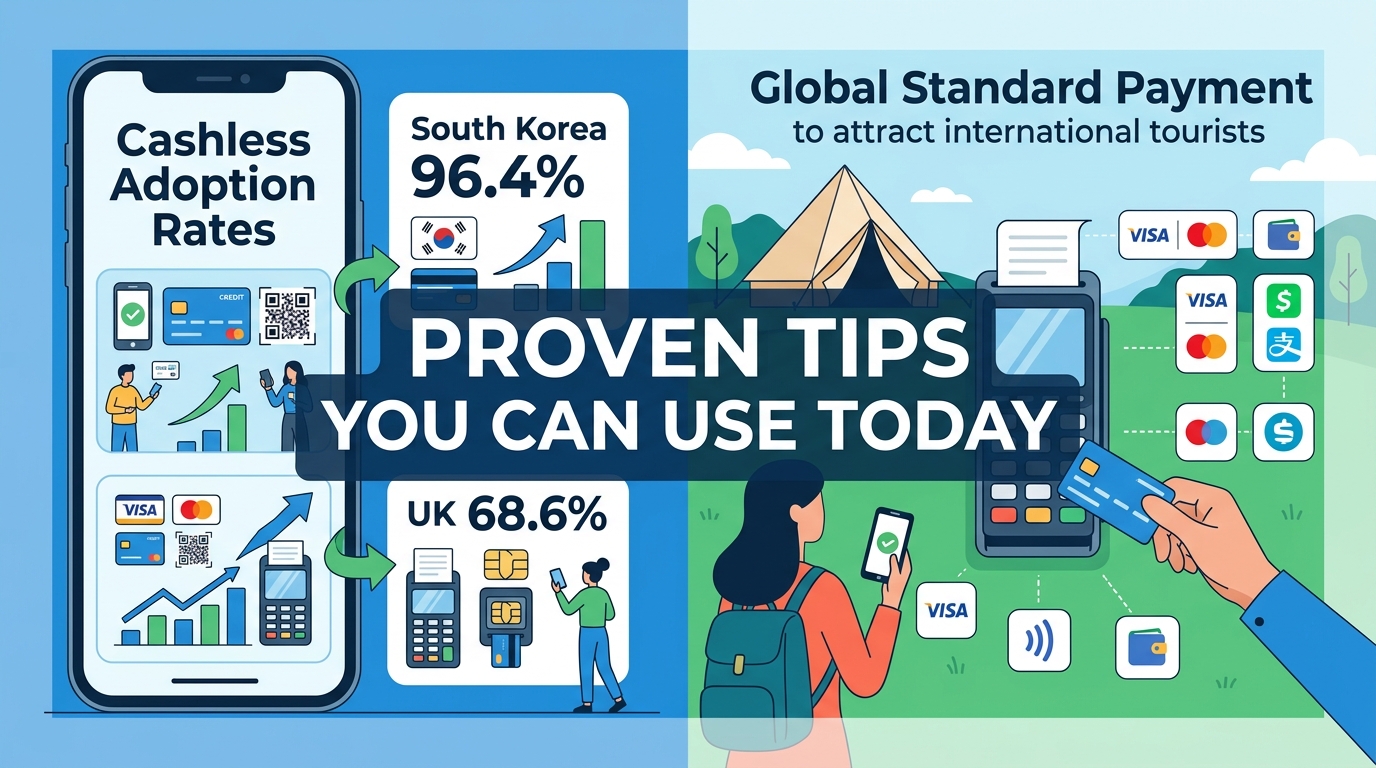
Localization is not just about translation; it is about adapting to cultural needs. For instance, while Japan is still heavily cash-based in some regions, the majority of international travelers expect cashless payment options. Data shows that countries like South Korea (96.4%) and the UK (68.6%) have very high cashless adoption rates. Providing credit card or mobile payment options is a basic requirement for the modern inbound traveler.
High-spending tourists also expect a level of personalized service. In luxury glamping markets like Bali or New Zealand, it is common to have a dedicated host or ‘butler’ service. While you may not need a full-time butler, having staff who can communicate effectively in English and provide ‘omotenashi’ (Japanese hospitality) is a major differentiator. This includes being able to handle dietary restrictions such as vegan, gluten-free, or halal requirements.
| Feature | Domestic Guest Preference | International Guest Preference |
|---|---|---|
| Stay Duration | 1 night (Saturday) | 2-4 nights (Any day) |
| Payment | Cash or Local Apps | Credit Card / Apple Pay |
| Dining | Standard BBQ | Local Story-driven / Dietary options |
| Transport | Personal Car | Public Transport / Shuttle |
| Activities | Family-oriented | Cultural / Adventure-oriented |
Leveraging Regional Strengths: The Shizuoka Advantage for Inbound Glamping
Shizuoka Prefecture is uniquely positioned to become a leader in the inbound glamping market. With its proximity to Tokyo via the Shinkansen and the iconic presence of Mt. Fuji, the region already has the ‘brand power‘ that international tourists recognize. Facilities located within a short distance of JR Shizuoka Station or those offering views of the Suruga Bay have a competitive edge that is hard to replicate elsewhere in Japan.
At Shinker Inc. (Glocal by Shinker), located just a 10-minute walk from the North Exit of JR Shizuoka Station, we specialize in helping local businesses bridge the gap between their regional charm and the global market. We understand that glamping owners are busy with daily operations. Our mission is to handle the digital complexities—from multilingual SEO to OTA management—so you can focus on providing world-class hospitality.
Real-World Results: How Glocal by Shinker Drives Inbound Success
Our strategies are based on proven results within the Japanese tourism industry. For instance, one regional hotel we supported saw a significant increase in international exposure by optimizing their OTA listings and creating English-language content. They established a much stronger online presence and received more inquiries from overseas guests than ever before. This same approach can be applied to glamping sites to fill those empty weekday slots.
In another case, a local restaurant utilized our multilingual marketing and Google Business Profile optimization. This made it far easier for international tourists to discover them online, leading to a surge in overseas visitors. For glamping facilities, being ‘discoverable‘ is the first step toward conversion. By showcasing your unique value through the right digital channels, you can achieve sustainable growth and higher profit margins.
Next Steps: Contact Glocal for Your Inbound Transformation
The shift toward high-value inbound tourism is not just a trend; it is the future of the Japanese outdoor hospitality industry. If you are ready to stop worrying about weekday vacancies and start attracting premium international guests, Glocal by Shinker is here to help. Our team of experts combines local Shizuoka knowledge with global marketing expertise to deliver measurable results for your glamping business.
Ready to attract more international visitors? Contact Glocal today for a free consultation and discover a customized inbound marketing strategy for your business. Whether you need help with OTA optimization, English social media management, or a complete digital overhaul, we have the tools and experience to help your glamping site thrive in the global market.
Frequently Asked Questions
Q1. What is inbound marketing in the context of glamping?
Inbound marketing refers to strategies used to attract international travelers to your glamping site. Instead of relying only on local visitors, it focuses on making your business visible and appealing to people coming from other countries through digital content and specialized services.
Q2. Why are international tourists better for filling weekday slots?
International tourists often travel for longer periods and do not follow local holiday schedules. Since they are on vacation for several days or weeks, they are more likely to book stays on weekdays, helping to balance your occupancy throughout the entire week.
Q3. How can glamping sites help guests who do not have a car?
You can offer shuttle services from the nearest train station or partner with local taxi companies. Providing clear, English-language instructions on how to use public transport or offering luggage delivery services also helps travelers reach your remote location without needing their own vehicle.
Q4. What makes an experience “Only-in-Japan” for a global traveler?
These are unique activities that combine nature with local culture. Examples include outdoor tea ceremonies, guided tours of nearby shrines, or meals using regional ingredients. These experiences provide the authentic cultural connection that international guests look for when visiting Japan.
Q5. What kind of localizations help attract high-spending international guests?
To attract high-spending guests, provide multilingual booking websites and clear English signage. Offering diverse dietary options, such as vegetarian or halal meals, and ensuring staff can communicate basic information in English are essential steps to make international travelers feel welcome and comfortable.