Boost Shizuoka inbound growth with a multilingual booking system implementation. Learn to sync timezones, automate payments, and manage global guest support.
Many local business owners in Shizuoka feel overwhelmed by the technical hurdles of welcoming international guests while managing their daily operations.
This guide provides a practical roadmap for multilingual booking system implementation, ensuring your business automates communication and secures global payments for sustainable growth.
Why is multilingual booking system implementation essential for Shizuoka’s inbound growth?
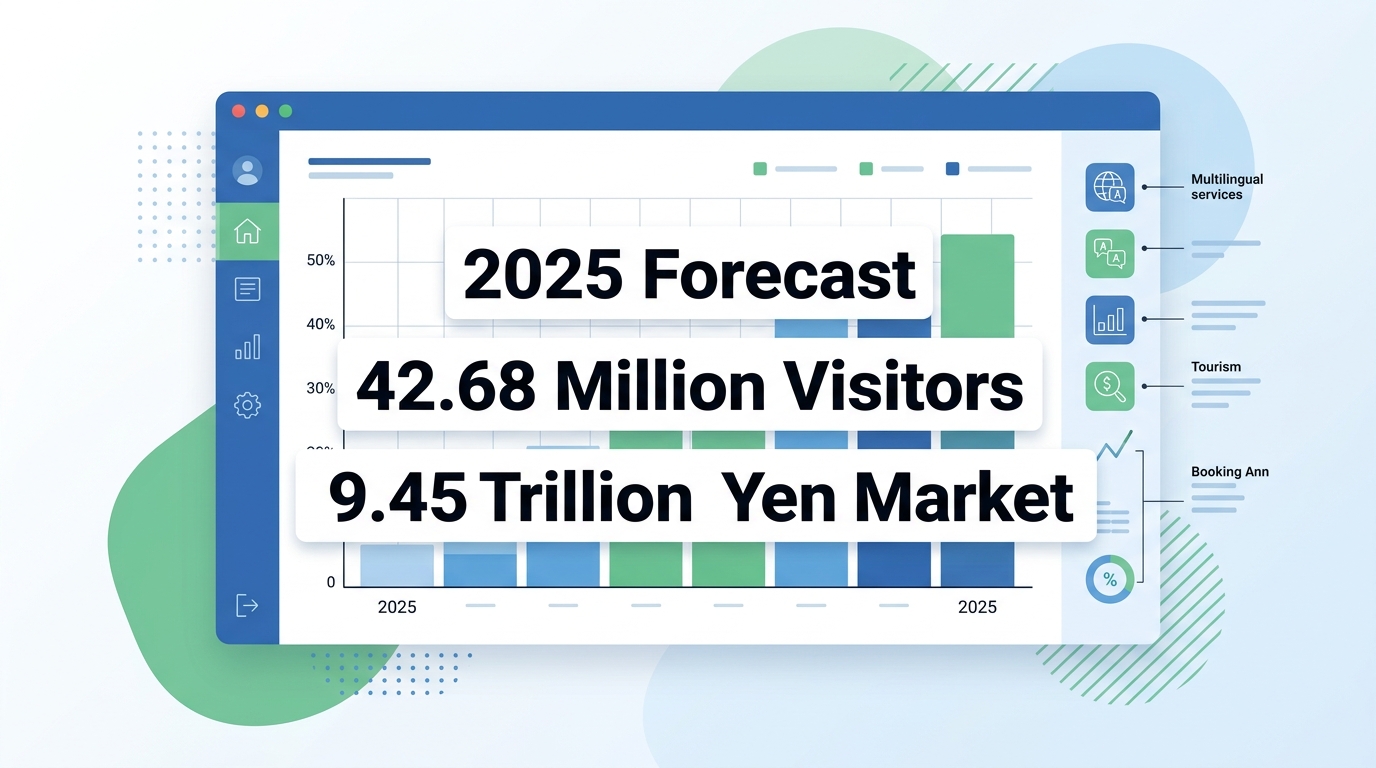
For local businesses near JR Shizuoka Station and throughout Shizuoka Prefecture, the surge in international tourism represents a massive opportunity. According to industry data, in 2025, the number of international visitors to Japan reached a record 42.68 million, with travel spending hitting 9.45 trillion yen. Without a multilingual booking system implementation, your business is effectively telling these millions of potential customers that you are not ready to welcome them. Relying solely on Japanese-language interfaces creates a friction-filled experience that leads to high drop-off rates before a reservation is even made.
A robust booking system does more than just translate text; it bridges the gap between local hospitality and global expectations. For a ryokan or restaurant located just 10 minutes from the Shizuoka Station North Exit, being discoverable is only half the battle. International travelers often plan their itineraries weeks in advance and prefer the certainty of a confirmed booking. By implementing a system that supports 24/7 reservations in their native language, you remove the barriers of time zones and language, allowing your staff to focus on providing top-tier service rather than answering basic inquiry emails.
参考: 静岡県観光基本計画
How do you synchronize timezones and global payment standards during implementation?

The technical core of a successful multilingual booking system implementation lies in the seamless synchronization of timezones and currency. It is vital to ensure that when a guest in New York books a slot for 2:00 PM JST, the system accurately reflects this in their local confirmation while maintaining the correct schedule in your Shizuoka office. Advanced systems like tripla Book or coYOYAKU allow for these precise adjustments, supporting up to 140 different currencies to ensure that the price the customer sees is the price they pay, minimizing confusion during the checkout process.
Global payment standards are equally critical for building trust and reducing financial risk. Implementing secure, international-standard gateways like Stripe or PayPal within your booking flow allows you to accept major credit cards and digital wallets used globally. This not only improves the user experience but also enables ‘advance payment’ features, which are essential for preventing ‘no-shows.’ For high-end restaurants in Aoi-ku, Shizuoka, requiring a deposit or full payment at the time of booking has been proven to significantly stabilize revenue and reduce waste caused by unfulfilled reservations.
What automated communication workflows ensure a seamless guest experience post-implementation?
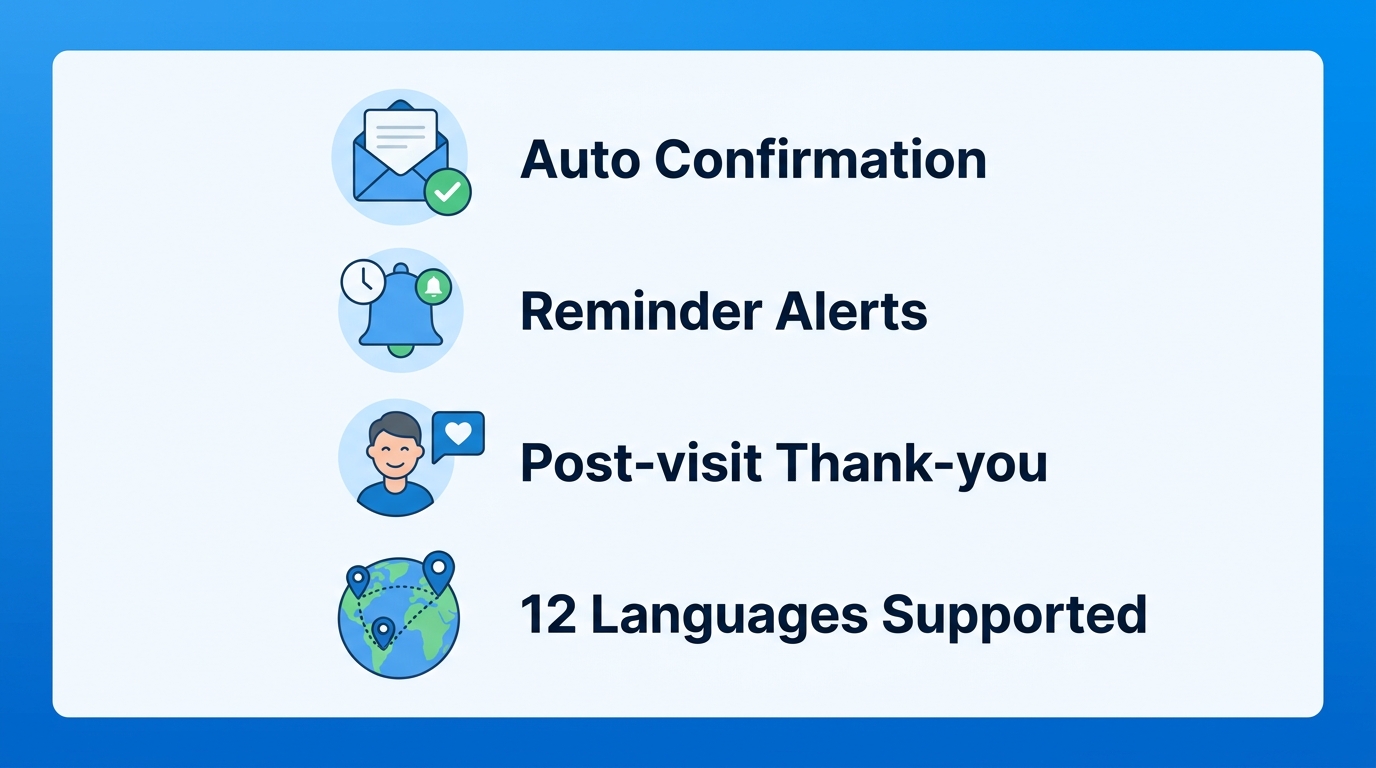
Automated communication is the backbone of operational efficiency in an inbound-focused business. Once the multilingual booking system implementation is complete, the system should automatically trigger confirmation emails, reminder notifications, and post-visit thank-you notes in the guest’s preferred language. Systems like coYOYAKU support up to 12 languages for these automated messages, ensuring that the guest feels supported from the moment they click ‘book’ until they arrive at your shop in Shizuoka. This automation reduces the administrative burden on your staff, who may not be fluent in multiple languages.
Beyond basic confirmations, smart workflows can include localized access information, such as walking directions from Shizuoka Station or local weather tips. By providing this information automatically, you enhance the guest’s confidence and reduce the likelihood of them getting lost or arriving late. This proactive communication is a hallmark of ‘Omotenashi’ (Japanese hospitality) translated into the digital age, creating a lasting positive impression that often translates into five-star reviews on global platforms like TripAdvisor or Google Maps.
How can staff effectively manage multilingual customer support after going live?
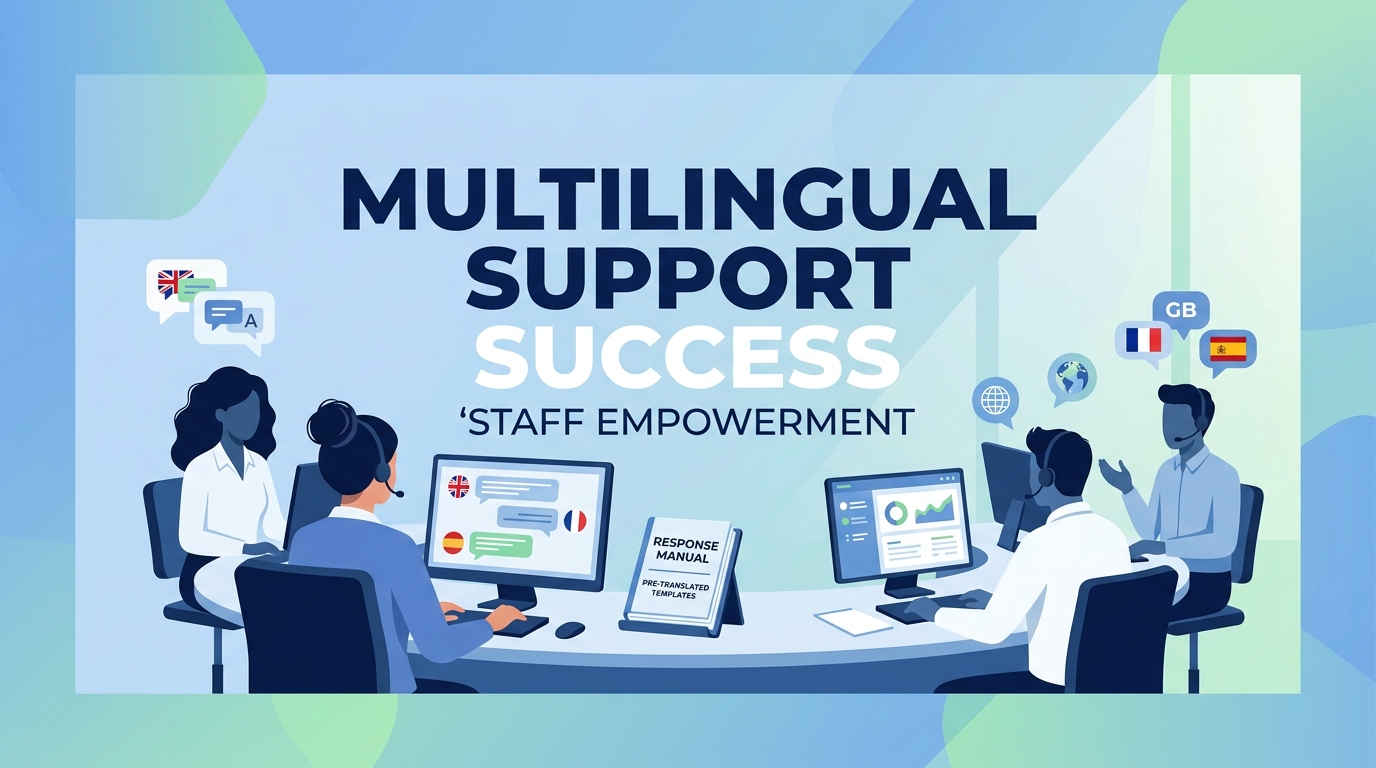
The success of a multilingual booking system implementation depends heavily on how well your onsite staff can manage the new workflow. Even with an automated system, guests may still have specific questions or need to modify their bookings. We recommend creating a centralized ‘Response Manual‘ that includes pre-translated templates for common inquiries in English, Chinese, and Korean. This allows staff members who are not confident in their English skills to provide professional and accurate assistance quickly, maintaining a high standard of service for every international visitor.
Training is the final piece of the puzzle. Staff should be trained not only on how to use the backend of the booking system but also on how to handle the specific needs of international guests, such as dietary restrictions or luggage storage requests. At Glocal by Shinker, we emphasize that technology is a tool to empower people. When your team knows how to navigate the multilingual dashboard and use integrated translation tools effectively, they can provide a warm, personalized welcome that technology alone cannot replicate. This human touch is what brings travelers back to Shizuoka again and his again.
参考: 観光地域における案内表示等の充実
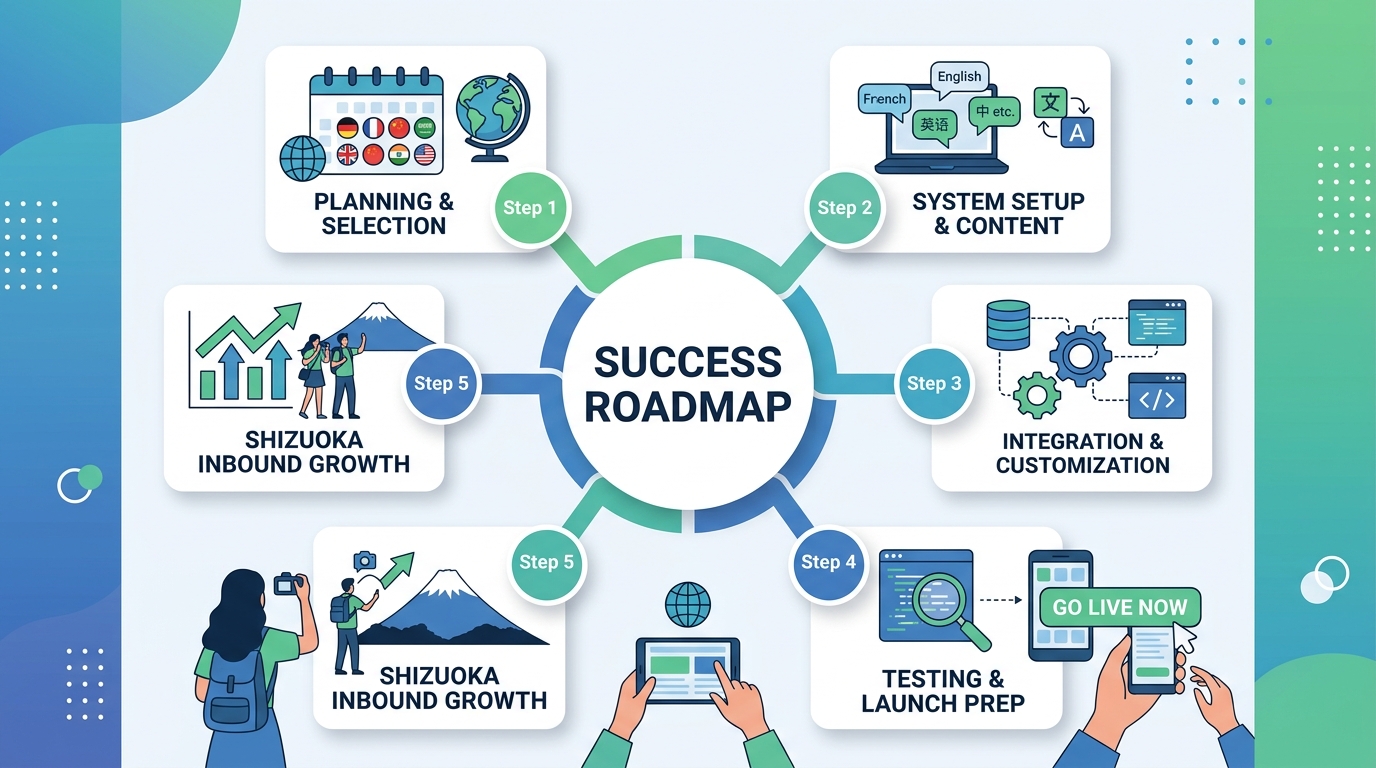
A 5-step roadmap for a successful system deployment
To ensure your multilingual booking system implementation goes smoothly, it is helpful to follow a structured deployment plan. Jumping into a new software without a strategy can lead to technical glitches and staff frustration. By following these five steps, you can transition from a Japanese-only operation to a global-ready business with minimal disruption. This process ensures that every aspect, from technical requirements to marketing, is addressed before the first international guest arrives at your doorstep in Shizuoka.
- Requirement Analysis: Identify which languages are most needed based on your current visitor data and target markets. Determine if you need an industry-specific system (e.g., for hotels) or a general-purpose one.
- Trial and Testing: Use free trials to verify the accuracy of translations and the ease of the booking flow. Ensure the ‘preview mode’ correctly displays how the site looks to a guest in a different country.
- Staff Training: Conduct hands-on workshops for all employees. Focus on managing the dashboard, switching languages, and processing international payments securely.
- Public Launch and Promotion: Once the system is live, update your Google Business Profile, SNS accounts (Instagram/X), and physical store signage with QR codes linking to the new multilingual booking page.
- Continuous Improvement: Regularly review guest feedback and booking data. Adjust translation nuances and operational workflows to better serve your evolving international clientele.
Choosing the right system: Specialized vs. General-purpose
When approaching multilingual booking system implementation, one of the first decisions is choosing between a specialized or general-purpose platform. Specialized systems, such as ‘Yoyakuban’ for hotels or ‘coming-soon’ for beauty salons, offer deep functionality tailored to specific workflows like room management or stylist scheduling. These are ideal for businesses with complex inventory needs. For example, ‘Yoyakuban’ supports up to 8 languages including French and German, which is perfect for Shizuoka ryokans targeting European travelers.
On the other hand, general-purpose systems like RESERVA or SuperSaaS offer incredible flexibility for a wide range of businesses, from experience providers to local cafes. RESERVA is used by over 350,000 companies and supports core languages like English, Chinese, and Korean even on its free-to-preview plans. For many small businesses in Shizuoka, these versatile platforms provide a cost-effective way to start their inbound journey without the high overhead of custom-built software. Choosing the right fit depends on your specific service flow and budget.
Proven results: Inbound success stories from Shinker Inc.
Our company’s results demonstrate the power of a well-executed multilingual strategy. A regional hotel in Shizuoka partnered with us to move beyond domestic-only bookings. By implementing a multilingual booking system and optimizing their OTA listings, the hotel saw a significant increase in international visibility and direct inquiries. The business established a stronger online presence, allowing them to reach audiences they had never connected with before, ultimately leading to a more diverse and stable guest base.
Similarly, our restaurant digital marketing results show that clear communication drives foot traffic. A local eatery implemented our multilingual marketing strategy, focusing on Google Business Profile optimization and English Instagram management. This made it much easier for international tourists exploring the Shizuoka Station area to discover the restaurant and book a table. The results exceeded expectations, turning the restaurant into a popular destination for inbound travelers who were seeking authentic local dining experiences but previously felt hesitant due to the language barrier.
Cost considerations and ROI for your implementation
Understanding the financial commitment is a vital part of multilingual booking system implementation. Glocal by Shinker offers flexible plans designed to scale with your business. For accommodation providers, plans start with an Economy tier at ¥50,000/month (with a ¥200,000 initial fee), while Premium plans for larger facilities are ¥200,000/month. These plans often include OTA registration and optimization on platforms like Airbnb and Booking.com, ensuring that your investment translates directly into increased booking volume and higher revenue per guest.
For restaurants, our plans range from ¥120,000 to ¥350,000 per month, focusing on multi-platform social media management (Instagram, TikTok, YouTube Shorts) to drive awareness alongside the booking system. While there is an initial cost, the Return on Investment (ROI) is found in the reduction of manual labor, the elimination of ‘no-show’ losses through prepayments, and the ability to capture a share of the 9 trillion yen inbound market. Investing in professional implementation today secures your business’s place in the future of Shizuoka’s tourism economy.
Frequently Asked Questions
Q1. What is a multilingual booking system?
It is a digital platform that allows international travelers to book services in their own language. It automatically handles translations, currency conversions, and time zones, making the reservation process easier for both the business owner and the guest.
Q2. How does the system handle different global payment methods?
During implementation, the system is integrated with global payment gateways. This allows guests to pay using international credit cards or digital wallets in their local currency, while the business receives the funds securely in Japanese Yen.
Q3. Do my employees need to be fluent in multiple languages to use this system?
Not necessarily. The system uses automated templates and translation tools to handle routine inquiries. Staff can manage bookings using a simplified dashboard, allowing them to provide great service without needing high-level foreign language skills.
Q4. What happens automatically after a guest completes a booking?
The system sends instant confirmation emails and reminders in the guest’s preferred language. These automated workflows include check-in instructions and payment receipts, ensuring a seamless experience without requiring manual work from your staff.
Q5. Why is this implementation particularly important for businesses in Shizuoka?
Shizuoka is seeing a rise in international tourism. Implementing a multilingual system helps local businesses capture this growth by removing language barriers, building trust with global travelers, and staying competitive against larger tourism hubs.