
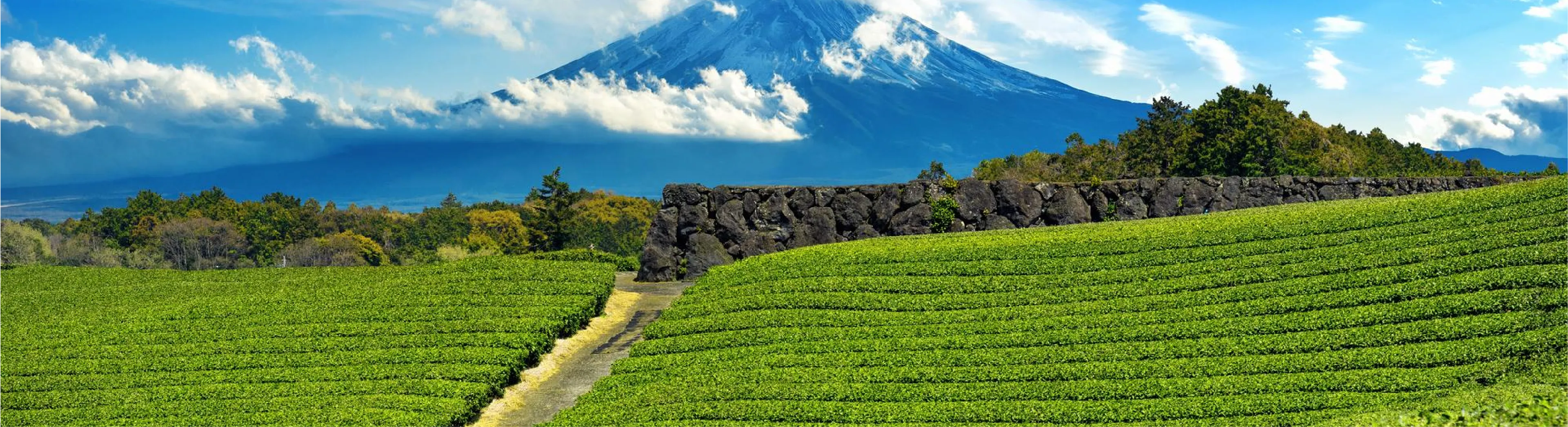
Explore our Shizuoka hot spring guide to discover the best onsen towns from coast to Mount Fuji, with expert tips on ryokan bookings, day baths, and etiquette.
 執筆者:Hikaru SonedaCEO
Planning a relaxing Japanese hot spring getaway can quickly feel overwhelming when choosing between ocean views, mountain valleys, and Mount Fuji backdrops across sprawling regional transit networks.
This comprehensive Shizuoka hot spring guide breaks down the prefecture’s top five onsen regions, transit logistics from Tokyo, booking methods, and bathing etiquette for an unforgettable trip.
What should you prepare before planning a Shizuoka hot spring trip?
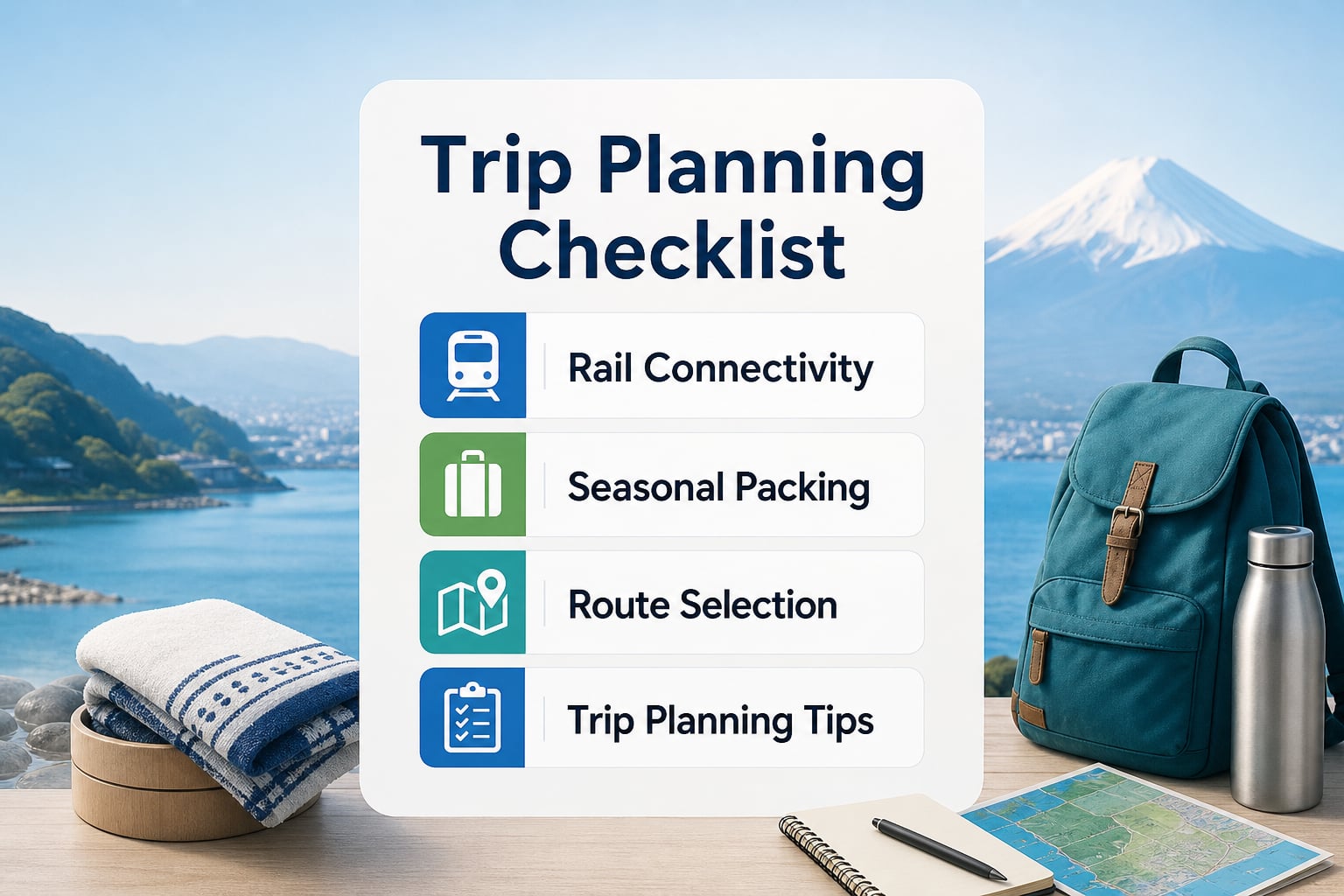
Preparing for a Shizuoka hot spring trip requires understanding regional geography, seasonal packing needs, and rail connectivity from major transport hubs. Shizuoka Prefecture boasts numerous registered hot spring sources across diverse landscapes ranging from the coastal Izu Peninsula to the foothills of Mount Fuji. Choosing your primary route beforehand ensures seamless travel via the Tokaido Shinkansen or regional limited express lines without unnecessary transit backtracking.
Travelers must pack small hand towels for communal bathing areas and carry sufficient Japanese yen cash for traditional day-use admission lockers and retro coin amenities. Many secluded bathhouses and regional transport links in hot spring towns still prioritize physical cash over contactless mobile cards. Securing an IC rail card or regional rail pass in Tokyo further simplifies daily local transfers along private scenic railway connections.
Essential Checklist Before Departing Tokyo for Shizuoka
Before boarding your train, confirm regional luggage storage availability and verify whether your chosen bathhouse requires pre-booked admission slots. Making clear photocopies of reservation vouchers and keeping offline digital maps ready guarantees stress-free navigation through winding historical streets.
- Verify transit routes and express train schedules: Check Tokaido Shinkansen departures from Tokyo Station or the JR Odoriko limited express service directly connecting to eastern Izu onsen destinations.
- Prepare small denominations of cash and change: Withdraw cash to pay for regional day-use bath entrance vending machines, luggage lockers, and traditional footbath access across hot spring villages.
- Pack suitable onsen essentials and personal care items: Bring an easy-to-dry modesty towel, skin moisturizer for post-mineral soak hydration, and a waterproof pouch for wet clothing.
- Review tattoo policies and private bath availability: Confirm whether the public baths welcome visible body art or whether booking a private reservable bath (kashikiri-buro) is necessary.
参考: Shizuoka Prefecture、Links Shizuoka Tobu
How do you choose the right Shizuoka onsen town from coast to Fuji?
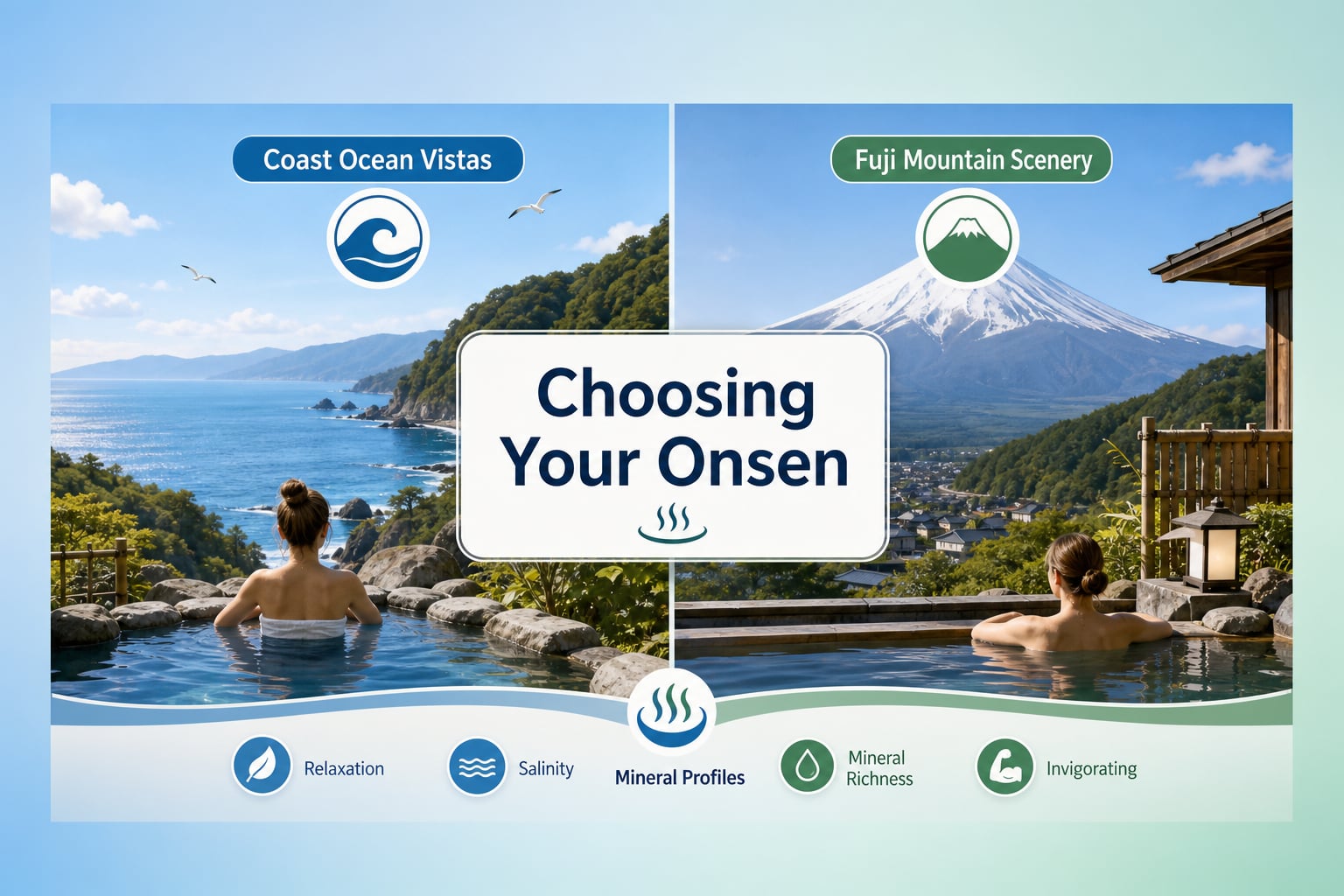
Selecting the right hot spring destination in Shizuoka depends heavily on your preferred scenery, water mineral profile, and overall travel style. Coastal lovers gravitate toward Atami and Ito for sweeping Pacific ocean vistas, fresh seafood dinners, and rapid bullet train accessibility. In contrast, travelers seeking tranquil heritage choose verdant mountain ravines or lakeside panoramas framing the silhouette of Mount Fuji.
Geographic variety across eastern, central, and western Shizuoka creates distinctly different holiday experiences for international visitors. Coastal resorts offer bustling seaside promenades and fireworks festivals, whereas secluded highland baths focus on silent forest contemplation and restorative alkaline waters. Aligning travel time from Tokyo with your desired atmosphere guarantees the ultimate restorative getaway.
Comparing Coastal Ocean Baths and Alpine Foothill Spas
Seaside onsen waters typically feature high sodium chloride content that warms the core and retains body heat long after stepping out. Conversely, highland and riverbed thermal springs often feature gentle simple alkaline waters celebrated for softening skin and relieving muscle tension after outdoor walking tours.
| Onsen Region | Landscape Setting | Transit from Tokyo | Signature Appeal |
|---|---|---|---|
| Atami Onsen | Coastal Cliff & Ocean Bay | Approx. 40-50 min (Shinkansen) | Dynamic seaside views, marine fireworks, historic retro alle |
| Ito Onsen | East Coast Harbor | Approx. 100 min (JR Odoriko) | Abundant spring flow, oceanfront ryokan, fresh caught seafoo |
| Shuzenji Onsen | Inland Mountain Valley | Approx. 120 min (Train/Bus) | Oldest Izu hot spring, bamboo groves, classic vermilion brid |
| Gotemba & Fuji Foothills | Highland Mountain Vista | Approx. 90-110 min (Bus/Train) | Panoramic Mount Fuji bathing, open-air baths, wellness shopp |
| Mochimune & Shizuoka City | Suruga Bay Port & Coast | Approx. 75 min (Shinkansen/Local) | Quiet fishing port baths, Shirasu dining, tranquil harbor tr |
参考: Atami and Ito
What are the 5 best onsen towns in Shizuoka to visit?
Exploring Shizuoka’s finest hot spring towns reveals a remarkable range of atmospheric stays, from bustling historic seaside resorts to tranquil forested retreats. Each town provides an authentic immersion into Japanese bathing culture backed by centuries of heritage and pristine natural surroundings. These five distinguished destinations showcase the absolute best thermal spring traditions Shizuoka has to offer international travelers.
Whether you desire an immediate seaside soak under an hour from Tokyo or a meditative mountain valley surrounded by bamboo paths, this curated selection satisfies every holiday vision. Every location features dedicated options for quick day-trippers as well as multi-night traditional ryokan explorers seeking authentic Kaiseki banquets. Understanding the distinct charm of each town ensures you craft the ideal regional itinerary.
- Atami Onsen: The gateway coastal resort with ocean vistas: Perched on dramatic seaside cliffs just 45 minutes from Tokyo via Shinkansen, Atami offers lively shopping arcades, year-round beach fireworks displays, and mineral-rich seaside baths overlooking Sagami Bay.
- Shuzenji Onsen: The cultural heart of the Izu Peninsula: Known as Little Kyoto of Izu, this 1,200-year-old hot spring founded by monk Kobo-Daishi features historic red bridges, the Katsura River, and the iconic Tokko-no-yu spring monument.
- Ito Onsen: Abundant natural springs and maritime hospitality: Located along the scenic eastern coast, Ito boasts one of Japan’s highest thermal water discharge volumes, lined with classic Showa-era ryokan architecture, public bathhouses, and fresh coastal delicacies.
- Gotemba & Konohana no Yu: Majestic open-air Mount Fuji baths: Situated in the highland foothills near Mount Fuji, this modern hot spring hub allows visitors to soak in expansive outdoor baths while admiring unimpeded views of Japan’s most sacred peak.
- Mochimune Port Onsen: Relaxed Suruga Bay craft port atmosphere: Located only 11 minutes on foot from Mochimune Station in Shizuoka City, this coastal facility combines soothing harbor view baths with views of Mount Fuji and world-class fresh whitebait cuisine.
参考: booking day-use baths versus overnight ryokan stays
How do you reach Shizuoka’s hot spring regions from Tokyo?
Reaching Shizuoka’s premier hot spring regions from Tokyo is remarkably fast and efficient thanks to Japan’s world-class rail network. The Tokaido Shinkansen bullet train connects Tokyo Station directly to Atami in approximately 40 to 50 minutes, making high-speed coastal day trips extraordinarily straightforward. For travelers journeying into central Shizuoka City, the Hikari and Kodama bullet trains reach JR Shizuoka Station in roughly one hour.
Reaching inland valleys like Shuzenji involves transferring at Mishima Station to the local Izuhakone Railway Sunzu Line down to Shuzenji Station, followed by a short connecting local bus. Alternatively, direct JR Odoriko limited express services run straight from Tokyo and Shinjuku down the eastern Izu coastline without requiring any train transfers. Understanding connecting transfer points prevents transit confusion during busy weekend travel periods.
- Select the appropriate rail service from Tokyo Station: Board the Tokaido Shinkansen for Atami or Shizuoka City, or take the direct JR Odoriko limited express train bound for Ito and southern Izu.
- Transfer smoothly at intermediate connection hubs: Change trains at Mishima Station for the Izuhakone Railway to access Shuzenji, or transfer to the JR Tokaido Local Line for Mochimune Station.
- Board local onsen town connector buses: Take local municipal shuttle buses waiting directly outside rural train stations to reach historic hot spring streets located a few kilometers inland.
- Confirm return departure times before exploring: Check evening return bus timetables and last Shinkansen schedules back to Tokyo, particularly when visiting quiet rural valleys with limited late-night connections.
How do you book day-use baths versus overnight ryokan stays in Shizuoka?
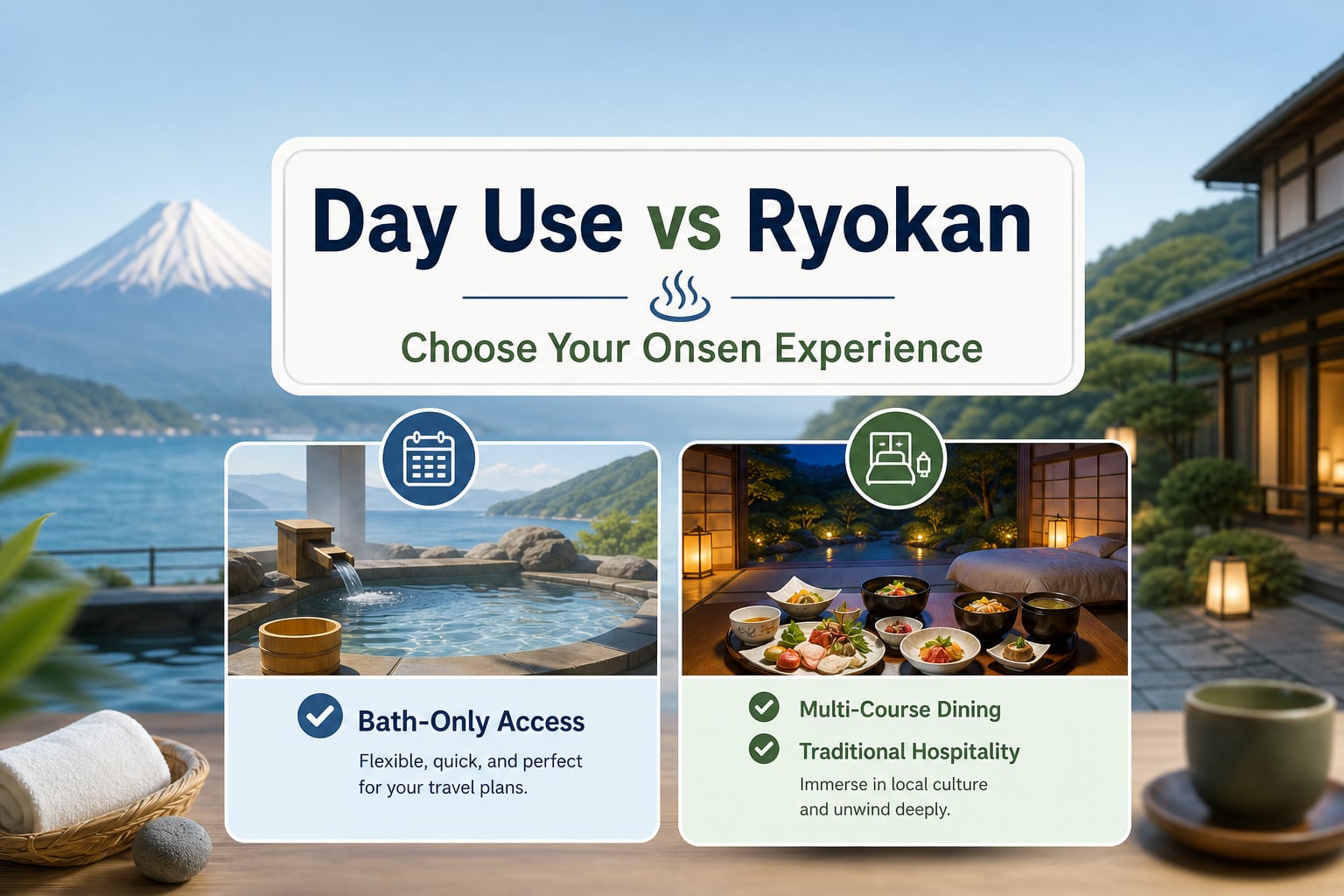
Choosing between day-use baths (higaeri onsen) and overnight ryokan stays depends on your holiday budget and available travel schedule. Day-use hot springs allow spontaneous travelers to purchase entry tickets via lobby vending machines without overnight lodging commitments. Overnight ryokan bookings, however, unlock traditional multi-course Kaiseki dinners, private breakfast service, and peaceful late-night soaking access after day crowds depart.
When planning an overnight ryokan stay, booking several months in advance is highly recommended for popular autumn foliage and spring seasons. Travelers must carefully check whether dinner plans require strict check-in windows, as most traditional properties stop dinner service for arrivals past late afternoon. Reviewing room plan inclusions ensures your party receives the exact bedding and dining arrangement desired.
What to Verify on Your Shizuoka Ryokan Booking Confirmation
Before finalizing an overnight reservation, verify meal plan options and bath reservation terms. Certain luxury properties include private open-air bath privileges within the room rate, while others require in-person sign-ups upon arrival.
| Booking Item | What to Check | Why It Matters |
|---|---|---|
| Meal Plan Inclusion | Check if rate includes breakfast and Kaiseki dinner (2 meals | Many rural ryokan have no nearby restaurants open past 7:00 |
| Check-in Cutoff Time | Verify latest permitted check-in time for dinner service | Arriving past dinner service hours may forfeit your evening |
| Private Bath (Kashikiri) | Confirm if reservable baths are free, paid, or room-attached | Essential for couples, families, or travelers with tattoos |
| Cancellation Terms | Review refund percentages and cancellation fee windows | Traditional ryokan enforce strict penalties within 3-7 days |
| Bath Tax (Bato-zei) | Check if local municipal onsen bathing tax is paid on-site | Small municipal hot spring taxes are typically settled in ca |
What common etiquette pitfalls and travel mistakes should you avoid at Shizuoka onsen?
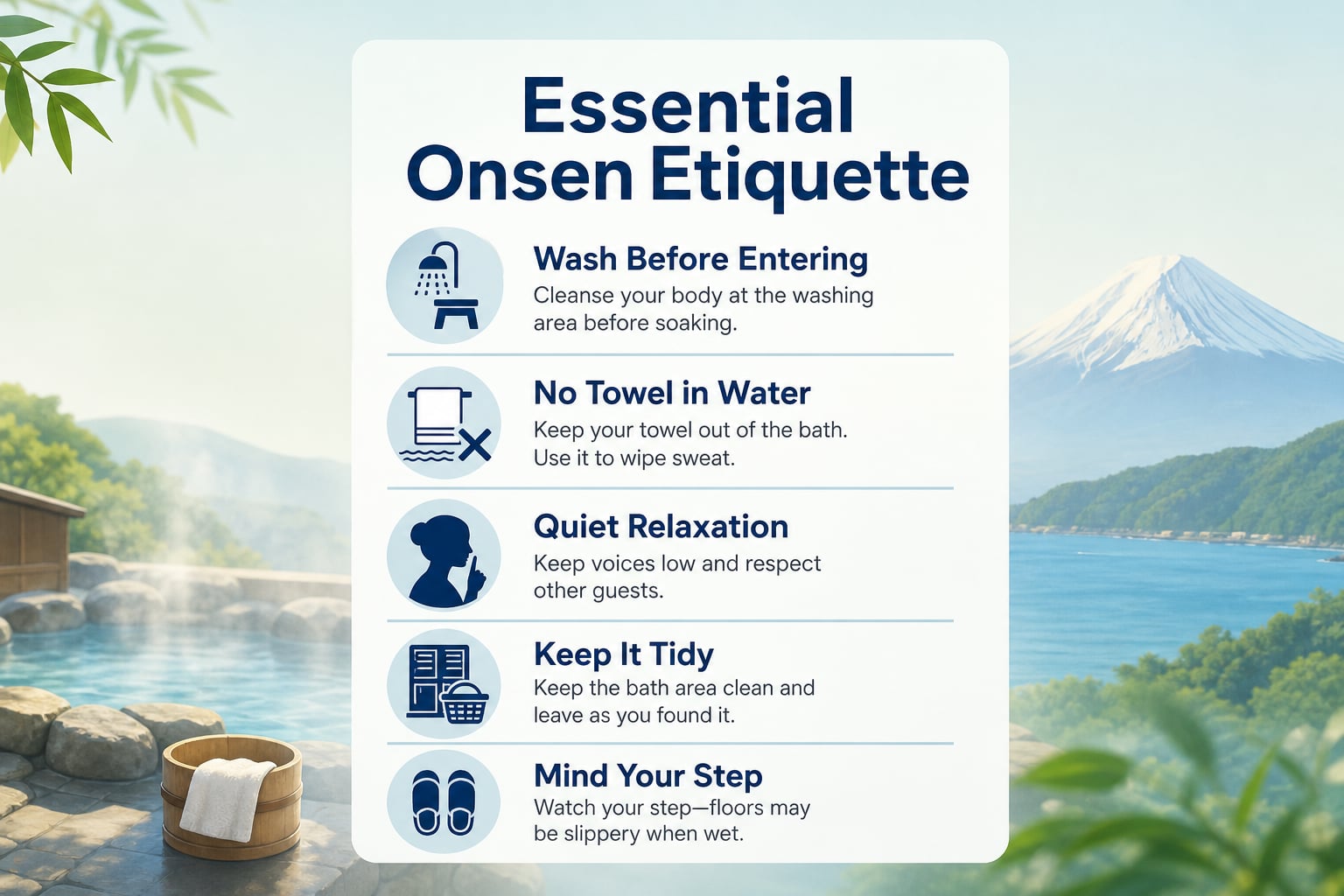
Mastering Japanese hot spring etiquette ensures a comfortable and respectful bathing experience for everyone sharing communal bath facilities. The cardinal rule of all Japanese onsen is thoroughly washing and rinsing your entire body before ever setting foot into the soaking pool. The pristine thermal water is strictly meant for relaxing soaking, so soap bubbles and shampoo residue must never contaminate communal pools.
Another frequent mistake made by international visitors is dipping personal hand towels directly into the mineral bath water. Small modesty towels should instead be balanced on your head or placed neatly along the dry wooden edge of the pool deck while bathing. Remembering to dry off lightly with your towel before re-entering the changing room preserves clean, dry dressing room mats for fellow bathers.
- Remove all footwear before entering the changing area: Leave outdoor shoes in designated entrance shoe cubbies and wear provided slippers only up to the dressing room tatami border.
- Wash completely at seated shower stations first: Sit on provided stools and rinse thoroughly before entering the water, ensuring personal toiletries stay organized and water does not spray neighbors.
- Keep hair tied up and towels out of the bathwater: Tie long hair securely above shoulder level and fold your modesty washcloth atop your head to maintain absolute water purity.
- Hydrate properly before and after thermal mineral soaking: Drink fresh water or green tea at rest lounges to prevent dehydration caused by high-temperature volcanic mineral waters.
How can local Shizuoka tourism and hospitality businesses attract more international visitors?
Local tourism businesses, ryokans, and hot spring operators across Shizuoka face remarkable opportunities to welcome international guests seeking authentic regional wellness escapes. However, many independent hospitality operators struggle to expand their global reach due to limited English-language digital marketing and low visibility across international Online Travel Agencies (OTAs). Bridging this language gap transforms regional Japanese hospitality into memorable, globally accessible cultural experiences.
At Glocal by Shinker, our inbound marketing team combines deep regional roots with global digital communication expertise to help Shizuoka businesses thrive. Led by CEO Hikaru Soneda, who studied in the United States and worked overseas for a major travel enterprise, our team helps ryokans, restaurants, and activity operators expand bookings. We believe every region possesses authentic stories worth sharing with the international travel community.
Proven Results Supporting Shizuoka Tourism and Hospitality
Our company’s results demonstrate how practical digital optimization unlocks overseas demand. In our tourism promotion project, a regional business expanded global brand reach through multilingual content and destination marketing. Similarly, in our hotel inbound marketing support project, a regional accommodation significantly increased overseas inquiries and visibility through optimized OTA listings and tailored English social media management.
- Submit an inquiry via our official contact channels: Reach out through our website contact form or phone to discuss your property’s inbound tourism objectives and current international visitor volume.
- Participate in an initial strategic consultation: Meet with our bilingual marketing specialists to assess your OTA profiles, multilingual website needs, and social media reach.
- Review your customized inbound marketing proposal: Receive an actionable roadmap covering English content production, OTA channel management, and targeted global digital promotion.
- Launch data-driven campaigns to drive overseas bookings: Execute collaborative campaigns that elevate your brand’s international visibility and attract enthusiastic global travelers to Shizuoka.
Frequently Asked Questions
Q1. What is an onsen?
An onsen is a natural Japanese hot spring sourced from geothermal waters. Rich in natural minerals, these mineral baths are traditionally used across Japan for physical relaxation, wellness, and therapeutic soaking.
Q2. What is the difference between day-use baths and ryokan stays?
Day-use baths let you pay a small fee to access hot spring facilities for a few hours without sleeping over. Ryokan stays include overnight lodging in traditional Japanese inns, often featuring multi-course dinners and breakfasts.
Q3. Are people with tattoos allowed to use Shizuoka hot springs?
Many traditional public baths still restrict visible tattoos. To bathe comfortably, you can cover small ink with waterproof patches, look for tattoo-friendly facilities, or book private baths called kashikiri.
Q4. Do I need to reserve day-use hot springs in advance?
Most public day-use bathhouses accept walk-ins without reservations. However, high-end inns offering limited day-use plans or private bath rentals often require booking in advance, especially during peak travel weekends.
Q5. What should I wash with before entering the bath water?
You must wash and rinse your entire body thoroughly at the seated washing stalls before entering the communal pool. Soaps and shampoos should never mix into the shared hot spring water.