
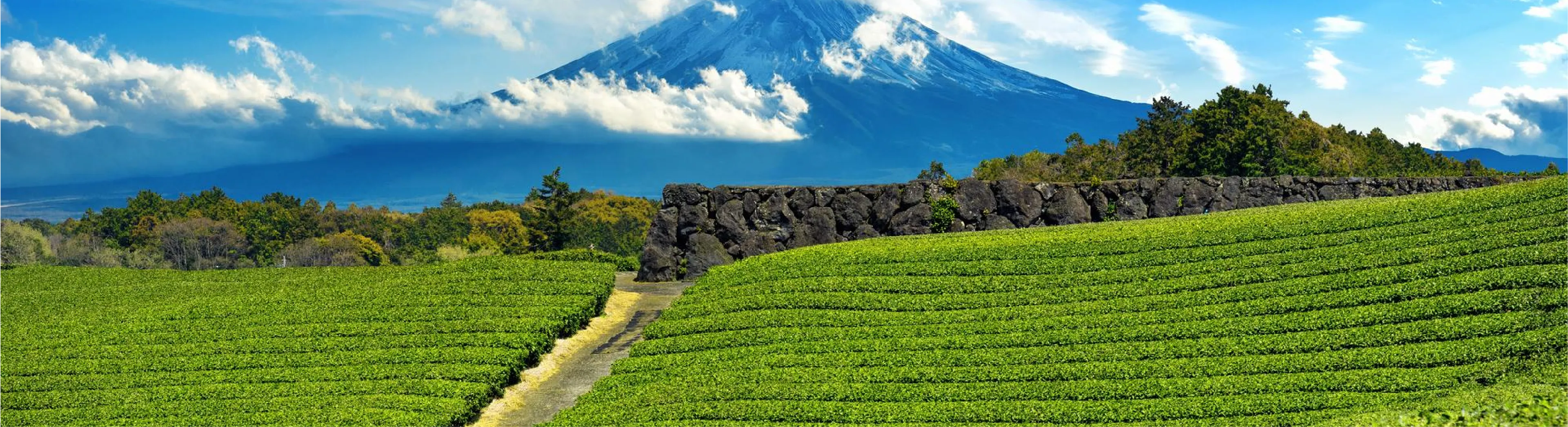
Plan the perfect day trip to Shizuoka from Tokyo with time-stamped itineraries. Discover the best Mt. Fuji views, tea plantations, and local food tips.
 執筆者:Hikaru SonedaCEO
Planning a day trip to Shizuoka can feel overwhelming due to the prefecture’s vast geography and spread-out attractions, leaving many travelers unsure of how to maximize their limited time.
This guide provides expert, time-stamped itineraries and logistics-first advice to ensure you experience the best of Mt. Fuji views, green tea culture, and local seafood seamlessly.
How do you plan a seamless day trip to Shizuoka from Tokyo?
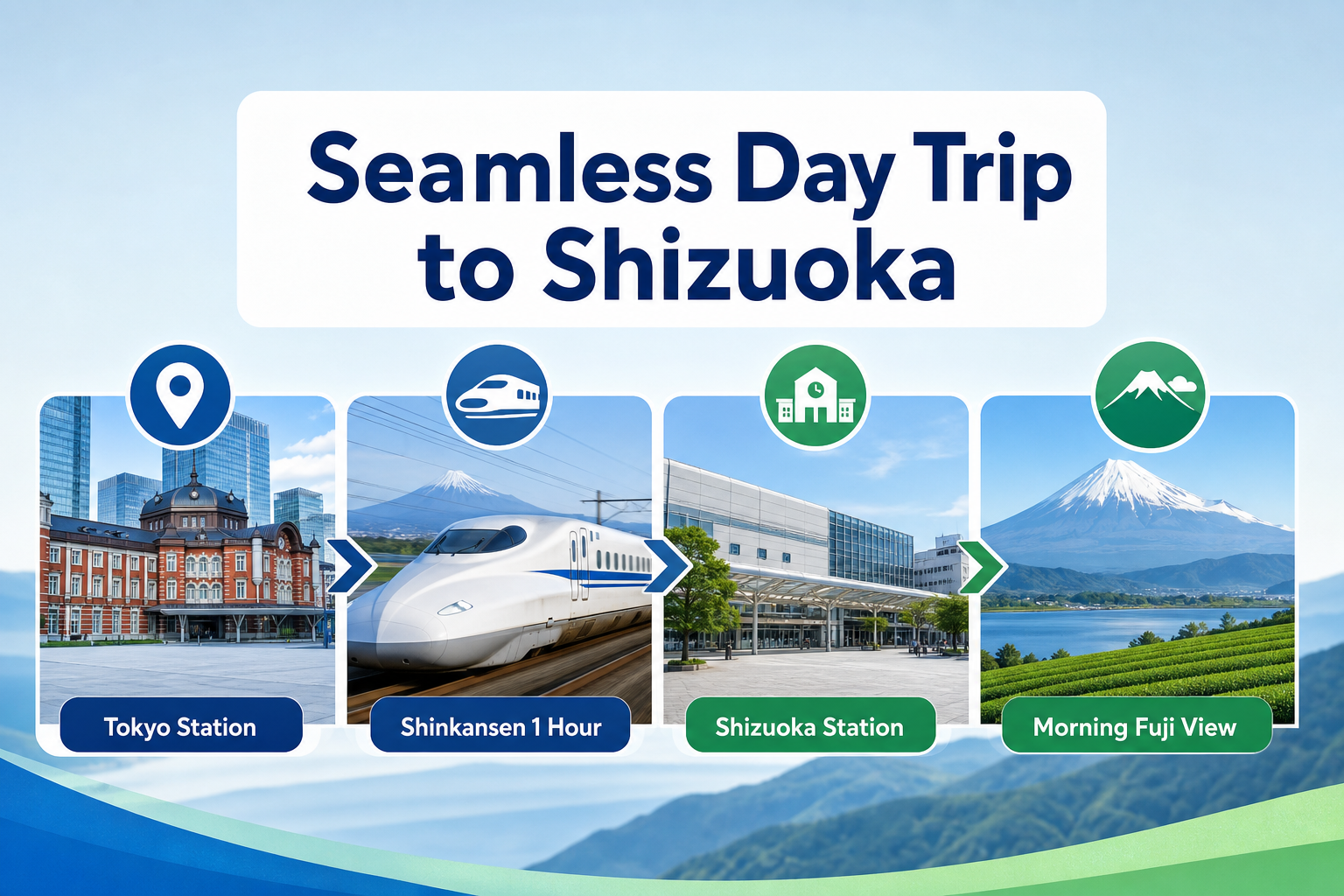
The secret to a successful Shizuoka day trip lies in utilizing the high-speed Shinkansen network, which connects Tokyo Station to Shizuoka Station in approximately one hour. While driving is an option, the train allows you to avoid traffic and arrive refreshed at the gateway of the prefecture by 9:00 AM. Starting early is crucial because Mt. Fuji visibility is often highest in the morning hours, with some data suggesting it is clearly visible only for a limited number of days each year.
Upon arrival at Shizuoka Station, the city’s layout favors a mix of public transit and short taxi rides to reach scenic plateaus like Nihondaira. For those coming from Nagoya, the journey is even shorter at a brief duration, making Shizuoka a perfectly centralized hub for regional exploration. To ensure a smooth transition, we recommend checking the weather forecast at least 24 hours in advance to prioritize outdoor viewpoints when the skies are clearest.
参考: Shizuoka inbound tourism marketing
What are the best time-stamped itineraries for Mt. Fuji and tea?
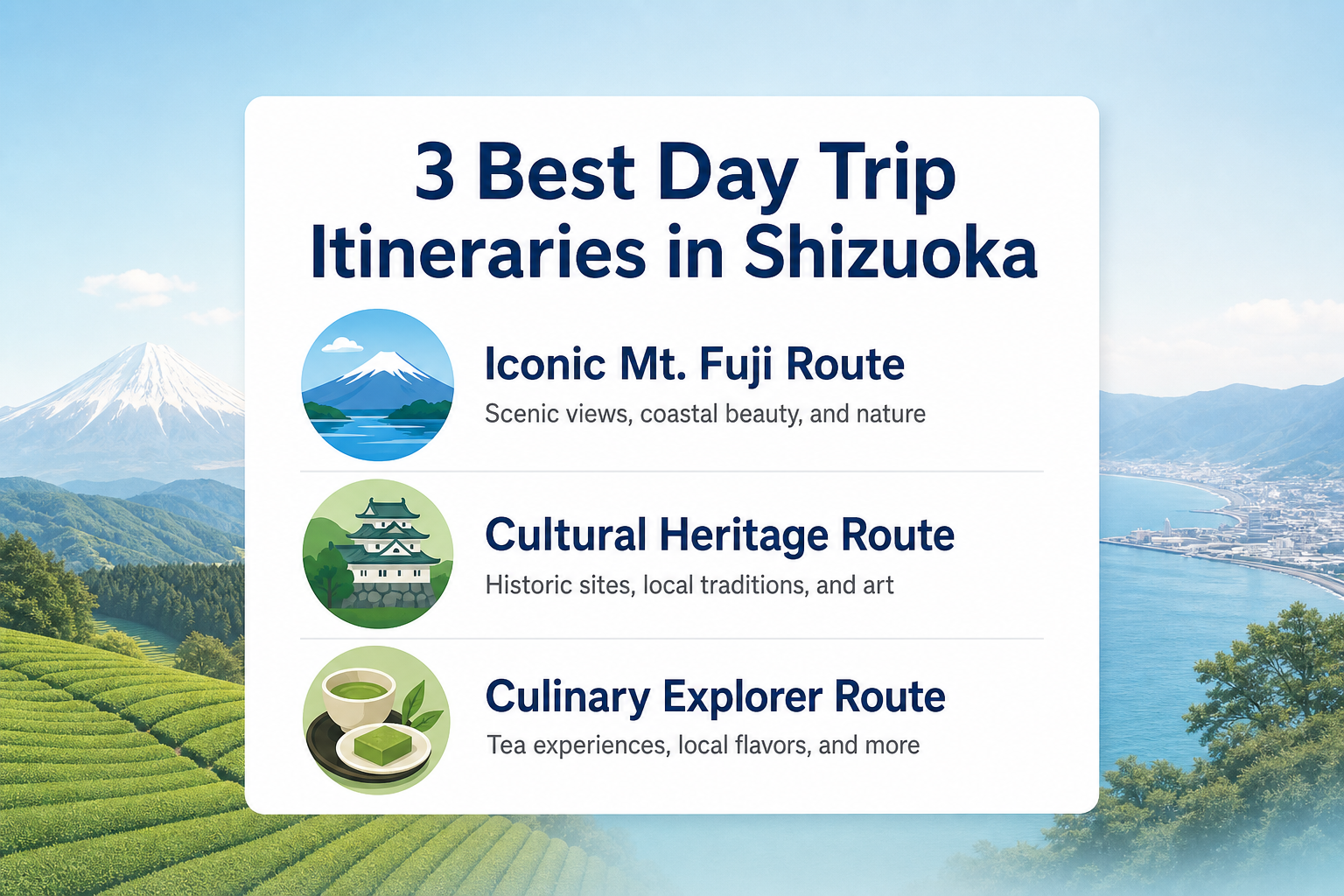
Navigating Shizuoka requires a disciplined schedule to balance cultural experiences with iconic sightseeing. We have developed three distinct routes that cater to different interests, whether you are a photography enthusiast or a culinary explorer. Each route is optimized for Shinkansen accessibility and minimizes backtracking to save you hours of transit time.
- The Iconic Mt. Fuji & Coastal Route: 09:00 AM: Arrive at Shizuoka Station. 09:45 AM: Reach Nihondaira Plateau for panoramic Fuji views. 11:30 AM: Take the ropeway to Kunozan Toshogu Shrine. 01:30 PM: Visit Miho no Matsubara pine grove. 04:00 PM: Return to the city for early dinner.
- The Deep Green Tea Experience: 10:00 AM: Visit Moriuchi Tea Farm for a private tasting. 12:30 PM: Lunch featuring tea-infused cuisine near the station. 02:30 PM: Explore a local facility dedicated to tea culture. 04:30 PM: Shop for premium loose-leaf tea at Gofuku-cho.
- The Seafood & History Tour: 10:00 AM: Head to Shimizu Port, the tuna capital of Japan. 12:00 PM: Enjoy fresh sashimi at a local seafood market. 02:00 PM: Visit S-Pulse Dream Plaza or the Ferris wheel for bay views. 04:00 PM: Visit the site of the last Shogun’s residence.
参考: Mt. Fuji and private tea fields
Where can you find Shizuoka’s most authentic local food and experiences?

Shizuoka is a culinary powerhouse, famously supplying about 90% of the tuna that enters Japan through its various ports, with Shimizu Port being a major hub. For an authentic experience, skip the generic station bento and head to the local markets where you can taste ‘Shizuoka Oden’—a unique soul food characterized by its dark, soy-based broth and skewered ingredients topped with fish powder. This dish is a staple of the region’s food culture and offers a warm, savory break during your day of travel.
Beyond seafood, the region is synonymous with high-quality wasabi and green tea. Shizuoka City is home to expert tea sommeliers—there are only 27 in all of Japan, and three are based right here. Visiting a family-run tea farm like Moriuchi Tea Farm allows you to engage directly with producers who have refined their craft over generations. These personal connections transform a simple day trip into a deep dive into Japanese heritage.
Which transportation passes maximize your time during a Shizuoka day trip?
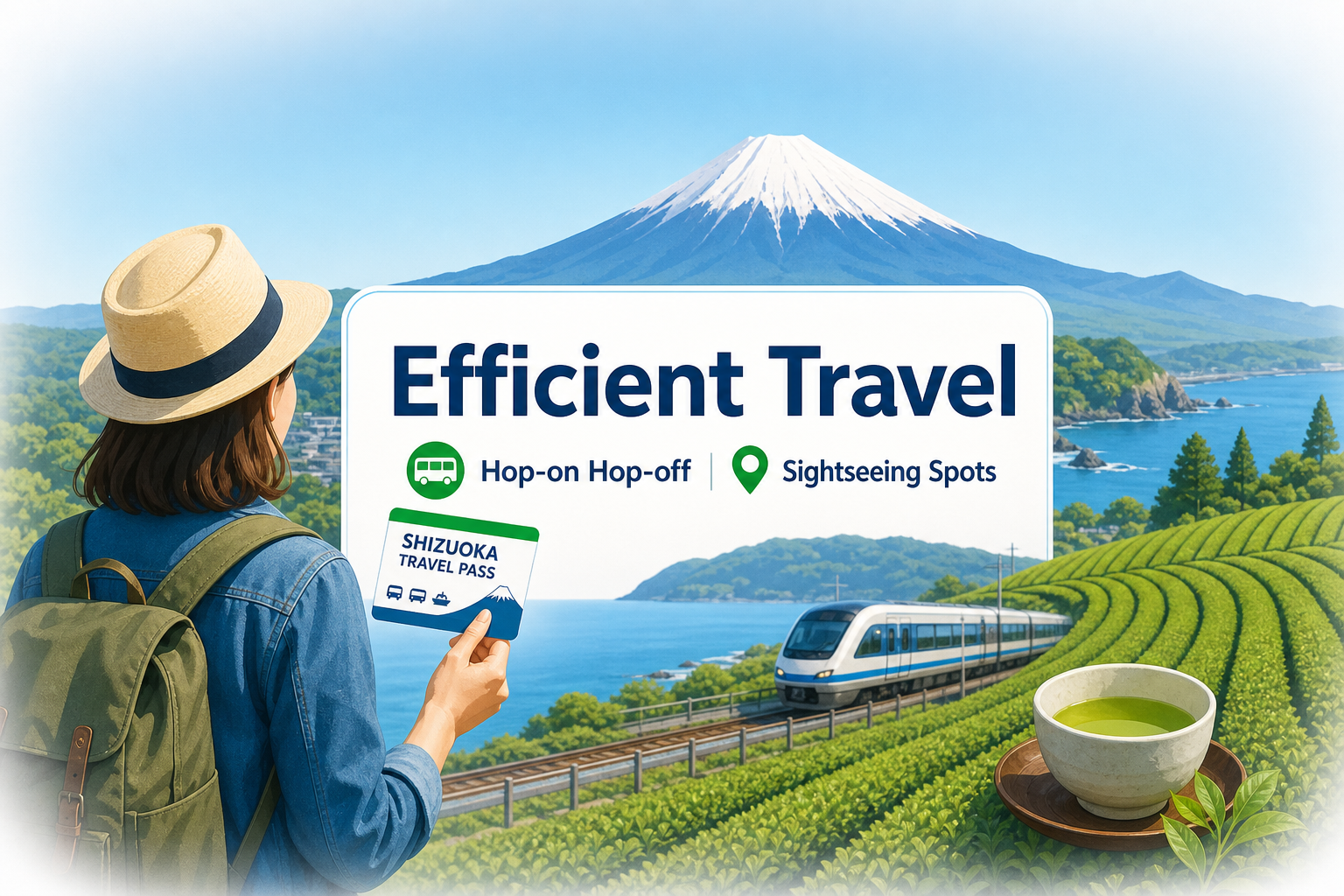
To move efficiently between the port and the mountain viewpoints, choosing the right travel pass is essential for cost-effectiveness. The ‘Train & Bus 1-Day Free Pass‘ is a highly recommended option for international visitors, costing 1,600 yen for adults. This pass covers major tourist spots in the Shizuoka and Shimizu areas, including Shizutetsu trains and buses, making it much easier to hop between locations without fumbling for change or individual tickets.
For those traveling from the Tokyo area who plan to extend their trip, the JR TOKYO Wide Pass is another valuable asset. It offers three days of unlimited rides on many lines, including the Izu Kyuko Line and Fujikyu Railway. However, for a focused one-day exploration of Shizuoka City itself, the local Shizutetsu pass remains the superior choice for flexibility. Always purchase these at ticket counters upon arrival to ensure you have the most up-to-date route maps.
Why Shizuoka is the ultimate alternative to overcrowded tourist hubs
While popular spots like Hakone and Kawaguchiko are often congested with thousands of tourists, Shizuoka offers a more spacious and authentic atmosphere. You can enjoy breathtaking views of Mt. Fuji and private tea fields from the Nihondaira plateau without the heavy crowds, allowing for a more peaceful connection with nature. This sense of space is a luxury in modern Japanese tourism, providing a better environment for photography and quiet contemplation.
Our team at Glocal by Shinker has observed that international visitors are increasingly seeking these ‘off-the-beaten-path’ experiences that still offer world-class amenities. By choosing Shizuoka, you are supporting local businesses and family-run farms that maintain the region’s unique cultural identity. This sustainable approach to travel ensures that the charm of the Japanese countryside remains preserved for future generations.
Maximizing inbound visibility: Lessons for Shizuoka business owners
For local hotel owners and restaurant operators in Shizuoka, the influx of day-trippers presents a massive opportunity to grow revenue. However, many businesses struggle to reach these travelers because their online presence is limited to Japanese-language platforms. At Glocal by Shinker, we specialize in bridging this gap through multilingual SEO and OTA optimization on platforms like Booking.com and TripAdvisor, helping local gems get discovered by the global market.
Our results speak for themselves; for instance, hotel inbound marketing support has seen a significant increase in international exposure by simply optimizing English-language content and social media strategies. By showcasing the unique hospitality and authentic food of Shizuoka to the world, we help regional businesses achieve sustainable growth. Whether it is managing your Instagram or developing a multilingual website, our data-driven solutions deliver measurable success.
Planning your next steps: Expert support for Shizuoka tourism growth
If you are a business owner in Shizuoka looking to attract more international visitors, the time to act is now. The global interest in authentic Japanese experiences is at an all-time high, and Shizuoka is perfectly positioned to capture this demand. Our team, led by CEO Hikaru Soneda, combines international experience with deep local knowledge to provide practical marketing strategies that work.
To begin your journey toward better inbound visibility, simply submit an inquiry through our website contact form or give us a call. We will schedule an initial consultation to discuss your specific goals and provide a customized proposal. Our office is conveniently located just 10 minutes from the North Exit of JR Shizuoka Station, and we are ready to help your business connect with the world.
Frequently Asked Questions
Q1. What is a time-stamped itinerary?
A time-stamped itinerary is a detailed schedule that assigns specific clock times to each activity and travel leg. It helps travelers manage their day efficiently by showing exactly when to arrive at and depart from various locations to avoid missing connections.
Q2. Is it possible to see both Mt. Fuji and tea plantations in a single day?
Yes, by following a structured itinerary, you can visit scenic viewpoints of Mt. Fuji and explore traditional tea farms. Shizuoka’s geography allows for these experiences to be combined if you use efficient transportation methods like the Shinkansen or local express buses.
Q3. How can I avoid getting lost while navigating between Shizuoka’s spread-out attractions?
To stay on track, use a logistics-first approach by identifying specific train stations or bus stops near your targets. Using a pre-planned itinerary with set time slots ensures you don’t spend too much time in one area and helps you stay oriented.
Q4. Which transportation pass is best for a Shizuoka day trip from Tokyo?
The best pass depends on your specific route, but options like the JR Tokyo Wide Pass or regional Shizuoka passes can save money. These passes often cover the high-speed rail or local lines needed to reach the prefecture’s major sightseeing hubs quickly.
Q5. What should I do if I want to try local Shizuoka food during my trip?
Look for authentic experiences near major transit hubs or tea regions mentioned in the itineraries. Shizuoka is famous for its fresh seafood and green tea-infused dishes, which are often available at local markets and specialized restaurants located along the main travel routes.