

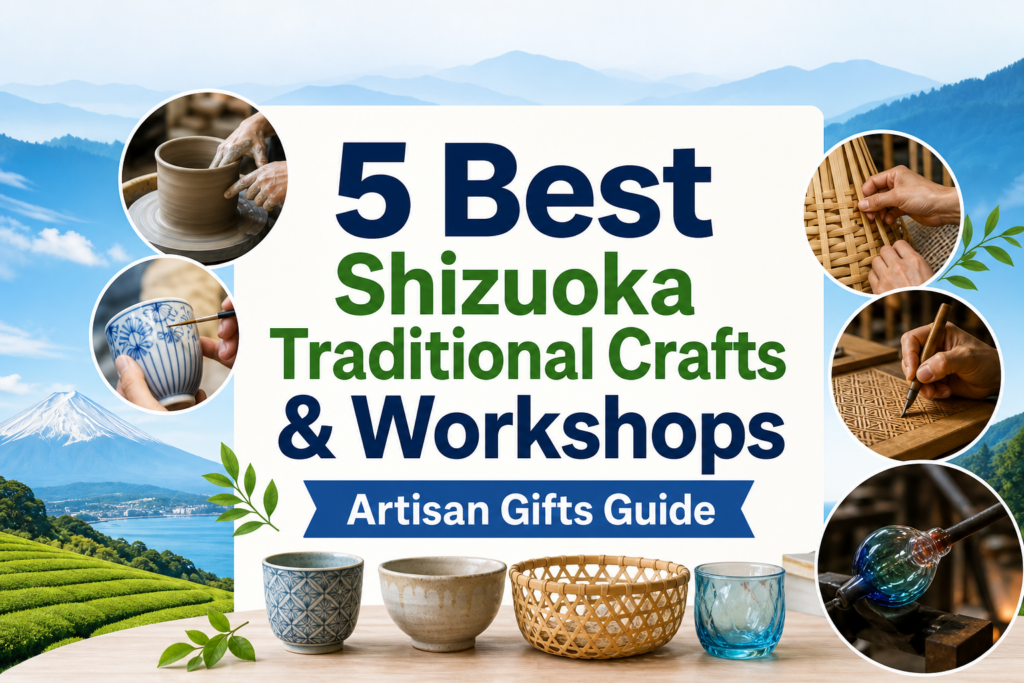
Explore traditional crafts in Shizuoka for tourists. Discover the best hands-on workshops and unique souvenirs that blend local tea culture with expert artistry.
 執筆者:Hikaru SonedaCEO
Finding authentic, hands-on cultural experiences can be challenging for international travelers who want to go beyond the typical sightseeing spots in Japan.
This guide provides a curated look at the traditional crafts in Shizuoka for tourists, featuring the best workshops, high-quality souvenirs, and historical insights to enrich your journey.
Why is Shizuoka a top destination for traditional crafts for international tourists?
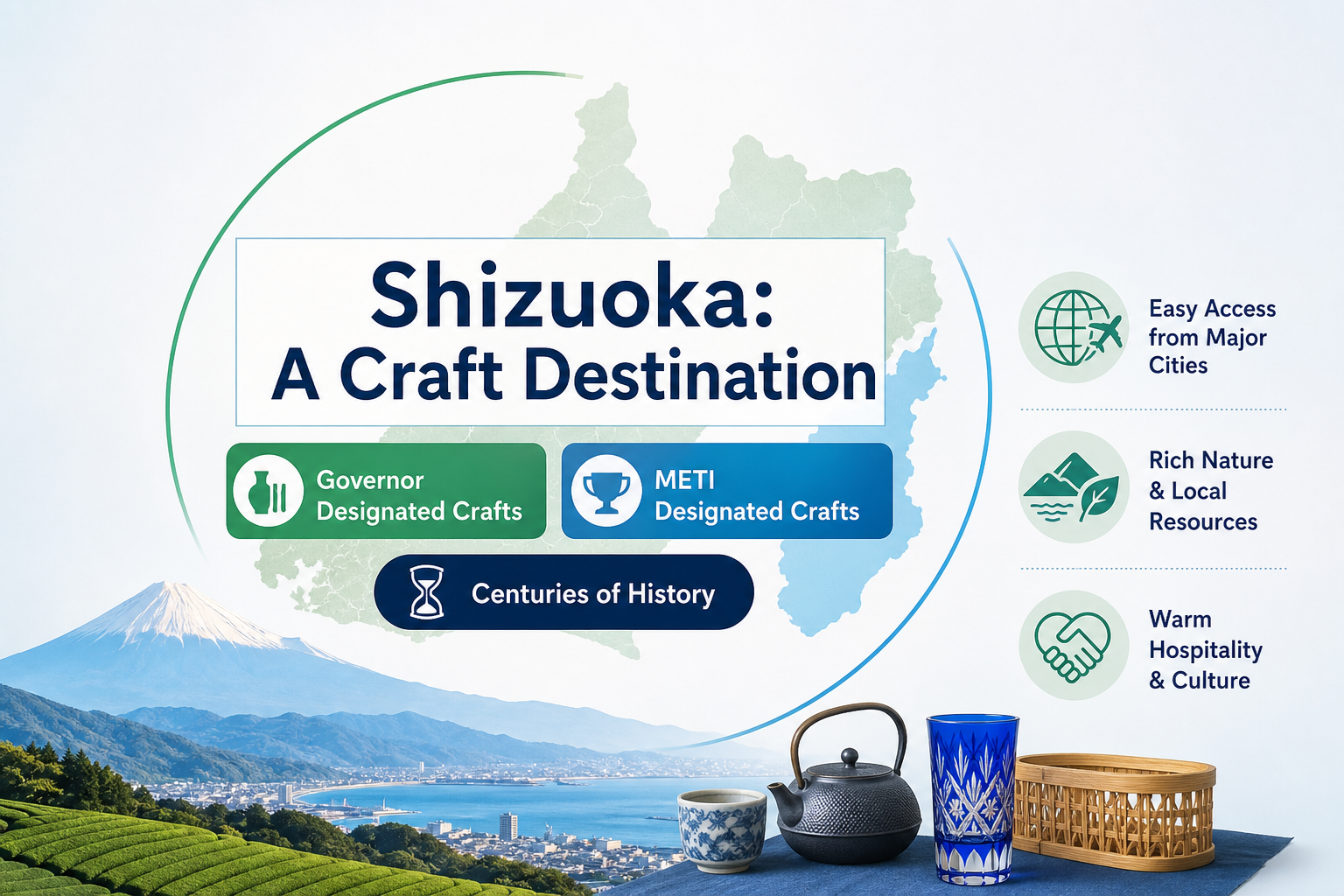
Shizuoka Prefecture stands as a premier destination for those seeking the soul of Japanese artistry, boasting 21 crafts designated by the Governor and 3 by the Ministry of Economy, Trade and Industry. The region’s reputation is built on a foundation of centuries-old techniques that have been meticulously preserved and adapted for the modern era. Unlike other tourist hubs, Shizuoka offers a unique blend of accessibility and authenticity, allowing visitors to engage directly with master artisans who have spent decades honing their skills.
The diversity of traditional crafts in Shizuoka for tourists is unparalleled, ranging from delicate bamboo work to robust lacquerware and intricate woodworking. This variety is a direct result of the region’s rich natural resources and its historical status as a major cultural crossroads. Today, these crafts are not just museum pieces; they are living traditions that tourists can experience through interactive workshops and high-end retail galleries that showcase the finest local craftsmanship.
For international visitors, the appeal lies in the opportunity to take home a piece of Japan that carries a story. Shizuoka’s artisans are increasingly opening their doors to global audiences, offering English-friendly environments and modern facilities. This shift towards international inclusivity makes Shizuoka an ideal spot for travelers who value deep cultural immersion and sustainable tourism that supports local communities and heritage.
参考: Shizuoka’s inbound tourism growth
The Historical Legacy of Sunpu and the Tokugawa Shogunate
The roots of Shizuoka’s craft industry are deeply intertwined with the history of the Tokugawa Shogunate, particularly when Ieyasu Tokugawa chose Sunpu (modern-day Shizuoka City) as his place of retirement. During the Edo period, which began approximately 370 years ago, the shogun summoned the finest craftsmen from across Japan to build and decorate the region’s temples and shrines. This concentration of talent led to the development of specialized industries like lacquerware, which was already being produced in the area as far back as 470 years ago during the Imagawa era.
Shizuoka’s craftsmanship gained international recognition quite early in history, notably when local lacquerware was exhibited at the Paris World Expo in 1867. This event marked the beginning of Shizuoka’s export history, as the world began to admire the precision and beauty of Japanese functional art. Today, the legacy of these artisans is visible at sites like the Toro Ruins, which date back 1,800 years, proving that the region has been a center for human settlement and creative production for millennia.
参考: hands-on craft experiences
Where are the best workshops for hands-on traditional craft experiences in Shizuoka?
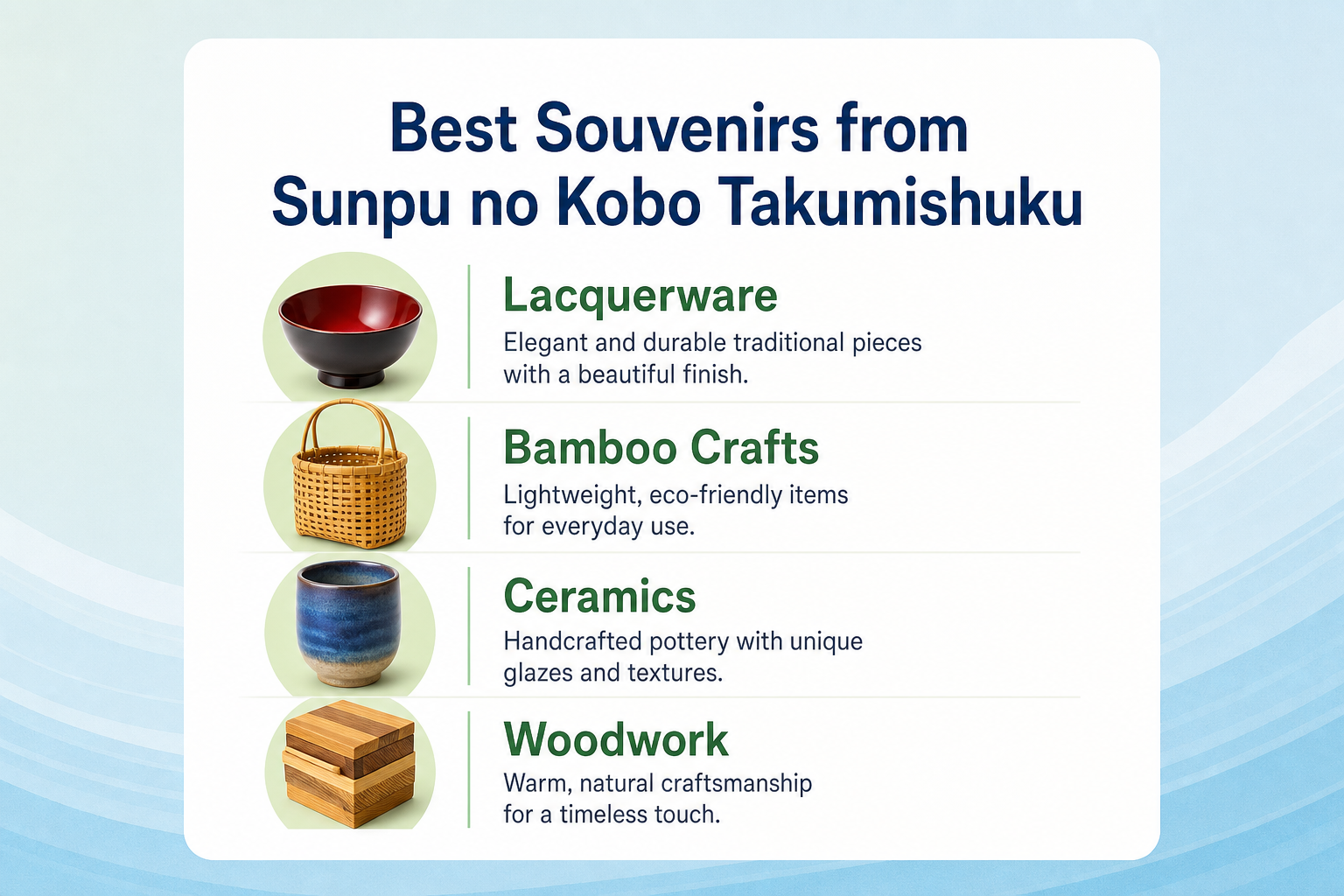
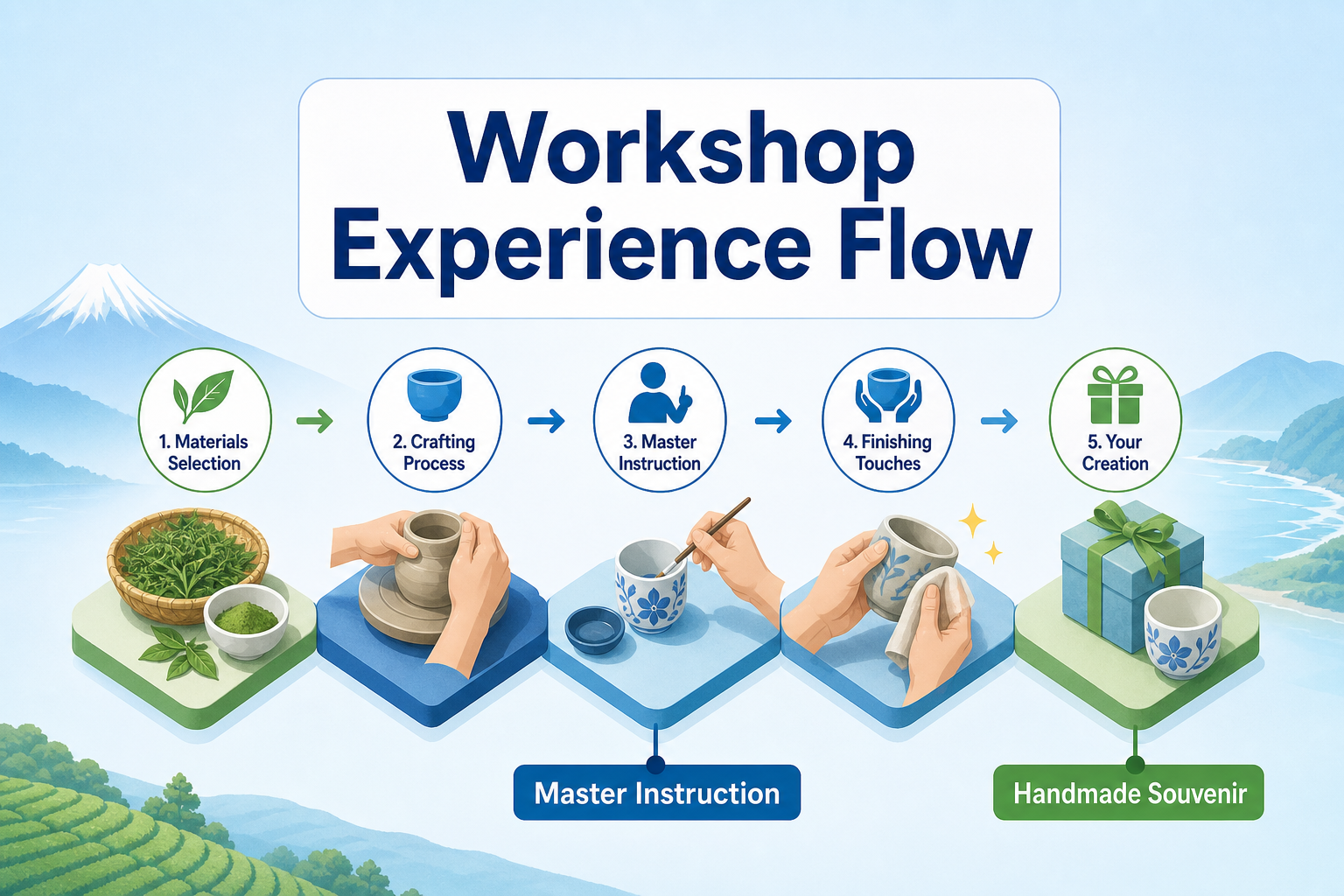
The premier location for experiencing traditional crafts in Shizuoka for tourists is undoubtedly Sunpu no Kobo Takumishuku. Originally opened in April 1999, this facility underwent a massive renovation in 2021, transforming it into a modern hub for culture, dining, and hands-on learning. The facility is designed to be accessible for all ages, offering a day’s worth of activities where visitors can see, touch, and create their own masterpieces under the guidance of professional instructors.
At Takumishuku, tourists can choose from a variety of workshops that cater to different interests and skill levels. From the delicate assembly of bamboo strips to the application of traditional lacquer techniques, the sessions are designed to be completed within a few hours, making them perfect for a half-day itinerary. The facility also features a gallery that changes its exhibits monthly, ensuring that even repeat visitors can discover something new about Shizuoka’s evolving craft landscape.
- Suruga Bamboo Sensuji Zaiku: Learn the art of bending and assembling thin bamboo strips to create elegant insect cages or modern vases. This craft is famous for its delicate, linear beauty.
- Suruga Lacquerware (Urushi): Experience the meticulous process of applying lacquer to wooden items. This workshop often includes techniques like ‘maki-e’ where gold or silver powder is used for decoration.
- Woodworking and Cabinet Making: Shizuoka is a hub for furniture making. Tourists can try their hand at creating small wooden trays or coasters using high-quality local timber.
- Traditional Dyeing (Local Craft Dyeing): Participate in textile dyeing workshops using traditional patterns and indigo. You can create your own unique handkerchief or tote bag to take home.
- Glass Blowing and Sandblasting: While not strictly traditional to the Edo period, facilities like Studio iiro in Atami offer modern glass-blowing experiences that have become a popular part of Shizuoka’s craft scene.
参考: souvenir shopping strategies
How do Shizuoka’s traditional crafts enhance modern lifestyle and local tea culture?

In Shizuoka, traditional crafts and tea culture are inseparable, creating a holistic lifestyle experience for visitors. A significant development in this synergy is the opening of the new Kimikura Japanese tea shop at Takumishuku on July 9, 2026. This shop allows tourists to enjoy premium Japanese tea served in locally crafted ceramics and lacquerware, demonstrating how these ancient crafts remain functional and stylish in a modern culinary setting.
Integrating traditional crafts into daily life is a core philosophy in Shizuoka. For instance, Suruga Bamboo Sensuji Zaiku is no longer just for birdcages; it is now used for designer lampshades and interior decor that fits perfectly in contemporary homes. By participating in workshops, tourists learn not just a skill, but a new way to appreciate the slow-living aesthetic that these handmade items represent, bridging the gap between historical Japan and global modern living.
Which high-quality traditional craft souvenirs should tourists buy in Shizuoka?
When shopping for traditional crafts in Shizuoka for tourists, the focus should be on items that combine utility with artistic value. The Sunpu Rakuichi, located inside the ASTY Shizuoka West Building at Shizuoka Station, is an excellent place to find a curated selection of these goods. For those visiting in 2025 or 2026, keep an eye out for special exhibitions at the Entetsu Department Store in Hamamatsu or the Aoyama Square in Tokyo, which frequently showcase Shizuoka’s finest exports.
Popular items include Suruga Lacquerware bowls, which are prized for their durability and smooth finish, and Suruga Bamboo trays that add a touch of elegance to any dining table. For a more modern souvenir, look for collaborative pieces where traditional artisans work with contemporary designers to create jewelry, stationary, or kitchenware that appeals to international tastes while maintaining the integrity of the original craft.
A Recommended Craft-Focused Itinerary: From Mariko to Mochimune
To fully immerse yourself in the world of traditional crafts in Shizuoka for tourists, start your day at Sunpu no Kobo Takumishuku in the Mariko district. After a morning workshop, enjoy a traditional lunch featuring grated yam (tororo), a local specialty. From there, take a 15-minute taxi ride to the Mochimune area, a modern port town that has been revitalized with stylish spots like Mochimune Minato Yokocho and HUT PARK Mochimune, which opened after a 2018 renewal.
This route allows you to see the contrast between the mountain-side traditional workshops and the seaside modern lifestyle facilities. Mochimune offers a variety of cafes and shops where you can find locally produced items in a resort-like atmosphere. Ending your day with a view of the ocean at HUT PARK provides a perfect balance to the focused, meditative experience of the morning craft sessions, showcasing the diverse appeal of Shizuoka City.
How Shinker Inc. (Glocal) Supports Regional Tourism Businesses
For business owners in Shizuoka, such as hotel managers or restaurant operators, attracting international tourists interested in traditional crafts requires a strategic digital presence. Shinker Inc., through its Glocal service, specializes in helping local businesses bridge the gap between their traditional offerings and the global market. Our team provides expert support in multilingual marketing, OTA optimization, and social media management to ensure that your facility is discoverable by travelers seeking authentic Japanese experiences.
We understand that many local operators face challenges with limited English proficiency or lack of time for digital marketing. By partnering with Glocal, you can leverage our expertise to create compelling English-language content that highlights your connection to Shizuoka’s craft heritage. Our results-driven approach has helped numerous businesses increase their international visibility and bookings, contributing to the sustainable growth of the region’s tourism industry.
| Plan | Monthly Fee | Key Services |
|---|---|---|
| Economy | Affordable monthly rate | OTA registration, basic English Instagram support |
| Standard | Mid-range monthly rate | Full OTA optimization, English SNS management |
| Premium | ¥200,000/month | Comprehensive inbound strategy, multilingual SEO |
Practical Tips for Visiting Shizuoka’s Craft Centers
When planning your visit to experience traditional crafts in Shizuoka for tourists, it is highly recommended to check the business hours and holiday schedules in advance. For example, Takumishuku is generally open from 9:30 AM to 6:00 PM but is closed on Tuesdays (unless it is a national holiday). Making a reservation for workshops is also advisable, especially during peak travel seasons, to ensure you have a dedicated instructor and the necessary materials for your chosen craft.
Accessibility is straightforward; many of the key craft locations are reachable from JR Shizuoka Station. Takumishuku is about a 20-minute bus or taxi ride from the station. For those who want to explore more broadly, renting a car can provide the flexibility to visit more remote artisan studios or scenic spots like the Nihondaira plateau. Always carry some cash, as smaller traditional workshops may not always accept international credit cards or digital payments.
Frequently Asked Questions
Q1. What are traditional crafts in the context of Shizuoka?
Traditional crafts in Shizuoka refer to historical artisanal skills, such as woodworking and lacquerware, that have been passed down for generations. These crafts often utilize local materials and were originally developed to serve the needs of the region’s ancient shrines and elite residents.
Q2. Do I need to book workshops in Shizuoka in advance?
Yes, it is highly recommended to book traditional craft workshops ahead of your visit. Since these experiences are often held in small studios with limited space, making a reservation ensures that the artisans can prepare the necessary tools and materials for your arrival.
Q3. Are these workshops suitable for tourists who do not speak Japanese?
Many workshops in Shizuoka are designed to be tourist-friendly, using visual demonstrations and simple instructions. While some artisans may have limited English, the hands-on nature of the crafts allows international visitors to follow along and successfully create their own unique souvenirs.
Q4. How much time should I set aside for a hands-on craft experience?
Most introductory craft workshops for tourists typically last between one and three hours. This timeframe allows you to learn the basic techniques of the craft and complete a small project, making it easy to fit into a standard sightseeing itinerary.
Q5. Can I use Shizuoka’s traditional craft souvenirs in my daily life?
Absolutely. Many Shizuoka crafts, such as tea canisters and wooden utensils, are designed for practical use. These items are crafted to be durable and functional, allowing you to incorporate a piece of Japanese culture into your modern home routine or tea drinking habits.