
Discover the best English tourism websites for rural Japan. Learn how digital portals help international travelers find hidden gems and authentic local insights.
 執筆者:Hikaru SonedaCEO
Many rural business owners in Japan feel overwhelmed when trying to reach international travelers who seem out of reach due to language barriers and complex digital landscapes.
This guide provides a curated list of high-impact English tourism websites for rural Japan and actionable strategies to help your local business gain global visibility.
Why are English tourism websites essential for promoting rural Japan to global travelers?
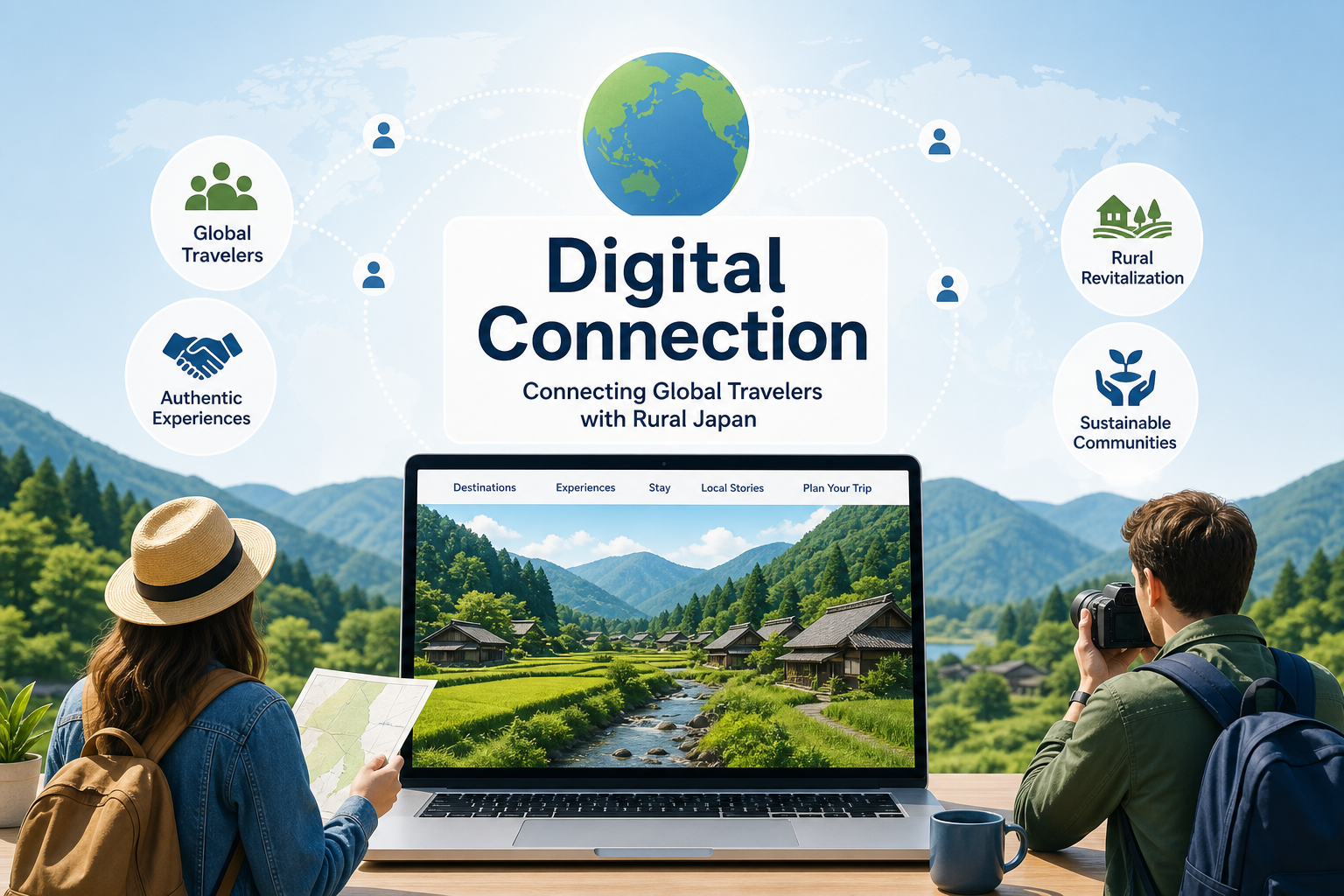
The travel landscape in Japan has shifted significantly, with international visitors increasingly seeking authentic experiences away from the crowded ‘Golden Route.’ As of August 2026, the Japan National Tourism Organization (JNTO) continues to emphasize the importance of regional revitalization through tourism. For a business owner in Shizuoka, being visible on English tourism websites for rural Japan is no longer optional; it is the primary way to reach a global audience that relies almost exclusively on digital search to plan their itineraries.
Digital portals serve as a bridge between a quiet ryokan in the Shizuoka mountains and a traveler in London or New York. Statistics show that digital tourism statistics are reaching new heights, indicating a massive appetite for local data. Without an English presence, your business remains invisible to these high-spending international guests who are eager to explore the ‘real’ Japan but lack the linguistic tools to find you.
参考: English support for the tourism industry
Which English tourism websites for rural Japan offer the most authentic local insights?
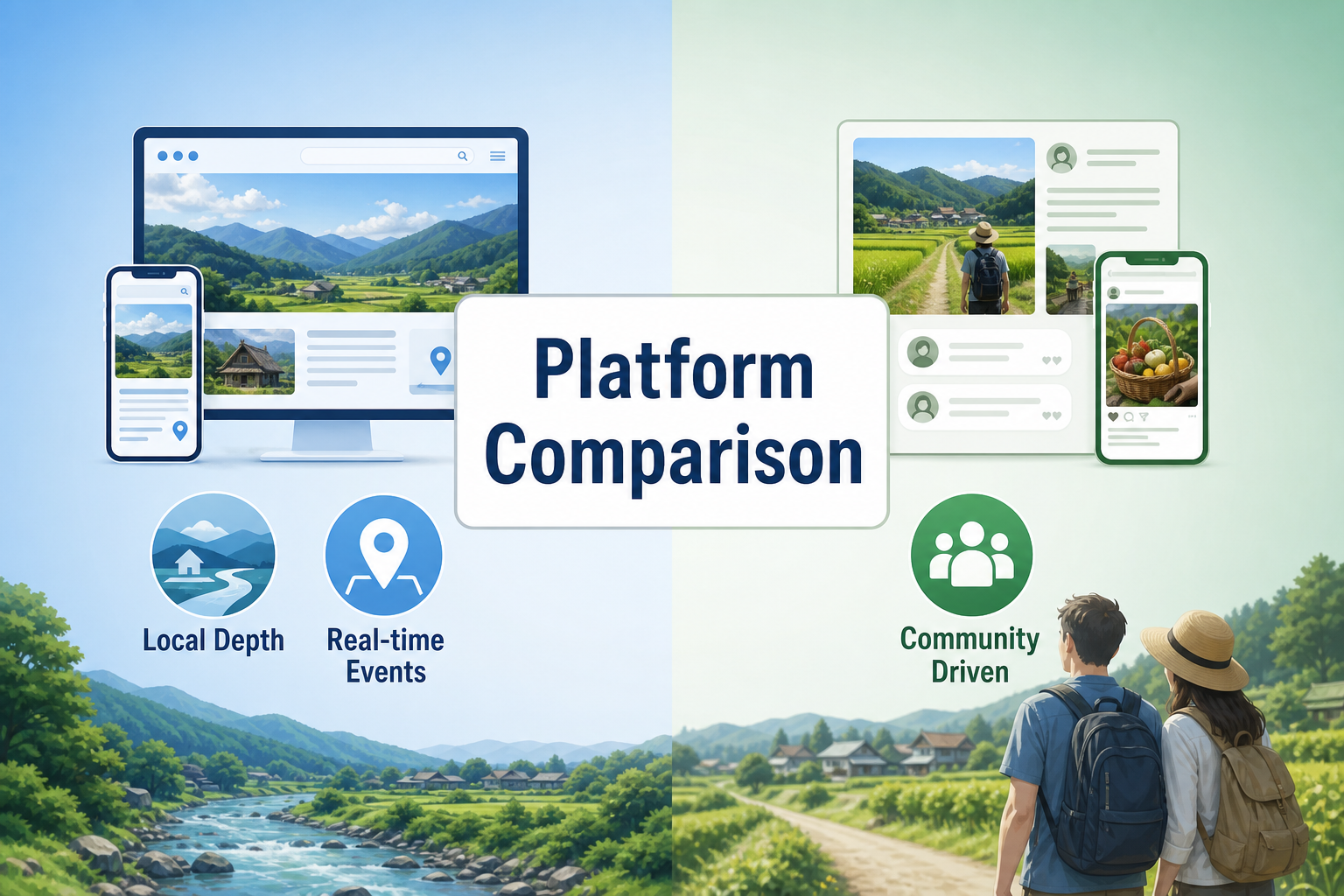
When selecting platforms to promote your business or find inspiration, focus on sites that prioritize local depth over generic descriptions. The most effective English tourism websites for rural Japan are those that integrate real-time event data and community-driven content. For instance, portals like ‘JAPAN 47 GO’ provide access to a vast amount of tourism information across all prefectures, making it a powerhouse for discovering niche regional attractions that major guidebooks often overlook.
Regional portals also play a crucial role in establishing trust. Websites managed by local tourism associations, such as the Shima City Tourism Association or regional tourism guides, offer specialized knowledge that feels more personal and reliable. These sites often feature seasonal updates, such as the 2026 fireworks schedules or local brewery tours, which are exactly the kind of ‘insider’ details that motivated inbound travelers are searching for today.
- JNTO (Japan National Tourism Organization): The official government portal that sets the standard for reliability. It is essential for broad visibility and understanding national travel trends.
- JAPAN 47 GO: A massive directory featuring many local entries. It is ideal for businesses looking to be found in specific prefecture-level searches.
- Specialized Portals: Platforms that connect Shizuoka’s local gems with the global market through expert multilingual marketing and SEO.
- Minna no Kankou Kyokai: A community-based site that offers content in up to 20 languages, perfect for reaching non-English speaking markets like Thailand or France.
- Regional Tourism Guides: Prime examples of regional portals that focus on cleanliness, safety, and specific local experiences for the Western market.
- Visit Shizuoka (Official): The prefectural gateway that highlights Mt. Fuji and green tea culture, serving as a primary touchpoint for visitors entering the region.
- TripAdvisor / Google Maps: While global, their localized English content for rural areas is often the final deciding factor for a traveler’s booking.
参考: regional tourism marketing case studies
How do international visitors discover hidden gems in Shizuoka through digital portals?
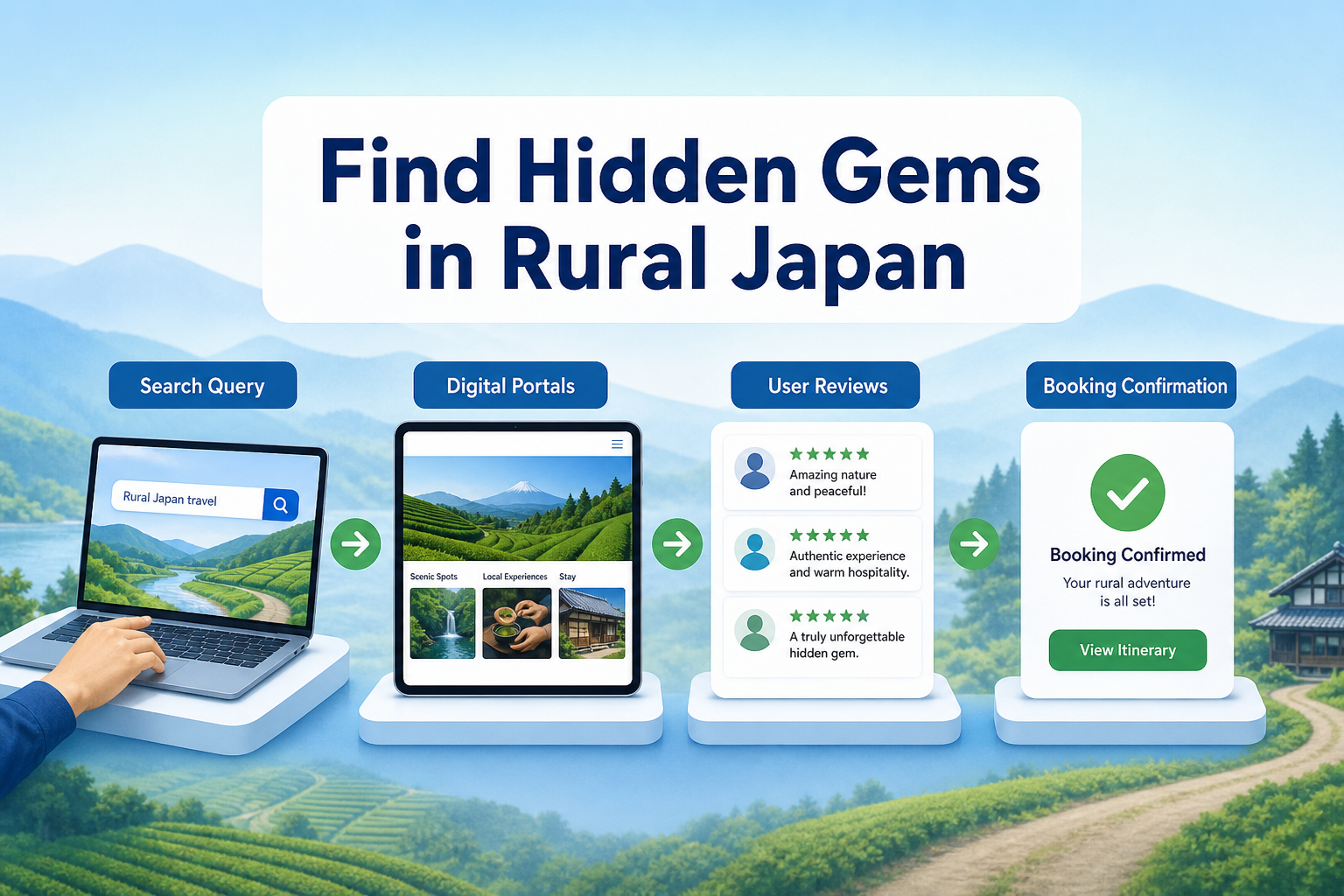
Shizuoka Prefecture, with its proximity to JR Shizuoka Station and the iconic Mt. Fuji, is a prime destination for those looking to escape Tokyo. However, discovery usually begins with a specific search query like ‘best green tea experience’ or ‘quiet ryokan near Shizuoka.’ International visitors use English tourism websites for rural Japan to validate their choices through reviews and high-quality photography. If your business appears in these search results with clear English descriptions, the likelihood of a booking increases exponentially.
Social media integration is the second pillar of discovery. Many travelers find ‘hidden gems’ via Instagram or YouTube Shorts and then visit a dedicated tourism website to confirm the logistics. For a local business in Shizuoka, having a presence on a professional platform ensures that when a traveler moves from social media to a search engine, your information is professional, accurate, and easy to navigate in their native language.
参考: Local SEO for Shizuoka tourism
What key features make an English tourism website effective for rural destinations?
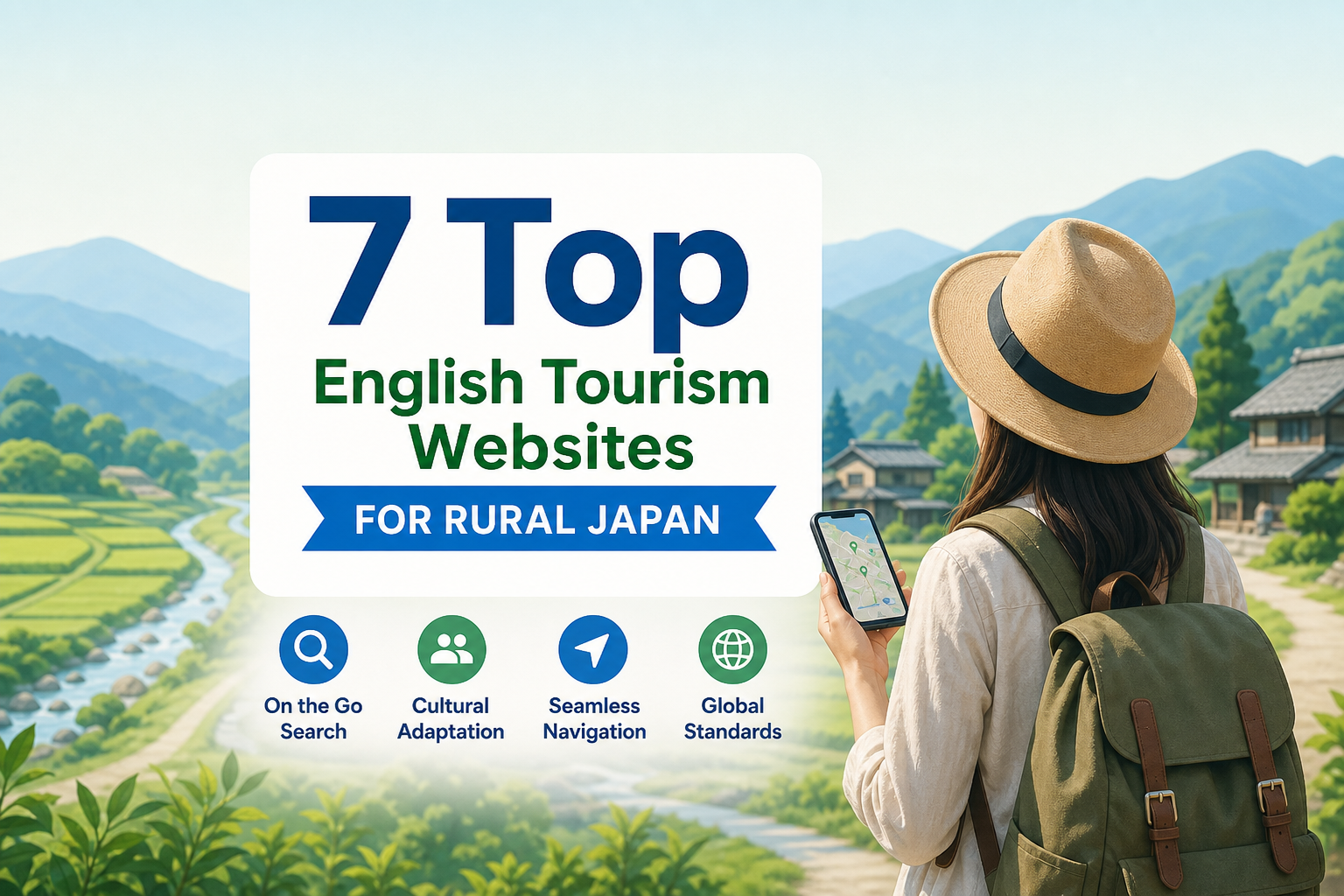
An effective English tourism website for rural Japan must go beyond simple translation. It requires ‘localization,’ which means adapting the content to meet the cultural expectations and travel habits of international guests. Key features include mobile-responsive design, as most travelers search on the go, and clear calls to action, such as direct links to booking engines or Google Maps. Without these, even the most beautiful website will fail to convert a curious browser into a paying customer.
Furthermore, the inclusion of practical logistics—such as walking distances from the nearest station or specific dietary options like vegetarian or gluten-free—is vital. Data indicates that travelers are more likely to visit a rural area if they feel confident about the ‘last mile’ of their journey. High-quality visuals that showcase the authentic atmosphere of your facility can also bridge the gap where words might fail.
The Power of Multilingual Support
The Role of Social Media and OTA Optimization in Rural Tourism Marketing
For rural businesses, Online Travel Agencies (OTAs) like Booking.com and Airbnb are the virtual storefronts that global travelers trust. Optimizing these listings with professional English descriptions and high-resolution photos is a core strategy for success. When combined with English tourism websites for rural Japan, these OTAs create a powerful ecosystem that captures interest and converts it into revenue. At Glocal, we specialize in managing these platforms to ensure your property stands out in a crowded market.
Social media platforms like Instagram and TikTok are also essential for building awareness. By sharing the daily life of your Shizuoka café or the seasonal changes at your ryokan, you create an emotional connection with potential visitors. Our data shows that consistent English social media management can significantly increase inquiries from overseas travelers, making your business a recognized name before the guest even arrives in Japan.
Practical Case Studies: Success Stories from Shizuoka’s Inbound Market
Our company’s results demonstrate the tangible impact of a coordinated digital strategy. For example, a local restaurant in Shizuoka implemented a multilingual marketing plan, focusing on English Instagram management and Google Business Profile optimization. This led to the restaurant becoming much easier for international tourists to discover online, resulting in a marked increase in engagement and foot traffic from overseas visitors. By being where the customers are looking, the restaurant secured its spot as a top dining destination.
Similarly, inbound marketing support helped a regional property improve its visibility. By optimizing OTA listings and creating high-quality English content, the hotel significantly increased its exposure to international audiences. The business established a stronger online presence and received more direct inquiries, proving that even small facilities in rural areas can compete on a global scale when they have the right digital tools and expertise.
Getting Started: How to Partner with Glocal for Global Success
If you are ready to attract more international visitors to your Shizuoka business, Glocal offers a clear and structured path to success. Our process begins with a consultation at our office, located just 10 minutes from the North Exit of JR Shizuoka Station. We discuss your specific goals, whether it is increasing bookings for your ryokan or growing the social media following of your café. We then provide a customized proposal designed to maximize your ROI in the inbound market.
We offer flexible pricing plans to suit businesses of all sizes. Detailed pricing is available upon request for our Economy plans for accommodations to our Premium restaurant plans that include comprehensive social media management across multiple platforms, we ensure that professional marketing is accessible. Our team, led by experts with international experience, is dedicated to showcasing the unique charm of Shizuoka to the world.
| Plan Type | Target Business | Monthly Fee | Key Services |
|---|---|---|---|
| Economy | Accommodation | Please contact us | OTA Optimization & English SNS |
| Standard | Accommodation | Please contact us | Full Inbound Marketing Support |
| Premium | Accommodation | Please contact us | Advanced OTA & Global Branding |
| Economy | Restaurant | Please contact us | English Instagram Management |
| Standard | Restaurant | Please contact us | Instagram, YouTube & TikTok |
Frequently Asked Questions
Q1. What is a rural tourism website?
A rural tourism website is a digital platform designed to introduce travelers to countryside destinations outside of major cities. These sites provide information on local culture, unique activities, and traditional accommodations to help visitors navigate areas where English may not be widely spoken.
Q2. How can business owners start promoting their services on these sites?
Business owners can begin by identifying which websites focus on their specific region. They should prepare high-quality photos and clear descriptions of their offerings in English, then contact the site administrators or use provided submission forms to list their local businesses.
Q3. Are these websites useful for travelers who do not speak any Japanese?
Yes, these websites are specifically designed to bridge the language gap. They provide essential information such as maps, booking instructions, and cultural etiquette in English, making it much easier for international visitors to explore rural areas independently and confidently.
Q4. What makes a tourism website effective for finding ‘hidden gems’?
An effective website focuses on authentic storytelling and local insights rather than just popular landmarks. Features like interactive maps, detailed transportation guides, and direct links to local service providers help travelers discover and access lesser-known spots in regions like Shizuoka.
Q5. Why is English content more important than just using automated translation?
Professional English content ensures that cultural nuances and specific local details are accurately communicated. Unlike automated translation, curated content builds trust with international travelers by providing clear, natural-sounding information that addresses their specific concerns and travel needs.