

Learn 5 essential tourism association inbound strategies to drive high-value growth, align local stakeholders, and reach international travelers effectively.
 執筆者:Hikaru SonedaCEO
Many tourism associations and DMOs struggle to translate national inbound policies into actionable local results while balancing the diverse interests of regional stakeholders.
This guide provides a practical 5-step framework for tourism association inbound strategies, focusing on high-value growth, stakeholder consensus, and data-driven digital marketing.
Why should tourism associations prioritize high-value inbound strategies?
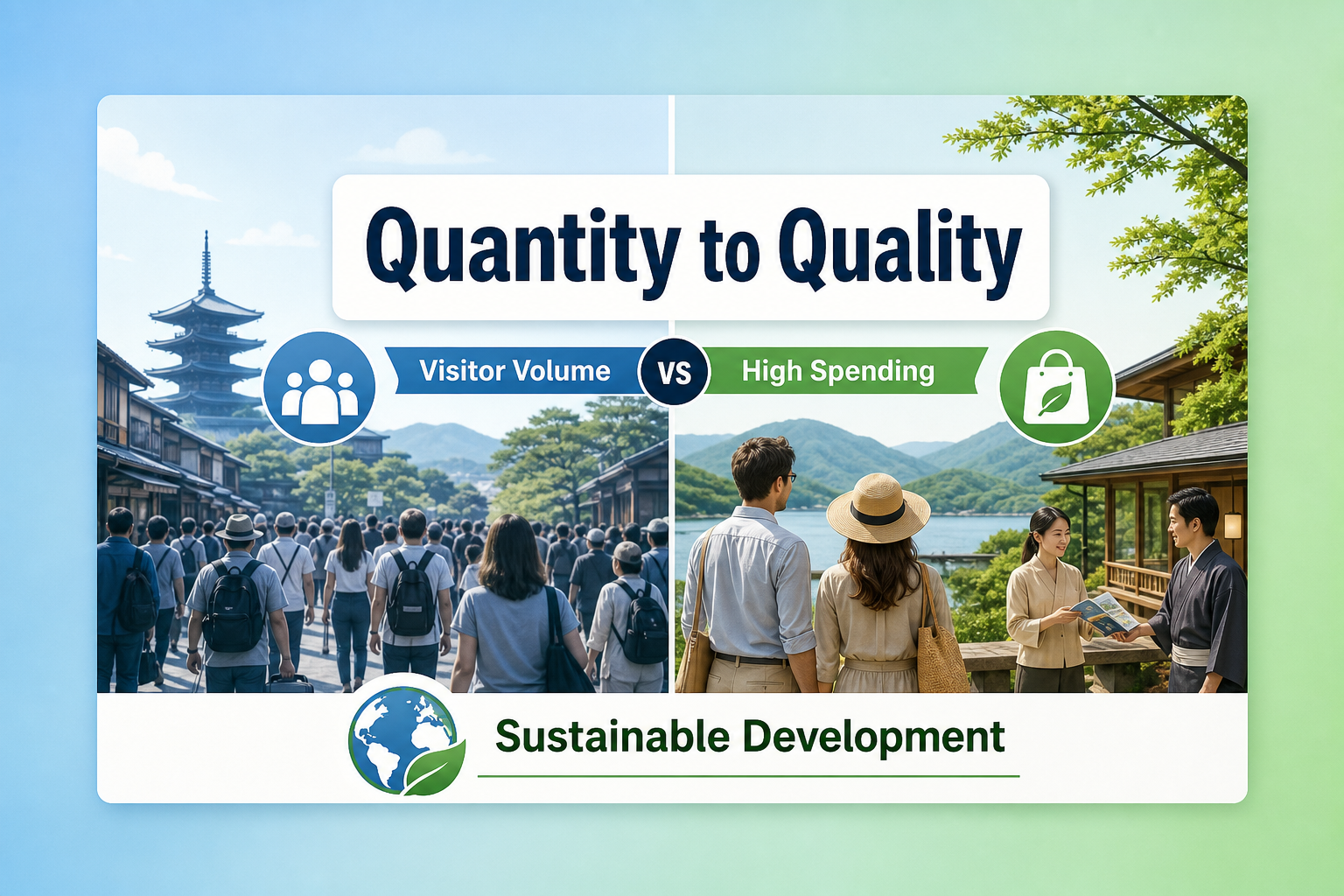
The Japanese government’s 5th Fundamental Plan for the Promotion of a Tourism-Nation, spanning from 2026 to 2030, emphasizes a shift from quantity to quality. Tourism associations must now focus on increasing spending per visitor rather than simply tracking the number of arrivals. This strategy aims to ensure the sustainable development of local economies by attracting high-value travelers who appreciate deep cultural immersion.
In 2023, inbound travel spending in Japan reached a record 5.29 trillion yen, a 9.9% increase compared to 2019 levels. This data suggests that international travelers are willing to pay for premium experiences. For regional associations, prioritizing high-value strategies means developing products that showcase unique local assets, such as traditional crafts or exclusive culinary tours, which drive higher profit margins for local businesses.
参考: high-value inbound strategies
How can associations build consensus among local tourism stakeholders?
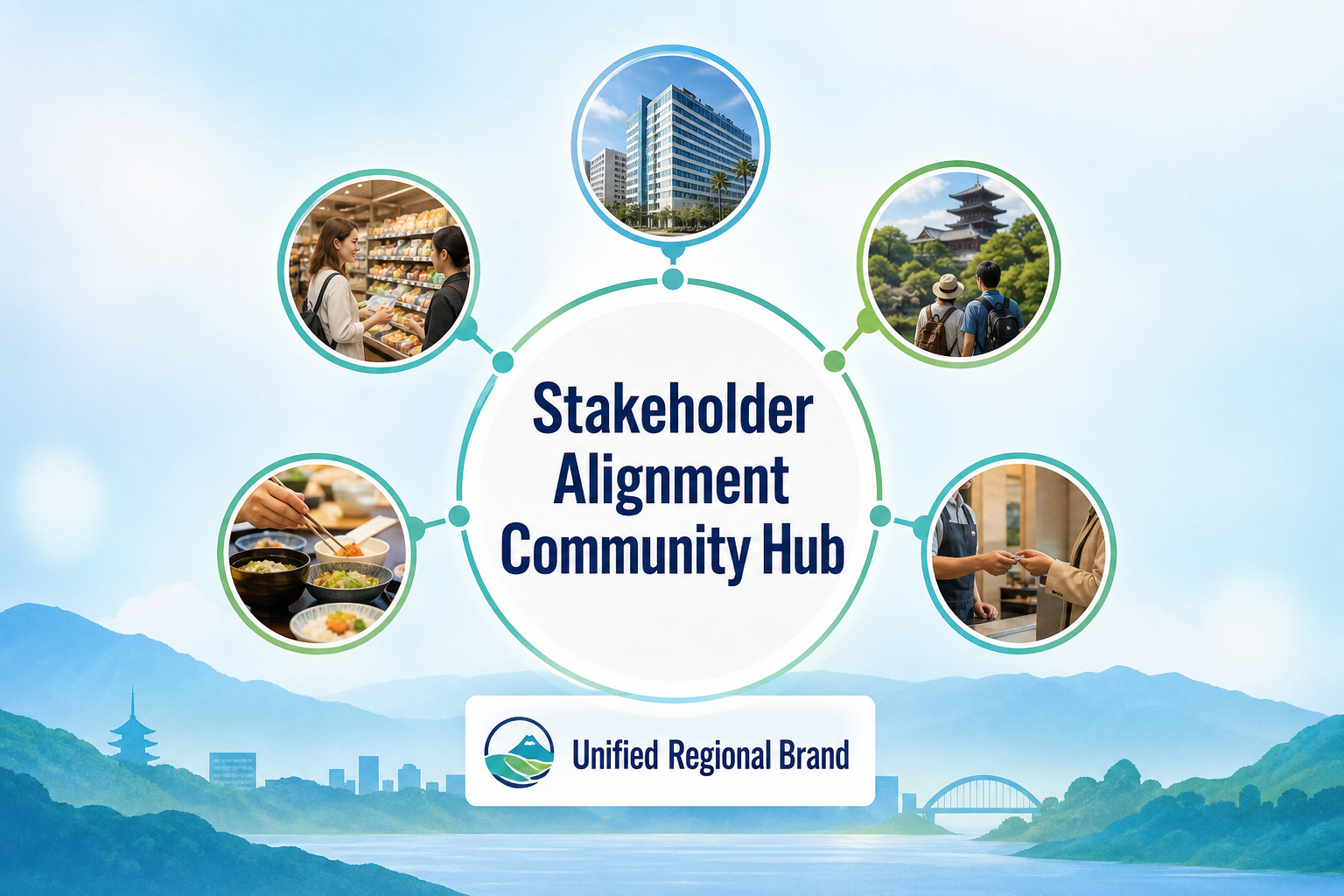
The primary challenge for any tourism association is acting as a hub to coordinate diverse local interests, from hotel owners to small retailers. Building consensus requires a clear roadmap that demonstrates how inbound tourism benefits everyone. Associations should facilitate regular workshops and share data-driven insights to align the community toward a unified regional brand.
Successful regional organizations have implemented ‘Inbound Capability Guidelines’ to assess local readiness. These guidelines help stakeholders understand their current performance in areas like multilingual support and digital visibility. By providing objective feedback and improvement plans, associations can reduce friction and foster a collaborative environment where every business feels supported in welcoming international guests.
Diagnosing and Improving Inbound Readiness
参考: coordinate diverse local interests
Which digital marketing tactics effectively reach international travelers online?
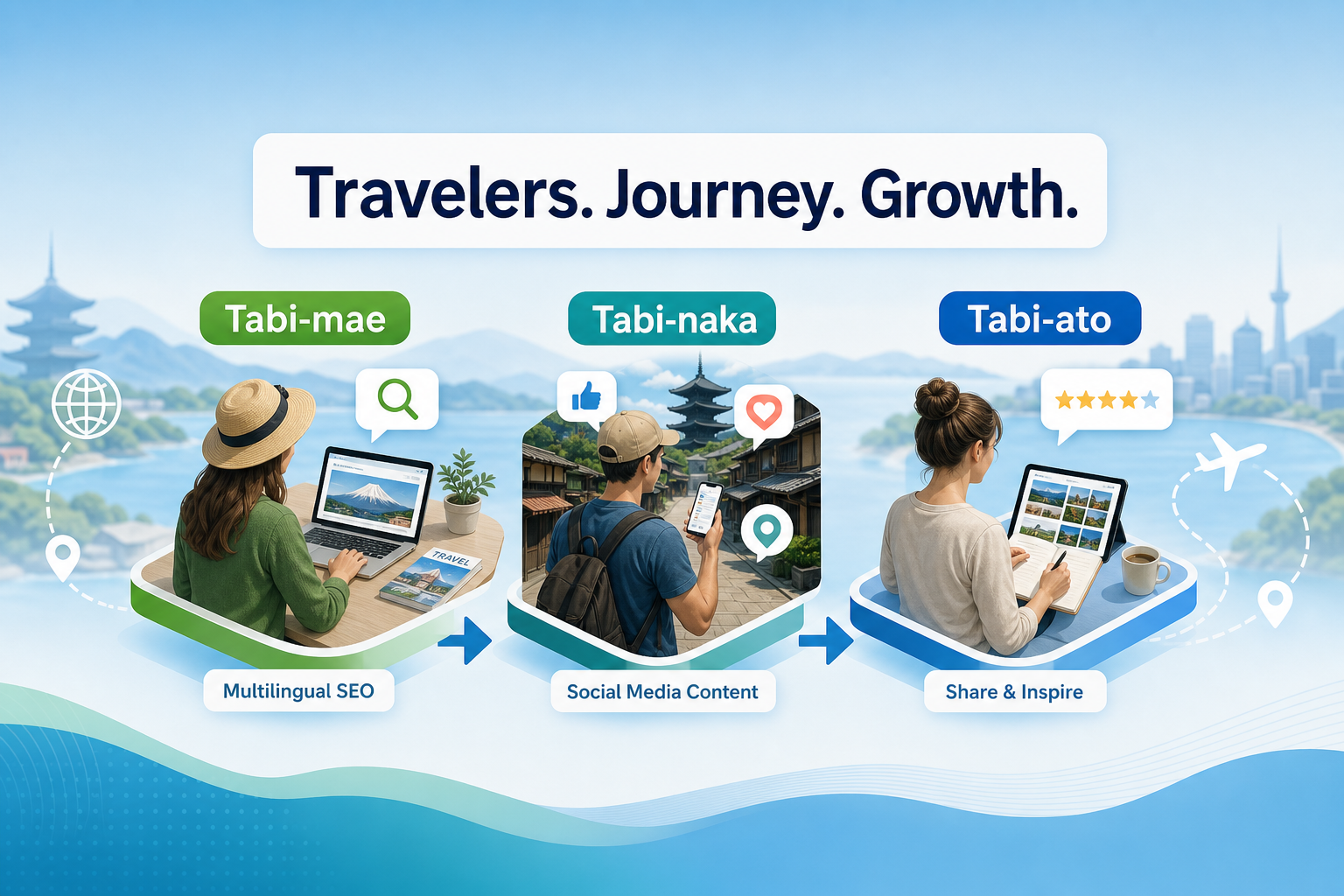
Effective inbound marketing must cover the three stages of travel: before the trip (Tabi-mae), during the trip (Tabi-naka), and after the trip (Tabi-ato). To reach travelers before they arrive, associations should invest in multilingual SEO and high-quality social media content. Since travelers from the US, Europe, and Asia have different preferences, content should be tailored to address the specific interests of each target market.
Social media platforms like Instagram, TikTok, and YouTube Shorts are essential for visual storytelling. For regional tourism associations, these tools are not just for promotion but for education. Short-form videos showcasing the ‘hidden gems’ of a region can inspire potential visitors to stay longer and explore beyond the typical tourist routes, directly contributing to regional revitalization.
- Multilingual Website Development: Ensure your regional portal is available in at least five key languages: English, Traditional Chinese, Simplified Chinese, Korean, and Vietnamese to maximize reach.
- Google Business Profile Optimization: Help local shops and restaurants update their English information and photos on Google Maps to improve visibility for ‘near me’ searches by tourists.
- Influencer Collaborations: Partner with international creators who specialize in niche travel themes like wellness, gastronomy, or adventure to build trust with specific audiences.
How can associations set data-driven KPIs for sustainable growth?
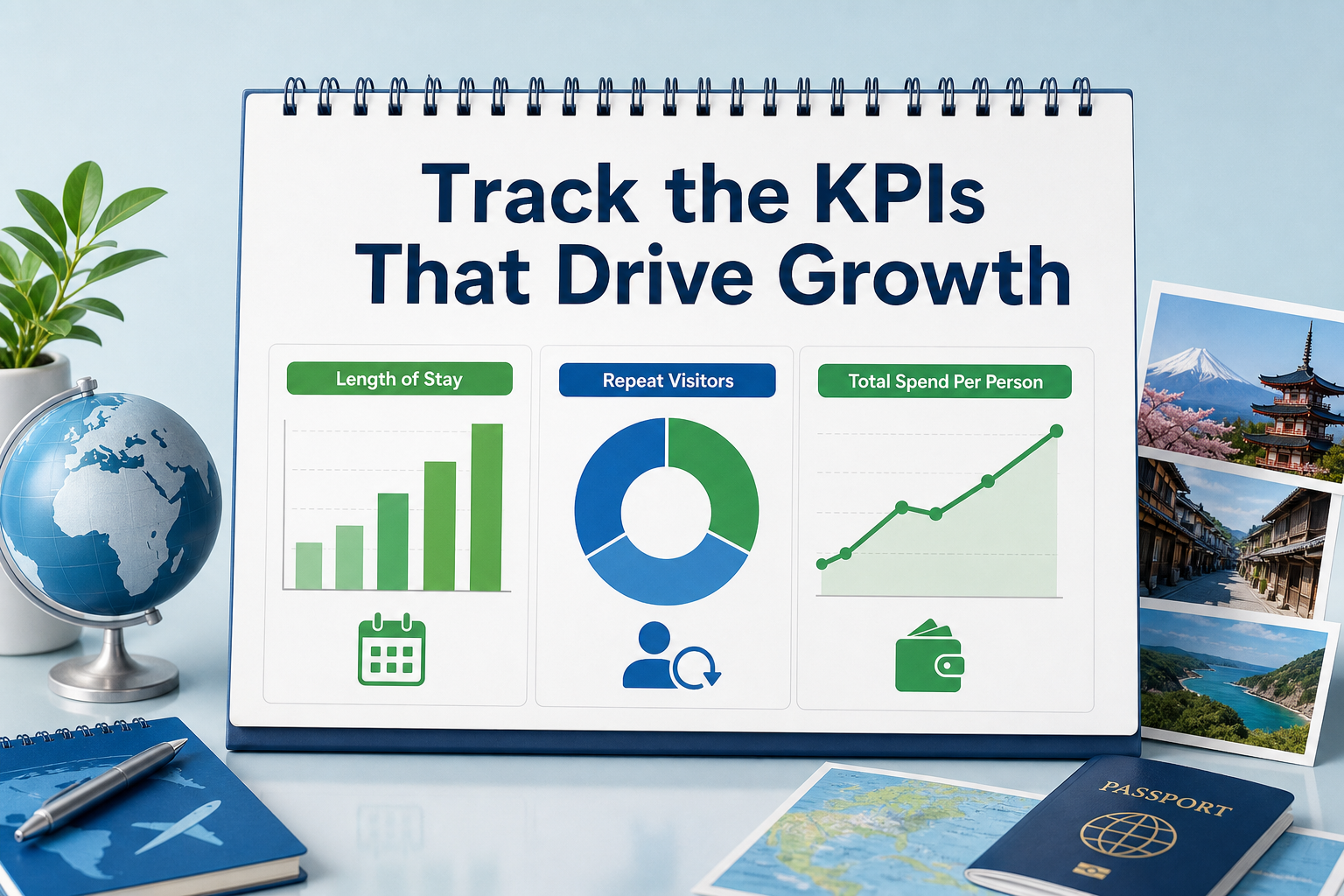
Moving away from simple visitor counts, associations should adopt KPIs that reflect economic impact and visitor satisfaction. Key metrics include the average length of stay, the percentage of repeat visitors, and the total spend per person. By tracking these data points, associations can measure the true success of their high-value inbound strategies and adjust their marketing budgets accordingly.
Data collection can be achieved through digital surveys, OTA booking data, and social media engagement rates. For example, monitoring the number of bookings made through global platforms like Airbnb or Booking.com provides a direct link between marketing efforts and actual revenue. This evidence is crucial when reporting results to local government departments and securing future funding.
Why is Shizuoka a prime location for inbound tourism development?
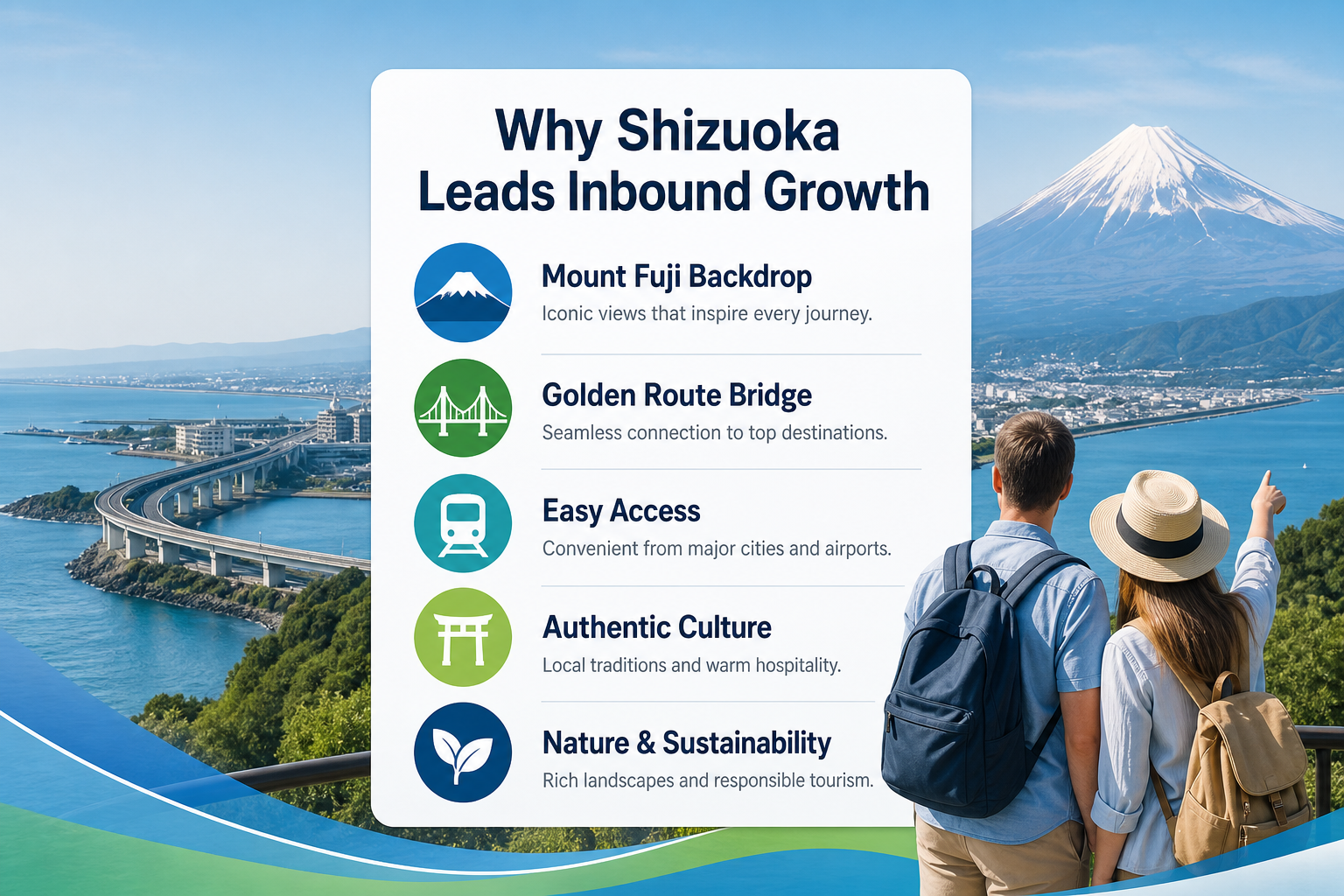
Shizuoka Prefecture offers a unique combination of accessibility and authentic Japanese culture, making it an ideal destination for international travelers. Located just 10 minutes on foot from the North Exit of JR Shizuoka Station, our office at Shinker Inc. sees firsthand how the region serves as a bridge between the Golden Route and deeper regional exploration. With Mount Fuji as a backdrop and world-class green tea experiences, Shizuoka has the assets needed for high-value growth.
The region’s strength lies in its diversity, from the coastal beauty of the Izu Peninsula to the historical significance of Sunpu Castle. For tourism associations in Shizuoka, the focus is on creating ‘only-here’ experiences that appeal to high-spending travelers. By leveraging local resources like traditional ryokans and farm-to-table dining, Shizuoka can establish itself as a leading model for sustainable inbound tourism in Japan.
How Glocal by Shinker Supports Your Association’s Success
Glocal by Shinker specializes in helping regional businesses and tourism associations bridge the gap to the global market. Led by CEO Hikaru Soneda, our team combines international experience with deep local knowledge of Shizuoka. We offer comprehensive support, from multilingual website development to OTA optimization, ensuring that your region’s unique charm is visible to travelers worldwide.
Our results speak for themselves. We have helped local restaurants increase their international visibility through English Instagram management and Google Business Profile optimization. Similarly, our work in tourism promotion has expanded the global reach of cultural experiences, showcasing the unique value of regional Japan to a worldwide audience. We focus on measurable outcomes that drive real business growth.
- Initial Consultation: Discuss your regional goals and inbound marketing needs with our team to identify key opportunities for growth.
- Customized Proposal: Receive a tailored strategy and quotation designed to address your specific stakeholder and marketing challenges.
- Implementation & Support: We handle the digital execution, from social media management to OTA registration, providing email support for all inquiries.
| Plan Level | Monthly Fee | Key Services |
|---|---|---|
| Economy | Please contact us for details | OTA optimization or English Instagram management |
| Standard | Please contact us for details | Multilingual SNS (Insta, YouTube, TikTok) and OTA management |
| Premium | Please contact us for details | Full-service digital marketing including X (Twitter) and adv |
Take the next step toward sustainable regional growth
Developing effective tourism association inbound strategies is a journey that requires expertise, patience, and a data-driven approach. At Glocal by Shinker, we are committed to showcasing the unique stories and hospitality of Shizuoka to the world. Whether you are a hotel owner, a restaurant manager, or a tourism officer, we are here to help you achieve long-term success in the international market.
Ready to transform your regional tourism strategy? Contact Shinker Inc. today to schedule your initial consultation. Our team is available Monday through Friday, 9:00 AM to 6:00 PM, at our Shizuoka City office. Let’s work together to connect your local treasures with global travelers and build a vibrant, sustainable future for your community.
Frequently Asked Questions
Q1. What is a high-value inbound strategy?
It is a plan focused on attracting international travelers who stay longer and spend more money in a local area. Instead of just increasing visitor numbers, it prioritizes sustainable economic growth and high-quality experiences for guests and residents.
Q2. How can an association handle disagreements between local businesses?
Associations can build consensus by creating shared goals and showing how inbound tourism benefits everyone. Regular meetings and transparent communication help stakeholders understand that a unified regional brand attracts more visitors than individual efforts alone.
Q3. What are the most effective ways to reach travelers online?
Effective digital tactics include using social media targeted at specific international markets and providing high-quality content in multiple languages. Focusing on platforms where travelers research their trips ensures the destination stays visible during the planning process.
Q4. How do associations measure if their inbound strategy is working?
They use data-driven KPIs, such as average spending per visitor, length of stay, and visitor satisfaction scores. These metrics help the association understand if they are meeting their growth goals or if they need to adjust their marketing tactics.
Q5. Why is Shizuoka considered a strong example for this type of development?
Shizuoka is a prime location because it offers a mix of iconic scenery and local culture that appeals to high-value travelers. Its geographical features and accessibility make it an ideal case study for implementing structured inbound growth strategies.