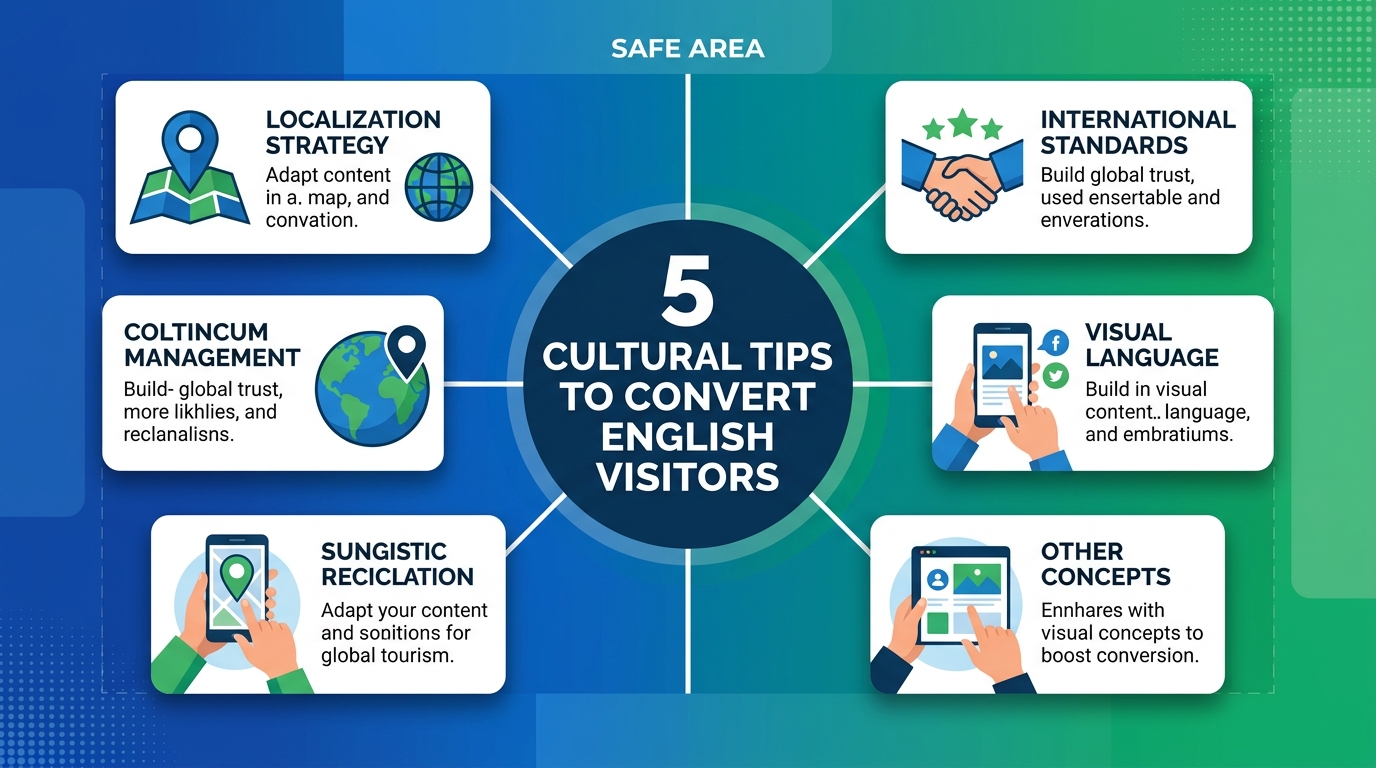
Master Google Maps marketing for English speakers. Optimize your Shizuoka business profile, manage reviews, and bridge cultural gaps to drive foot traffic.
Many local business owners in Shizuoka struggle to attract international tourists despite offering world-class hospitality and unique regional experiences.
This guide provides actionable Google Maps marketing for English speakers to help you optimize your profile, bridge cultural gaps, and drive measurable foot traffic.
Why is Google Maps marketing essential for reaching English-speaking travelers?
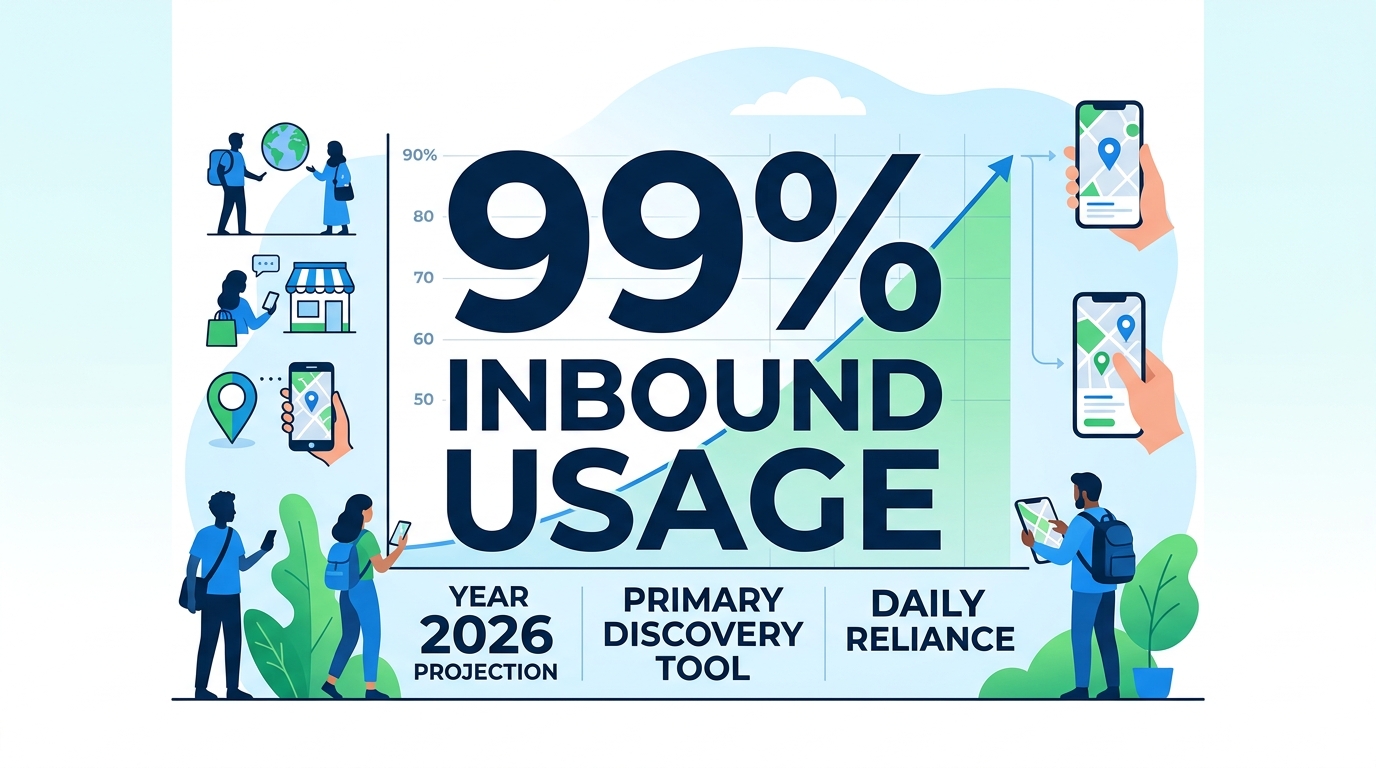
For international travelers navigating Japan, Google Maps is not just a navigation tool; it is the primary search engine for discovery. According to industry data from 2026, approximately 99% of inbound visitors use Google Maps during their stay, with first-time visitors relying on it daily to find restaurants, hotels, and attractions. This makes Google Maps marketing for English speakers the most cost-effective way to reach a global audience of over 2 billion monthly users without a massive advertising budget.
The platform serves as a bridge for the ‘0 to 1’ discovery phase, where travelers search for broad terms like ‘best sushi near me’ or ‘traditional ryokan.’ Research indicates that 67.1% of users rely on map apps to check detailed information such as business hours and menus. If your Shizuoka business is not optimized for English-speaking users, you are essentially invisible to a massive segment of the market that is actively looking to spend money in your area.
参考: 令和6年度「訪日外国人旅行者の受入環境整備に 関する …
Essential Settings: Beyond Basic Translation for Global Visibility
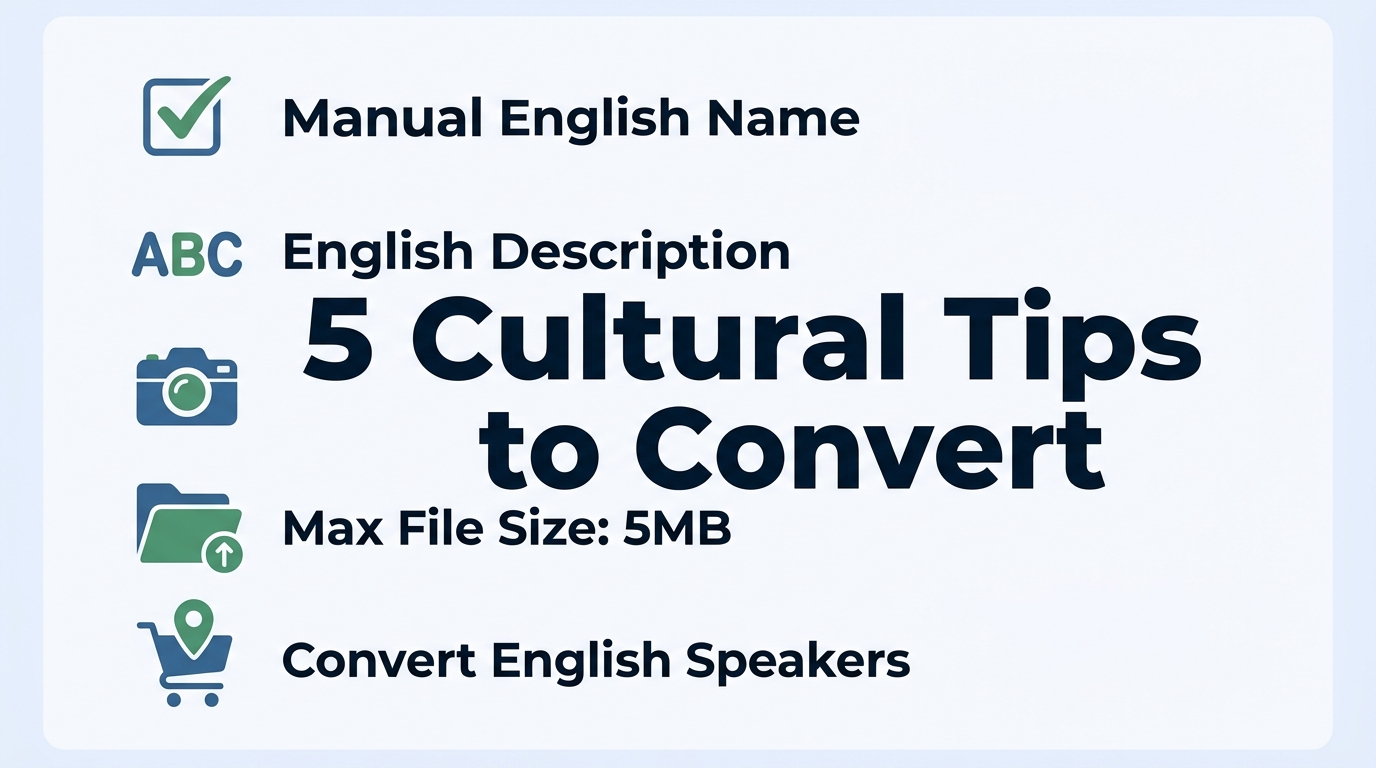
A common mistake among Japanese businesses is assuming that Google’s automatic translation handles everything. While reviews are often translated, business names and descriptions are not automatically converted into English. To ensure your shop is discoverable, you must manually add an English name and description within the Google Business Profile settings. This ensures that when a traveler searches in English, your business actually appears in the search results rather than being filtered out.
Technical specifications also matter for a professional appearance. Google recommends using JPG or PNG formats for photos, with a file size between 10 KB and 5 MB. For the best visual impact on high-resolution smartphone screens, aim for a resolution of 720 x 720 pixels. High-quality imagery is the first thing an English speaker looks at to judge the quality and atmosphere of a business, directly influencing their decision to visit.
- Access Language Settings: Log into your Google Business Profile and select ‘English (United States)’ as a secondary language to begin the localization process.
- Update Business Name: Include a descriptive category in English, such as ‘Shizuoka Green Tea Cafe – [Store Name],’ to help users understand what you offer immediately.
- Optimize Business Description: Write a concise 750-character description in English that highlights your unique selling points, such as proximity to JR Shizuoka Station.
出典・参考: Google公式ヘルプの店名英語表記ガイド
How can cultural localization transform a Google Business Profile for international audiences?
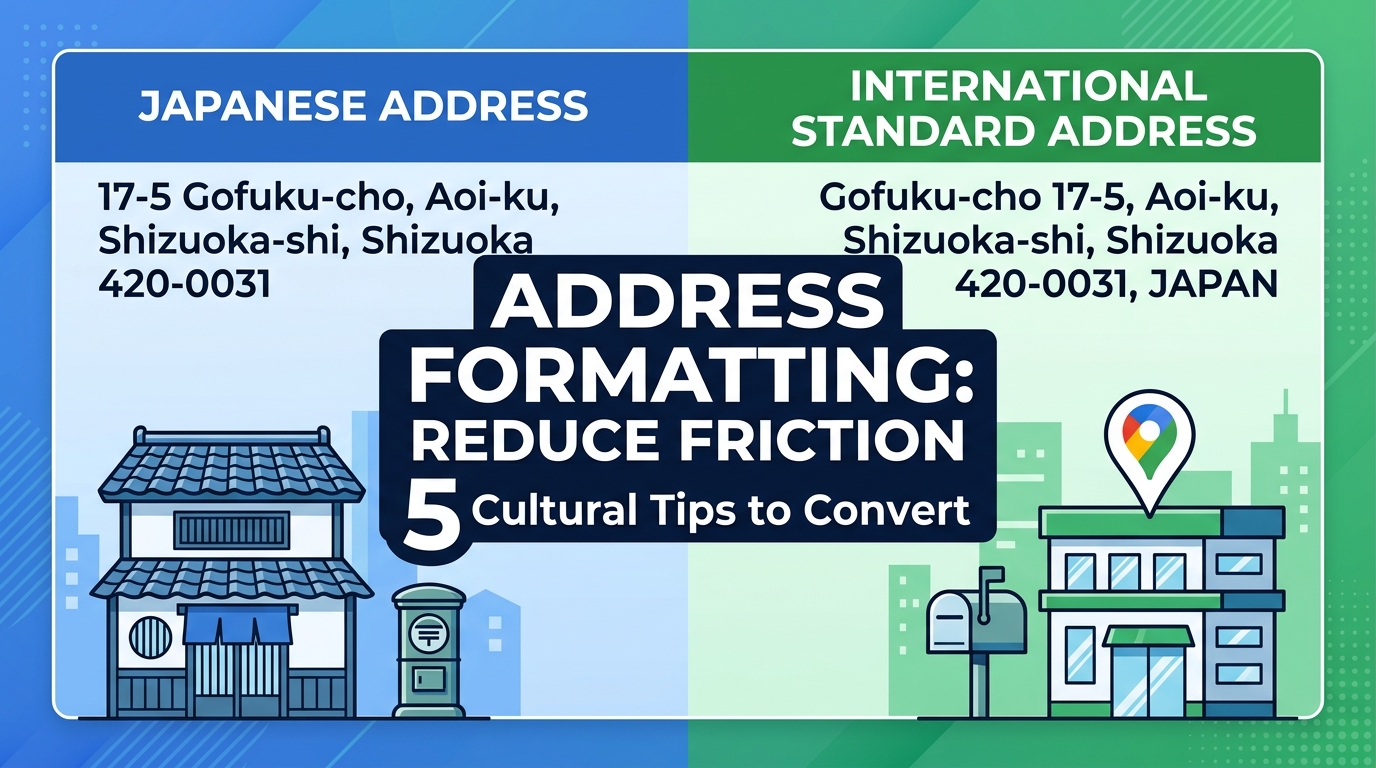
Cultural localization goes beyond literal translation by addressing the specific expectations of Western travelers. For example, simply writing your address in the Japanese format can be confusing. Instead, use a format that aligns with international standards, such as ’17-5 Gofuku-cho 2-chome, Aoi-ku, Shizuoka City.’ This small change reduces friction for tourists trying to find your location using GPS or walking directions from the North Exit of JR Shizuoka Station.
Another vital aspect is clarifying services that might be taken for granted in Japan but are crucial for international visitors. Information about cashless payment options (credit cards, Apple Pay) and dietary accommodations (vegetarian, gluten-free) should be prominently featured. By addressing these ‘unspoken’ concerns in your English description, you build immediate trust and position your business as ‘tourist-friendly’ in a competitive local market.
Visual Marketing: Choosing Photos that Appeal to Western Aesthetics
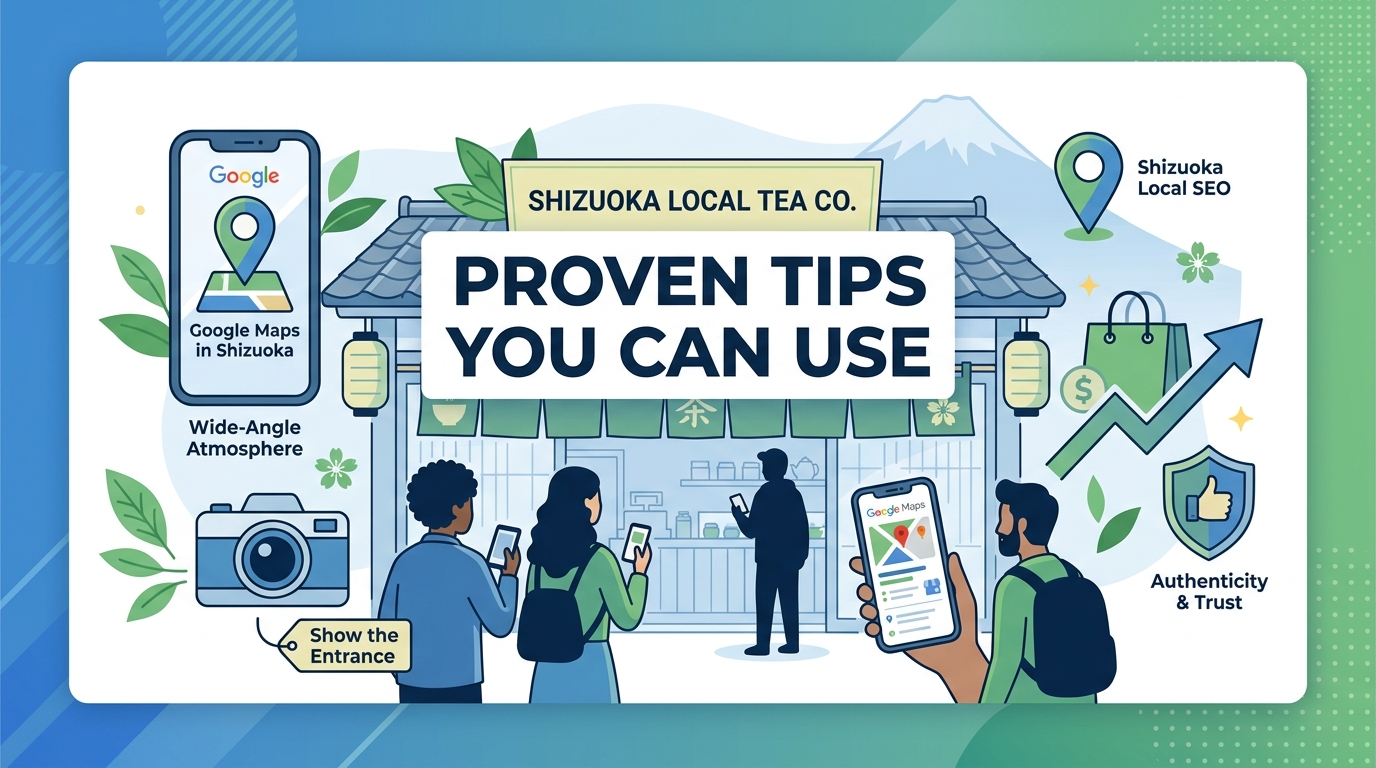
In the context of Google Maps marketing for English speakers, your photos act as a universal language. Western travelers often look for ‘atmosphere’ and ‘authenticity.’ Instead of only posting close-ups of food, include wide-angle shots of the interior, the storefront, and even the staff. Showing the entrance is particularly helpful for international guests who may feel anxious about entering a traditional Japanese building for the first time.
Consistency is key. Regularly updating your profile with high-quality images of seasonal offerings or local Shizuoka scenery can keep your listing fresh. Ensure that your menu photos are legible and, if possible, include English subtitles or icons. A traveler is much more likely to visit a restaurant where they can see exactly what they will be ordering without a language barrier.
What are the best strategies for managing English reviews and building global trust?
Reviews are the social proof that drives conversions. A profile with only one or two reviews—or reviews exclusively in Japanese—can be a red flag for English speakers. To build trust, you must actively encourage international guests to leave feedback. Research shows that having even 10 reviews compared to just one significantly increases the perceived reliability of a business. At Glocal, we recommend a proactive approach to gathering these digital endorsements.
3 Ways to Increase English Reviews
First, the most effective method is simply to ask. When a guest is paying, a staff member can say, ‘If you enjoyed your stay, we would appreciate a review on Google.’ Second, make the process frictionless by providing a QR code at the register or on tables that links directly to your review page. Third, consider offering a small incentive, like a free drink or a local souvenir, which can motivate guests to take the time to share their experience.
- Respond in English: Always reply to English reviews in English. It shows potential customers that your staff is capable of basic communication and that you value international feedback.
- Address Negative Feedback Professionally: If you receive a negative review, respond calmly and offer a solution. This demonstrates a high level of hospitality (Omotenashi) to everyone reading the thread.
- Highlight Positive Keywords: When guests mention specific features like ‘great view of Mt. Fuji’ or ‘English menu,’ these keywords help your profile rank higher for those search terms.
How can Shizuoka businesses rank for English-specific search terms and drive foot traffic?
To win at local SEO in Shizuoka, you must target the specific keywords English speakers use. While a local might search for ‘izakaya,’ a tourist might search for ‘best place for sake’ or ‘dinner near Shizuoka Station.’ Incorporating these natural English phrases into your ‘Updates’ and ‘Product’ sections on Google Business Profile allows you to capture this high-intent traffic.
Utilizing the ‘Updates’ feature is a powerful way to stay relevant. Post about local events, seasonal tea harvests, or special inbound-only promotions. Since the Shinker Inc. office is located just 10 minutes from JR Shizuoka Station, we understand the local geography and can help businesses highlight their proximity to major landmarks, which is a major ranking factor for ‘near me’ searches.
Leveraging Local SEO: Making Shizuoka a Must-Visit Destination on the Map
Shizuoka is often a stopover between Tokyo and Kyoto, but through effective Google Maps marketing, we can turn it into a primary destination. By collaborating with other local businesses to create a ‘cluster’ of highly-rated, English-friendly spots, the entire region benefits. When a traveler sees multiple 4.5-star businesses in Gofuku-cho, they are more likely to spend an entire day or night in the city.
At Glocal by Shinker, we specialize in this holistic approach. We don’t just optimize one profile; we help businesses integrate their Google Maps strategy with social media and multilingual websites. This creates a seamless digital footprint that guides an international traveler from their initial search to walking through your front door.
Proven Results: How Shizuoka Businesses are Winning with Glocal
Our strategies have delivered measurable success for local hospitality and tourism providers. For instance, a regional hotel partnered with Glocal to improve its visibility among international travelers. By optimizing their OTA listings and strengthening their Google Maps presence with English-language content, they significantly increased their exposure and brand recognition among overseas audiences.
Similarly, a local restaurant implemented our multilingual marketing strategy, focusing on Google Business Profile optimization and English Instagram management. As a result, the restaurant became much easier for international tourists to discover, leading to a noticeable increase in overseas visitors and establishing the venue as a popular dining destination for inbound travelers.
| Plan | Target Business | Monthly Fee | Key Features |
|---|---|---|---|
| Economy (Accommodation) | Hotels/Ryokans | ¥50,000 | OTA optimization, basic English support |
| Standard (Restaurant) | Cafes/Izakayas | ¥250,000 | Instagram, YouTube Shorts, TikTok management |
| Premium (Full Support) | Large Facilities | ¥350,000 | All-inclusive SNS + OTA + X management |
Frequently Asked Questions
Q1. What is Google Maps marketing?
Google Maps marketing is the practice of optimizing your Google Business Profile to appear higher in local search results. It helps travelers find your business when they search for nearby services or attractions using keywords like “best cafe” or “things to do.”
Q2. How does cultural localization differ from simple translation?
Localization adapts your content to match the expectations of international travelers. This means using photos that appeal to global tastes and highlighting features, such as English menus or credit card acceptance, that foreign visitors value most, rather than just translating Japanese text into English.
Q3. Should I reply to English reviews in English or Japanese?
You should reply in English to show international guests that you are welcoming and communicative. Even a short, polite response in English builds trust and demonstrates to future travelers that your business is capable of assisting non-Japanese speaking visitors effectively.
Q4. How can I find the right English search terms for my Shizuoka business?
Focus on terms travelers actually use, like “green tea tasting” or “Mt. Fuji view.” Instead of using technical Japanese terms, describe your services using common English phrases that explain the experience, helping your business appear when tourists search for regional activities.
Q5. How often should I update my profile to stay relevant to tourists?
It is best to update your profile at least once a week. Regular posts about seasonal events, new menu items, or updated holiday hours show both Google and potential customers that your business is active, reliable, and ready to welcome international guests.