Boost inbound sales with English menu design in Shizuoka. Learn to market local specialties, find professional services, and utilize government subsidies.
Many restaurant owners in Shizuoka feel overwhelmed by the increasing number of international travelers who struggle to understand local menus and regional culinary traditions.
This guide provides a Shizuoka-centric roadmap for professional English menu design, helping you market local specialties effectively while utilizing regional subsidies and design resources.
Why is professional English menu design in Shizuoka essential for inbound growth?
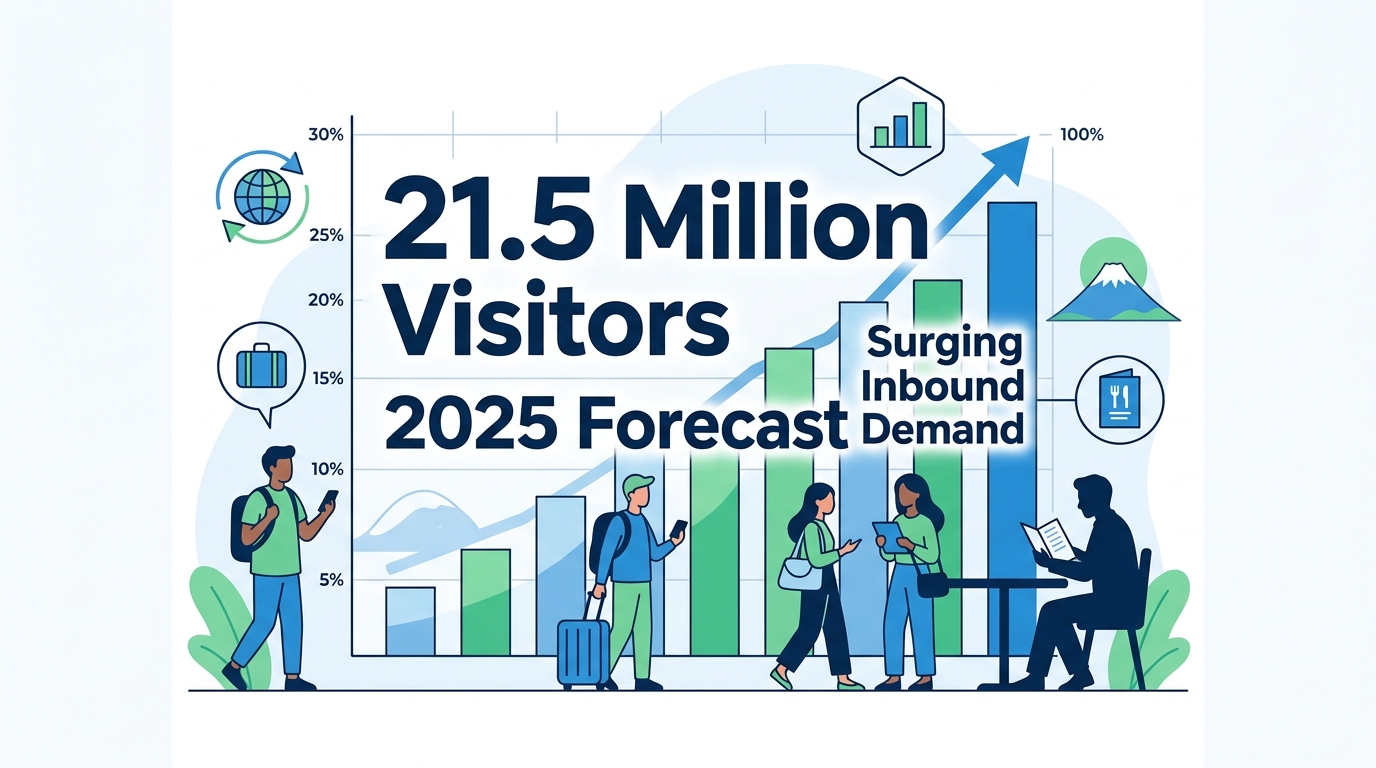
The surge in international tourism across Japan has reached unprecedented levels, with data from the Japan National Tourism Organization (JNTO) showing that in the first half of 2025, visitor numbers surpassed 21.5 million. For Shizuoka businesses, this represents a massive opportunity to capture inbound revenue, yet many establishments remain inaccessible due to language barriers. According to 2024 surveys by the Japan Tourism Agency, 15.2% of travelers reported difficulties with communication, with roughly 50% identifying restaurants as the primary place where they felt a lack of support.
A professional English menu is not just a translation; it is a vital operational tool that reduces staff stress and prevents order errors. When international guests can navigate your offerings independently, your staff can focus on hospitality rather than struggling with basic descriptions. This efficiency is particularly critical for Shizuoka’s local gems, where unique ingredients like Sakura Shrimp or Shizuoka Oden require clear explanations to be appreciated by global palates.
How can you effectively market Shizuoka specialties like Oden and Sakura Shrimp?
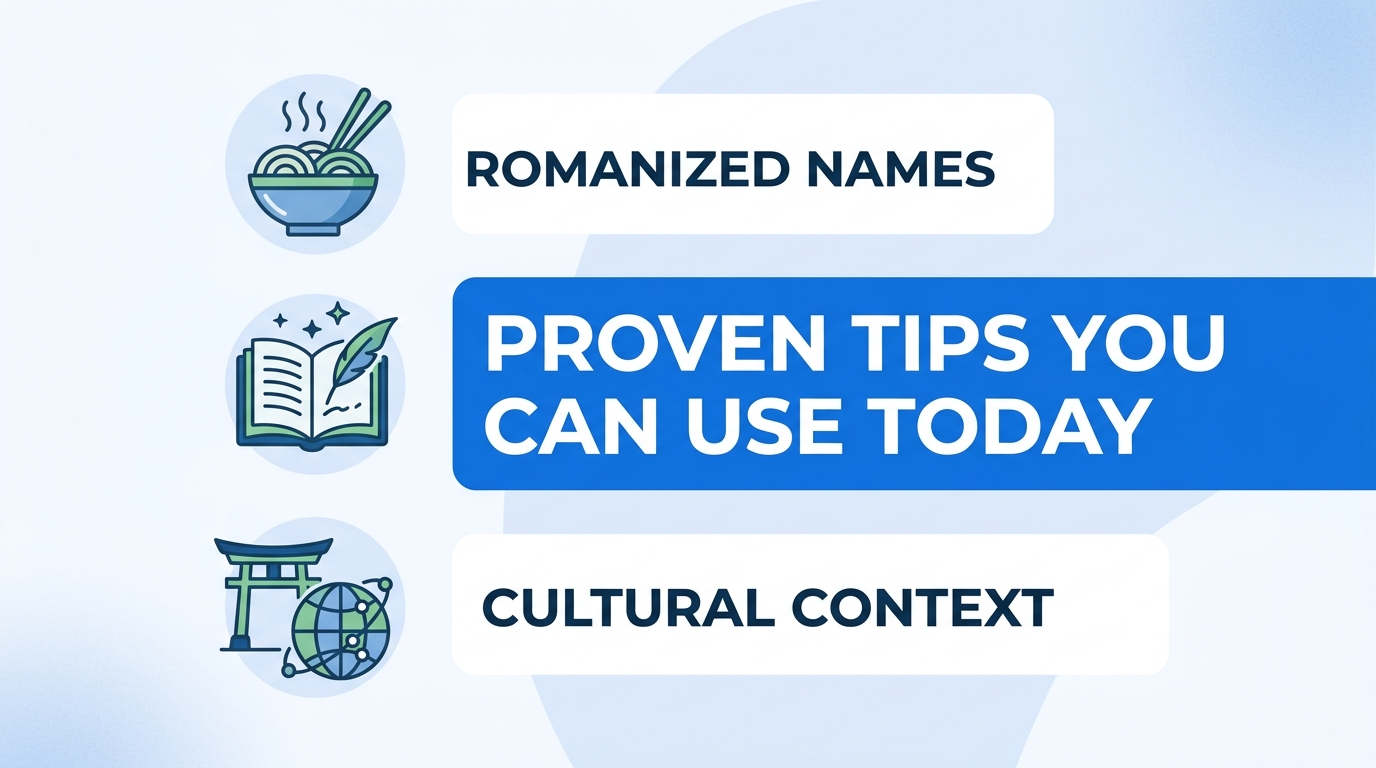
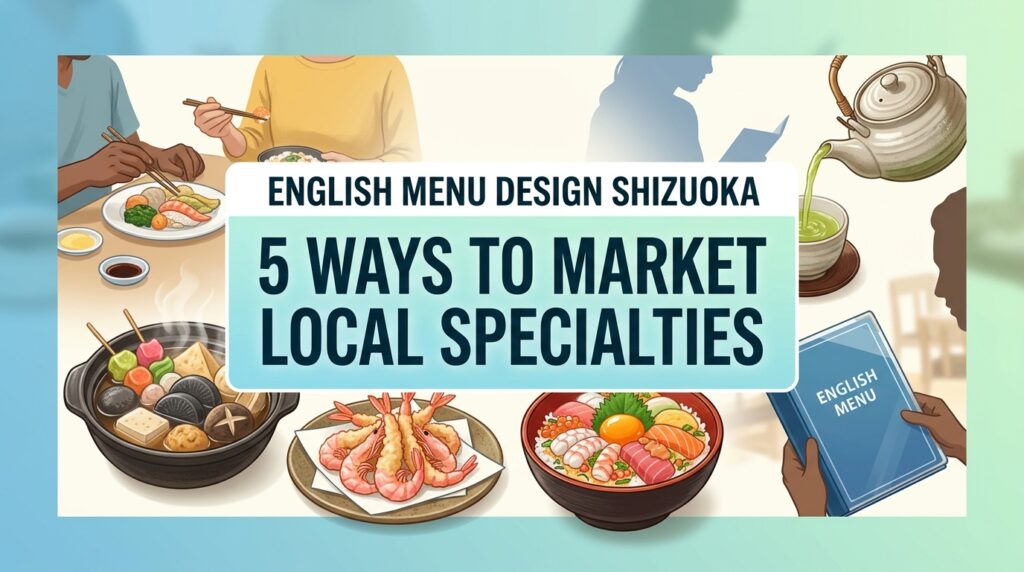
Shizuoka boasts a rich culinary heritage that can be difficult for international visitors to understand without proper context. To successfully sell regional specialties, you must move beyond literal translations and focus on descriptive storytelling that highlights the unique preparation methods and cultural significance of each dish. Using Romanized names followed by clear English descriptions allows guests to learn the local terminology while understanding exactly what they are eating.
- Shizuoka Oden: The Dark Broth Story: Explain the unique ‘kuro-hanpen’ (black fish cake) and the deep, dark soy-based broth. Mention the dashi powder topping to set expectations for its savory, umami-rich flavor profile.
- Sakura Shrimp: The Jewel of Suruga Bay: Highlight that these tiny, flavorful shrimp are only caught in Shizuoka. Describe the ‘Kakiage’ (tempura fritter) texture as light and crispy to appeal to fans of Japanese frying techniques.
- Hamamatsu Gyoza: The Bean Sprout Tradition: Market the circular plating style and the refreshing boiled bean sprouts in the center. Emphasize the high vegetable content which makes them lighter than standard dumplings.
- Fujinomiya Yakisoba: The Chewy Texture: Focus on the unique steaming process and the use of ‘meat scraps’ (niku-kasu) and sardine powder, which provide a distinct texture and flavor unlike standard stir-fried noodles.
- Shizuoka Green Tea Pairings: Don’t just list ‘Green Tea.’ Describe the specific region (e.g., Kawane or Makinohara) and offer pairing suggestions with local sweets or seafood to increase the perceived value.
Where can you find professional English menu design services in Shizuoka?
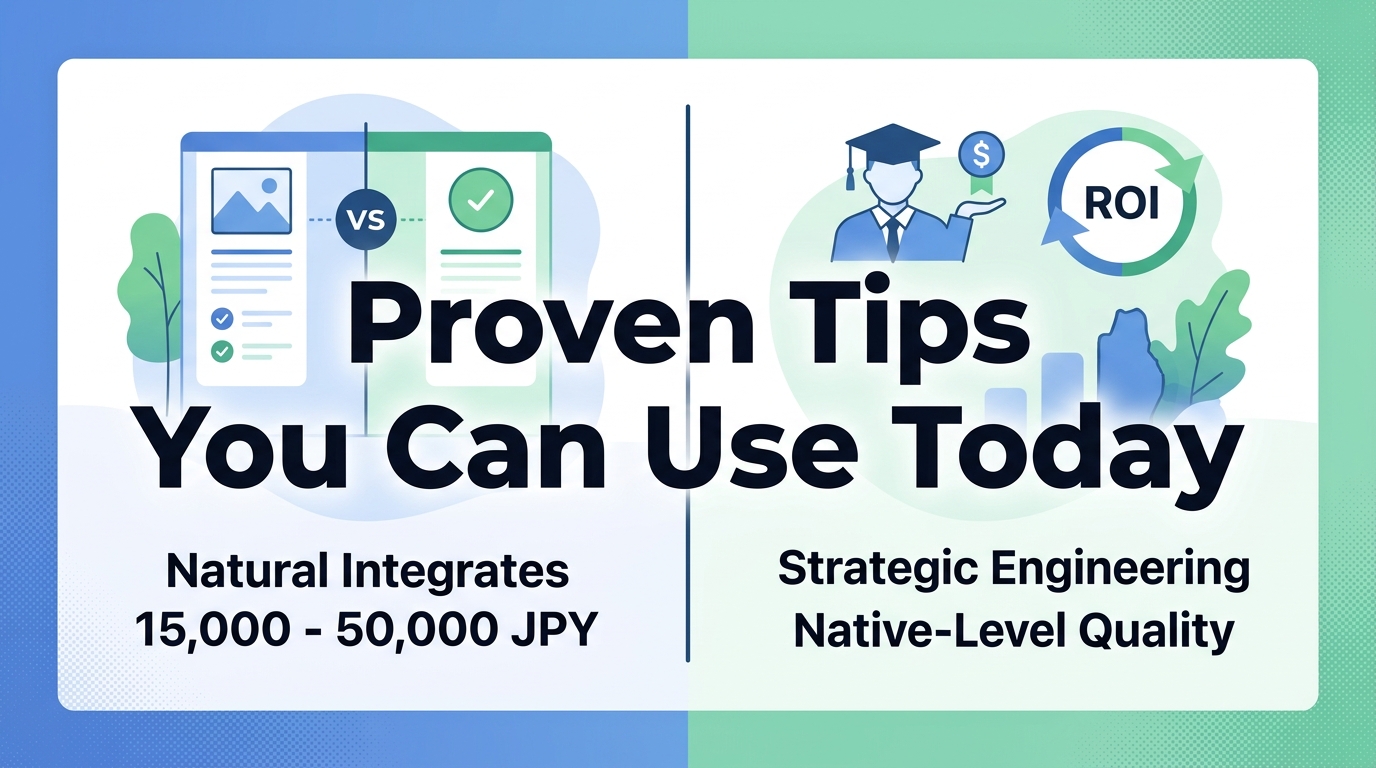
For business owners near JR Shizuoka Station or throughout the prefecture, several professional options exist for high-quality menu creation. While general design agencies offer aesthetic appeal, specialized inbound marketing firms like Glocal by Shinker provide the added benefit of native-level translation and strategic menu engineering designed to drive sales. Professional services typically range from 15,000 JPY for basic translation to over 50,000 JPY for full-scale design and layout.
If you are looking for local expertise, Shinker Inc. is located just 10 minutes from the North Exit of Shizuoka Station. Our team specializes in helping local businesses bridge the gap between traditional Japanese hospitality and global traveler expectations. We recommend choosing a partner who understands the local Shizuoka food scene to ensure that regional nuances are not lost in translation.
| Service Level | Estimated Cost | Key Deliverables |
|---|---|---|
| Translation Only | ¥15,000+ | English text for existing menu items |
| Standard Design | ¥50,000+ | Full layout, English text, and photos |
| Multilingual Package | ¥80,000+ | English, Chinese, and Korean support |
| Premium Strategy | Custom | Menu engineering, SNS integration, and OTA setup |
What Shizuoka Prefecture subsidies can help fund your English menu design?
Shizuoka Prefecture and various local municipal governments frequently offer subsidies to support small and medium-sized enterprises (SMEs) in their inbound tourism efforts. These grants often cover costs related to multilingual website development, signage, and English menu creation. For instance, the ‘Inbound Environment Improvement Subsidy‘ has historically provided partial reimbursement for businesses looking to adopt multilingual tools and digital menus.
To take advantage of these programs, restaurant owners should monitor the official websites of the Shizuoka Prefectural Government or the Shizuoka Chamber of Commerce and Industry. Application periods are often limited and require detailed project plans. Partnering with a marketing agency like Glocal by Shinker can help streamline this process, as we can provide the necessary documentation and professional quotes required for subsidy applications.
参考: 観光政策課 観光振興課
How does a professional English menu increase your restaurant’s average guest spend?
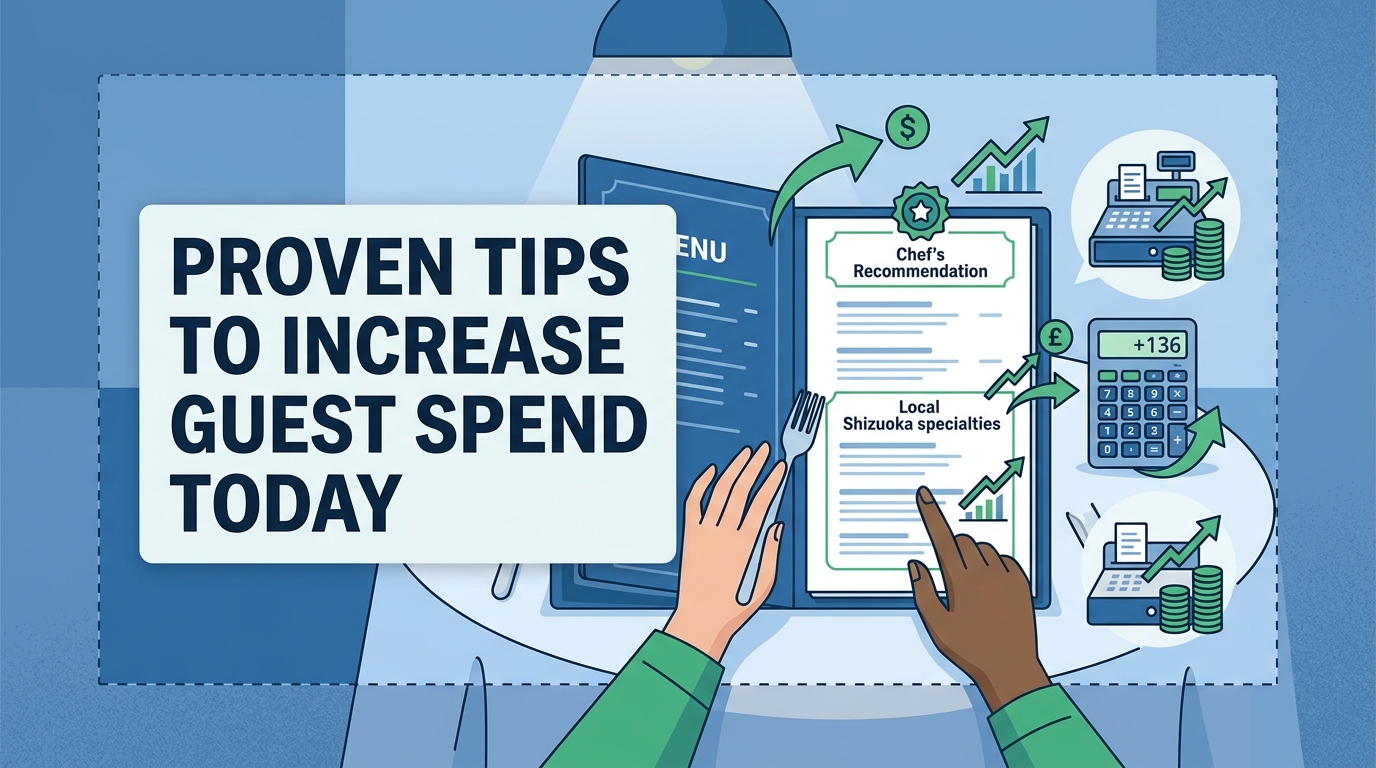
A well-designed English menu does more than just list food; it acts as a silent salesperson. By using ‘Chef’s Recommendation’ icons or ‘Best Seller’ badges, you can guide international guests toward higher-margin items or signature local sets. Research suggests that when guests feel confident in what they are ordering, they are more likely to add appetizers, drinks, and desserts, significantly increasing the average transaction value.
Inclusion of high-quality photography is another critical factor. Visuals are a universal language that can bridge the gap when words fail. For a restaurant in Shizuoka, showing a vibrant plate of fresh sashimi or the steam rising from a bowl of Fujinomiya Yakisoba can trigger an immediate emotional response, leading to impulse orders that wouldn’t happen with a text-only menu.
参考: Menu Engineering Beyond the Basics: Opti
Essential Design Elements: Icons, Photos, and Numbering for Global Guests
Beyond icons, the layout must prioritize ease of ordering. Implementing a numbering system for every menu item allows guests to simply point or state a number, eliminating the embarrassment of mispronouncing Japanese names. This simple addition drastically speeds up the ordering process during busy lunch or dinner rushes, improving table turnover rates for your establishment.
Universal Icons for Dietary Needs
undefined
- Use 3-4 Primary Colors: Keep the design clean and professional. Overloading a menu with too many colors can make it look cluttered and difficult to read for non-native speakers.
- High-Resolution Photography: Only use actual photos of your dishes. Stock photos can lead to disappointment and negative reviews if the served meal doesn’t match the image.
- Clear Pricing: Always indicate whether prices include tax (tax incl.) or exclude it (tax excl.) to avoid confusion at the register, which is a common pain point for tourists.
Maximizing Your Reach: Linking Your English Menu to Google Maps and SNS
Your English menu shouldn’t only exist inside your restaurant. In the digital age, travelers decide where to eat long before they arrive at your door. According to TripAdvisor, 72% of travelers frequently read reviews and check menus before choosing a dining destination. By uploading your professional English menu photos to your Google Business Profile and Instagram, you make your restaurant discoverable to thousands of potential customers searching for ‘food near me’.
Furthermore, integrating QR codes on your physical tables that link to a digital version of your English menu can provide a more interactive experience. This allows you to update seasonal specialties or prices instantly without reprinting physical copies. For Shizuoka restaurants targeting the inbound market, this digital bridge is essential for building a strong online reputation and encouraging positive reviews from international guests.
Frequently Asked Questions
Q1. What is professional English menu design?
It is the process of creating menus using accurate translations, clear descriptions, and attractive layouts tailored for international guests. It focuses on making local dishes easy to understand and visually appealing, ensuring tourists feel confident when ordering food they have never tried before.
Q2. How do I find a designer who understands Shizuoka’s food culture?
You can look for local Shizuoka design agencies or freelancers who specialize in the hospitality industry. Local business associations and tourism boards often provide lists of recommended professionals who have experience marketing regional specialties like Sakura Shrimp or green tea-based dishes.
Q3. What are the typical steps to apply for a menu design subsidy?
Generally, you must submit an application to the Shizuoka prefectural or city office with a project plan and cost estimate. After receiving approval, you complete the menu design and submit a final report with receipts to get reimbursed for a portion of the costs.
Q4. Why is it necessary to explain local specialties like Shizuoka Oden in English?
Many international travelers are unfamiliar with regional ingredients and cooking styles. By providing simple descriptions of the flavors and history, you build trust and curiosity. This encourages guests to try unique local items they might otherwise avoid due to a lack of information.
Q5. How does a professional menu help increase the average guest spend?
A well-designed menu uses high-quality photos and persuasive descriptions to highlight premium items and side dishes. By removing the language barrier and making the ordering process stress-free, guests are more likely to order additional drinks, appetizers, and expensive local specialties.