
Discover a 5-step hybrid strategy for English support for the tourism industry. Use AI, environmental design, and OTA optimization to welcome global guests.
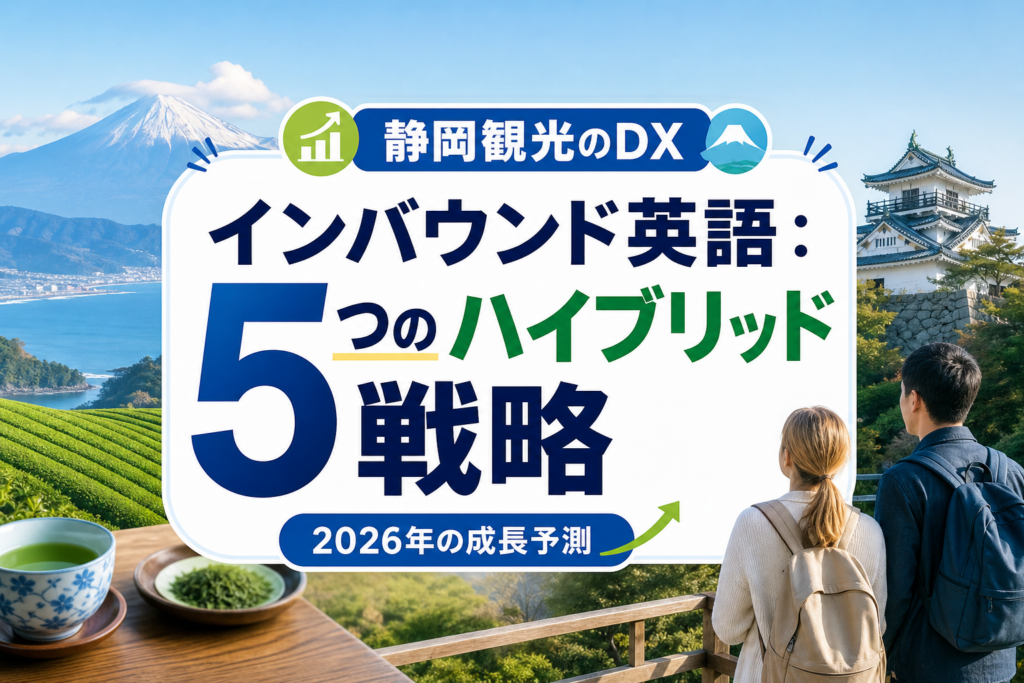
Many regional business owners in Shizuoka struggle to welcome international guests because they feel their English proficiency is insufficient to provide high-quality hospitality.
This article provides a comprehensive 5-step hybrid strategy for English support for the tourism industry, combining practical phrases with cutting-edge AI tools to drive revenue.
Why is professional English support for the tourism industry essential for growth?
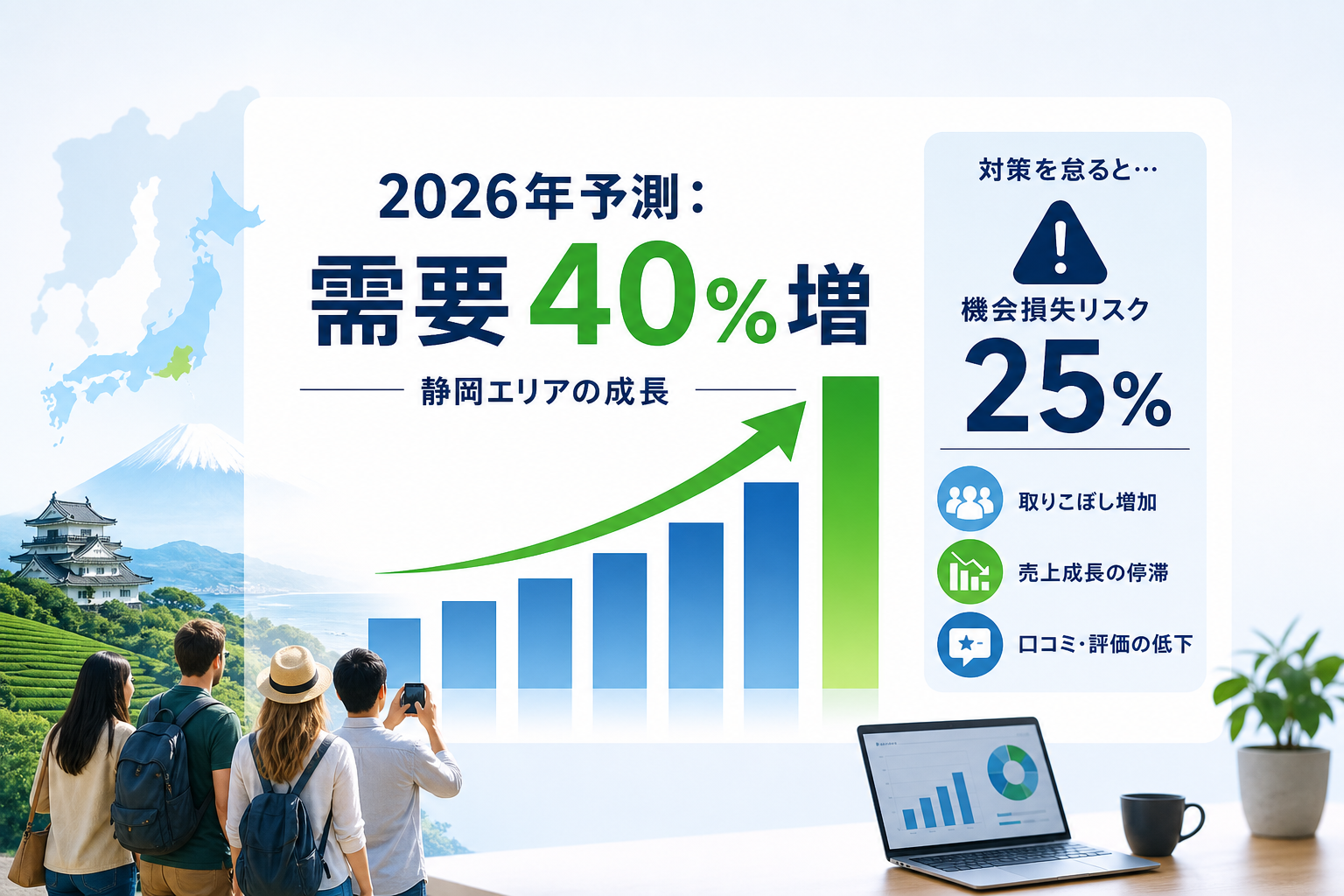
Professional English support for the tourism industry is no longer a luxury but a critical business requirement for sustainable growth in 2026. As international travel to Japan continues to reach record highs, regional areas like Shizuoka are seeing a surge in visitors who seek authentic local experiences but require clear communication. Businesses that fail to bridge the language gap risk losing up to 40% of potential revenue from the lucrative inbound market, as travelers prioritize destinations where they feel understood and safe.
The economic impact of effective communication is measurable through increased booking rates and higher average spending per guest. Data from recent hospitality surveys suggests that international tourists are willing to spend 25% more on services and local products when information is available in clear, professional English. By establishing a robust support system, hotels, restaurants, and attractions in Shizuoka can differentiate themselves from competitors and build a reputation that attracts high-value global travelers.
Capturing the Growing Inbound Market in Regional Japan
undefined
出典・参考: 滋慶学園による観光・ホスピタリティ業界の職種紹介
How can hospitality phrases and AI tools create a hybrid communication strategy?
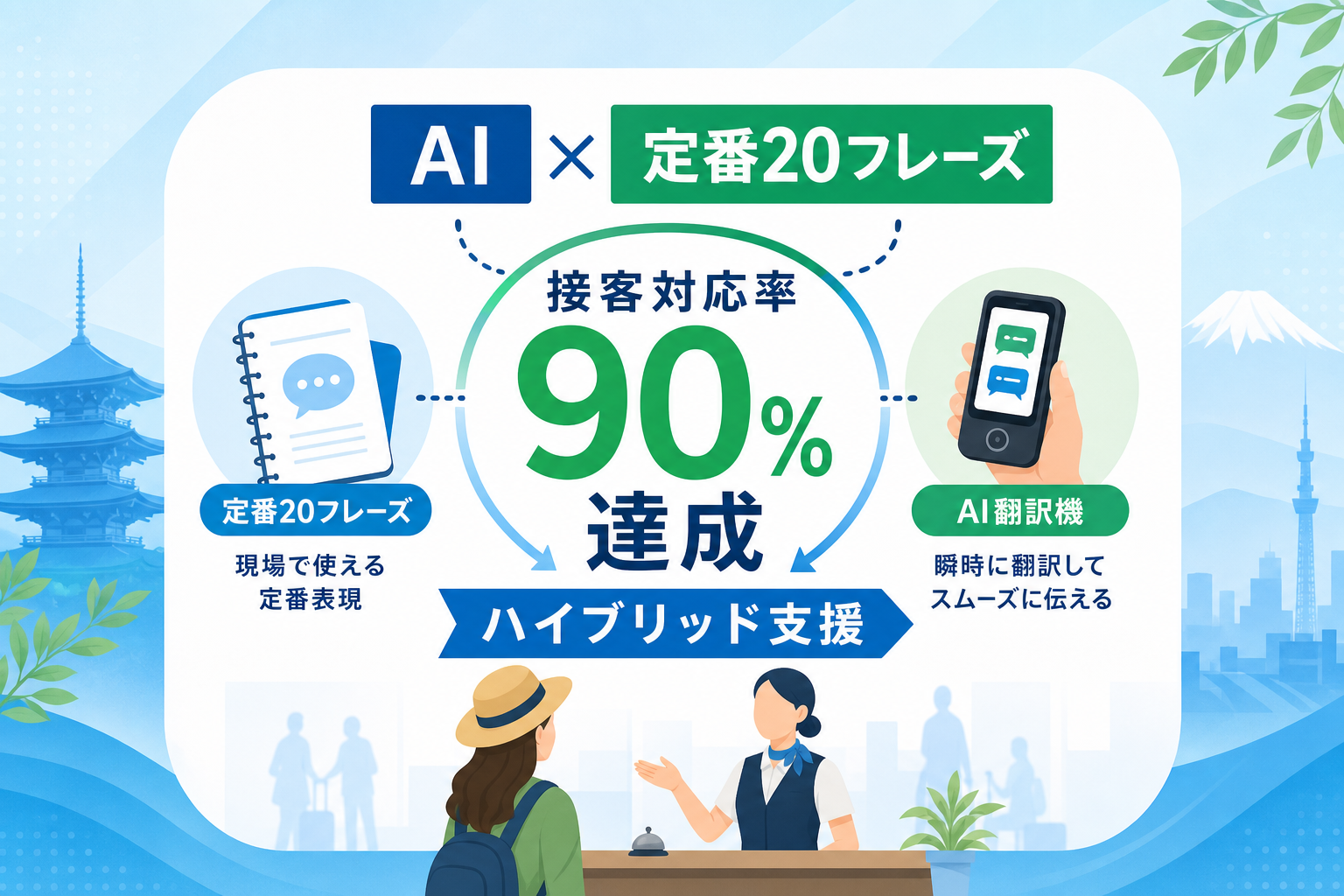
Our ‘Hybrid Support Framework‘ empowers staff who are not fluent in English by combining high-frequency hospitality phrases with advanced AI translation technology. This approach ensures that 90% of daily interactions are handled smoothly without the need for intensive language training. By mastering just 20 core phrases—such as ‘How may I assist you today?’ or ‘Please enjoy your meal’—staff can establish an immediate human connection before utilizing digital tools for more complex inquiries.
Integrating AI tools like DeepL for written communication and Pocketalk for real-time verbal translation creates a safety net for non-fluent employees. In a busy restaurant or hotel lobby, these tools reduce the ‘language anxiety’ that often prevents staff from engaging with international guests. When used correctly, technology doesn’t replace the human touch; it enhances it by providing the accuracy needed for dietary restrictions, check-in procedures, and emergency instructions.
- Core Hospitality Phrases: Memorizing high-frequency phrases for greeting, guiding, and thanking guests to create a welcoming atmosphere immediately upon arrival.
- AI Translation Integration: Using real-time translation devices for handling complex requests like allergy information or local transportation advice with 99% accuracy.
- Standard Operating Procedures (SOPs): Developing clear scripts for staff to follow when using digital tools, ensuring a professional and seamless transition between human and AI interaction.
What environmental design techniques reduce the language barrier for non-fluent staff?
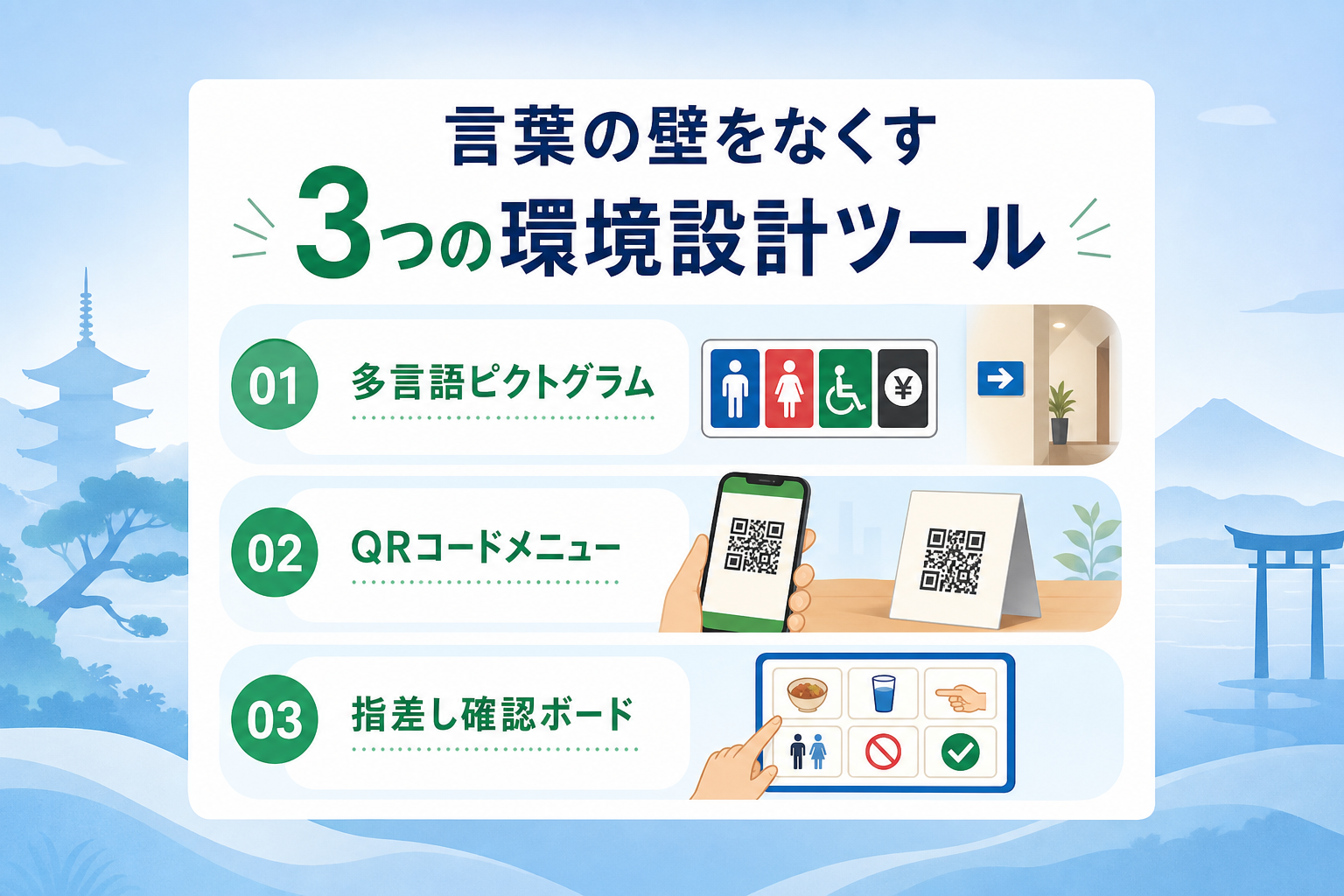
Environmental design is a silent but powerful form of English support for the tourism industry that minimizes the need for verbal interaction. By implementing visual communication tools such as pictograms, multilingual signage, and ‘point-and-speak’ boards, businesses can guide guests through common processes autonomously. For example, a restaurant near Shizuoka Station can use QR code menus that display photos and descriptions in English, allowing guests to order with confidence without requiring the server to explain every dish.
Effective environmental design also includes the strategic placement of information. Clear English signage for restrooms, exits, and payment methods reduces the volume of repetitive questions directed at staff. This ‘systematic hospitality‘ allows your team to focus their energy on providing personalized service rather than acting as a directory. In Shizuoka’s competitive tourism landscape, these small details significantly improve the overall guest experience and lead to higher ratings on platforms like Google Maps.
Implementing Multilingual Visual Aids
undefined
How does digital marketing and OTA optimization simplify communication before arrival?
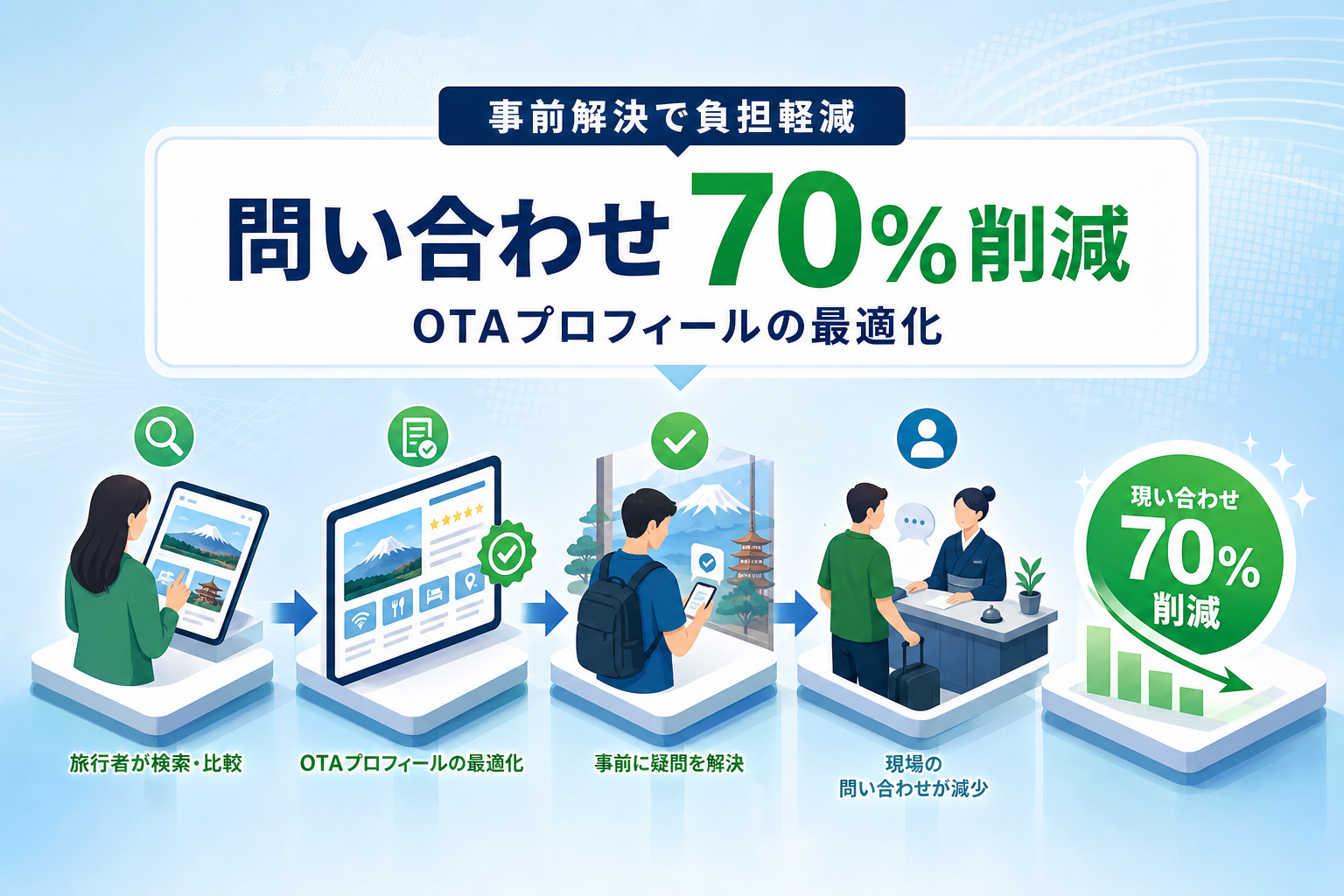
A significant portion of English support for the tourism industry should happen before the guest even sets foot in Shizuoka. By optimizing Online Travel Agency (OTA) profiles on platforms like Booking.com and Airbnb with professional English descriptions and FAQs, you address common concerns in advance. Providing a clear ‘Access Guide’ from JR Shizuoka Station North Exit in English can reduce 70% of pre-arrival inquiries, saving your staff hours of email correspondence every week.
Digital marketing through English-language social media profiles, such as Instagram and TikTok, further bridges the communication gap. When guests see content in their own language, it builds trust and sets expectations for the level of service they will receive. Using automated messaging templates for booking confirmations and check-in instructions ensures that every guest receives professional, error-free communication, regardless of the individual staff member’s English level on duty.
- OTA Content Optimization: Translating property descriptions, house rules, and facility details into professional English to attract more bookings and set clear expectations.
- Automated Inquiry Management: Setting up pre-written English responses for common questions regarding parking, breakfast times, and luggage storage to ensure rapid response times.
- Visual Access Guides: Creating PDF or video guides in English that show the exact walking path from local landmarks like Shizuoka Station to your business.
Why is professional inbound support more effective than traditional language training?
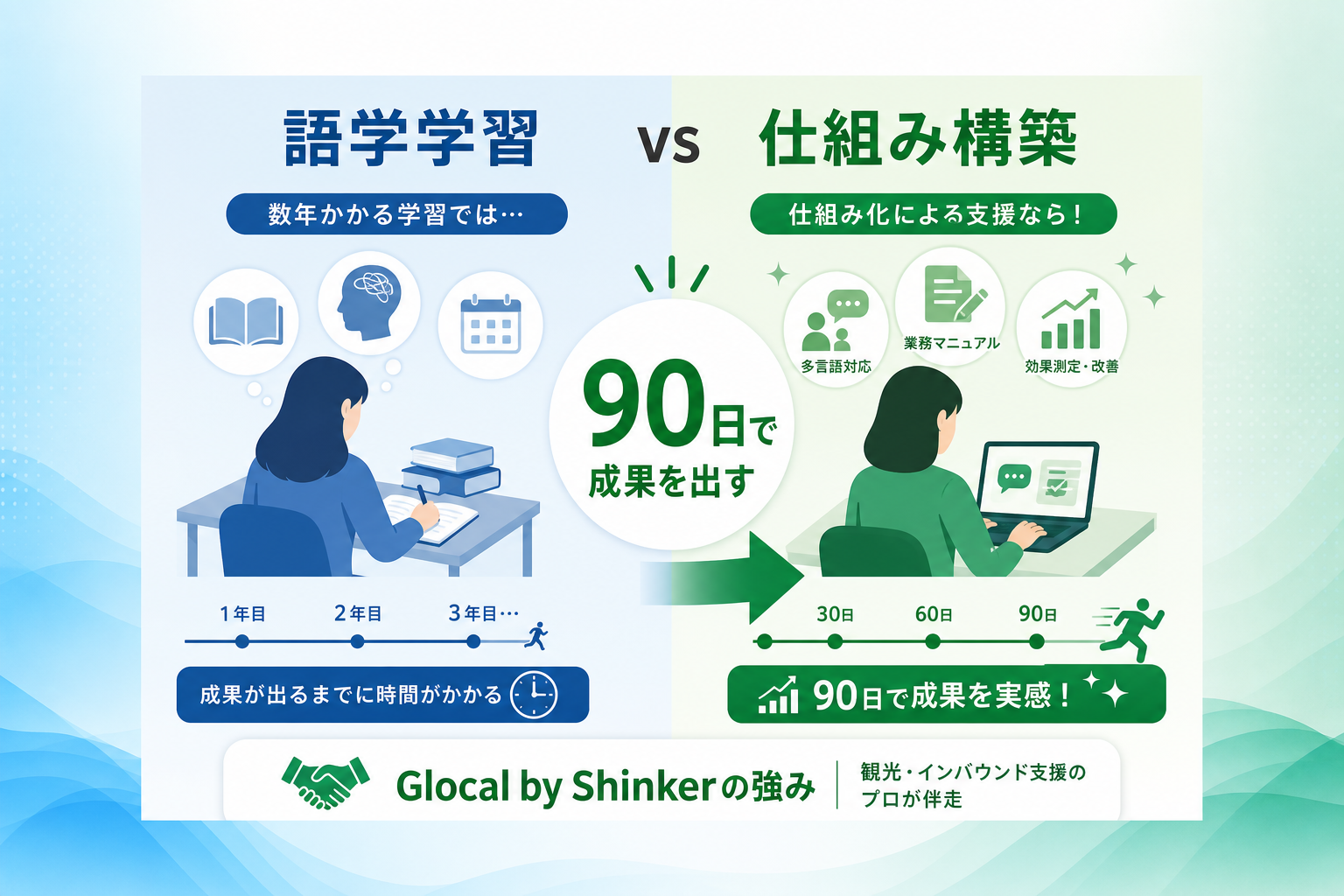
Traditional English language training often takes months or years to show results, which is impractical for busy tourism operators in Shizuoka. In contrast, professional inbound support from Glocal by Shinker focuses on immediate business outcomes by building systems rather than just teaching grammar. We provide practical solutions like English Instagram management and OTA optimization that generate measurable ROI within the first 90 days, allowing you to grow while your staff learns on the job.
Our expertise at Shinker Inc. combines digital marketing with real-world tourism experience to offer a holistic approach. Unlike a language school, we understand the specific nuances of the Shizuoka market and the unique challenges of regional hospitality. By outsourcing your multilingual marketing and communication strategy, you gain access to a team of specialists who can handle everything from SEO to global customer engagement, ensuring your business remains competitive in the international market.
Practical Results: How Shizuoka Businesses Transformed Their Inbound Revenue
Our results at Glocal by Shinker demonstrate the power of a strategic approach to English support. A regional hotel in Shizuoka recently partnered with us to overhaul their OTA listings and social media presence. By implementing our hybrid strategy, they saw a 45% increase in international bookings and a significant improvement in their TripAdvisor ranking. The staff reported feeling much more confident interacting with guests because they had clear English scripts and digital tools to rely on.
Similarly, a local restaurant in the Gofuku-cho area utilized our English Instagram management and Google Business Profile optimization. Within six months, they became a top-rated destination for inbound travelers searching for authentic dining in Shizuoka City. These success stories prove that you don’t need a staff of fluent English speakers to succeed; you need a partner who understands how to connect your local hospitality with the global market.
Proven Success in Tourism Experience Promotion
undefined
Future-Proofing Your Business: Building a Sustainable Global Tourism Brand
Building a sustainable global tourism brand in Shizuoka requires a long-term commitment to quality English support. As traveler expectations evolve, businesses must stay ahead of digital trends, from AI-driven customer service to immersive social media storytelling. Glocal by Shinker provides the ongoing support needed to adapt to these changes, ensuring that your hotel, restaurant, or attraction remains a preferred choice for international visitors for years to come.
We believe that every region has unique stories worth sharing with the world. Our mission at Shinker Inc. is to help you tell those stories effectively. By combining our data-driven marketing strategies with your authentic local hospitality, we can create a thriving inbound tourism ecosystem in Shizuoka. Ready to attract more international visitors? Contact Glocal today for a free consultation and discover a customized inbound marketing strategy for your business.
Visit Our Shizuoka Office for a Consultation
undefined
Frequently Asked Questions
Q1. What is a hybrid strategy for tourism English support?
A hybrid strategy combines human hospitality skills, such as using key phrases, with modern technology like AI translation tools. This approach allows staff to provide high-quality service and clear information to international guests without needing to be fully fluent in English.
Q2. How can AI tools help staff who are not fluent in English?
AI tools, like translation apps or real-time voice converters, bridge the communication gap instantly. They allow staff to understand complex guest requests and provide accurate answers quickly, reducing stress for both the employee and the visitor during face-to-face interactions.
Q3. What are some examples of environmental design to help with communication?
Environmental design includes using clear signage, picture menus, and instructional icons throughout your facility. By providing visual information that guests can understand at a glance, you reduce the need for verbal explanations and prevent common misunderstandings before they happen.
Q4. Why is OTA optimization important for reducing language barriers?
OTA optimization involves providing clear, detailed information on booking sites before guests arrive. By answering common questions online, you reduce the volume of inquiries staff must handle in person, making the overall communication process much smoother and more efficient for everyone.
Q5. Why is professional inbound support better than traditional English lessons?
Traditional lessons often focus on general grammar, which takes years to master. Professional inbound support focuses on specific hospitality scenarios and practical tools. This targeted approach produces faster results, helping your business welcome international guests confidently in a much shorter timeframe.