
Discover the best fruit picking in Shizuoka for tourists. Our guide covers English-friendly farms, seasonal charts, and easy transport from Shinkansen stations.

 執筆者:Hikaru SonedaCEO
Finding reliable, English-language information on fruit picking in Shizuoka for tourists can be challenging, often leaving international travelers unsure about seasonal timing and rural transport logistics.
This comprehensive guide provides a curated roadmap to Shizuoka’s best orchards, offering practical advice on English-friendly booking, Shinkansen access, and seasonal highlights to ensure a seamless experience.
What are the best fruits to pick in Shizuoka by season?
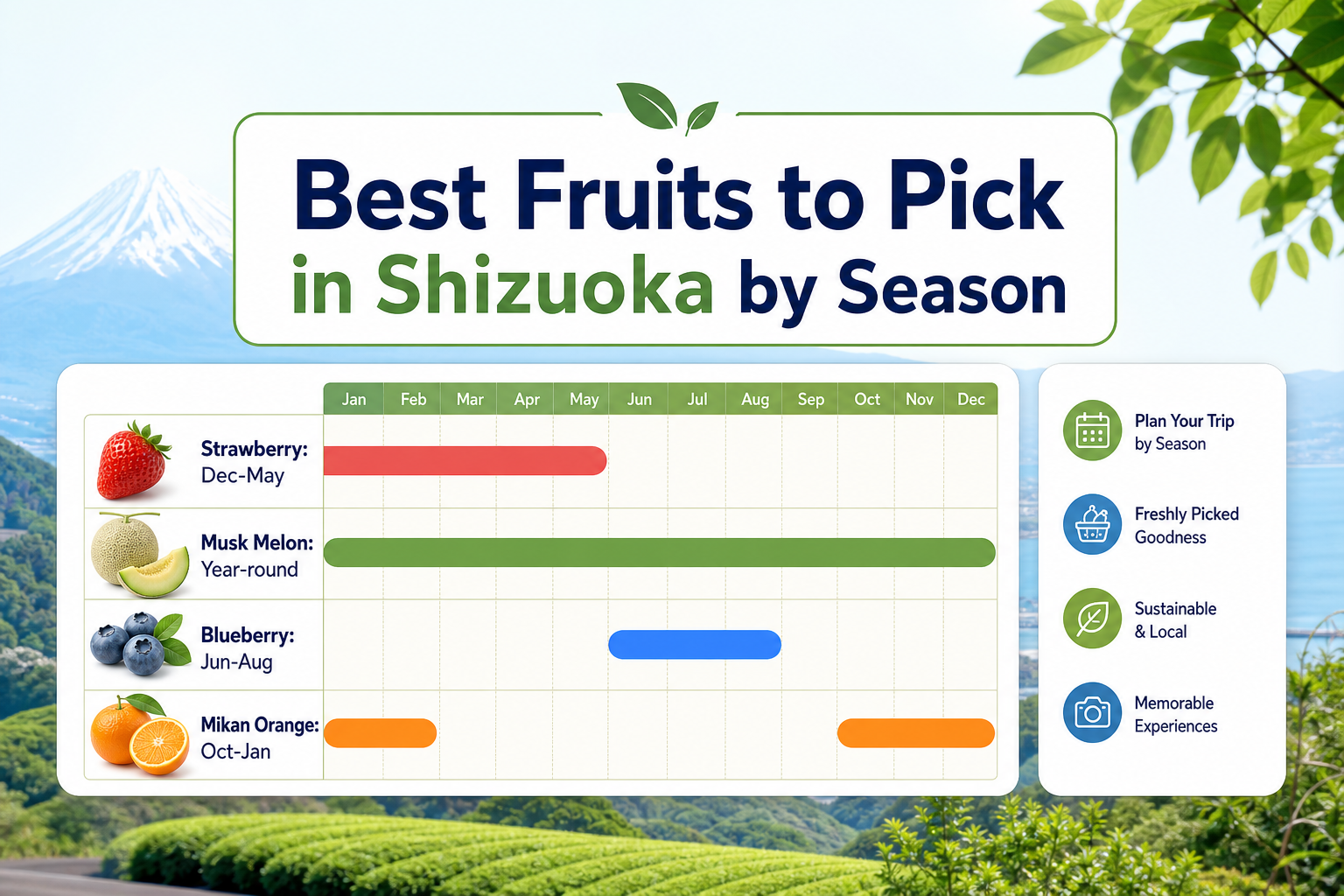
Shizuoka Prefecture is known as Japan’s fruit basket due to its diverse climate and fertile soil, allowing for a wide variety of picking experiences throughout the year. From the world-famous Ishigaki strawberries in the winter to the luxurious musk melons of the summer, there is always something in season for visitors to enjoy. Understanding the specific harvest months is crucial for planning your visit, as many farms operate on strict seasonal schedules to ensure the highest quality of fruit for their guests.
The most popular harvest for international travelers is the strawberry season, which typically runs from late December through May. During the warmer months, from June to September, Shizuoka offers premium experiences such as melon picking and grape harvesting. As autumn arrives in October, the focus shifts to citrus fruits like micans and unique varieties of kiwi, providing a refreshing outdoor activity during the cooler months of the year.
| Fruit Type | Peak Season | Experience Style |
|---|---|---|
| Strawberry | December – May | 30-min All-you-can-eat |
| Melon | June – September | 1-玉 (One whole fruit) Picking + Tasting |
| Peach | July – August | 45-min All-you-can-eat |
| Blueberry | July – September | Time-unlimited picking |
| Mican (Orange) | October – January | Bag-filling or All-you-can-eat |
| Kiwi | October – January | Variety tasting and picking |
参考: Shizuoka’s seasonal tourism opportunities
Which Shizuoka fruit farms offer English support and online reservations for tourists?
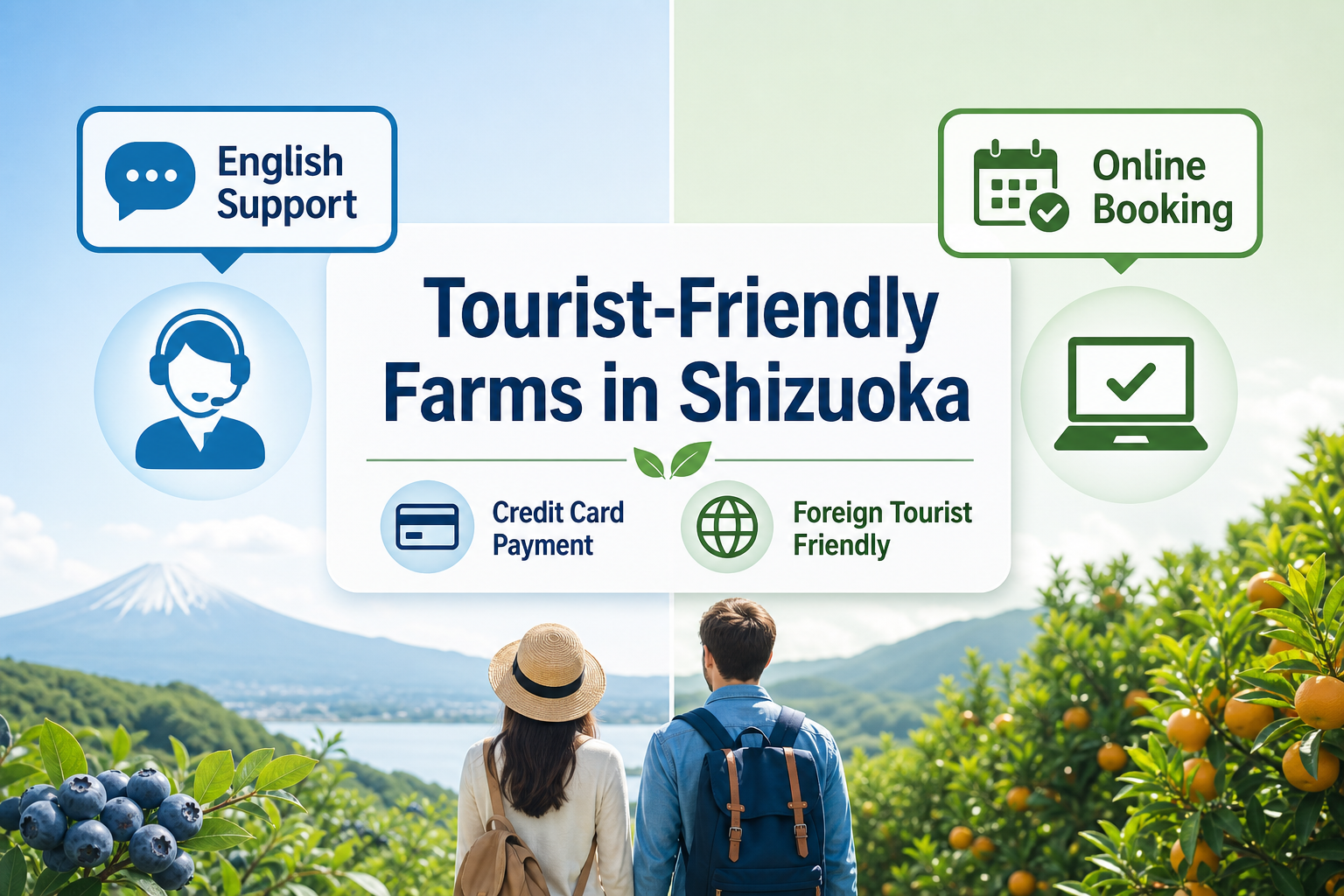
For international tourists, the primary barrier to enjoying agricultural tourism is often the language gap and the complexity of Japanese reservation systems. Fortunately, several major farms in Shizuoka have modernized their services to accommodate global visitors. Some popular facilities in the region are leading examples, offering a robust online booking system and staff who are accustomed to welcoming international groups. They provide clear English signage and instructions, making the experience stress-free for first-time visitors.
Another exceptional destination is a large-scale orchard located in Kakegawa, which stands out as the largest kiwi orchard in the country. This farm is particularly welcoming to English speakers and offers a unique educational component where visitors can learn about the 80 different varieties of kiwi grown on-site. Their website allows for easy inquiries, and the farm’s open, outdoor atmosphere is perfect for those looking for a mix of relaxation and activity without the need for advanced Japanese language skills.
Recommended Farms for Seamless Booking
参考: multilingual booking systems
How can tourists reach fruit picking spots from Shizuoka’s Shinkansen stations?
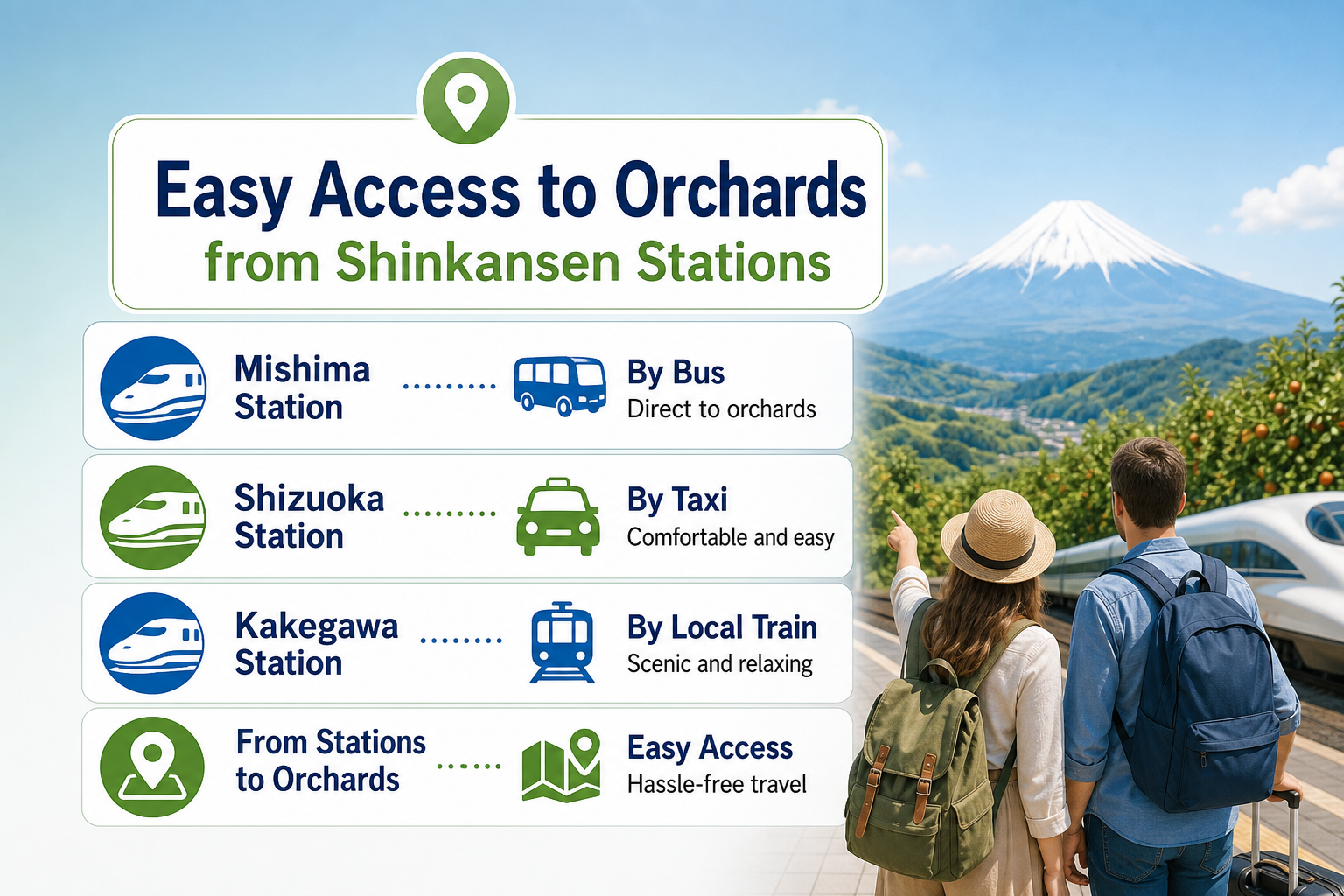
Accessibility is a major factor when choosing a fruit-picking destination, as many orchards are located in rural areas away from city centers. However, Shizuoka’s Shinkansen stops—Mishima, Shizuoka, and Kakegawa—serve as excellent gateways to these farms. For instance, some major fruit parks are only about 15 minutes by bus or taxi from JR Mishima Station, making it a perfect stop for those traveling between Tokyo and Kyoto. This proximity allows tourists to enjoy a morning of picking and still reach their next destination by afternoon.
If you are visiting the central Shizuoka City area, the famous strawberry farms of Kunozan are accessible via a 30-minute bus ride from JR Shizuoka Station. While some smaller farms might require a short taxi ride from the nearest local station, the investment in transport is often rewarded with stunning views of Mt. Fuji or the Pacific Ocean. Always check the latest bus schedules at the station information centers, as rural routes may have limited frequency on weekdays.
- From Mishima Station: Take a bus towards Hakone or a taxi for 15 minutes to reach local fruit parks. It is highly convenient for those using the Tokaido Shinkansen.
- From Shizuoka Station: Use the Nihondaira Line bus to reach the strawberry farms along the coast. This route also connects to the Kunozan Toshogu Shrine via ropeway.
- From Kakegawa Station: A 10-minute taxi ride will bring you to a nearby kiwi orchard. It is a great option for families looking for a spacious, outdoor environment.
参考: Golden Route travel accessibility
What should international visitors know before arriving at a Shizuoka fruit farm?
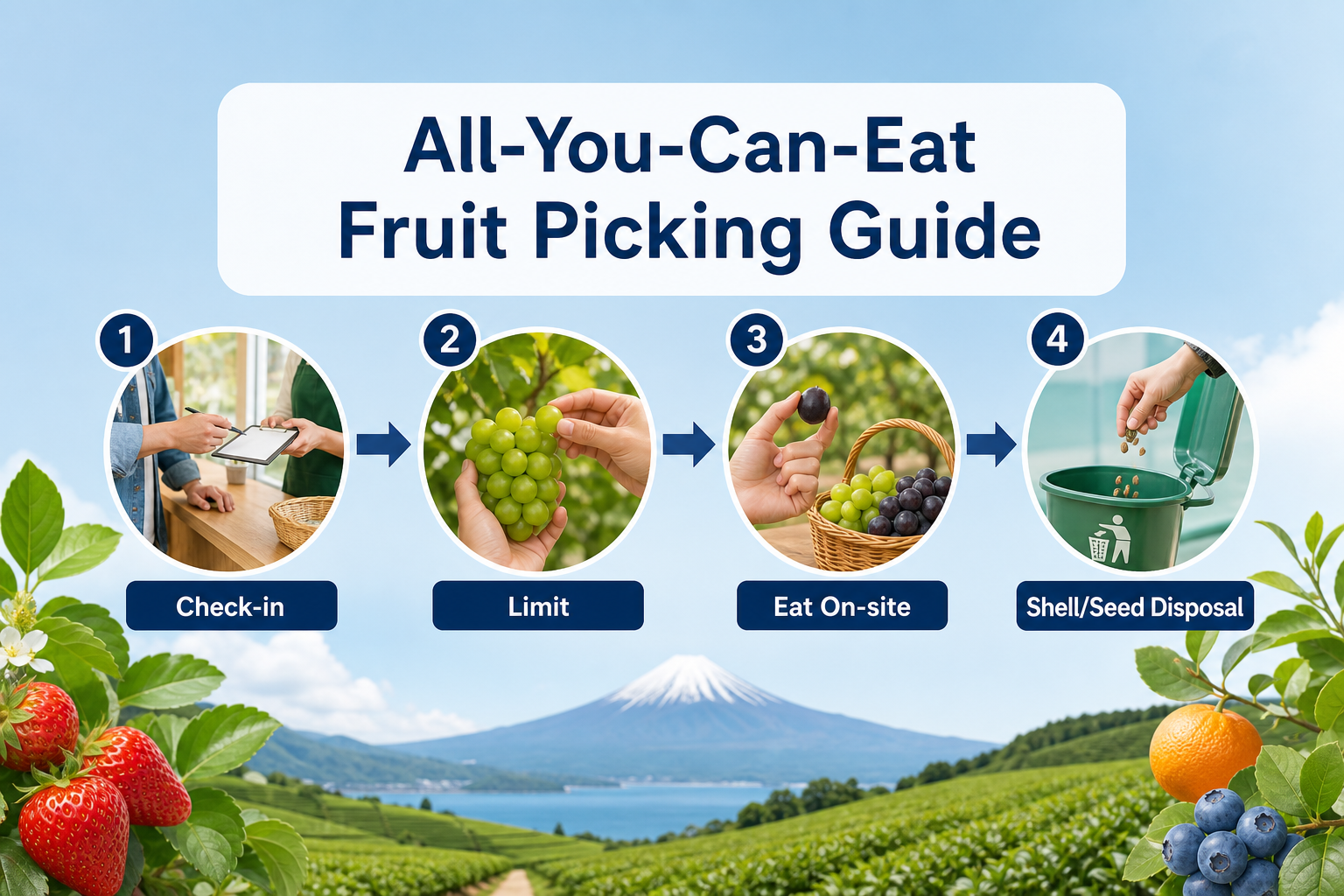
To ensure a smooth experience, it is important to understand the local rules and etiquette common at Japanese orchards. Most fruit-picking experiences in Shizuoka operate on an all-you-can-eat basis within a set time limit, typically 30 to 45 minutes. It is generally expected that you eat the fruit on-site; taking large quantities of picked fruit home is often not allowed unless you purchase a separate souvenir pack. Being mindful of these boundaries helps maintain the farm’s sustainability and ensures a positive relationship between tourists and local farmers.
Preparation is also key for outdoor activities. Many farms are located on hillsides or in greenhouses where temperatures can be higher than expected. We recommend wearing comfortable, closed-toe shoes and bringing a small towel or wet wipes, as picking fruit can sometimes be a sticky endeavor. While major tourist farms accept credit cards, many smaller, family-run orchards still operate on a cash-only basis, so carrying Japanese Yen is highly recommended for a hassle-free day.
Quick Checklist for Your Visit
参考: orchard etiquette and booking policies、日本政府観光局(JNTO) – Japan National Tourism .
How can you integrate fruit picking into a Shizuoka travel itinerary?

Fruit picking is most enjoyable when paired with other local attractions, creating a well-rounded day trip that showcases the best of Shizuoka. For example, a morning of strawberry picking in the Kunozan area can be perfectly followed by a trip up the Nihondaira Ropeway to visit the historic Kunozan Toshogu Shrine. This combination offers a blend of culinary delight and cultural exploration, all while providing panoramic views of Suruga Bay and the surrounding mountains.
In the eastern part of the prefecture, you can combine a visit to a local fruit park with a trip to the Mishima Skywalk, Japan’s longest pedestrian suspension bridge. This allows you to experience the thrills of high-altitude views and the sweetness of local produce in a single afternoon. For those staying in the Izu Peninsula, citrus picking in the Ito or Higashi-Izu area pairs beautifully with a relaxing soak in an onsen (hot spring) or a walk along the rugged Jogasaki Coast.
参考: integrating local activities into itineraries
The unique Ishigaki strawberry culture and Shizuoka’s agricultural heritage.
Shizuoka is home to a unique agricultural technique known as Ishigaki (stone wall) cultivation, which dates back to the early 1900s. This method involves planting strawberries in the crevices of stone walls built on steep, south-facing hillsides. The stones absorb the sun’s heat during the day and release it at night, creating a natural heater that allows strawberries to grow even in the middle of winter. This traditional practice is a testament to the ingenuity of Shizuoka’s farmers and provides a distinct flavor profile that you won’t find elsewhere.
Visiting these stone-wall farms offers more than just a snack; it is a deep dive into the region’s history. Many of these farms have been operated by the same families for generations, and they take great pride in maintaining these labor-intensive walls. By choosing to visit an Ishigaki farm, tourists support the preservation of a cultural landscape that is as beautiful as it is functional, ensuring that this century-old tradition continues to thrive in the modern era.
How regional businesses can attract more fruit-picking tourists through digital marketing.
For hotel owners, restaurant managers, and tourism operators in Shizuoka, the influx of international visitors presents a massive opportunity to grow revenue. However, many local businesses struggle to connect with these travelers due to a lack of multilingual digital presence. Specialized inbound marketing services can help bridge this gap. Led by experienced professionals, these teams help regional businesses optimize their OTA listings, manage English social media accounts, and develop multilingual websites that resonate with global audiences.
Our results speak for themselves. For instance, a local hotel partnered with us to improve its visibility among international travelers by creating English-language content and strengthening its social media marketing. This resulted in a significant increase in inquiries and brand recognition from overseas guests. By combining local market knowledge with data-driven digital strategies, we help tourism providers in Shizuoka turn their authentic experiences into world-class attractions that are easy for tourists to find and book.
- Multilingual Website Development: We create user-friendly websites in English and other languages to ensure international travelers can access information and book services 24/7.
- OTA Optimization: Our team manages platforms like Booking.com and TripAdvisor to maximize your property’s visibility and conversion rates.
- Social Media Management: We build engagement through English Instagram and TikTok content, showcasing the unique charm of your Shizuoka business to a global audience.
Frequently Asked Questions
Q1. What is Shizuoka fruit picking?
Shizuoka fruit picking is a popular agricultural tourism activity where visitors enter local orchards to harvest seasonal fruits like strawberries or citrus directly from the trees or vines to eat fresh on-site.
Q2. How do I get to the orchards if I don’t have a rental car?
Most fruit picking spots can be reached by taking a local bus or a short taxi ride from major Shinkansen stations. Some farms located near rural train lines are also accessible on foot from the nearest station.
Q3. Is it necessary to book my visit in advance?
Yes, booking is highly recommended. Many farms use online reservation systems to manage crowds and ensure there is enough ripe fruit for everyone. This is especially important for farms that offer English-language support.
Q4. What should I wear for a day at a Shizuoka farm?
Wear comfortable, closed-toe shoes and clothes you don’t mind getting slightly dirty. Since you will be outdoors or in greenhouses, dressing in layers is helpful to adjust to the temperature and sun exposure.
Q5. Can I take the fruit I pick back to my hotel?
It depends on the farm’s policy. Many locations offer an ‘all-you-can-eat’ plan for a set time limit on-site, while others may allow you to purchase additional fruit by weight to take home as a souvenir.