

Discover an effective inbound repeat visitor strategy to turn tourists into loyal fans. Learn to use CRM tools and cross-border EC to maximize post-trip LTV.
 執筆者:Hikaru SonedaCEO
Many regional tourism business owners struggle to maintain long-term connections with international guests once they check out and return to their home countries.
This article provides a comprehensive inbound repeat visitor strategy to help you transform one-time tourists into lifelong fans and maximize their lifetime value.
Why is an inbound repeat visitor strategy vital for regional tourism growth?
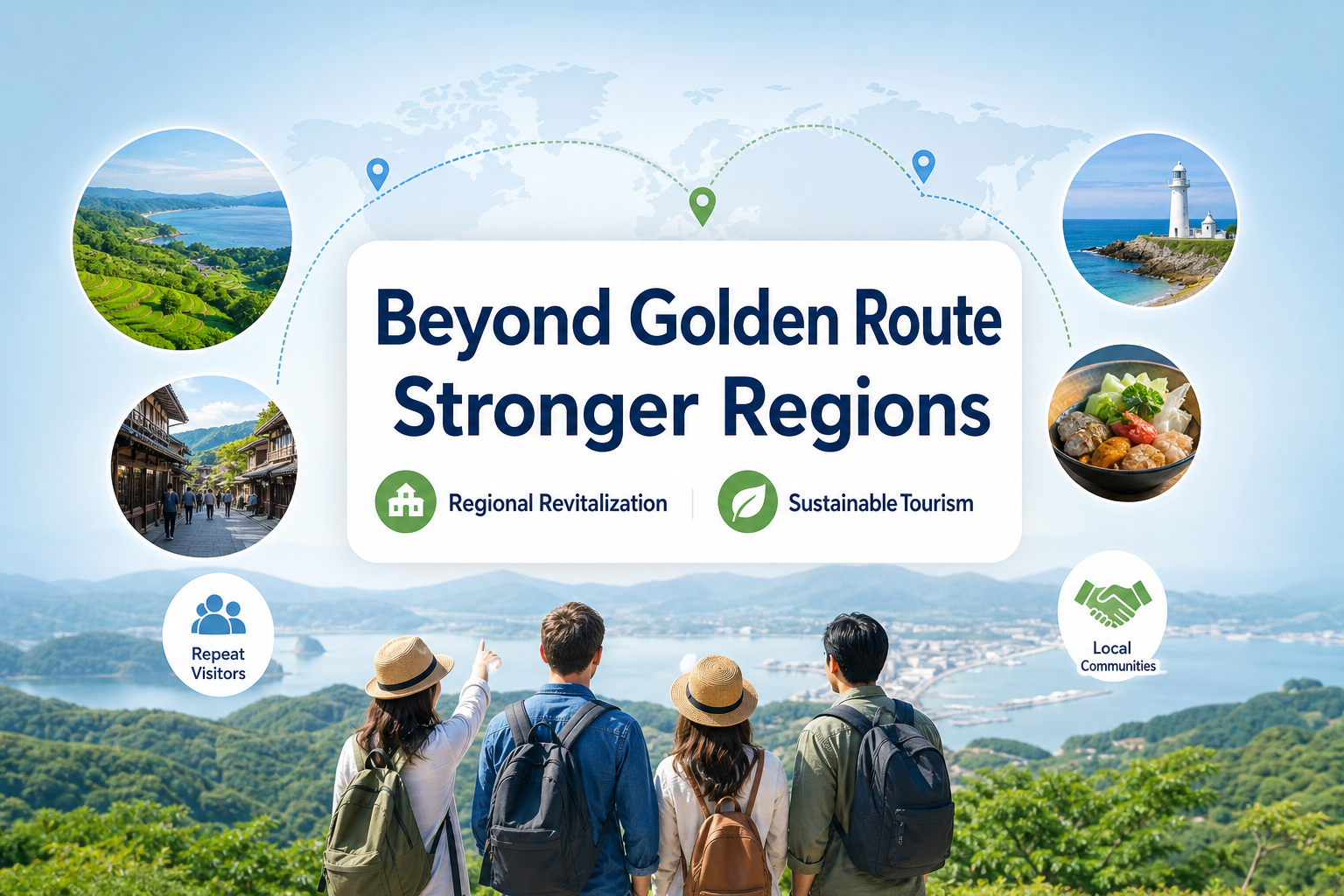
The landscape of Japanese tourism is shifting toward a model where sustainability and regional revitalization are paramount. According to recent reports, the repeat visitor rate for inbound travelers has reached a high level, signaling a massive opportunity for businesses outside of the ‘Golden Route.’ As travelers visit Japan for the second or third time, they naturally seek deeper, more authentic experiences in regional areas like Shizuoka. A well-executed inbound repeat visitor strategy ensures that your business captures this growing segment of loyal travelers who are already predisposed to love Japanese culture.
Data indicates that repeaters tend to stay longer and spend more per trip compared to first-time visitors. In markets like Taiwan and Hong Kong, the repeat rate is staggering, with a vast majority of visitors having been to Japan before. For a local business in Shizuoka, focusing on these visitors is more cost-effective than constantly chasing new leads. By increasing the Lifetime Value (LTV) of each guest, you create a stable revenue stream that is less dependent on fluctuating global travel trends and more grounded in genuine human connection.
How can local businesses create high-satisfaction experiences that drive future repeat visits?
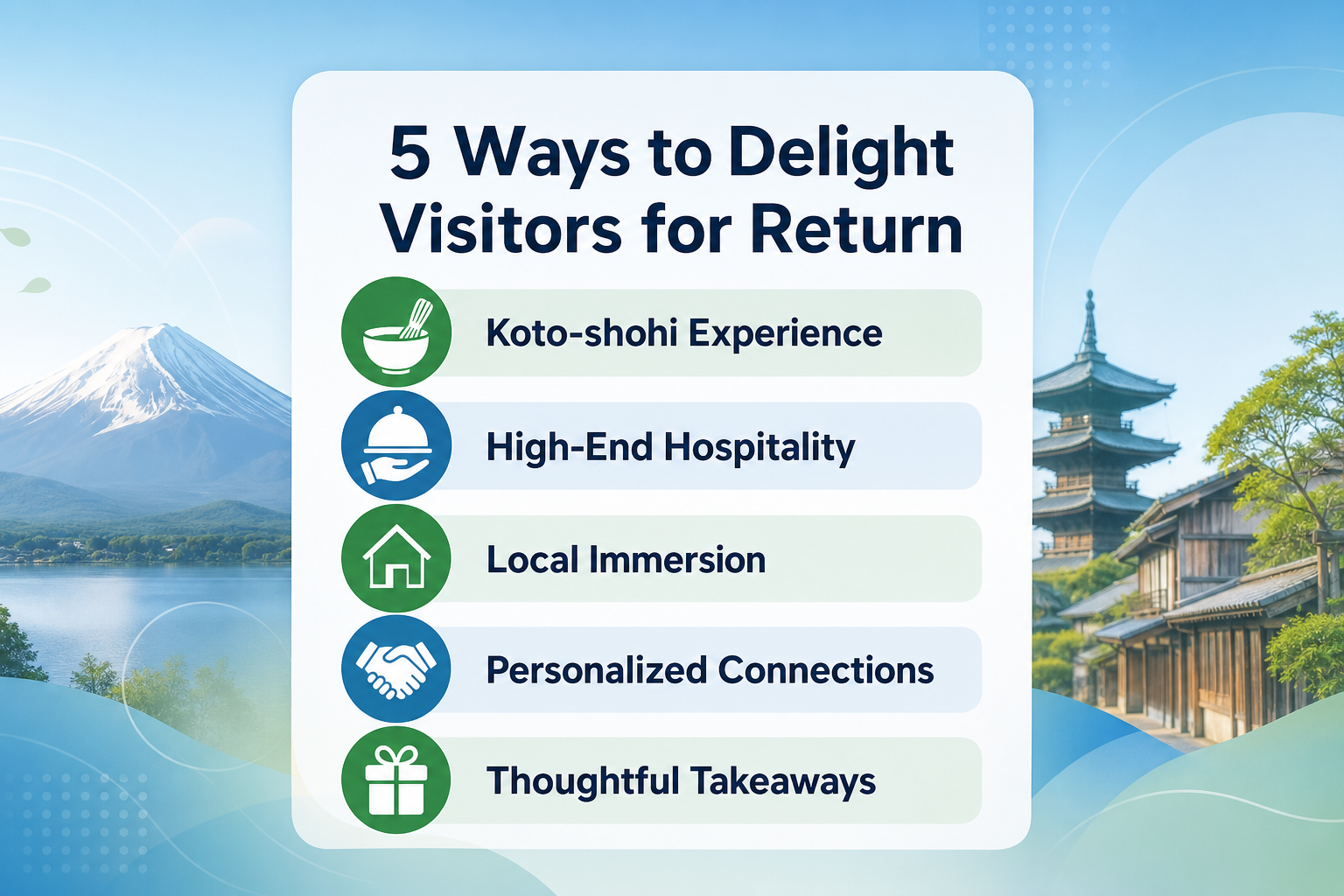
The foundation of any repeat visitor strategy is the quality of the on-site experience. International travelers today are looking for ‘Koto-shohi,’ or experience-based consumption, which allows them to immerse themselves in local traditions. Whether you run a ryokan, a restaurant, or a guided tour, the goal is to provide a level of hospitality that exceeds expectations. In Shizuoka, this might mean offering a private tea-tasting session with a local master or providing personalized recommendations for hidden viewpoints of Mt. Fuji that aren’t found in standard guidebooks.
Personalization is the key to making a guest feel valued rather than just another number. Simple gestures, such as remembering a guest’s dietary preferences from a previous visit or providing a handwritten thank-you note in their native language, create lasting emotional bonds. When a traveler feels a personal connection to a host or a shop owner, they are far more likely to return and, perhaps more importantly, recommend the destination to their friends and family back home.
- Authentic Local Immersion: Offer activities that showcase the unique culture of Shizuoka, such as wasabi harvesting or traditional craft workshops, to provide memories that cannot be replicated elsewhere.
- Multilingual Communication: Ensure your staff can communicate effectively in English or use high-quality translation tools to eliminate barriers and make guests feel at home.
- Surprise and Delight: Provide unexpected small gifts or exclusive ‘repeater-only’ services to make the second or third visit feel even more special than the first.
参考: high-satisfaction experiences
Which digital CRM tools help maintain connections with international travelers post-trip?
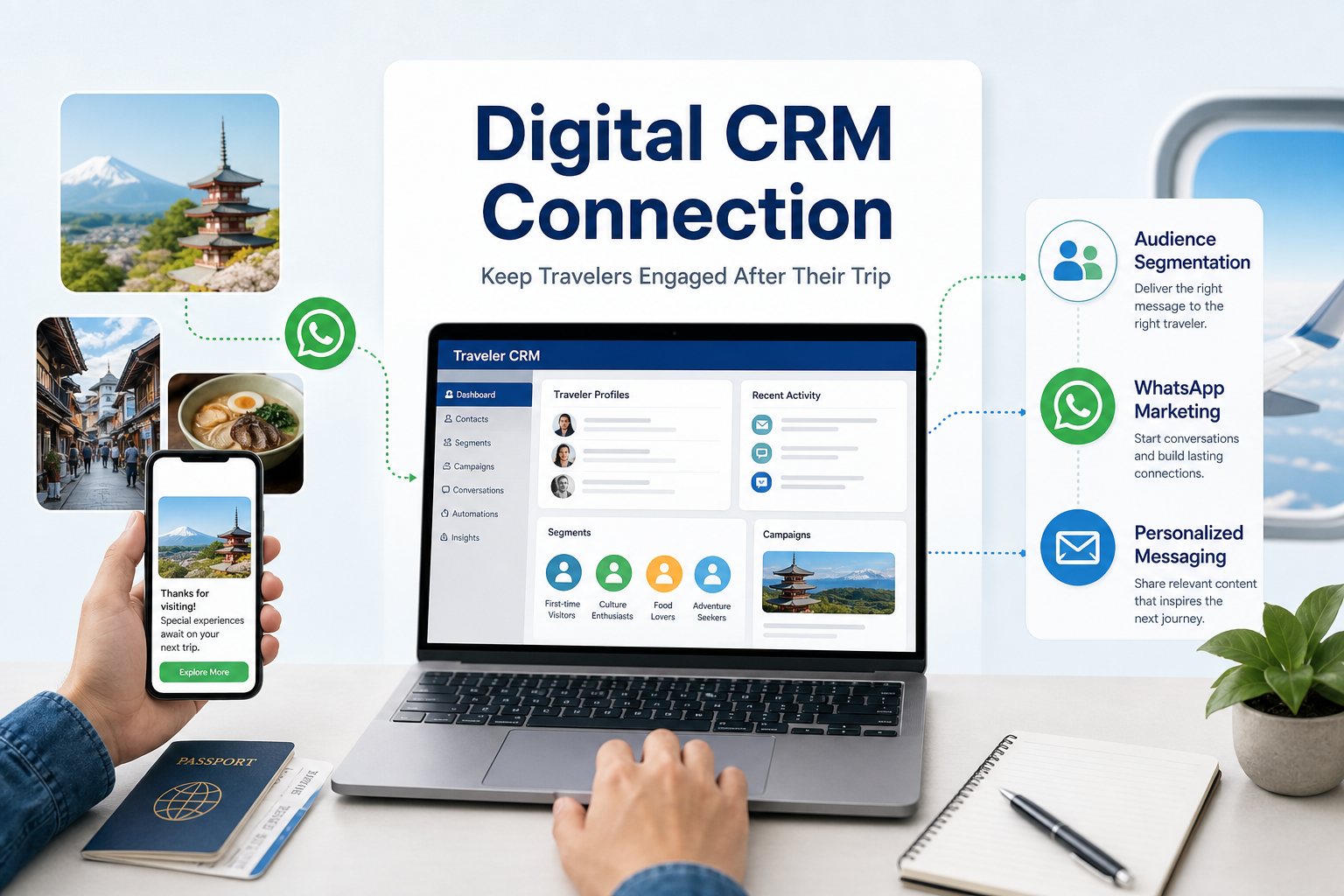
The relationship with your guest should not end when they board their flight home. Maintaining a digital connection is essential for staying top-of-mind for their next trip. Customer Relationship Management (CRM) tools allow you to segment your audience and send tailored messages that resonate with their specific interests. For Western travelers, platforms like WhatsApp are incredibly effective, as they are used by billions of people for daily communication. For Asian markets, staying active on Instagram, Line, or WeChat ensures that your business remains part of their digital life.
Email marketing remains one of the most powerful tools for long-term engagement. Sending a ‘thank you’ email within one week of their departure, followed by seasonal updates about local festivals or new menu items, keeps the memory of their trip alive. By providing value through content—such as recipes using Shizuoka ingredients or virtual tours of local attractions—you build trust and authority, making it easy for them to choose your business again when they plan their next journey to Japan.
Utilizing WhatsApp Business for Global Reach
WhatsApp is a dominant communication tool in over 180 countries, making it an ideal channel for hotels and tour operators to provide direct support. By using the WhatsApp Business Platform, you can automate greeting messages, provide instant answers to frequently asked questions, and even send personalized booking links. This direct line of communication builds a sense of intimacy and reliability that traditional booking platforms often lack.
参考: digital connection、観光DX推進のあり方に関する検討会 フォローアップ会議(第2回)
How can cross-border EC maximize inbound visitor LTV through post-trip consumption?
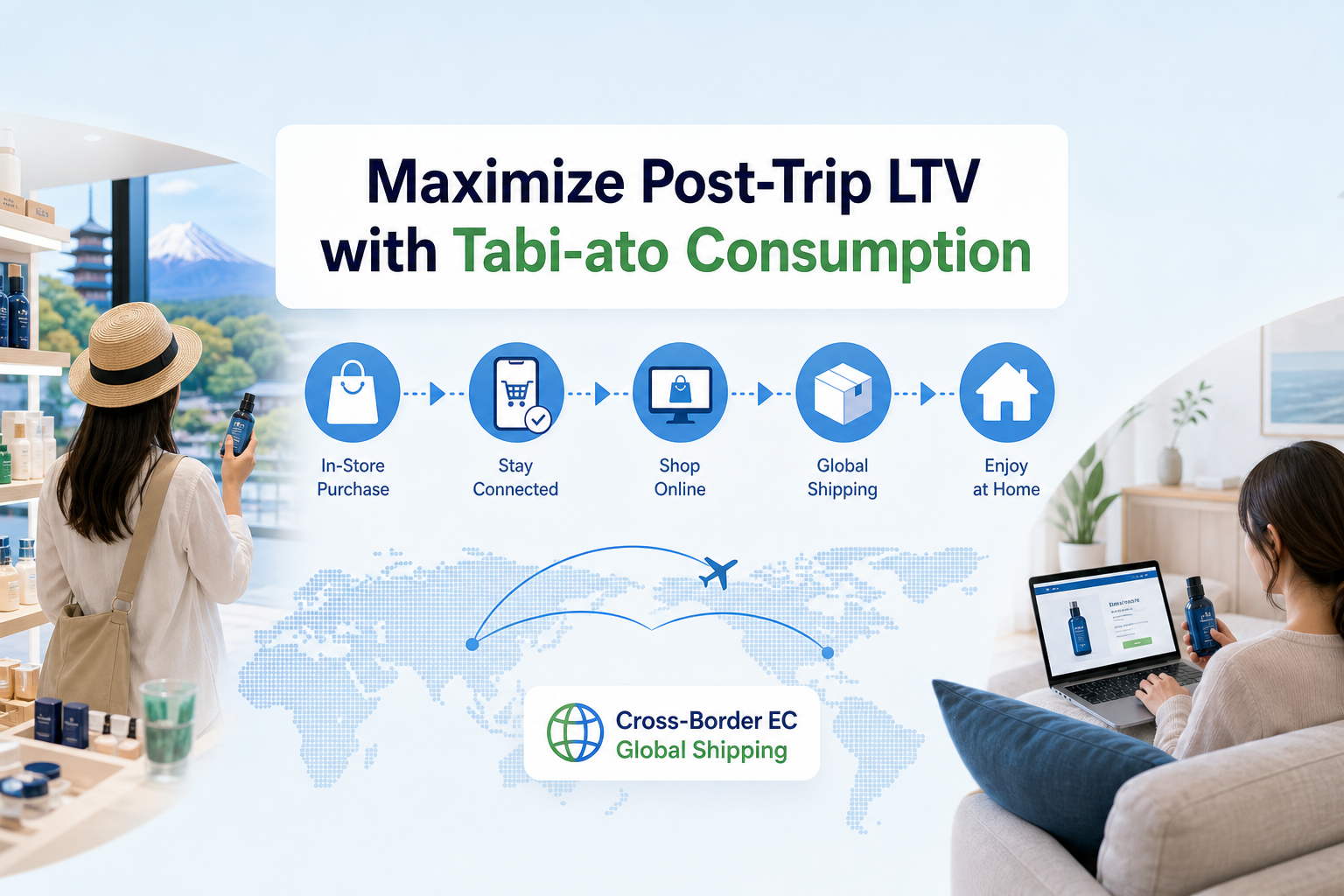
One of the most effective ways to increase the Lifetime Value of an inbound visitor is through ‘Tabi-ato’ (post-trip) consumption. Travelers often fall in love with local products—such as Shizuoka’s premium green tea, sake, or handcrafted ceramics—but find it difficult to purchase them once they return home. By integrating a cross-border E-commerce (EC) strategy, you allow your guests to continue supporting your business and enjoying the flavors of Japan from their own living rooms. This not only generates additional revenue but also serves as a physical reminder of their trip.
A seamless EC experience is critical for success. This includes offering multilingual product descriptions, transparent shipping costs, and international payment options. When a guest receives a package from a place they visited and loved, it reinforces their emotional connection to the region. This ‘web inbound’ approach ensures that even if a guest cannot return to Japan every year, they remain a loyal customer who contributes to the local economy of Shizuoka through digital channels.
| Revenue Type | Timing | Primary Channel | Goal |
|---|---|---|---|
| On-site Spending | During Trip | Physical Store/Hotel | Immediate Sales |
| Repeat Bookings | Future Trips | OTA / Direct Website | Long-term Loyalty |
| Cross-border EC | Post-Trip | Online Shop | Sustained LTV |
What are the best practices for implementing an effective inbound repeat visitor strategy?
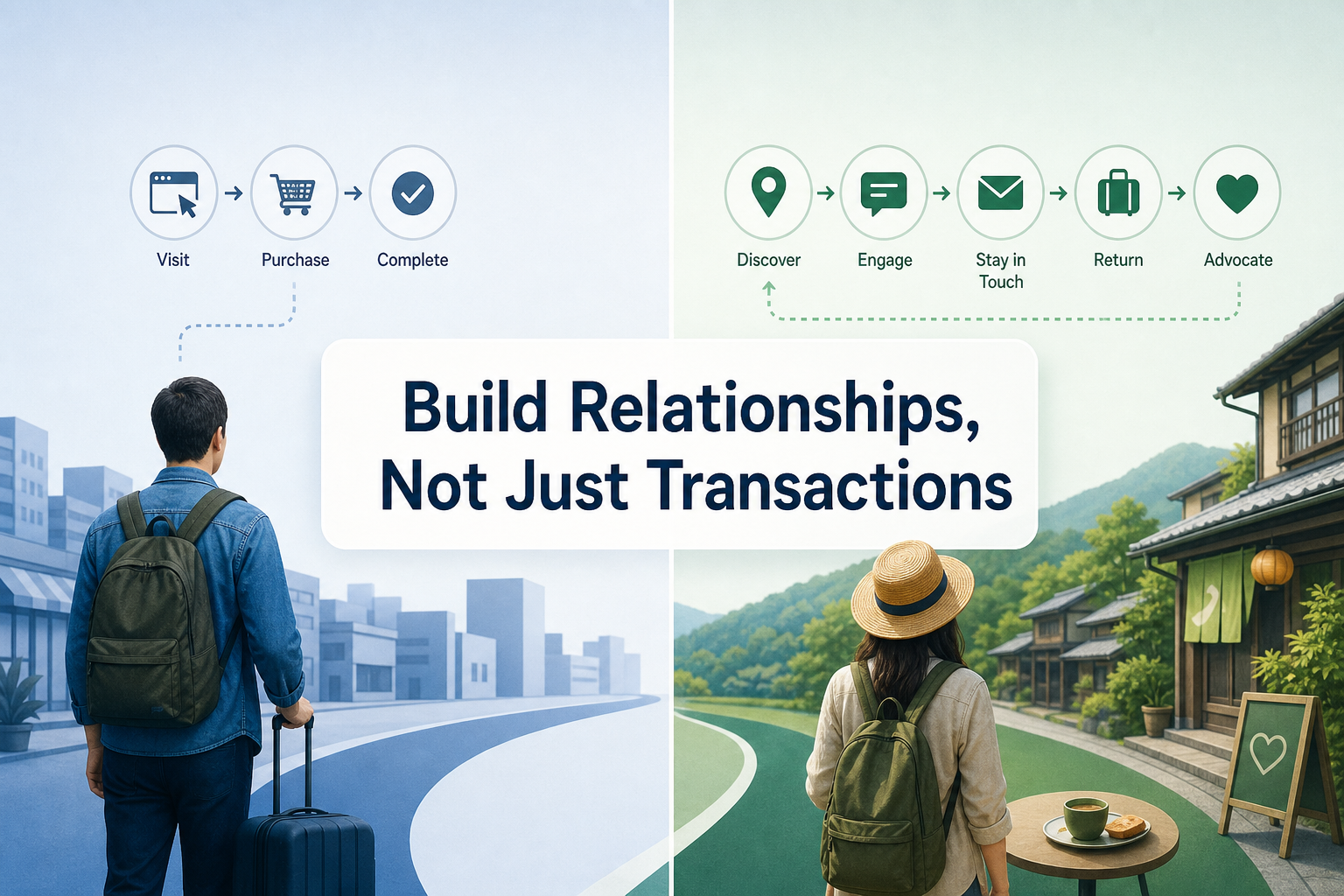
Implementing a successful strategy requires a shift in mindset from ‘transactional’ to ‘relational.’ Instead of focusing solely on the current stay, businesses must think about the entire customer journey, from the first discovery on social media to the post-trip engagement. Consistency is vital; your brand voice and quality of service should be uniform across all touchpoints. For small business owners in Shizuoka, this can be achieved by starting small—perhaps with a simple Instagram account and an automated email system—and scaling as you gather more data on guest preferences.
Collaborating with other local businesses can also amplify your efforts. If a hotel, a nearby restaurant, and a local craft shop all work together to provide a cohesive regional experience, the traveler is more likely to view the entire area as a ‘home away from home.’ Sharing insights and cross-promoting each other’s services creates a robust ecosystem that encourages visitors to return to Shizuoka specifically, rather than just ‘Japan’ in general.
- Capture Guest Data Legally: Encourage guests to sign up for your newsletter or follow your SNS during their stay by offering a small incentive, ensuring you have a way to reach them later.
- Leverage User-Generated Content: Encourage guests to share their photos and tag your business. Reposting their content makes them feel seen and appreciated, strengthening the community bond.
- Monitor and Respond to Reviews: Actively manage your Google Business Profile and TripAdvisor reviews. Responding to feedback shows potential repeaters that you care about their experience.
参考: inbound repeat visitor strategy
Leveraging Shizuoka’s unique regional identity to build a loyal global community
Shizuoka Prefecture possesses a unique combination of accessibility and authentic charm that is perfect for attracting repeat visitors. Located just a short Shinkansen ride from Tokyo and Osaka, and with our office only 10 minutes from JR Shizuoka Station, we see firsthand how travelers are looking for alternatives to overcrowded tourist hubs. By emphasizing Shizuoka’s identity as the heart of tea culture and the best place to view Mt. Fuji, local businesses can create a niche that appeals to sophisticated travelers who value tranquility and craftsmanship.
Our team at a local marketing consultancy specializes in helping Shizuoka-based businesses bridge the gap between local hospitality and global marketing. We understand that for a ryokan manager or a restaurant owner, the technical side of digital marketing can be overwhelming. That is why we focus on practical, data-driven solutions like OTA optimization and multilingual SNS management that showcase the genuine spirit of our region. When your local pride is translated into a professional global presence, you naturally attract the right kind of repeat visitors.
Measuring Lifetime Value (LTV): Key metrics for long-term inbound success
To know if your inbound repeat visitor strategy is working, you must track the right metrics. Beyond simple booking numbers, you should look at the ‘Repeat Rate’—the percentage of guests who have visited more than once—and the ‘Average LTV,’ which includes both their on-site spending and any post-trip EC purchases. Modern digital tracking tools have made it easier than ever to see the correlation between a marketing campaign and a return visit. By analyzing this data, you can refine your offerings to better serve your most loyal customers.
Another important metric is ‘Referral Value.’ Many repeaters become brand ambassadors, sharing their experiences on social media or review sites. While harder to quantify, the increase in inquiries from a specific region or demographic often traces back to one highly satisfied repeat guest. We help you set up these tracking systems so you can see the measurable results of your inbound marketing efforts, ensuring that every yen spent on marketing contributes to sustainable regional growth.
Frequently Asked Questions
Q1. What is an inbound repeat visitor strategy?
It is a plan designed to encourage international tourists to return to a specific destination multiple times. The strategy focuses on building long-term relationships through high-quality experiences, digital communication, and post-trip shopping opportunities to increase a traveler’s total value over time.
Q2. How can local businesses ensure guests want to return before they even leave?
Businesses should focus on creating high-satisfaction experiences that feel personal and unique. By providing exceptional service and helping guests form an emotional connection to the local culture, you increase the likelihood that they will choose your region for their next trip.
Q3. What is the best way to stay in touch with international travelers after they return home?
Using digital CRM tools like email newsletters or social media allows you to maintain a connection. These platforms help you share updates about the region and personalized offers, keeping your destination fresh in the traveler’s mind for future visits.
Q4. How does cross-border e-commerce help increase visitor LTV?
Cross-border e-commerce allows tourists to buy local products online after their trip ends. This generates ongoing revenue from ‘post-trip consumption,’ turning a one-time souvenir purchase into a long-term shopping habit that keeps the visitor connected to the brand.
Q5. What is a common challenge when implementing these repeat visitor strategies?
The main challenge is maintaining engagement once the guest leaves. Success requires a consistent system for capturing guest information and a clear plan for using digital tools to provide value long after the initial physical visit has concluded.