
Learn how to explain ryokan breakfast in English. This guide covers traditional dish descriptions, dining etiquette, and dietary tips for international guests.
 執筆者:Hikaru SonedaCEO
Many ryokan owners and hospitality staff in Shizuoka feel overwhelmed when trying to explain the complex components and cultural significance of a traditional Japanese breakfast to international guests.
This guide provides a comprehensive framework and practical English phrases to help you confidently describe dishes, etiquette, and local ingredients, ensuring a memorable dining experience for your visitors.
How do you prepare to explain the traditional Japanese breakfast concept?
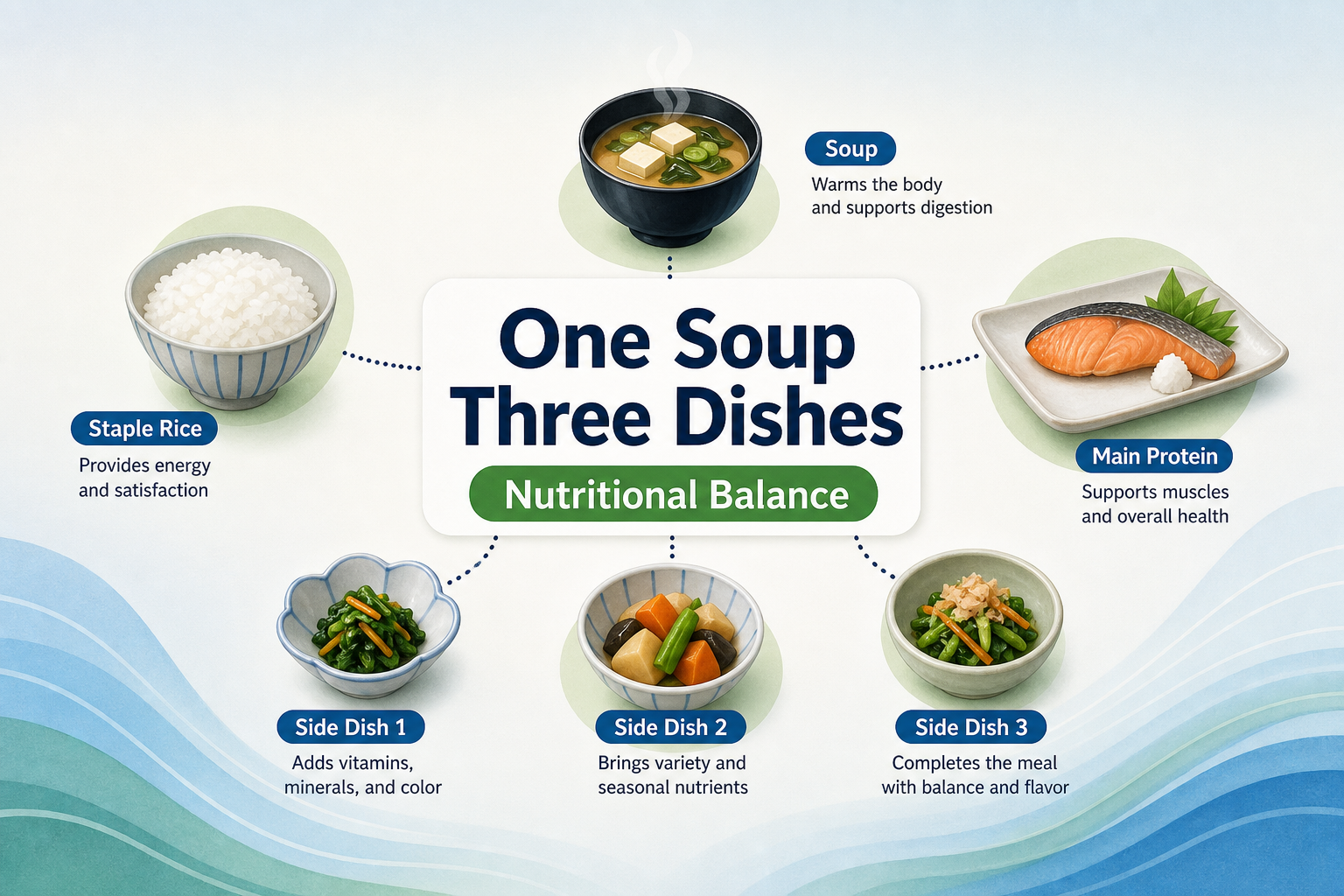
The foundation of explaining a ryokan breakfast lies in the traditional arrangement of one soup and three side dishes, which literally translates to one soup and three dishes. This traditional structure ensures a nutritionally balanced meal that features a staple, a main protein, and various side dishes that provide a range of vitamins and minerals. When speaking to guests, it is helpful to frame the meal as a healthy, balanced start to the day that has been part of Japanese culture for centuries.
Unlike Western breakfasts that often focus on a single large plate, the ryokan style is characterized by many small dishes served simultaneously on a tray. This visual presentation is as important as the taste itself, reflecting the Japanese aesthetic of harmony and variety. You should explain that this variety allows guests to enjoy different textures and flavors, from salty and savory to slightly sweet and sour, all in one sitting.
Defining the Teishoku or Set Meal Style
参考: English support for the tourism industry
How can you describe specific ryokan breakfast dishes to international guests?
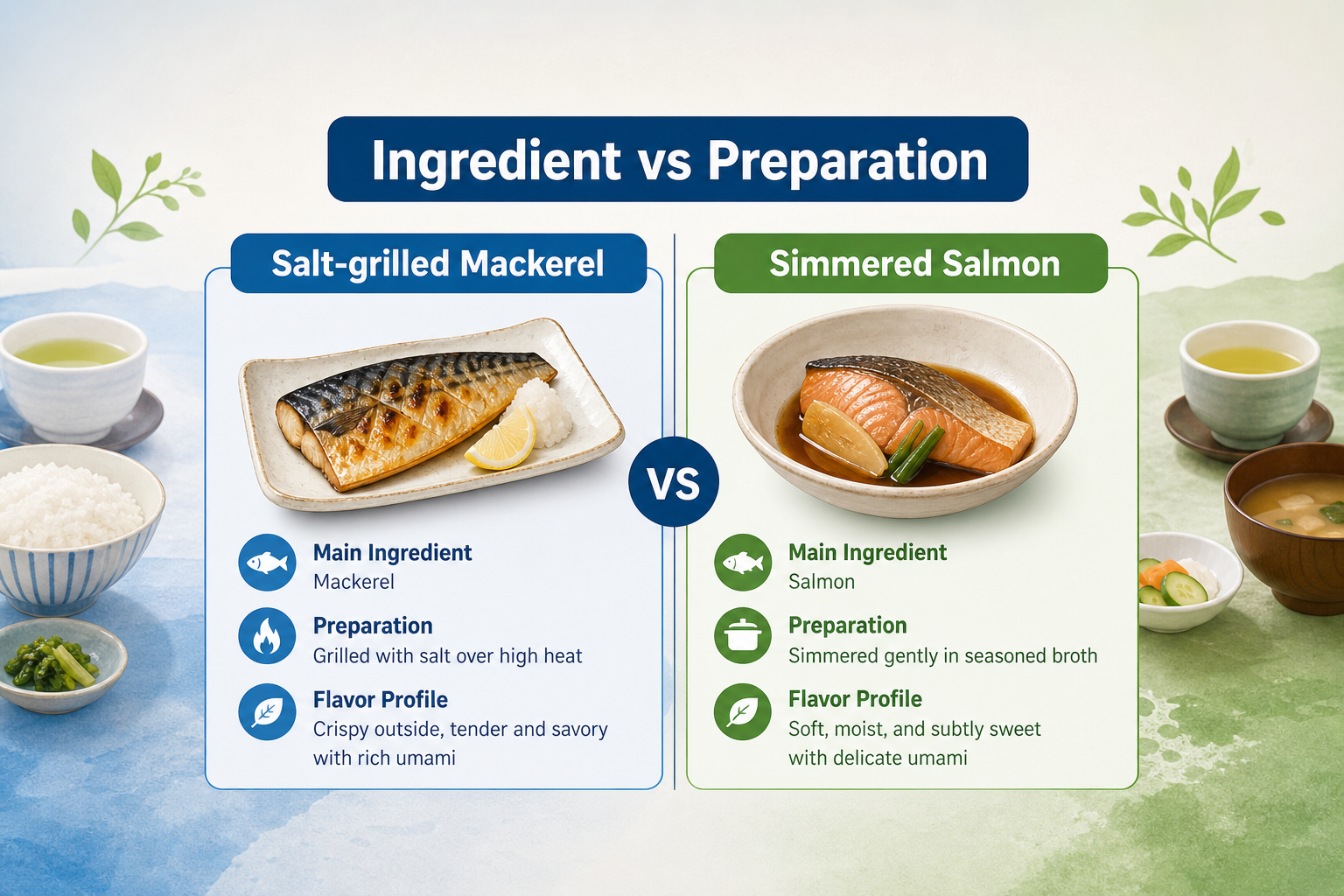
Describing specific dishes requires a balance of naming the ingredient and explaining its preparation method. For example, instead of just saying fish, you should describe it as salt-grilled mackerel or simmered salmon. This gives the guest a better idea of the flavor profile and cooking technique used in the kitchen. Providing these details helps bridge the gap between unfamiliar food names and the guest’s culinary expectations.
Through experience supporting hotels and ryokans, it has been found that guests appreciate knowing the health benefits of what they are eating. When explaining miso soup, mention that it is a fermented soybean paste soup rich in probiotics. For Tamagoyaki, describe it as a Japanese-style rolled omelet that is slightly sweet and savory, which is a favorite among both locals and visitors alike.
| Japanese Name | English Description | Key Characteristics |
|---|---|---|
| Yakizakana | Grilled Fish | Usually salted mackerel or dried horse mackerel. |
| Tsukemono | Pickled Vegetables | Crunchy, refreshing, and helps cleanse the palate. |
| Nori | Dried Seaweed | Crispy sheets used to wrap rice or eaten plain. |
| Kobachi | Small Side Dishes | Seasonal vegetables or seafood served in small bowls. |
What are the essential etiquette and dining tips for a ryokan breakfast?
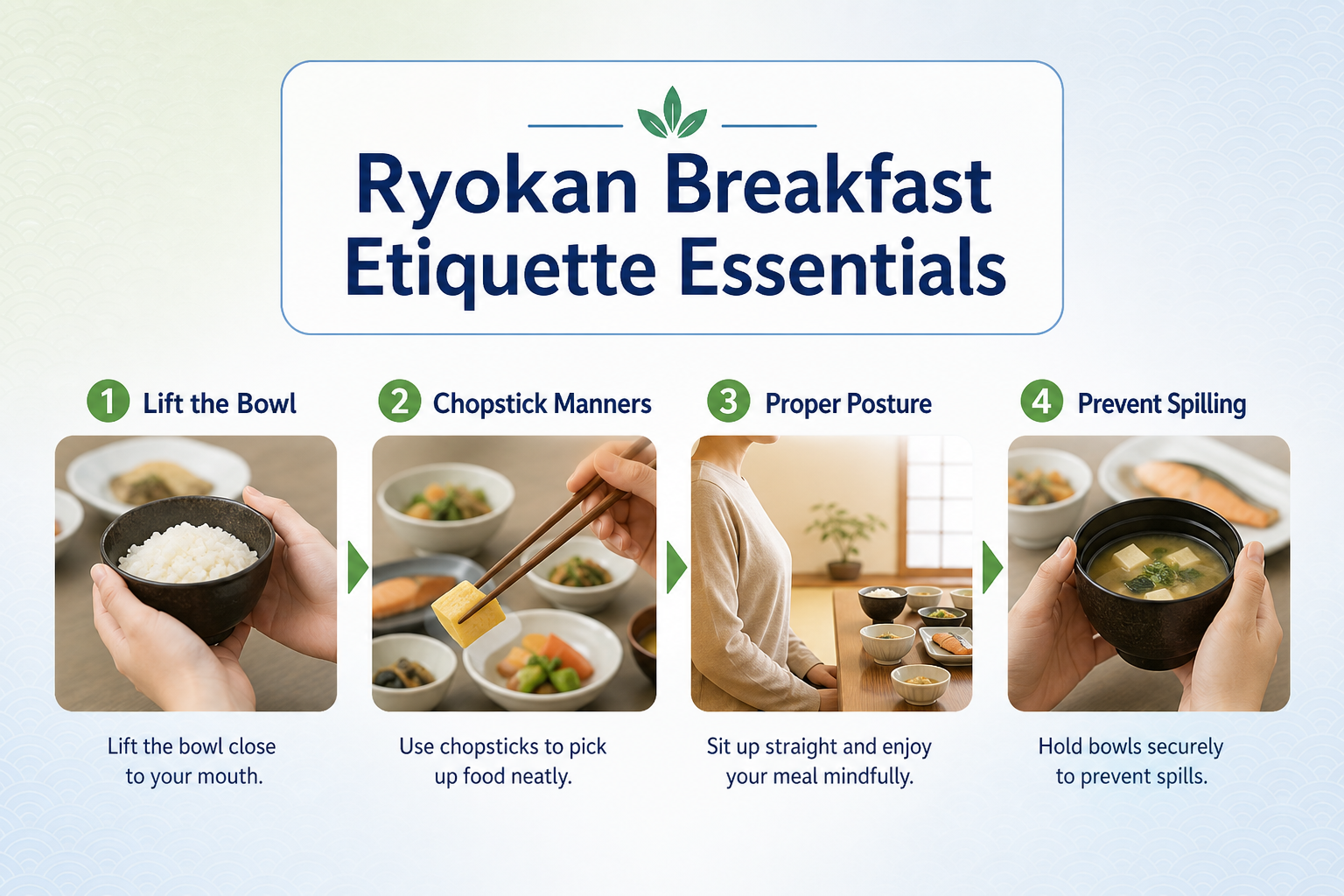
Etiquette is a crucial part of the ryokan experience that many international guests are eager to learn but afraid of getting wrong. One of the most important points to convey is the use of chopsticks and the proper way to handle bowls. In Japan, it is perfectly polite and even encouraged to lift the rice bowl or miso soup bowl to your chest while eating. This prevents spilling and is considered a sign of respect for the food prepared by the host.
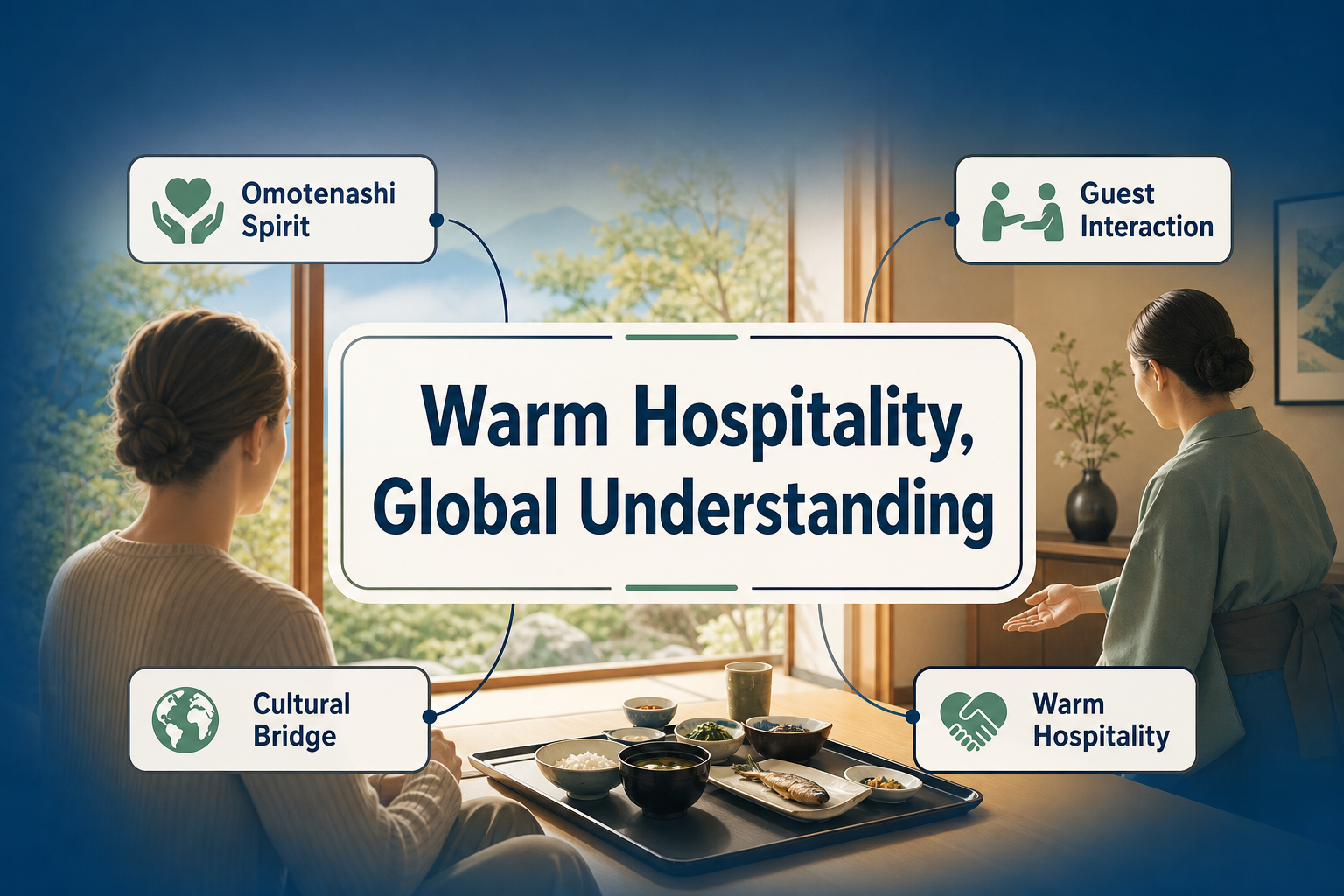
You should also introduce the phrases Itadakimasu and Gochisousama-deshita to add a layer of cultural immersion. Explain that Itadakimasu is said before the meal to show gratitude for the ingredients and the cook, while Gochisousama-deshita is said afterward to signal that the meal was delicious and appreciated. These small gestures significantly enhance the guest’s connection to Japanese hospitality, or Omotenashi.
How to explain the traditional principles of Japanese cuisine and local Shizuoka ingredients?
Shizuoka Prefecture is world-renowned for its high-quality produce, and highlighting these local items can make your breakfast explanation even more special. For instance, Shizuoka is the top producer of green tea in Japan. When serving tea, you can explain that the tea leaves were grown in the nearby hills, offering a deep, earthy flavor that cleanses the palate after a savory meal. This local context adds a story to the food that guests will remember.
Another local specialty to mention is Shirasu, or whitebait, harvested from Suruga Bay. If your ryokan serves this, describe it as fresh, tiny white fish that are a local delicacy, often served over rice or in a small side dish. By connecting the breakfast tray to the local geography of Shizuoka, you demonstrate a high level of expertise and pride in your region’s resources.
Step-by-step guide: How to serve and explain breakfast at the table
The way you present the meal can set the tone for the entire day. Following a structured approach ensures that the guest feels cared for and informed without feeling overwhelmed by too much information at once. We recommend a four-step process to ensure smooth communication during the breakfast service.
- Welcome and Introduce the Concept: Greet the guest and explain that they are about to enjoy a traditional Japanese set meal called Teishoku, designed for health and balance.
- Identify the Main Components: Briefly point out the rice, miso soup, and the main protein, such as the grilled fish, using the specific English names for the ingredients.
- Highlight Local Specialties: Mention at least one item unique to Shizuoka, such as our famous green tea or fresh seafood from the local bay, to add regional value.
- Explain Condiments and Customization: Show the guest how to use the soy sauce, wasabi, or nori seaweed, and ask if they would like a refill of rice or tea.
What are the common pitfalls and dietary considerations for international visitors?
One of the biggest challenges in explaining ryokan breakfast is managing dietary restrictions and unfamiliar textures. Many guests may not be aware that dashi, the Japanese soup stock used in miso soup and many side dishes, is typically made from fish. For vegetarian or vegan guests, this is a critical point that must be communicated clearly. Always verify if your kitchen can provide a kombu-based (seaweed) alternative to ensure all guests can eat safely.
Fermented foods like Natto (fermented soybeans) often require a more detailed explanation because of their unique smell and sticky texture. Instead of just saying it is healthy, describe it as a traditional superfood that is great for digestion but has a very unique, acquired taste. Giving guests a heads-up about the texture helps them approach the dish with curiosity rather than confusion.
Leveraging digital tools and multilingual menus for better guest communication
In today’s digital age, relying solely on verbal explanations can be difficult if your staff is not fully fluent in English. This is where professional inbound marketing support becomes invaluable. We help businesses in Shizuoka create multilingual menus and digital content that use QR codes. This allows guests to scan a code and read detailed descriptions of each dish in their own language, including ingredient lists and allergy warnings.
By providing clear, written information, you reduce the pressure on your staff and minimize the risk of misunderstandings. This proactive approach not only improves the guest experience but also strengthens your ryokan’s online reputation. When guests feel understood and well-fed, they are much more likely to leave positive reviews on platforms like TripAdvisor and Booking.com, which directly impacts your future bookings.
How We Support Your Business
Frequently Asked Questions
Q1. What is a traditional ryokan breakfast?
A ryokan breakfast is a multi-dish Japanese meal served at traditional inns. It typically includes rice, miso soup, grilled fish, and various small side dishes, focusing on balanced nutrition and seasonal local ingredients to start the day.
Q2. How should I explain the order of eating to guests?
Explain that there is no strict order, but guests usually start with a sip of miso soup. Encourage them to enjoy small portions of different side dishes along with their rice to experience the variety of flavors.
Q3. What is the best way to describe unfamiliar fermented foods like natto?
Describe them simply by focusing on their health benefits and texture. For example, you can explain natto as ‘fermented soybeans with a sticky texture and strong flavor,’ which is a very popular traditional health food in Japan.
Q4. How should staff handle common dietary restrictions or allergies?
Staff should ask about allergies during check-in. When explaining the meal, clearly identify dishes containing common allergens like fish stock (dashi), soy, or wheat, and offer simple alternatives or ingredient explanations whenever possible.
Q5. What are the most important etiquette tips to share with international visitors?
Gently inform guests to lift their rice and soup bowls while eating. You should also explain the proper use of chopsticks, such as avoiding passing food directly to another person’s chopsticks or sticking them vertically into rice.