

Discover 5 ways to measure inbound marketing ROI. Learn how Shizuoka businesses can bridge the gap between digital ads and offline revenue with ease.
 執筆者:Hikaru SonedaCEO
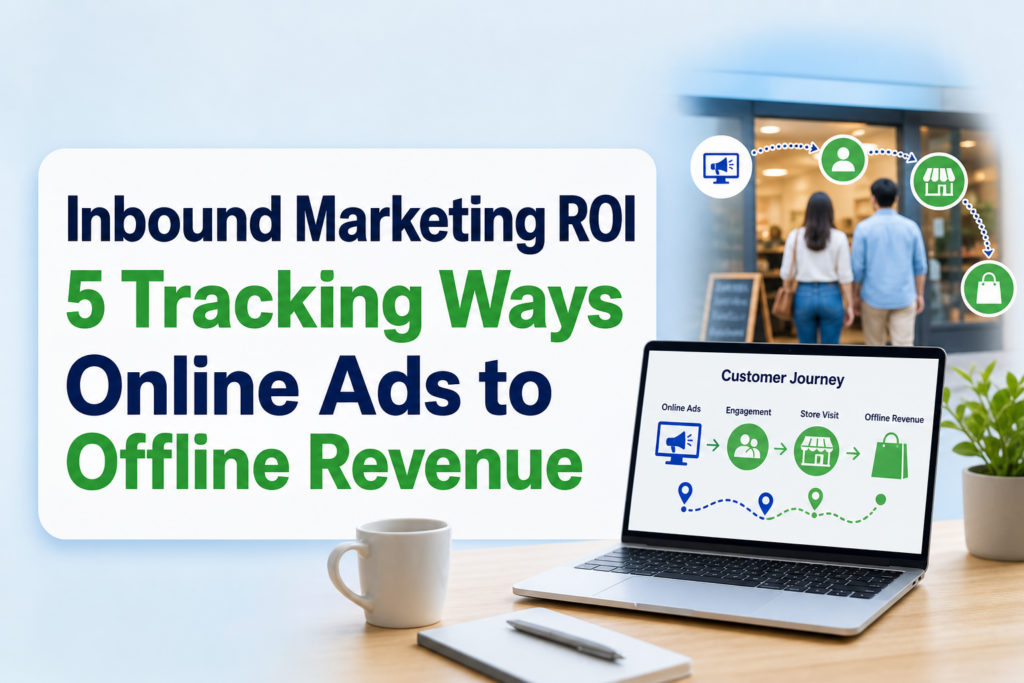
Many hotel and restaurant owners in Shizuoka struggle to determine if their digital ads actually drive international tourists to their physical doors, making inbound marketing ROI feel like a mystery.
This guide provides a data-driven framework to bridge the attribution gap, offering five concrete ways to track online-to-offline conversions and maximize your inbound marketing ROI effectively.
Why is setting clear goals essential for measuring inbound marketing ROI?
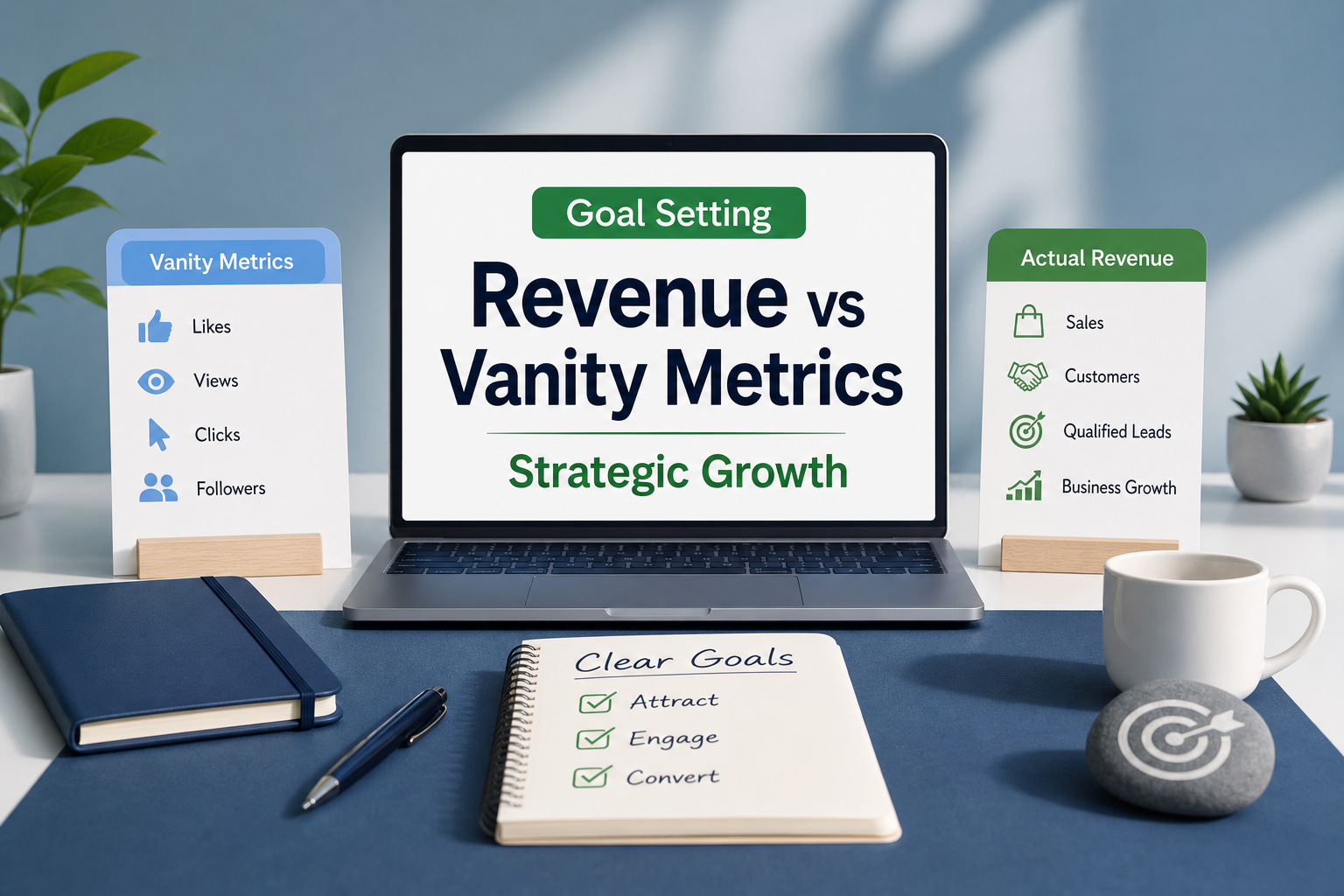
The era of simple recovery in the tourism sector has ended, and as of 2026, we have entered a period of fierce competition where every marketing yen must be accounted for. Without clearly defined goals, businesses often fall into the trap of measuring vanity metrics, such as social media likes or website clicks, which do not necessarily translate into actual revenue at a ryokan or restaurant. To accurately calculate inbound marketing ROI, you must first distinguish between brand awareness objectives and direct conversion goals, ensuring that your tracking mechanisms are aligned with the traveler’s journey from discovery to arrival.
Setting goals allows you to allocate your budget based on the specific travel phases known as Tabi-mae (before travel) and Tabi-naka (during travel). For instance, a hotel in Shizuoka might spend more on Google Search Ads for travelers planning their trip 45 days in advance, while a local cafe might focus on Instagram ads targeting users currently in the surrounding area. By establishing these parameters, you can better understand which touchpoints contribute to the final purchase, providing the foundational data needed for a robust ROI analysis.
Defining KPIs for Different Inbound Objectives
参考: 静岡インバウンド集客
What are the most effective ways to track online-to-offline conversions?
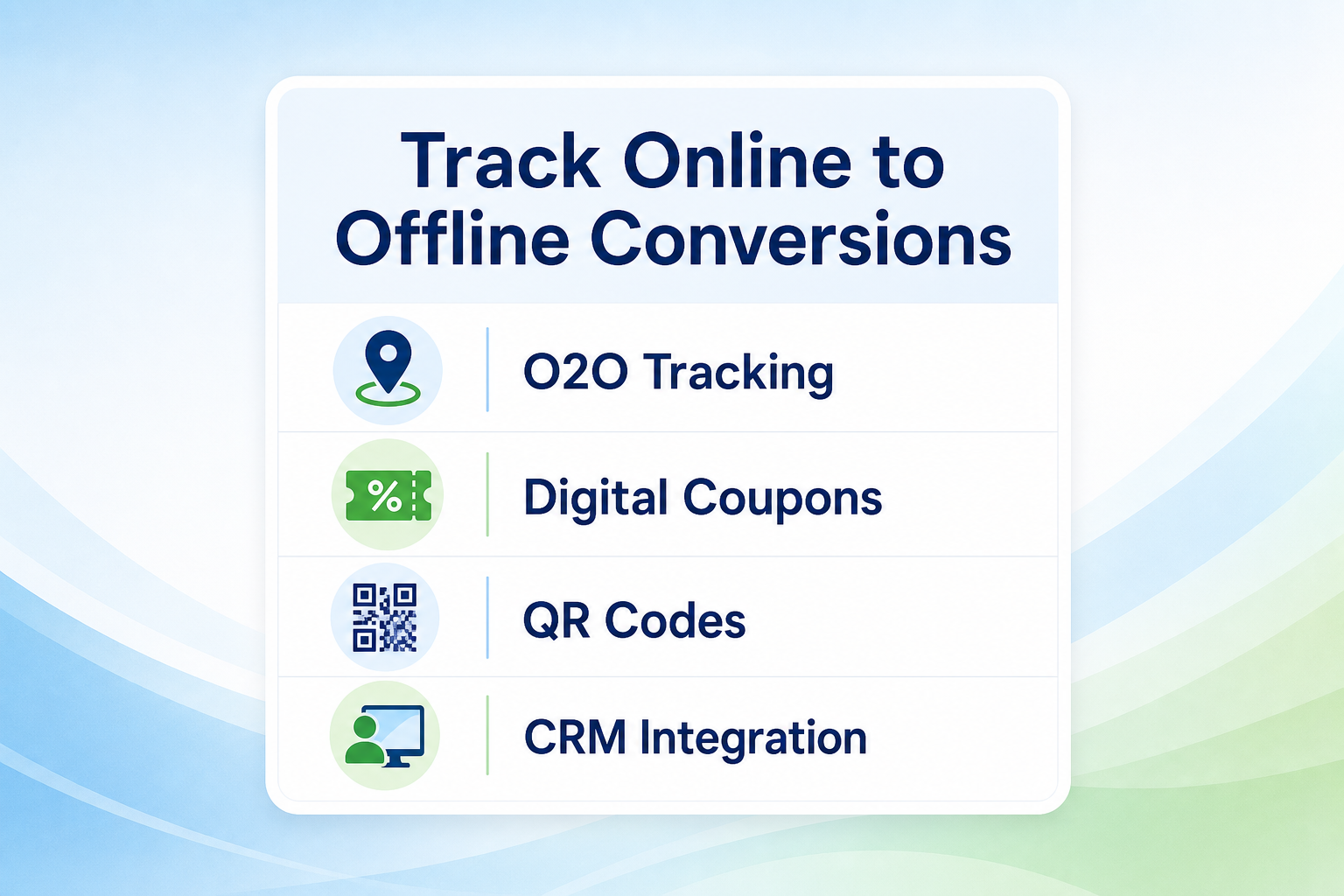
One of the greatest challenges in inbound marketing is the ‘attribution gap,’ where a traveler sees an ad online but pays in person using cash or a credit card at a physical location in Shizuoka. To solve this, businesses must implement O2O (Online-to-Offline) tracking techniques that link digital engagement to physical visits. By using advanced tools and creative incentives, you can gain a clearer picture of how your digital advertising spend directly influences your daily sales and long-term growth.
Tracking international visitors requires a multi-faceted approach because their media consumption habits vary significantly by region. For example, travelers from Taiwan or Hong Kong may respond better to QR-code-based promotions on Facebook, while those from North America might rely heavily on TripAdvisor reviews. Utilizing the following five methods will help you capture the data necessary to prove your marketing effectiveness and refine your strategy for better results.
- Utilize Digital Coupons and QR Codes: Create unique, trackable QR codes for each ad campaign. When a visitor scans a code at your Shizuoka storefront to receive a discount or a free gift, you can instantly attribute that customer to a specific online ad or social media post.
- Monitor Google Business Profile Insights: Track the number of users who request directions to your business or click the call button after finding you on Google Maps. This data provides a strong correlation between local SEO efforts and physical foot traffic from international tourists.
- Implement Reservation System Integration: Use booking engines that allow you to append UTM parameters to your links. This enables you to see exactly which ad campaign led to a completed reservation, providing a direct line between ad spend and confirmed revenue.
- Leverage Social Media ‘Save’ and ‘Check-in’ Features: Encourage visitors to ‘Check-in’ or tag your location on Instagram in exchange for a small incentive. Monitoring the volume of these interactions relative to your ad reach helps estimate the offline impact of your social media marketing.
- Conduct On-site Customer Surveys: Train your staff to ask international guests how they discovered your business. While low-tech, recording this data in a simple spreadsheet remains one of the most reliable ways to verify the source of your inbound customers.
参考: Googleマップ集客
What are the quantitative formulas for calculating inbound marketing ROI?
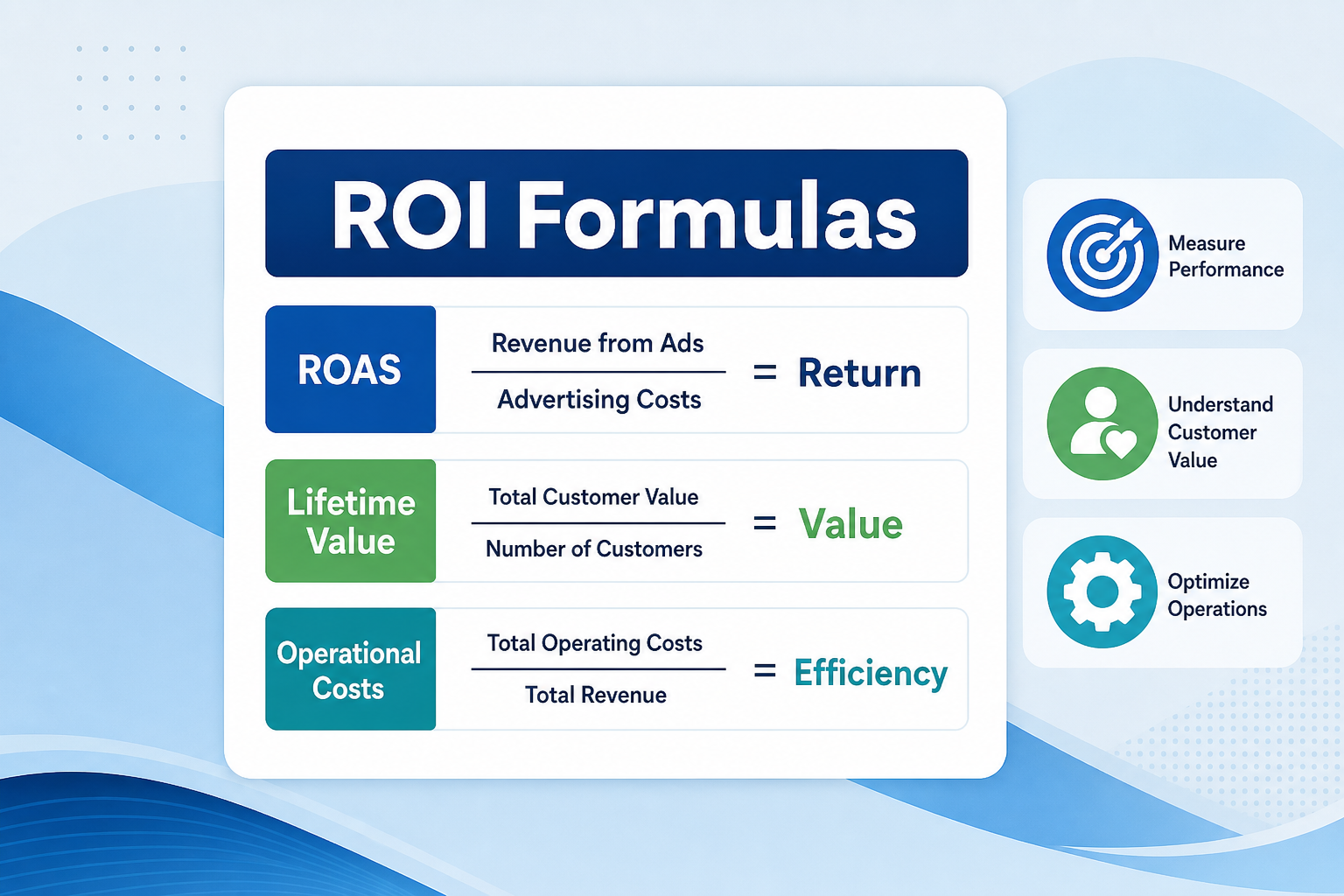
To move beyond guesswork, you must apply mathematical formulas that compare your marketing investment against the profit generated. The most common metric is ROAS (Return on Ad Spend), which calculates gross revenue for every yen spent on advertising. However, for a true understanding of inbound marketing ROI, you must also factor in operational costs, agency fees, and the lifetime value of a customer, especially if they are likely to recommend your Shizuoka business to other travelers online.
For regional businesses in Shizuoka, calculating ROI also helps in determining which platforms are most cost-effective. For instance, if the monthly plan generates five bookings worth ¥200,000 in total revenue, the ROAS can be calculated accordingly (actual fees vary by business type; please contact us for details). By consistently applying these formulas, owners can make data-driven decisions about whether to scale up their English social media management or pivot toward OTA optimization on platforms like Airbnb or Booking.com.
| Metric | Formula | Purpose | Example Scenario |
|---|---|---|---|
| ROAS | (Revenue / Ad Spend) x 100 | Measures gross revenue efficiency | Revenue generated exceeds the cost of advertising |
| ROI | (Net Profit / Total Cost) x 100 | Measures overall profitability | Net profit is higher than the total marketing investment |
| CPA | Total Spend / Number of Conversions | Measures cost to acquire one guest | Total ad spend divided by the number of confirmed bookings |
参考: マーケティングのROIとは
How can Shizuoka tourism businesses maximize their inbound marketing ROI?
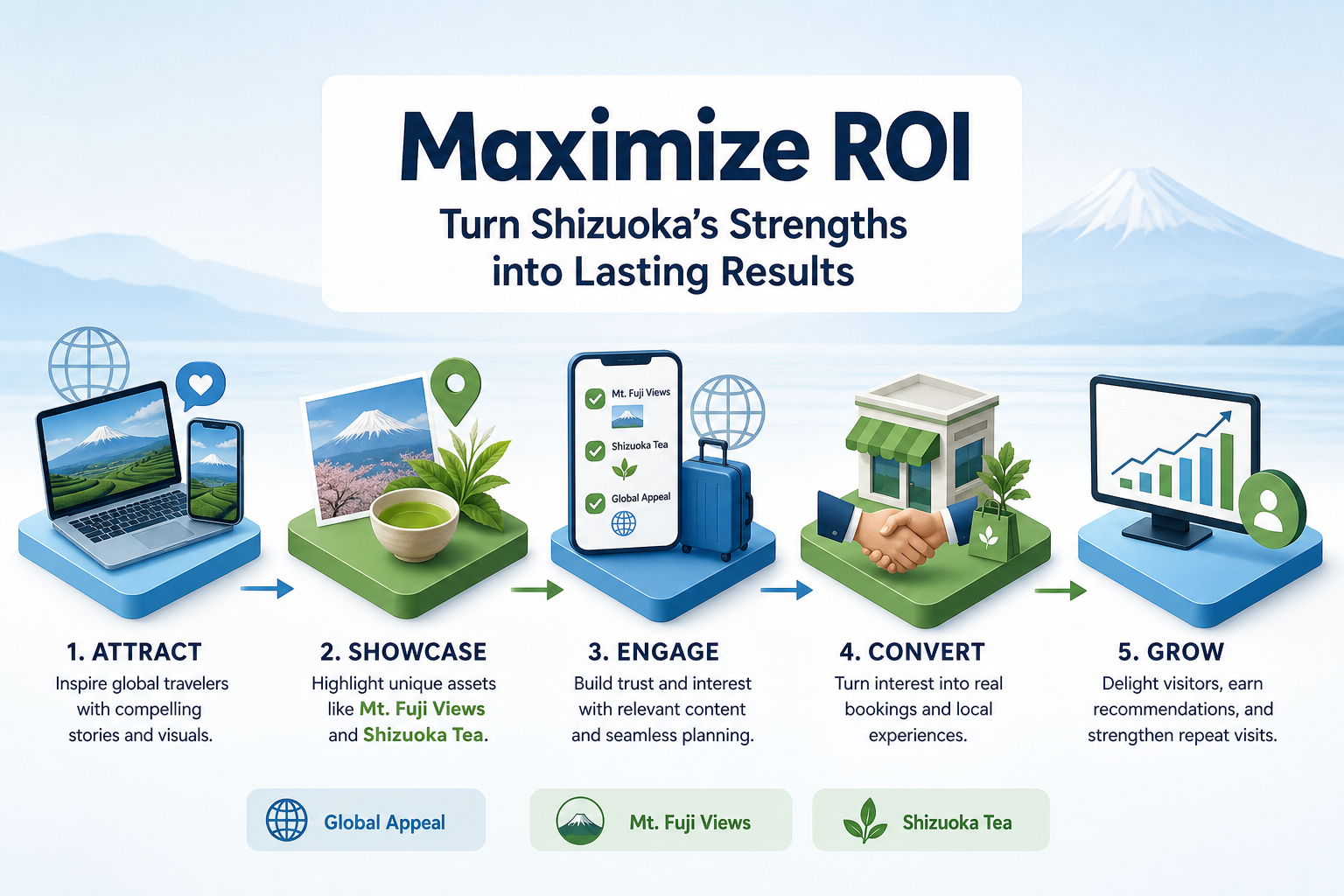
Maximizing ROI in Shizuoka requires a deep understanding of the local landscape and how it appeals to global tastes. Shizuoka is uniquely positioned between Tokyo and Osaka, offering iconic views of Mt. Fuji, premium green tea, and fresh seafood from Suruga Bay. To increase marketing efficiency, businesses should highlight these ‘only-in-Shizuoka’ experiences in their multilingual content. By focusing on niche attributes that appeal to high-spending segments, such as luxury ryokan seekers or outdoor enthusiasts, you can achieve a higher conversion rate with a smaller, more targeted ad budget.
Another critical factor is optimizing your physical location’s digital footprint. For businesses located near Gofuku-cho or a short walk from the North Exit of JR Shizuoka Station, ensuring your Google Business Profile is fully translated into English and features high-quality photos is essential. When international travelers search for ‘best sushi near me’ or ‘ryokan with Fuji view,’ a well-optimized profile acts as a free advertisement that significantly boosts your overall inbound marketing ROI by lowering your customer acquisition costs.
Leveraging Local Expertise for Regional Growth
参考: 静岡インバウンドニーズ
What are the common pitfalls in tracking inbound marketing performance?

One major pitfall is ignoring the legal and regulatory environment, such as the ‘Stealth Marketing’ regulations that took effect in Japan on October 1, 2023. If your ROI calculations rely on influencer partnerships that do not clearly disclose their commercial nature, you risk not only legal penalties but also a significant loss of trust among international travelers. Authenticity is the cornerstone of inbound success; travelers today are highly sensitive to disingenuous promotion, and a damaged reputation can lead to a long-term decline in ROI that is difficult to reverse.
Another common mistake is failing to account for the long-tail effect of digital content. Many owners expect immediate results and stop their campaigns too early. However, inbound marketing often involves a long research phase for the traveler. A blog post or an Instagram reel created today might not result in a booking until six months later when the traveler finally arrives in Shizuoka. Failing to track these delayed conversions results in an undervalued ROI and may lead businesses to abandon highly effective long-term strategies.
参考: インフルエンサーマーケティング、令和5年10月1日からステルスマーケティングは景品表示法 …
How does multilingual content impact long-term ROI?
Providing information in a traveler’s native language is not just about hospitality; it is a powerful driver of marketing efficiency. Data shows that websites offering multilingual support can see a significant increase in engagement; for instance, many platforms have reported a substantial increase in access and high-quality inquiries after expanding their language options. For a business in Shizuoka, this means that every yen spent on driving traffic to a multilingual site is far more likely to result in a conversion compared to a monolingual Japanese site.
Furthermore, multilingual SEO allows your business to appear in search results in the traveler’s home country long before they even board a plane. By targeting specific keywords in English, Chinese, or Thai, you can capture the interest of potential visitors during their initial planning phase. This early engagement builds brand familiarity and trust, which significantly reduces the cost of conversion later in the traveler’s journey, thereby maximizing your total inbound marketing ROI.
Why is local expert support the key to sustainable inbound growth in Shizuoka?
While many digital tools are available, the nuances of the Shizuoka tourism market require a human touch and local expertise. A generic marketing agency might understand Google Ads, but they may not understand the specific seasonal flows of tourists to the Izu Peninsula or the unique selling points of a Gofuku-cho restaurant. Shinker Inc., through our Glocal service, provides this specialized bridge. We don’t just manage ads; we help you craft a narrative that connects Shizuoka’s authentic culture with the expectations of global travelers, ensuring your marketing efforts lead to real-world results.
Our track record speaks for itself. From helping local hotels increase their international inquiries through OTA optimization to supporting tourism providers in showcasing regional attractions, our focus is always on measurable business outcomes. We understand that for a small business owner in Shizuoka, time is the most precious resource. By handling the complexities of multilingual social media, SEO, and ad management, we allow you to focus on what you do best: providing world-class hospitality to your guests.
Start Your Inbound Journey with a Trusted Partner
Frequently Asked Questions
Q1. What is inbound marketing ROI?
Inbound marketing ROI is a measurement used to determine the profitability of your digital marketing efforts. It calculates how much revenue your business earns from international tourists compared to the amount of money spent on online advertisements and content creation.
Q2. How can I track a customer who sees an ad but pays in person?
You can bridge this gap by using offline conversion tracking tools. Common methods include digital coupons that must be scanned at the register, unique QR codes for in-store discounts, or tracking location data to see if a mobile user visited your physical location.
Q3. Why is it necessary to set goals before starting a campaign?
Setting clear goals is essential because it defines what success looks like for your business. Without specific targets, such as a set number of table bookings or room stays, it becomes impossible to accurately measure if your marketing budget is being spent effectively.
Q4. What is a common mistake when measuring marketing performance?
A frequent pitfall is focusing only on ‘vanity metrics’ like likes or page views. While these show engagement, they do not prove that a tourist actually visited your business in Shizuoka or spent money, leading to an inaccurate view of your actual profit.
Q5. How can Shizuoka businesses specifically improve their results?
Local businesses can maximize results by using data-driven frameworks to identify which ads lead to physical visits. By focusing on the channels that drive the most offline revenue, owners can stop wasting budget on ineffective ads and focus on high-value international visitors.